Nature was restored at ‘unprecedented scale’, Barbados halted HIV transmission in babies, and a fuel revolution picked up speed, plus more good news
This week’s good news roundup
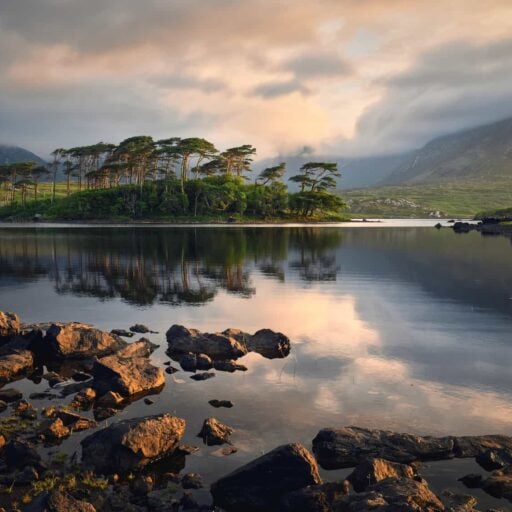
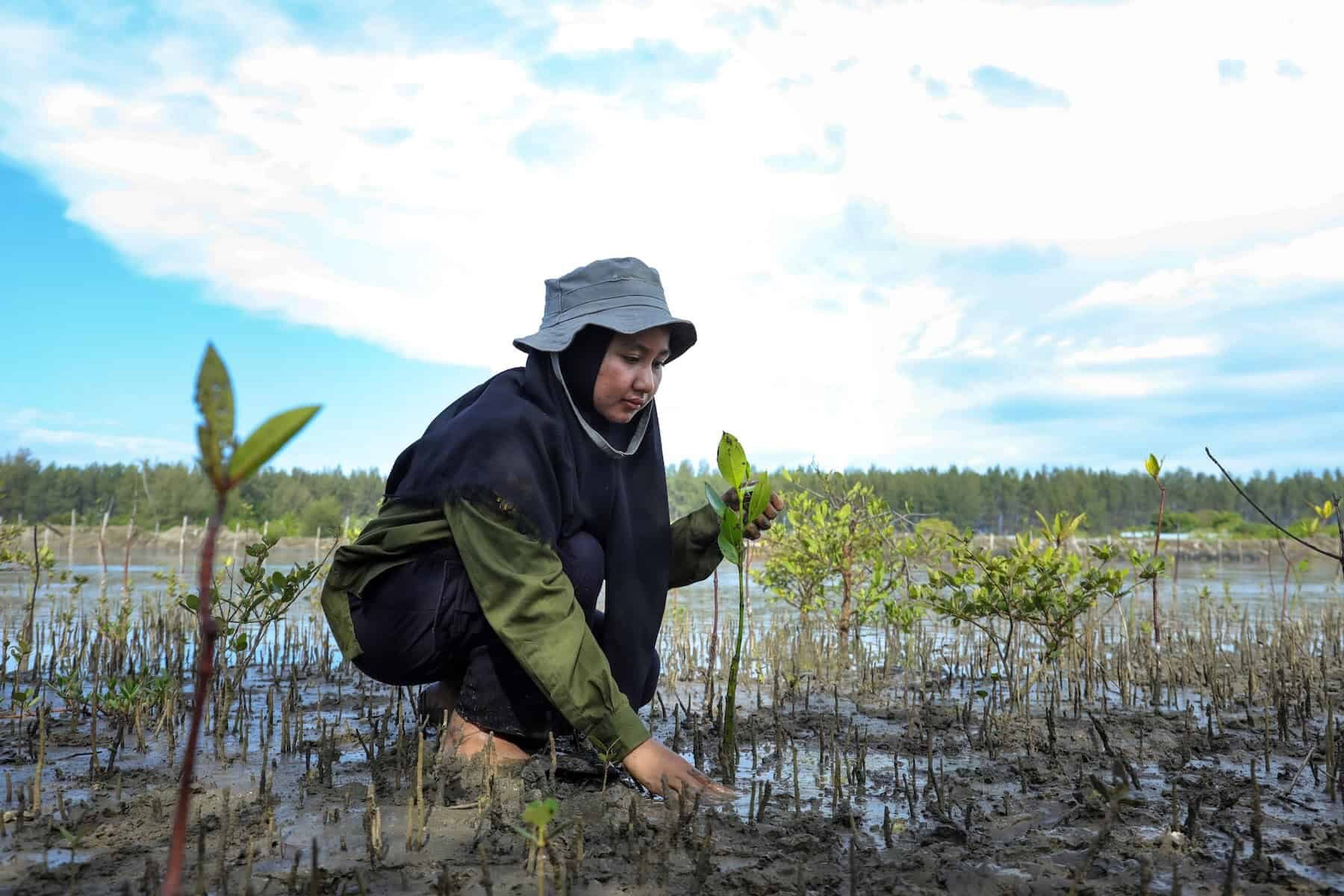
Wildlife habitats are being restored at the fastest rate ever recorded, according to a new UN report, which estimates that ecosystems equivalent in size to Kazakhstan – the planet’s ninth-largest country – are being revitalised.
The report, from the UN Environment Programme (UNEP), estimates that 252m hectares (623m acres) of land, marine and freshwater habitats across 149 countries are under active restoration, supporting more than a million green jobs in the process.
UNEP executive director Inger Andersen said the world is “witnessing the makings of one of the largest movements for nature in recorded history,” but cautioned that progress is still too slow.
In 2021, governments pledged to revive around 1bn hectares (2.47bn acres) by 2030, promising that 30% of degraded ecosystems would be under restoration by the end of the decade. While land ecosystems are on track, only 23% of degraded marine and coastal territories are being revived. Freshwater ecosystems, which are dwindling the fastest, are at just 5%.
Funding, or lack of it, is one issue. The report says that annual restoration investment needs to increase more than four-fold from $64bn (£47.5bn) to $296bn (£219.7bn) by 2030.
There was encouraging news on that front this week as the Green Climate Fund (GCF) announced a record year of funding, with $3.3bn (£2.5bn) allocated to climate adaptation and mitigation projects in developing countries.
Image: karlo curis

Barbados has marked a major health milestone by eliminating mother-to-child transmission of HIV.
The breakthrough is the result of years of collaboration between the country’s government, The World Health Organisation (WHO) and other partners to boost HIV services and improve care.
Barbados provides universal healthcare, and HIV testing and treatment are free for all pregnant women. WHO’s assessment, covering the three years from 2022 to 2024, found that 98% of mums-to-be were tested for HIV, and 98% with the virus received antiretroviral treatment.
Barbados joins 26 countries worldwide recognised by WHO for eradicating mother-to-child transmission of HIV, syphilis or hepatitis B, or for being on track to achieve it.
Dr Jarbas Barbosa, WHO regional director for the Americas, called it a “proud moment for Barbados, the Caribbean, and the global effort to end AIDS in children.”
Robert Benes from the children’s charity Unicef added: “In Barbados, a diagnosis of HIV during pregnancy no longer has to mean transmission to a child. It means that testing, treatment and care have reached the women and families who need them.”
Image: Alessandro Biascioli

Environment groups have welcomed the results of the US midterm elections, citing the rejection of Trumpism as a mandate for clean energy, climate action and making polluters pay.
The Sierra Club issued a memo to the incoming Congress calling for an end to fossil fuel subsidies and protection from drilling in the Arctic.
“The people have spoken, and the new Congress should waste no time in responding by fighting to reverse the damage Trump has caused these past two years, and leading our country to a stronger, more resilient future,” said Sierra Club legislative director Melinda Pierce.
Climate advocacy organisation, Evergreen Action, urged Democrats to use their new influence to make energy more affordable and expand clean power.
Executive director Lena Moffitt said: “Across the country, Democrats ran on lowering energy bills, holding Big Tech accountable, and building out clean energy infrastructure to confront the climate crisis at our doorstep – and voters have given them a mandate to fight back.”
Image: Alan Mazzocco


Portugal has moved to mitigate the impact of data centres on the climate and communities, announcing strict new measures covering energy and water use.
It’s a sector that’s growing fast in Portugal, where 2.6GW of new capacity is under development. Environment minister Maria de Graca Carvalho said this week that new laws due next year will require data centres to be powered by renewable energy.
They will also have to use water-free cooling – or non-fresh water sources – to avoid stresses on household and business supplies, and be subject to a rigorous environmental review.
It follows similar moves by neighbouring Spain to mandate renewable use: planned new rules mean datacentres with a capacity of more than 10MW will have to find 80% of their power from clean sources.
Meanwhile, Germany’s plans for a 100% renewables mandate – due to take effect in the new year – could be delayed to 2030 following a proposed amendment to the country’s Energy Efficiency Act.
Stop Dirty Data Centres, a pan-European coalition of data centre pressure groups, kicks off two days of action today, including multiple protests in the UK.
“Campaigns facing a David v Goliath struggle against big tech – too often backed by political decision-makers – are showing that they have the power to push back against the rush to build data centres,” said co-ordinator Owen Espley.
“They are calling for political leaders to implement moratoria on data centres at European, national and local levels so their concerns can be addressed and the impacts of data centres properly scrutinised.”
Image: skyNext
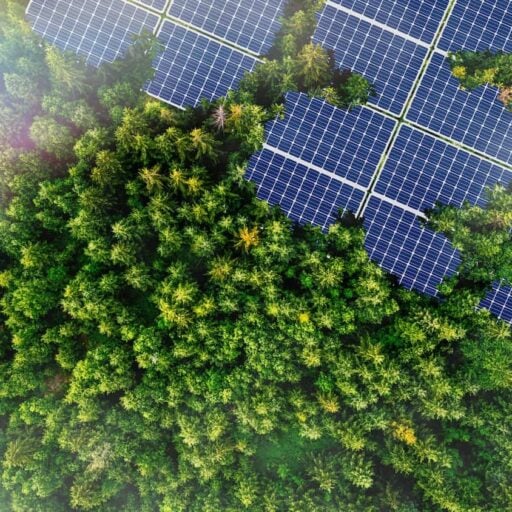
Infrastructure projects must now boost biodiversity by 10% in England under new rules which came into force this week.
Biodiversity Net Gain (BNG) was already a requirement for most small and major building projects, with the planning regulation compelling developers to deliver a 10% uplift, and maintain it for 30 years.
As of Monday, the nature-led design measure also applies to nationally significant infrastructure projects, such as major transport, energy and water construction.
The government says that BNG will prevent 6,000-10,000 hectares (14,800-24,700 acres) of habitat loss a year, an area roughly the size of Nottingham.
Michael Copleston, director at the Royal Society for the Protection of Birds England, called for BNG rules to be applied even more broadly. Projects under 0.2 hectares – which includes around half of residential developments – are currently exempt.
“Bringing major infrastructure in from November moves us in the right direction,” he said. “The schemes with the largest footprint on nature should contribute the most to its recovery.”
The news coincides with the recent launch of a new certification scheme helping renewable energy projects become havens for wildlife. Wild Power’s stamp of approval is aimed at developers who want to go above and beyond the 10% standard BNG. Read more about it here.
Image: Philip Hoeppli

Cleaner fuels are gearing up for a major growth spurt with refinery capacity forecast to triple by 2030 amid soaring demand.
That’s according to a report from market analysts, Global Data. It analysed a range of fossil-free fuels, such as ‘renewable diesel’, which is made from waste vegetable fat. Though such fuels do produce emissions, they are significantly lower than their fossil fuel equivalents – and could therefore have a role to play in the energy transition.
The report puts current biofuel refinery capacity at 11.7bn gallons per year, and forecasts that to rise to 35.4bn gallons by 2030.
Biofuels offer significant opportunities to decarbonise transport, the report says, as they can be blended into existing fuel infrastructure. Renewable diesel, for example, can be used without modifying engines. Sectors that are hard to electrify, such as shipping and aviation, should benefit from low-carbon hydrogen, ammonia, methanol and e-fuels, it added.
The report also highlights opportunities for oil and gas firms to convert existing refineries and switch to processing waste fats, vegetable oils and other sustainable feedstocks.
“As road vehicles, aircraft, and vessels cannot all transition away from liquid and gaseous fuels at the same pace, alternative fuels provide a practical route to lower emissions while maintaining fuel reliability, range, and operational flexibility,” said Ravindra Puranik, an analyst at Global Data.
Image: SHansche

Gym bros and girls rejoice! Hitting the weights could do more than build muscle – it might also help slow the ageing process.
Scientists from China’s Southern Medical University observed the phenomenon in mice after gently squeezing their leg bones to mimic the strain of a gym workout.
Their results show how stressing the skeleton triggers force-sensing bone cells called osteocytes to release anti-ageing chemicals. The rodents had healthier organs, stronger bones and lived an extra three months – equal to around nine human years – as a result.
“Bone is not just a passive scaffold; it is an active, mechanically responsive organ that helps set the pace of aging throughout the body,” said study lead Xiaochun Bai. “For the first time, we demonstrated the role of bone ‘mechano-sensing’ in systemic aging.”
Researchers stressed the effect had not been tested in humans, but suggested it could translate.
“Targeted mechanical loading may provide a convenient, controllable, and non-pharmacological strategy to delay aging and extend healthspan, helping those unable to exercise or with decreased mobility,” they concluded.
Image:

Communities in England will have more power over policies impacting water quality, flood response and sewage management through a series of new local partnerships.
The UK government has announced that it will create eight regional water councils, bringing together local leaders, customers and businesses to help shape billions of pounds of investment in water and flood infrastructure.
Mayors will also be empowered to hold water companies to account for their performance under the beefed up Water Bill, which is currently working its way through parliament and aims to increase public control over the water industry.
“This is good news for communities, nature and the economy,” said Matthew Browne, head of public affairs at The Wildlife Trusts. “Water is critical national infrastructure, and healthy, well-functioning rivers mean thriving wildlife, water supplies for farming and new homes, fewer floods, and fantastic places for people to enjoy.”
The energy sector is also set for a shake-up. The government’s new Energy Independence Bill will scrap standing charges on gas bills, crack down on rogue energy companies and see communities get a greater stake in renewables projects. Developers will be obliged to offer up to a 20% share in such projects.
“Through this bill, we will build a clean energy future which people feel in their pockets, households and communities, ensuring support reaches those who need it most,” said energy secretary Miatta Fahnbulleh.
Image: Sasiistock

A vast archive of documents and photographs relating to Venice’s devastating flood of 1966 is to be made available online to scholars, researchers and the public.
Sixty years ago this week, Venice was engulfed by 1.94m-high water levels driven by torrential rain and high winds. The floods left much of the Italian city submerged and sparked an unprecedented international effort to save its cultural heritage.
Now, Unesco has teamed up with the Venetian cultural centre, Fondazione Giorgio Cini, to digitise around 110,000 documents and 6,000 photographs chronicling Venice’s restoration. They will be available online through Unesco’s Archives platform.
Magdalena Landry, director of the Unesco regional bureau in Venice, said: “The archives not only document the work carried out, they also enable us to piece together the roles played by the women and men involved, as well as the decisions, knowledge, and institutional relationships that made it possible.”
Gianfelice Rocca, president of the Fondazione Giorgio Cini, added: “The project serves both the local and international community, and demonstrates that archives are living entities and essential tools for understanding the present.”
Image: Fondazione Giorgio Cini/Siria Toccafondi
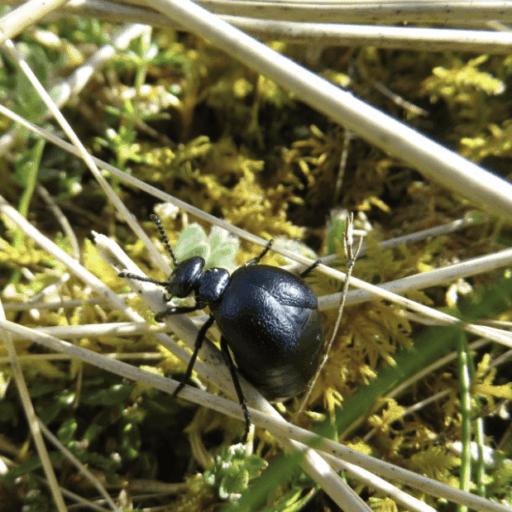
The short-necked oil beetle is back in Wales after a 60-year absence, the nation’s environment agency has revealed.
The ‘oil’ in question is a yellow-orange goo, which the insect secretes from its knees when alarmed. It’s not the beetle’s only unusual feature: its larvae piggyback on solitary bees after hatching, then squat in their nests where they feast on pollen until adulthood.
The species depends on a specific habitat to thrive – bare earth for egg laying, thick vegetation for shelter and dense flower cover for reproduction.
Habitat loss drove the beetle to the brink of extinction during the 20th century, and isolated populations remained in a handful of locations in England and Scotland. However, surveyors revealed this week that they had found larvae at Castlemartin Range in Pembrokeshire, having spotted adults there in 2025.
“The short-necked oil beetle is an amazing creature and not only depends on a very specific habitat to survive, but the presence of solitary bees as well,” said Anna Hobb from the Bumblebee Conservation Trust. “We look forward to the continued management of the site so that this amazing species can survive now and into the future.”
Image: Suzanne Burgess / Natural Resources Wales
Main image: Irfan Fuadi
Because the world needs it
Positive News reports on the people and ideas driving progress. We believe that giving attention to solutions helps them spread.
Our journalism is independent and powered by our readers. There are no media moguls or shareholders extracting profits: your contribution funds our work to investigate what’s working, understand why, and bring those stories to a wider audience.
If you value a fuller picture of what’s happening in the world, please become a Positive News supporter today.