
A victory was won for the Amazon rainforest, a groundbreaking vaccine showed promise for skin cancer survivors, and the UK government closed a nicotine loophole, plus more good news
This week’s good news roundup

Environmentalists and climate activists have hailed the re-election of Brazilian president Luiz Inácio Lula da Silva as a victory for the Amazon rainforest and Indigenous communities.
The left-wing president, better known as Lula, defeated his far-right rival, Flávio Bolsonaro, in a dramatic comeback after trailing in the first round of voting.
The victory secures Lula a historic fourth term to deliver on his pledge of ending Amazon deforestation by 2030. New conservation measures introduced under his last presidency helped drive deforestation to an all-time low.
Lula’s win has been met with relief and renewed optimism among campaigners, although they caution that challenges remain. Luiza Rabelo, political advisor at the international NGO, Forests of the World, said it was “a beacon of hope for the Amazon and the global climate.
“Now, this victory must be translated into concrete protection for the forests and the people on the front lines defending them,” she added.
Greenpeace Brazil said Lula’s re-election was “important for the whole world,” but warned that strong right-wing influence in Brazil’s National Congress continued to threaten environmental protections.
Meanwhile, Anders Haug Larsen, director of international advocacy at Rainforest Foundation Norway called on Lula’s international allies to back his Amazon mission: “Hope is a scarce commodity these days. The international community must grasp this opportunity to strengthen efforts towards zero deforestation in the Amazon. Lula’s government is facing a more hostile Congress than previously, making international support even more crucial.”
Image: Ildo Frazao

One of the world’s most iconic shopping streets took a bold step towards a greener, more people-friendly future this week as part of ‘transformational’ plans to attract more visitors, create jobs and boost growth in the UK capital.
Vehicles, bicycles and scooters are now banned from almost a kilometre (0.6 miles) of London’s Oxford Street. Further measures planned for 2027 include tree planting, new seating and two public squares.
“It is a truly momentous occasion for the capital,” said London Mayor, Sadiq Khan. “There has been talk of pedestrianising Oxford Street for decades. After so many false dawns, and now working with a government who share the scale of my ambition, I’m proud that we’re finally unlocking a new era for the street.”
Oxford Street is home to flagship stores including John Lewis and Selfridges, but its fortunes have waned in recent decades, as the rise of out-of-town shopping and online retail has coincided with declining footfall and spending.
An impact assessment suggests pedestrianisation will add £82m to the local economy while supporting 700 new jobs. The changes were broadly welcomed by shoppers this week, although the move has not been without controversy. Some businesses fear that disruption could lead to shop closures, while taxi drivers have warned of traffic chaos.
Nonetheless, for the 214,000 Londoners living with sight loss, the move should make one of the capital’s busiest streets easier to navigate. “We are delighted that the vision for this iconic location to be a more accessible space is becoming a reality,” commented Guide Dogs head of policy, public affairs and campaigns, Eleanor Briggs.
Image: Courtesy Transport for London

Cheap or interest-free loans are now available to UK households for green energy upgrades such as heat pumps, solar panels and battery storage, the government announced this week.
Installing all three can save up to £550 a year on energy bills, plus another £300 on a time-of-use tariff, the government says. Loans of up to £35,000 are available from an initial 10 lenders, with some offering 30-year repayment terms.
The loans complement the existing Boiler Upgrade Scheme (BUS), which provides grants of up to £9,000 to homeowners replacing fossil fuel-powered heating with a heat pump.
Carl Hogg, managing director of services at energy supplier, Good Energy, said the scheme addressed one of the main barriers to installing solar: the upfront cost. “Being able to spread that investment with finance changes the equation” he commented.
The announcement comes as a new study highlights the impact of financial incentives on driving the green transition. Research by the Grantham Research Institute on Climate Change and the Environment (GRICCE) and the London School of Economics found that October 2023’s increase in BUS grants for heat pumps boosted new installations by 24% a month.
“The evidence is clear: increased grants for heat pumps are effective,” said GRICCE assistant professor, Aurélien Saussay.
Image: Nancy Pauwels
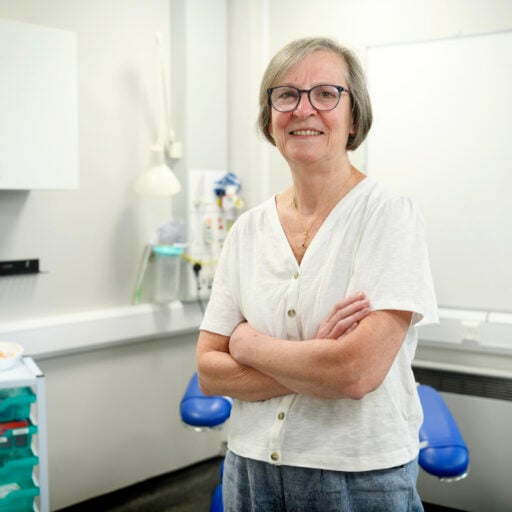
A groundbreaking ‘personalised’ vaccine has almost halved the risk of skin cancer returning in a major clinical trial. The vaccine, called Intismeran, has been developed by drug manufacturers Moderna and MSD – known as Merck in the US – using the same mRNA technology as some Covid-19 jabs.
It takes genetic material from a patient’s own tumour to create a vaccine unique to them, which then trains the immune system to target cancer cells remaining after surgery. In the trial, bespoke vaccines were given to skin cancer patients alongside an existing immunotherapy drug, Keytruda. Results revealed Intismeran reduced the risk of patients dying or their skin cancer returning by 42%.
Prof Pippa Corrie, consultant medical oncologist at the UK’s Addenbrooke’s Hospital, which was involved in the trial, said the breakthrough marked a “whole new approach to cancer treatment”.
Results have yet to be peer-reviewed and the treatment will need regulatory approval before it is made available on the NHS. It’s unclear at this stage whether it will be effective for other types of cancer.
Skin cancer patient Tony Chapman was diagnosed with melanoma in 2019 but is now cancer-free after taking part in the Intismeran trial. “I’m feeling positive, I’m feeling well and I’m making the most of what life has to offer,” he said.
Image: Prof Pippa Corrie. Credit: Cambridge University Hospitals NHS Foundation Trust
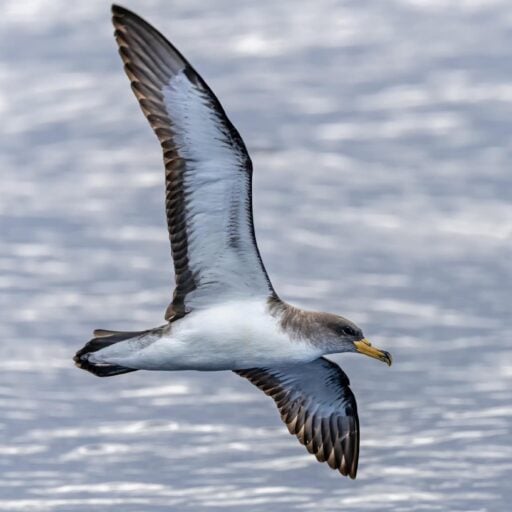
The Portuguese island of Corvo switched off its lights this week – not to save energy, but to help fledgling seabirds’ star-powered navigation.
The Azores archipelago in the Atlantic ocean is home to the world’s largest population of Cory’s shearwaters. Corvo, the smallest island in the group, is shared by just 450 people and around 6,000 nesting pairs of shearwaters. Young birds typically leave their nests over four weeks from mid-October, relying on the stars to guide them towards the ocean, but light pollution interferes with their in-built navigation systems, luring the fledglings inland where they crash.
While not endangered, around 75% of the world’s breeding population nests in the Azores. The seabirds can live up to 40 years, but raise just a single chick a year – so every fledgling lost to light pollution counts.
Since 1995, the Azores Government’s SOS Cagarro (shearwater) campaign, and SPEA (the Portuguese Society for the Study of Birds) have mobilised nightly rescue brigades across the archipelago to save stranded birds. And since 2019, communities have been turning off their lights after dark to help the birds find their way. Islanders switched off this week, a measure that SPEA says has proved effective in reducing the number of birds that become grounded or die in collisions.
They were joined by Corvo Municipal Council, which has pledged to black out the island’s streets and public buildings for almost three weeks beginning 21 October.
“There are many ways to save a Cory’s shearwater, and each person can help in their own way,” said SPEA-Azores marine conservation technician Beatriz Martins. “From turning off exterior lights, carrying a box, gloves and a towel in the car in case you find a bird, to alerting the authorities if you don’t feel comfortable handling it, or even participating in the brigades.”
Image: tane-mahuta
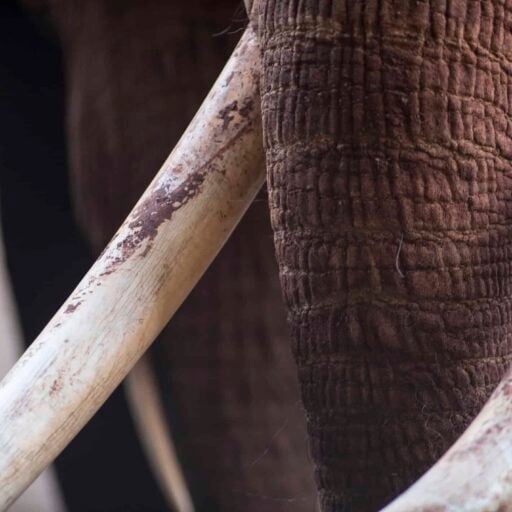
A landmark global protocol aimed at tackling environmental crime is in the works following years of lobbying by a coalition of South American and African nations.
Members of UNTOC, the United Nations Convention against Transnational Organized Crime, greenlit a resolution to develop new measures targeting illegal mining, wildlife trafficking and other environmental crimes.
Brazil led the proposal, and its Indigenous leaders were joined by counterparts from Colombia, Ecuador and Peru in advocating for the measures. They secured more than the required two-thirds majority vote, with 83 UNTOC members in favour, 27 abstaining, and 12 – including the US – voting against. A committee will now work up a draft protocol to present at the next biennial UNTOC gathering in 2028.
Mark Jones, head of policy at UK-based charity Born Free said the move “sends a powerful message that governments recognise the scale, seriousness and interconnected nature of environmental crime.”
Alice Pasqualato, environmental crime global policy specialist at American NGO, The Wildlife Conservation Society, called it a “landmark moment in the fight against environmental crime.
“At a time when multilateralism is under unprecedented strain, governments have come together to recognise that crimes such as wildlife trafficking and illegal mining are serious forms of transnational organised crime that require a coordinated international response,” she said.
Image: nekaland

Mealtimes offer a rare chance to reconnect, but phones often spoil the moment. Now, a group of Sardinian restaurants is banning devices at the dinner table so families can focus on each other.
A string of eateries on the Italian island are taking part in a month-long pilot scheme, launching next week. Sardinia’s children’s ombudsman Anna Cau is behind the project. Dubbed A tavola senza schermi, which translates as ‘At the table without screens’, it aims to curb kids’ excessive phone use while teaching parents to manage the tech responsibly.
After stashing their gadgets in a bag, parents and children alike will have access to ‘meeting kits’, with games, activities and conversation starters for different age groups, as well as information on managing screen time developed alongside the Italian Federation of Paediatricians.
Fifteen restaurants have signed up to the pilot and it’s hoped more will pledge their support following the trial. “Even this small initiative can help families,” said Cau. “Digital technology must be well managed, and minors must be protected from the abuse of electronic devices and inappropriate content. Parents must be aware of the risks and opportunities of using technological tools.”
Image: nortonrsx
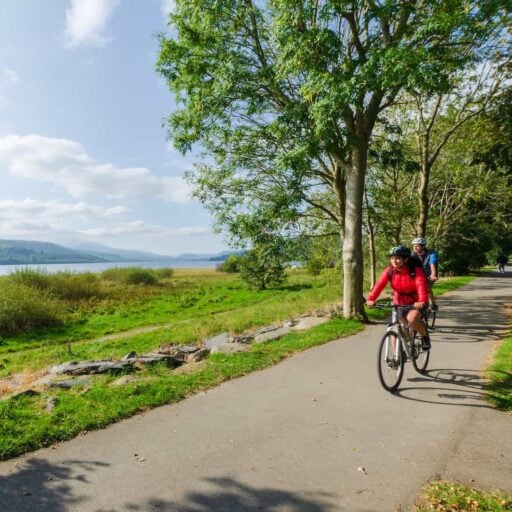
Allez, allez, allez! Cycling tourism in Wales is stepping up a gear with a £4.5m boost as the nation prepares to host a Tour de France Grand Départ in 2027. The Grand Départ is the official opening of the Tour de France, and takes place in a different location every year.
The Welsh government announced the support package this week, with 54 local initiatives, including cycling hubs, trail upgrades and e-bike charging stations, sharing a £3.19m pot.
Another £1.3m has been allocated to the government’s Croeso i Feicwyr (Welcome to Cyclists) Business Ready fund, which helps businesses and community organisations to become cycle-friendly. Projects set to benefit include a new ‘king of the mountains’ tour circuit, which takes in famous road climbs in and around Bannau Brycheiniog National Park. On Anglesey in North Wales, the Holyhead Gateway Coastal Cycling Route will make it easier to explore the island’s coastline under pedal-power.
Routes for the Grand Départ, which typically cover its first three stages, have just been announced, with the action kicking off in Edinburgh on 2 July. Riders will cross the finish line in Cardiff on 4 July. Wales’ Cabinet Minister for Enterprise, Connectivity and Energy, Adam Price, said the Grand Départ was a “once in a generation opportunity.
“We want the benefits to be felt long after the race has finished, creating a lasting tourism, sporting and economic legacy for Wales,” he said.
Image: John Longley
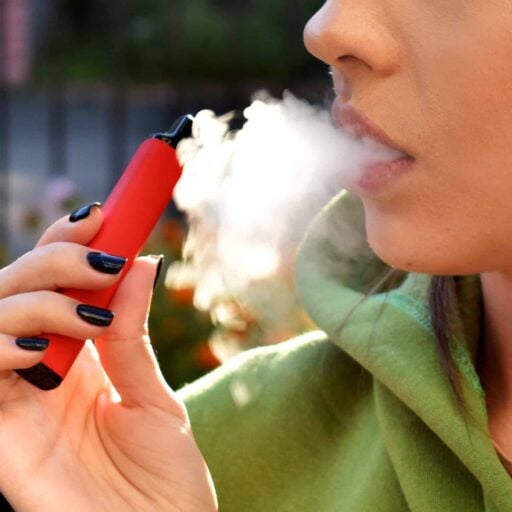
A UK-wide crackdown on sales of nicotine products to under-18s rolled out this week, as the government tightens laws on smoking and vaping.
Nicotine pouches, strips and pearls, which were not previously subject to under-18 rules, are now outlawed, alongside promotional giveaways, big discounts and vending machine sales. Nicotine-free vapes are also now banned for children.
And for the first time, adults will be committing an offence if they buy vapes or nicotine products for someone under 18. More than a million children have tried vaping, according to government estimates, with 370,000 vaping regularly, raising their risk of respiratory illness.
Public health minister Dame Diana Johnson said: “Six months to the day since the [Tobacco and Vapes] Act became law, we’re extending protections for young people and stopping businesses from cashing in on our children’s health.”
The legislation is part of phased measures to create a smoke-free generation: from January next year, it will be illegal to sell tobacco products to anyone born after 1 January 2009. The legal age of sale will increase by a year, every year. An advertising and sponsorship ban will also come into force in June.
Image: Igor Ilkov

Saunas are having a moment, and now a new study from Finland – the birthplace of the Nordic wellbeing trend – could explain why sweating it out might be good for your health.
Researchers found that just 30 minutes in a sauna, with a quick cold shower at half time, triggered an immune response, sending white blood cells surging into the bloodstream.
The cells are essential to the body’s defences, helping hunt down and fight infections. Scientists saw increases in every type of white blood cell measured, including neutrophils and lymphocytes, which help detect threats and combat harmful bacteria and viruses.
“This kind of periodic release of white blood cells into the bloodstream is beneficial, as once they leave their storage sites, they are better able to patrol the body and respond to pathogens,” said Ilkka Heinonen, a research fellow at the University of Turku.
The researchers cautioned that their work only examined one session, so it’s unclear whether saunas bring lasting immune benefits or cut the risk of illness. The response they observed was temporary; within half an hour of a sauna session, neutrophil and lymphocyte counts had returned to normal. The cold shower also means the effects can’t be attributed to heat alone.
Image: Drazen Zigic
Main image: filipefrazao
Because the world needs it
Positive News reports on the people and ideas driving progress. We believe that giving attention to solutions helps them spread.
Our journalism is independent and powered by our readers. There are no media moguls or shareholders extracting profits: your contribution funds our work to investigate what’s working, understand why, and bring those stories to a wider audience.
If you value a fuller picture of what’s happening in the world, please become a Positive News supporter today.