Off-grid stays are often marketed as digital detoxes. But at a farm in Perthshire, disconnecting is only the beginning. The real invitation is to reconnect – with landscape, history, family and the rhythms that modern life often pushes aside
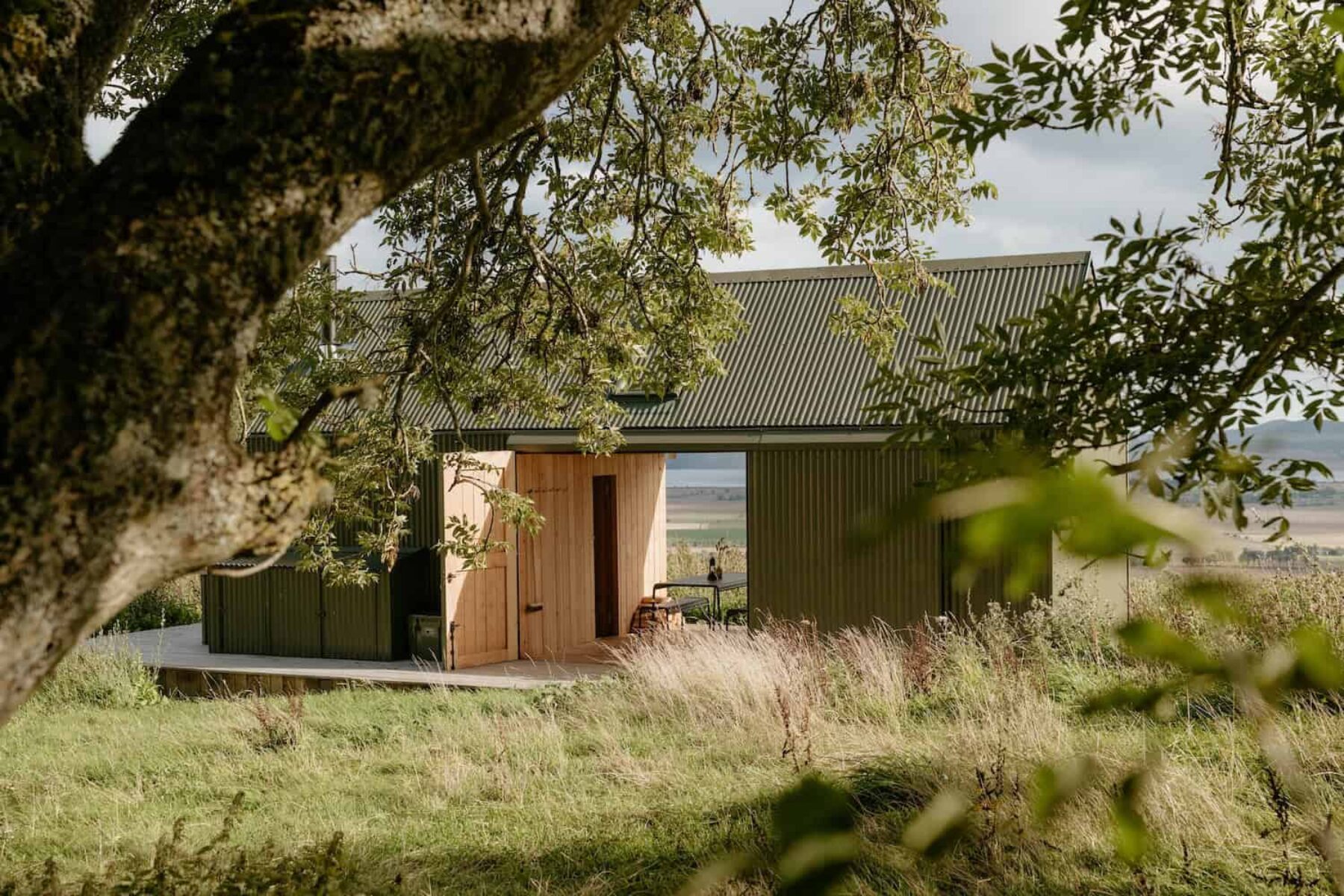
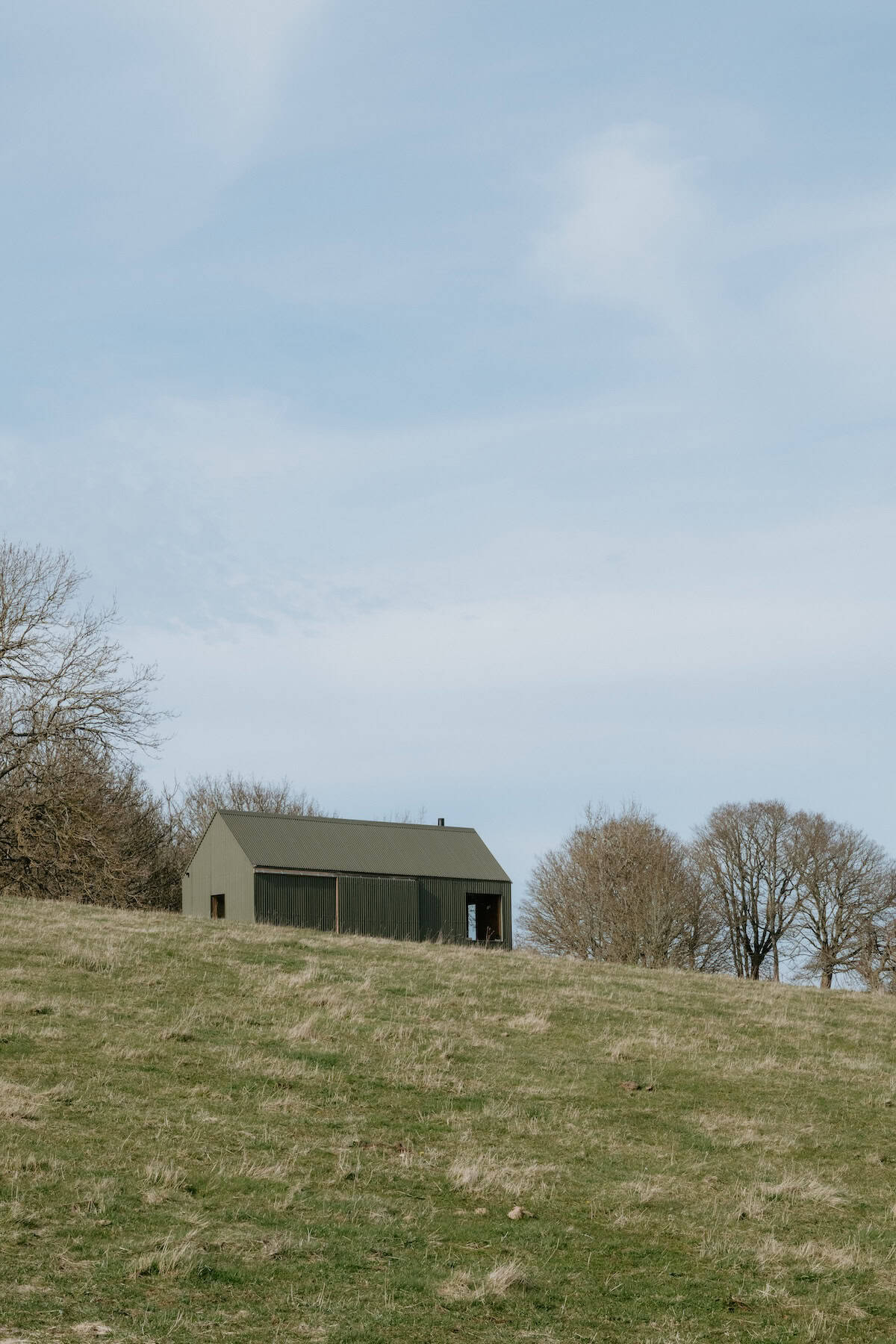
The first thing you notice about Pitmiddle Hut is not the hut itself, but the view. Perched high above Guardswell Farm in Perthshire, it looks out across a wide valley, with the surrounding hills rolling away beneath an expansive sky – cloudless and powder blue on the day we arrive. Arriving is part of the adventure: the hut is reached on foot, along a gravel path that takes you away from the working farm and up and into the landscape.
The hut is named after the neighbouring village of Pitmiddle, once one of the largest settlements in the area. The field where the hut now stands was once a pendicle: a small parcel of land traditionally allocated to each household for growing crops and keeping animals. Its remains are scattered across the hillside – intriguing reminders of a community that gradually disappeared.
For the founders, this was more than just a beautiful place to build a hut. “I guess we feel a bit hefted to this hillside,” laughs co-founder and managing director Anna Lamotte, as she pauses amid our chat to feed and cuddle her one-year-old son. The term is usually used to describe sheep with an inherited attachment to a particular area of grazing, with knowledge of its boundaries passed down through generations. “They know where they’re going, so you just open the gate and they go up the hill,” Anna explains. There is a similar sense of belonging here: not simply living and working on the land, but being deeply connected to it.
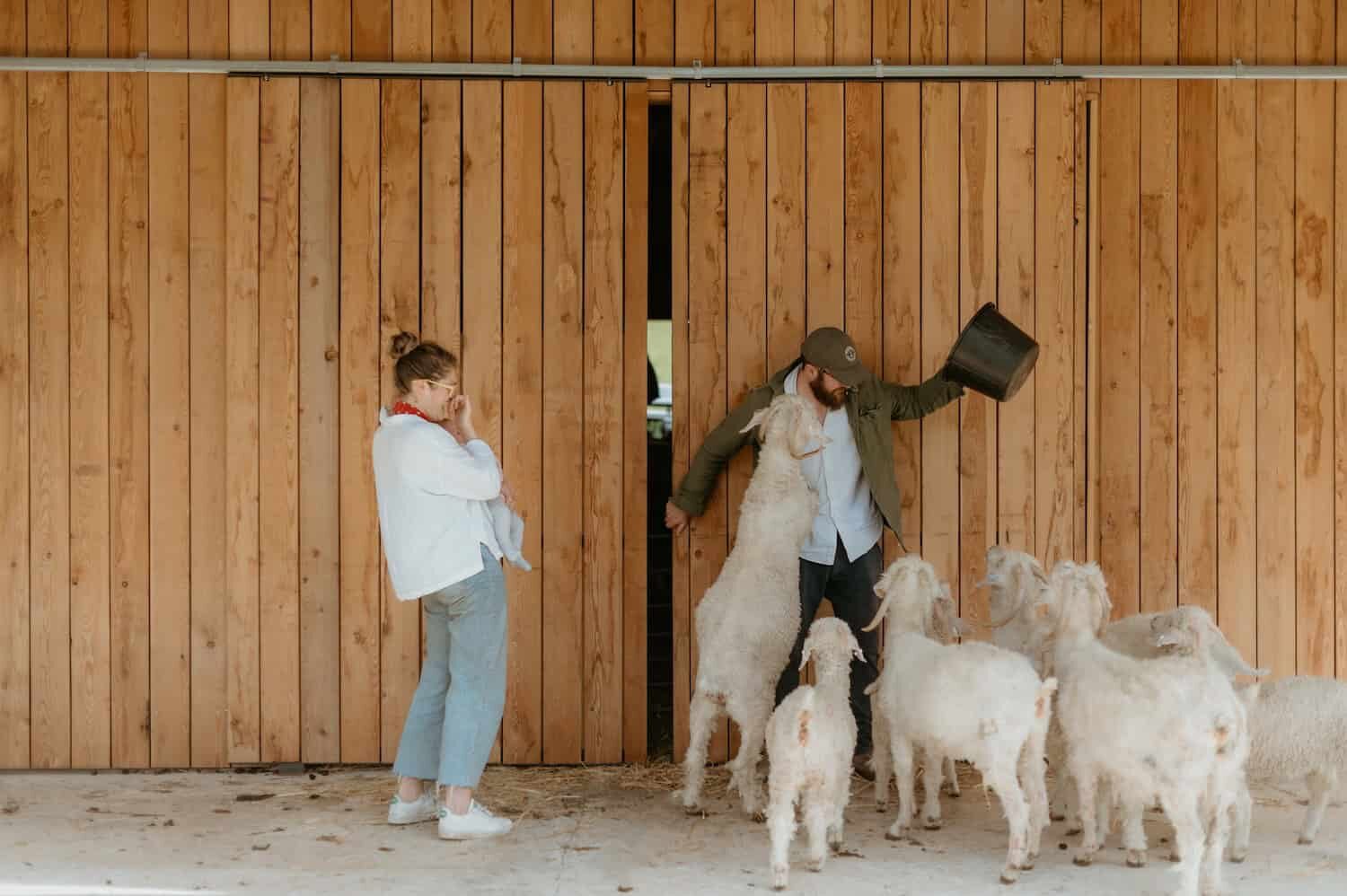
Anna and Digby Lamotte with some of their Angora goats. Image: Claire Fleck
Both Anna and her husband, Digby, have roots in the area, though in different ways. Digby grew up on a nearby farm; Anna moved around before her parents settled near Bridge of Earn when she was about 10.
The history beneath our feet adds a unique and rich layer to the experience of staying at Pitmiddle. Our own children, aged four and seven, need little encouragement to let their imaginations run wild at the thought of staying on the site of an abandoned village. We spot currant bushes still growing where villagers once tended their gardens, and I enjoy reading about some of the objects that were recovered from the site: pottery fragments, pieces of stained glass, old handles and tiny beads made from bone. My imagination drifts to this being a once lived-in place, not simply a picturesque hillside. Who in the past also enjoyed the sounds of swaying ash, oak and Scots pine here? Who noticed the badger set tucked into the hillside above, or the soaring red kites?
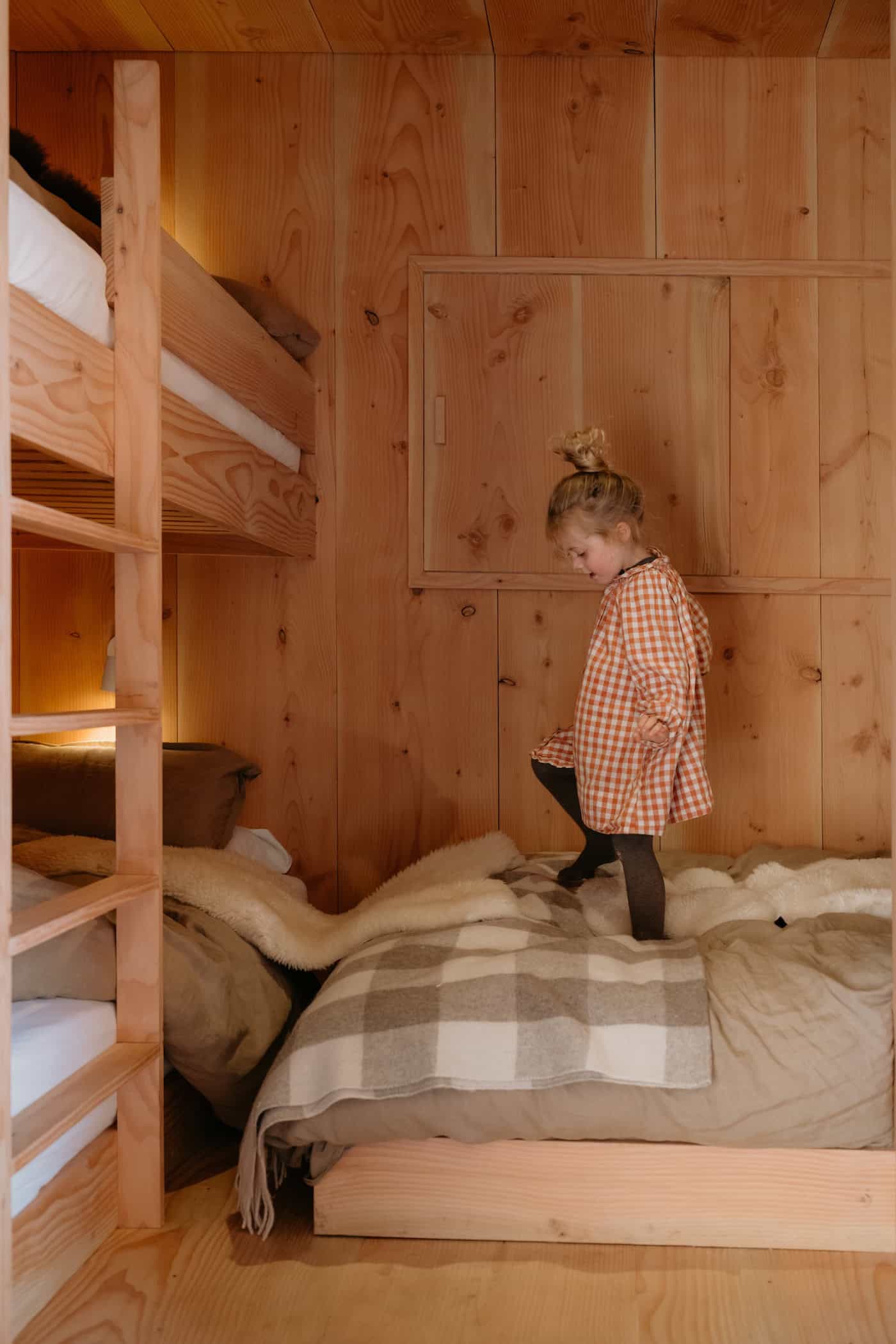
Inside, the hut offers a warm, comfortable contrast to the openness outside. Douglas fir gives the rooms a warm, resinous smell, while wool insulation helps keep the space cosy against the changeable Scottish weather. There’s a double bed and bunk beds in one room, with a kitchen and living space in the other; a king-size bed sits on a mezzanine.
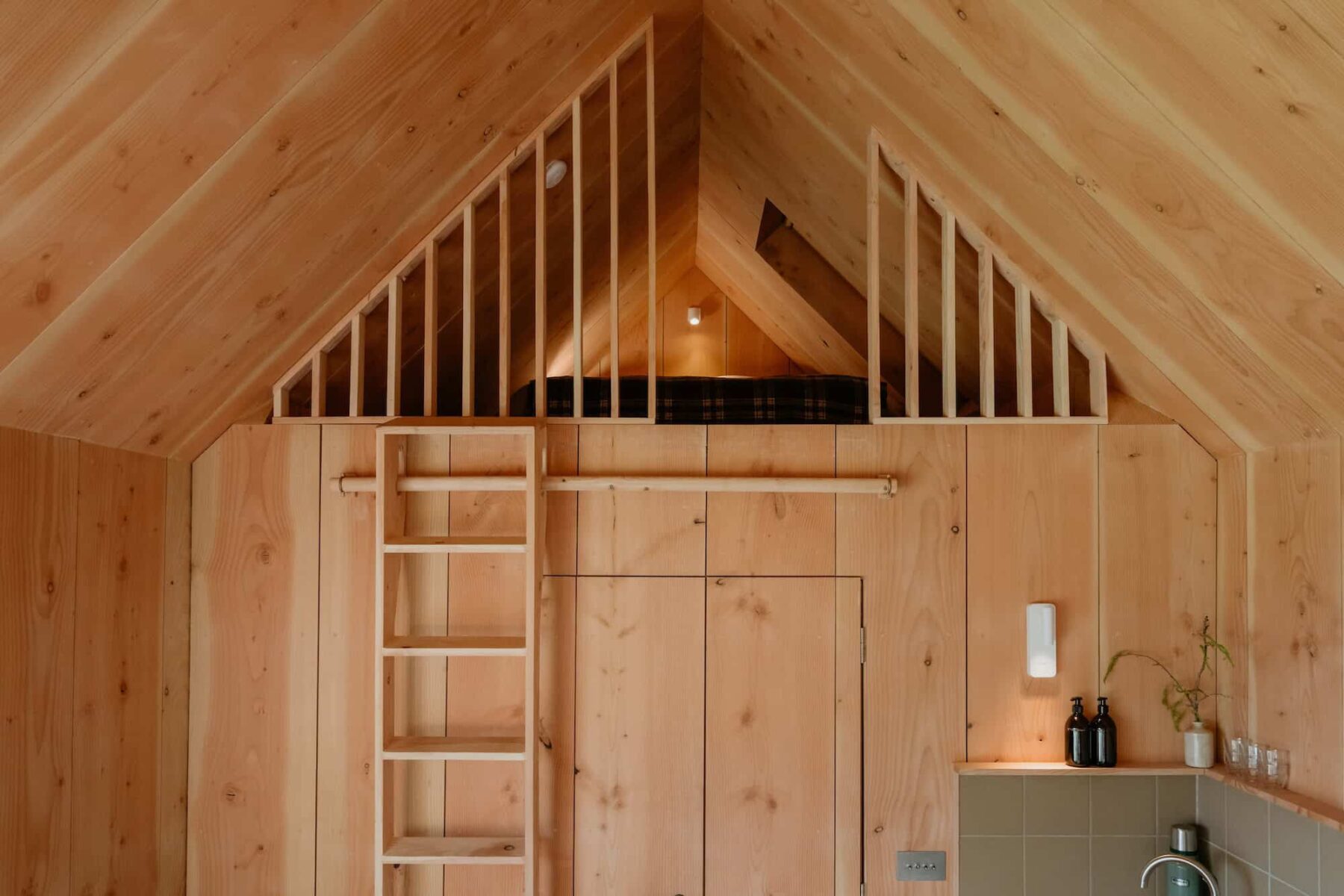
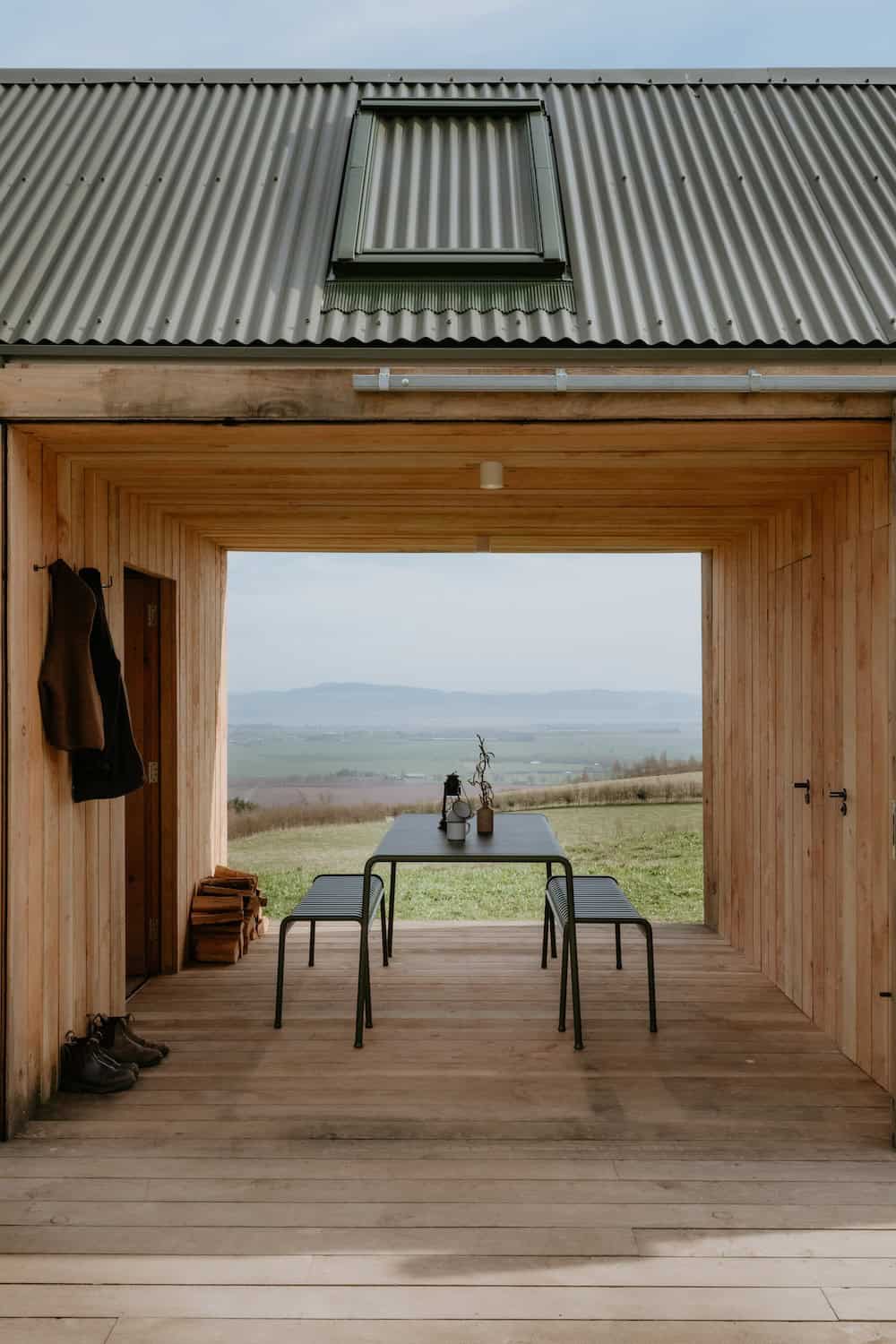
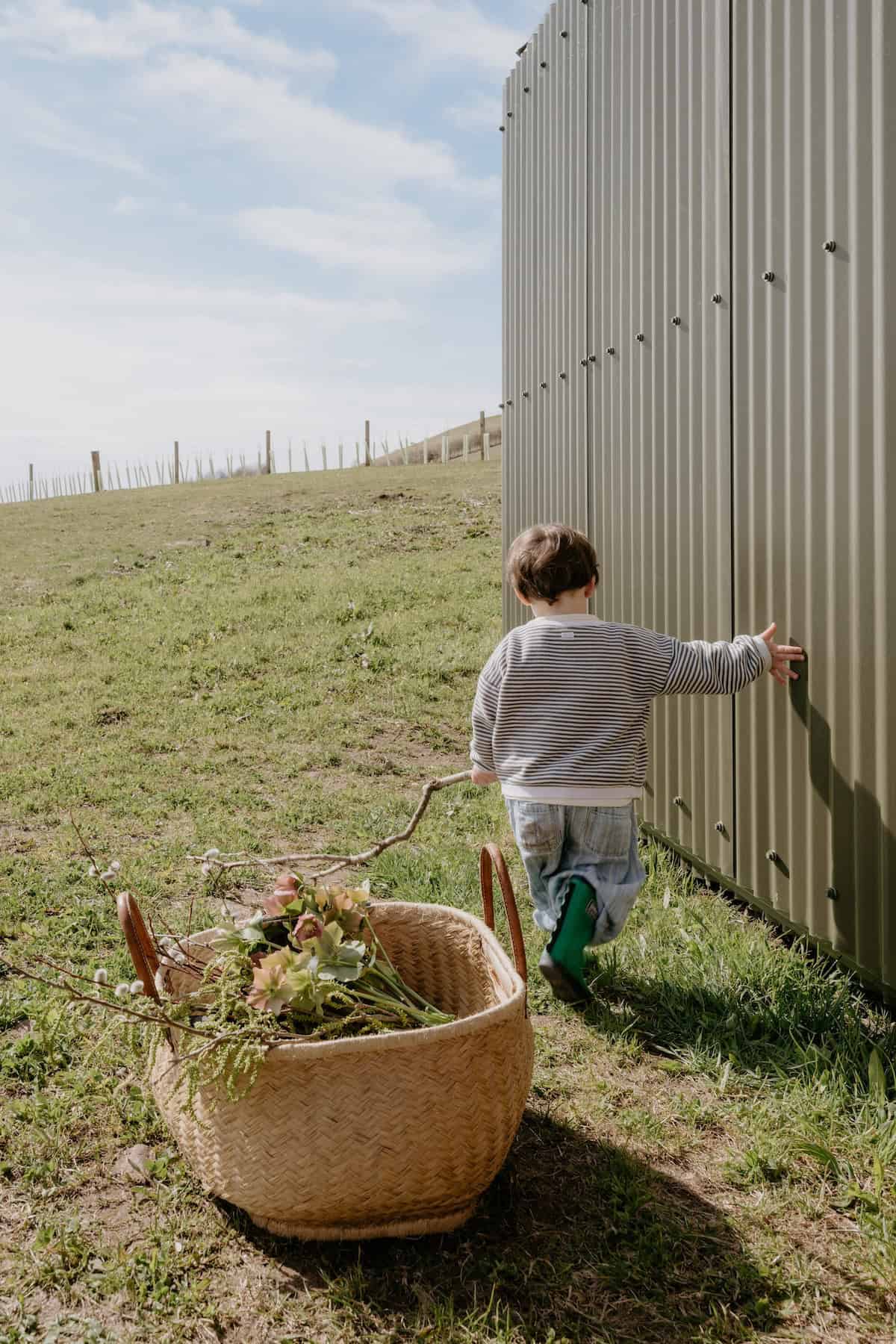
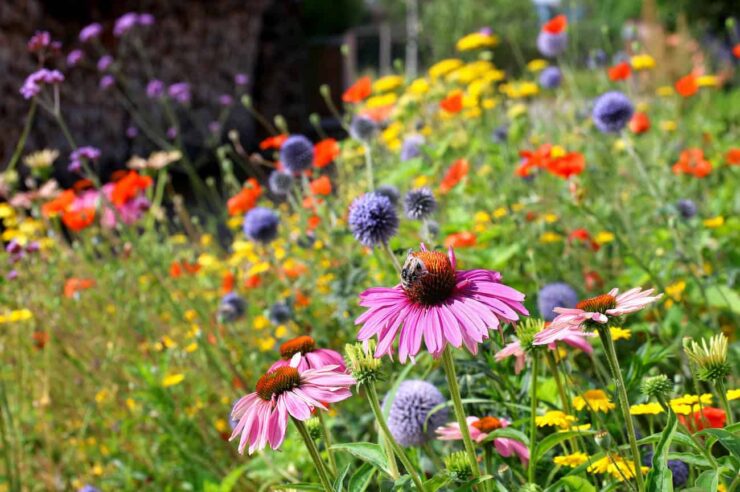
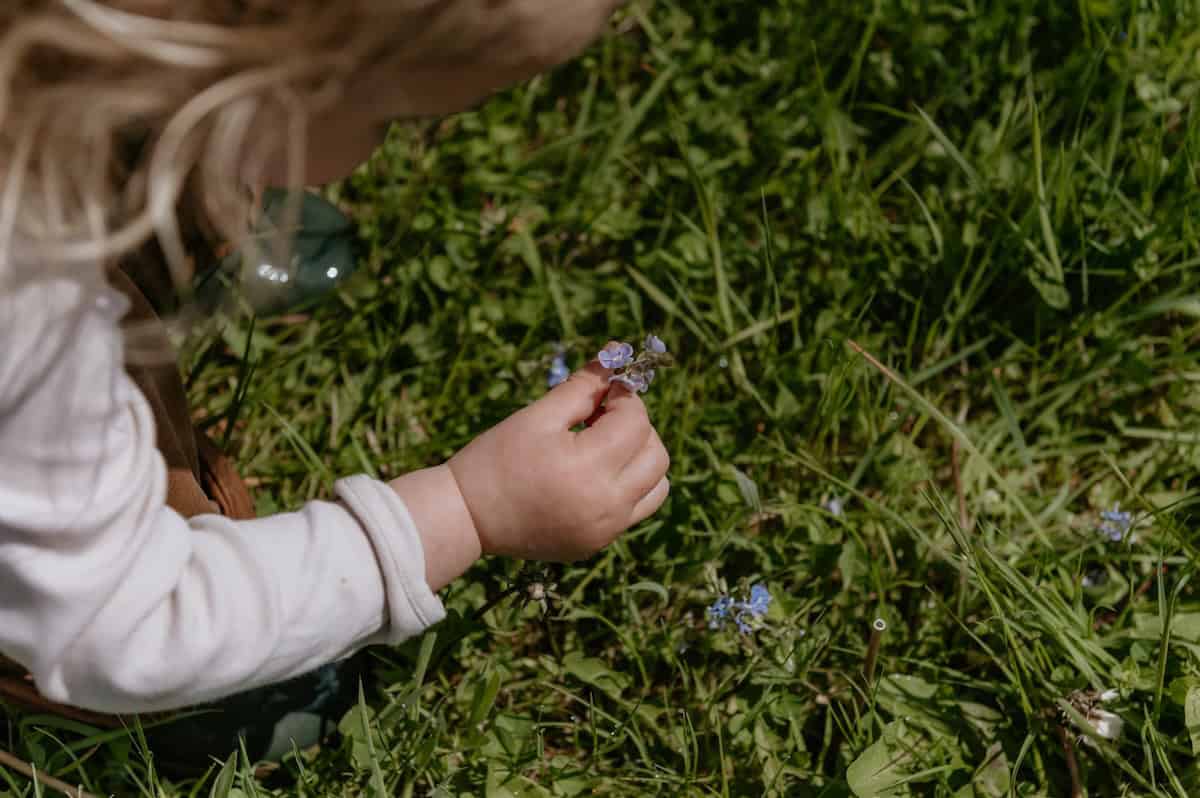
The two rooms are joined by an open space with truly epic views, which can be closed over with big sliding doors. Opening these up allows the sun to soak into the wood and us to feel even more connected with the outside. Wildflowers sway centimetres away from our feet as we read and play games, and I spot a knot grass caterpillar – a miniature punk-rock bottle brush dressed in high-contrast warning colours – on some willowy red clover.
Cooking can be done on an induction hob or wood-fired Esse, or outside on the Big Green Egg barbecue or firepit. I slow-cook some of Guardswell’s regeneratively reared Shetland beef, my thoughts straying as I chop and stir to the former villagers who might once have prepared food in a similarly unhurried way on this same hillside.
At Pitmiddle, there’s electricity, a flushing toilet and treated drinking water from a hill supply, but no connection to mains services. The idea is not to rough it, exactly, but to have what you need without bringing all the usual distractions with you. “We very consciously decided that there wouldn’t be any Wi-Fi or television: the idea was more lots of board games and chatting,” Anna explains. The aim is to encourage guests to spend time together and outside, rather than defaulting to screens.
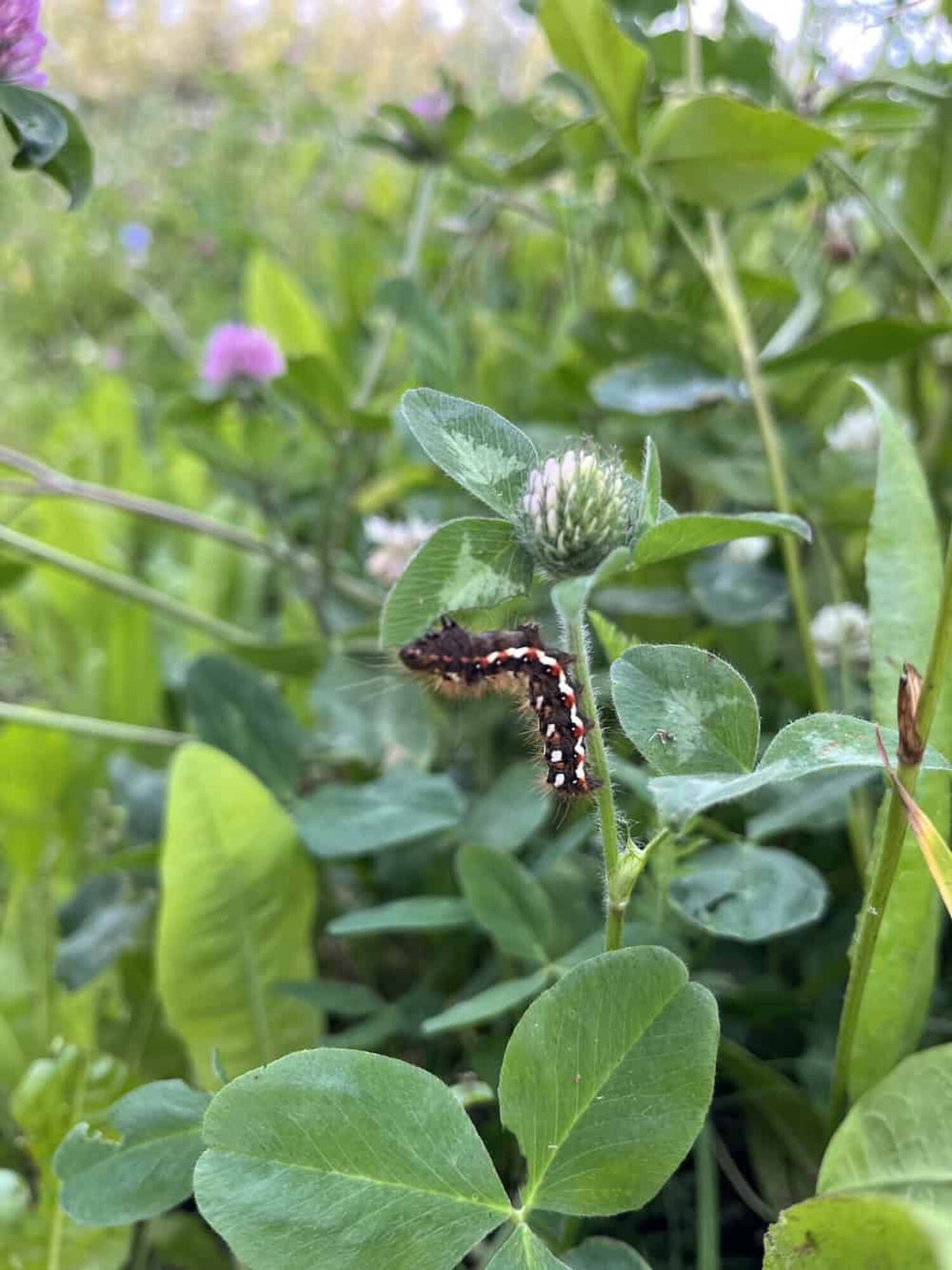
A knot grass caterpillar on some red clover near the hut's decking. Image: Lucy Purdy
There are plenty of ways to keep younger visitors occupied without reaching for a screen. An old boat has been repurposed as a rustic bothy where you can shelter, stop for a picnic or play pirates or smugglers to your heart’s content. There are two swings set within a huge, chunky frame at the top of the hill, too, while the surrounding woods and fields offer ample room to explore.
It’s all part of a considered approach to sharing the place with others, while encouraging them to make the most of what’s around them. As Anna puts it of her and husband Digby’s motivations: “Guardswell has always felt like such like a special place that we shouldn’t be keeping it for ourselves.”
They also wanted to bring together several interests: food and farming, nature-led agriculture, sustainability and children’s education. On Digby’s side, the idea began to take shape when he was in his mid-20s. After studying marine biology, he went on to the renowned Ballymaloe Cookery School in Ireland. He considered a career as a chef and even started developing an idea for a food truck. But after moving home to help care for his father, who was unwell at the time, he began to think differently about what he might do with his own family’s nearby farm.

Digby had also spent time visiting schools through his family’s herb-growing business. In some city schools, he was struck by how little children knew about where food came from, with some struggling to identify vegetables. He had a Forest School qualification and was interested in finding ways to get children outdoors, learning through play and spending time in nature.
When he came together with Anna, and they settled at her family farm of Guardswell, the result was a business that could give people access to the landscape while supporting the farm itself. The couple, now parents to two small children, are keen to inject some of the freedom they remember from their own childhoods: roaming fields, building dens and learning about plants and birds.
They began putting that philosophy into practice through outdoor children’s camps, with activities including den-building, bushcraft, bug hotels and campfire-making. On these, children were encouraged to use real tools, assess risks and follow their curiosity, with activities taking wild and wonderful turns: on one occasion, a bug hotel-building activity transformed into an impromptu investigation of some animal bones that had been found in the woods. “It was brilliant. We were like: ‘We’ll just go where this leads us!’” recalls Anna.
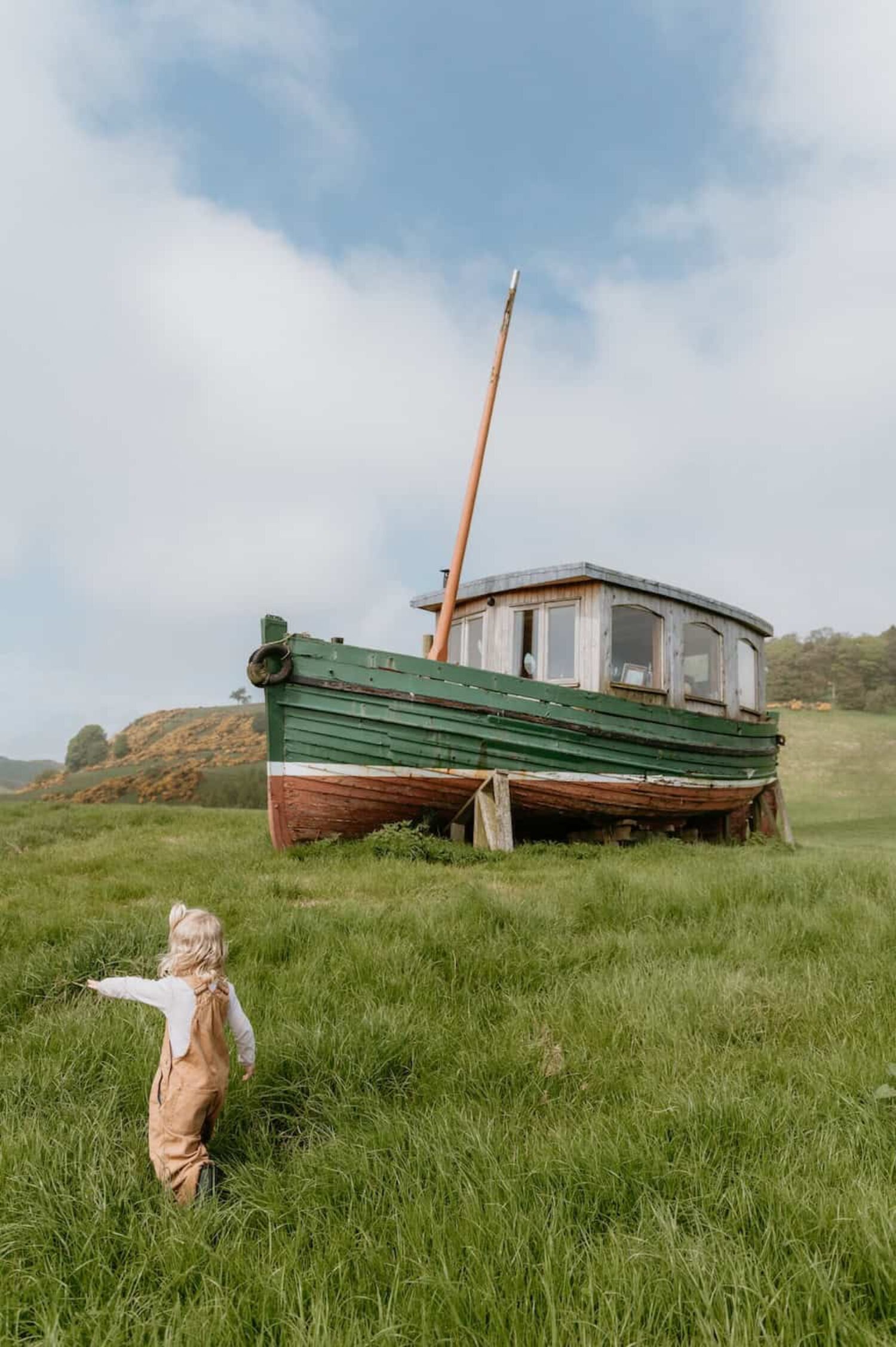
Visitors young and old can make the most of the old boat, repurposed as a rustic play space. Image: Guardswell Farm
A tree-planting day with the Woodland Trust brought around 400 schoolchildren to the farm, while work with the Royal Highland Education Trust has helped to introduce pupils to farming and food production.
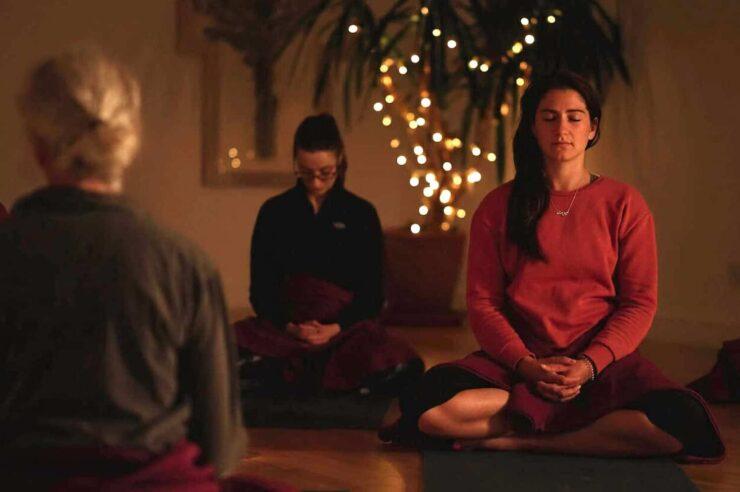
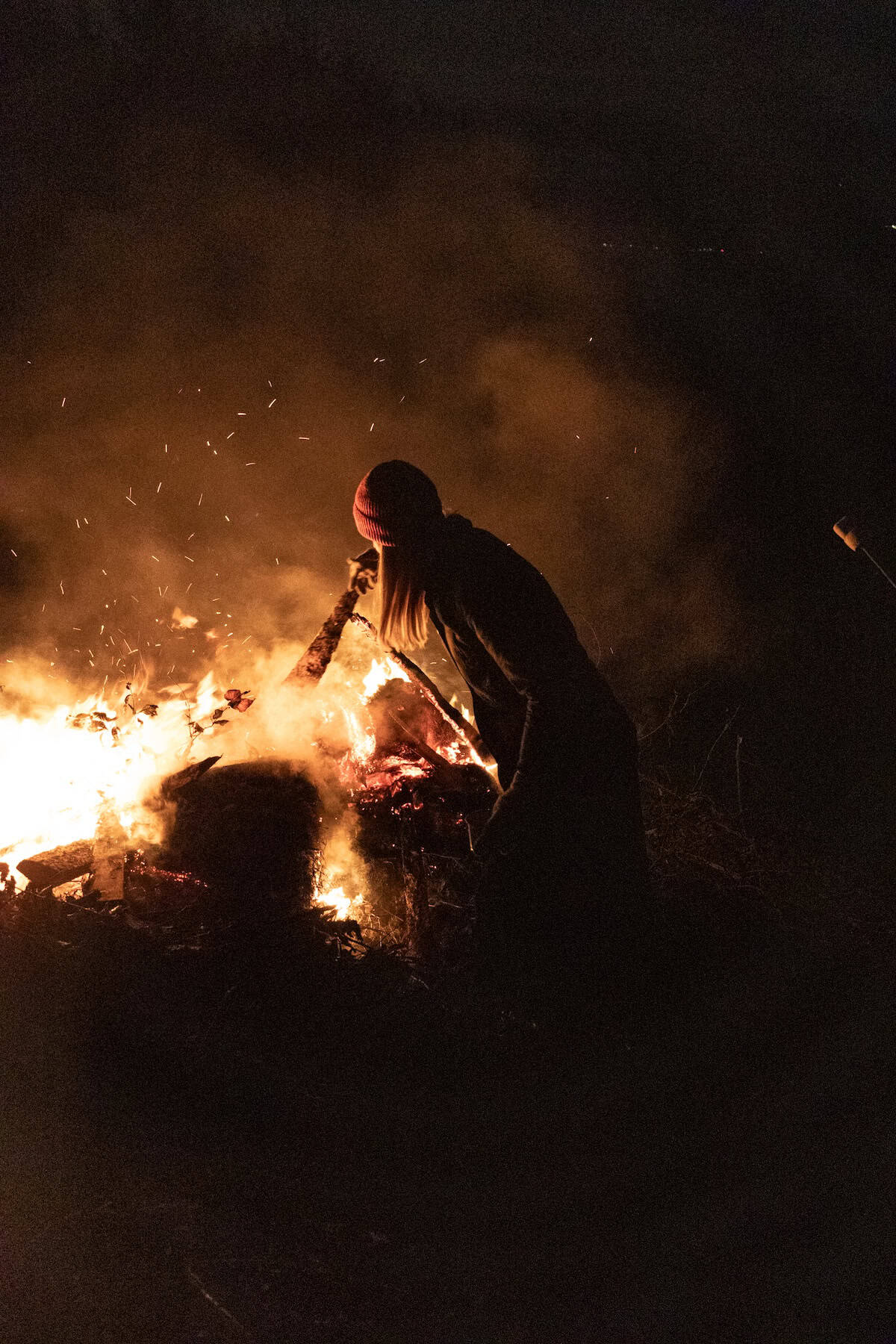
And now, there’s a similar spirit behind the seasonal retreats the farm has been developing more recently. Kindling, for example which took place last weekend (13-16 November), was conceived as an autumn family retreat, with restorative yoga, seasonal craft workshops, firepits and nourishing breakfasts. The programme is deliberately gentle: much less about packing the days with activities than giving families the time and space to enjoy the change of season together.
A slower way to spend time together
It is an approach that feels particularly suited to Pitmiddle Hut. The founders envisage it as a place for families to come together, where children might learn to light a fire or whittle a stick, and where time outside can be as important as what happens indoors. The hope is that guests will explore the farm and its surroundings rather than treat the hut as somewhere to sleep between days out.
The hut itself was designed with the history of the site in mind. When the founders first submitted their plans, an archaeological team from Perth and Kinross council visited to check that the building wouldn’t cover the footprints of old houses. One suggestion was to recreate a traditional stone bothy with a thatched roof. Instead, the founders were drawn to the contrast between the abandoned village and a contemporary building: one with a similar footprint and sleeping capacity, but using modern materials and technology to provide comfort without mains connections.
We very consciously decided that there wouldn’t be any Wi-Fi or television: the idea was more lots of board games and chatting
As Digby reflects, it is “the juxtaposition between what we’ve built and what was there”. The village may have disappeared, but the remains offer a way to imagine how people once lived here. The landscape itself would have looked different, too: fields were smaller, with more hedges and trees dividing them.
That connection to the land also informs the founders’ plans for the future. They want to improve the diversity of the grassland, build up more healthy top soil, increase the land’s capacity to hold water and sequester carbon, and create more shade and habitat through tree planting and agroforestry. The aim is to make the farm more resilient to a changing climate, while providing havens for wildlife, they explain. “Making sure that it’s a place for wildlife but also for our children in the future – somewhere that’s not going to become a barren landscape. For us they kind of go hand in hand,” explains Anna.
There is a practical case for the visitor business, too. A farm of around 200 acres is difficult to make financially viable through agriculture alone, Digby points out. Tourism provides another source of income, supports local suppliers and helps sustain around 10 jobs across the business. The ambition is to make the farm viable for the next generation, rather than simply extract as much value from it as possible.
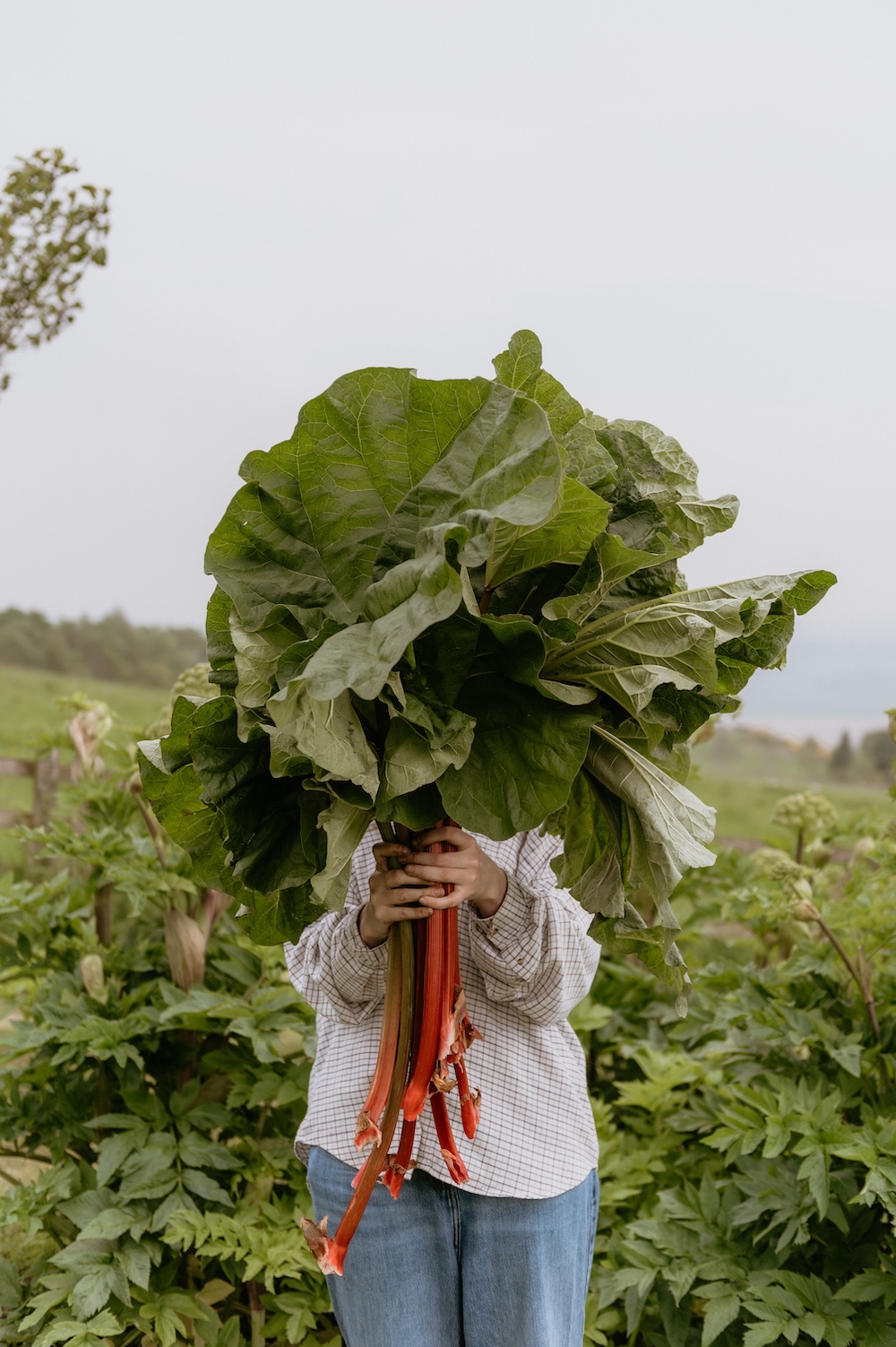
The founders would also like guests to be able to make more of what the farm and surrounding area offer. “Ideally, we’d like to make it that you can come and spend a week here as a family and not be bored,” Digby says. Plans include producing more food on site – offered alongside ingredients from local suppliers – as well as running interactive farm tours, nature trails and opportunities to get to know the animals.
There are limits to how much they want to grow, though. “We don’t want to build another 10 huts,” Digby says. “We want it to be real.” The challenge is to offer more for guests while keeping the personal, grounded character that made the idea appealing in the first place.
And there is always the farm’s cast of characters to keep things lively. Jimmy the goat has developed a reputation as an escapologist, with a knack for finding his way under gates – the ‘jimmy shimmy’ as my children happily try to mimic, giggling, getting immediately covered in dust.
For me, the appeal of Pitmiddle Hut is not that it takes you somewhere far removed from everyday life. It is that it encourages you to pay closer attention to the place you are in: the history underfoot, the weather moving across the hills, the food on the table and the people you are sharing it with.
Most holidays are about getting somewhere else. At Guardswell, the hope is that you might discover the pleasure of being here.
The author was a guest of Guardswell Farm. To find out more visit www.guardswell.co.uk
Be part of the solution
At Positive News, we’re not chasing clicks or profits for media moguls – we’re here to serve you and have a positive social impact. We can’t do this unless enough people like you choose to support our journalism.
Give once from just £1, or join 1,800+ others who contribute an average of £3 or more per month. Together, we can build a healthier form of media – one that focuses on solutions, progress and possibilities, and empowers people to create positive change.