Conservationists say a switch from real leopard skins to synthetic furs in traditional ceremonies has helped reduce poaching and boost leopard numbers in western Zambia
Big cat conservationists in Zambia say leopard numbers are rebounding thanks in part to local communities swapping real furs for synthetic in traditional ceremonies.
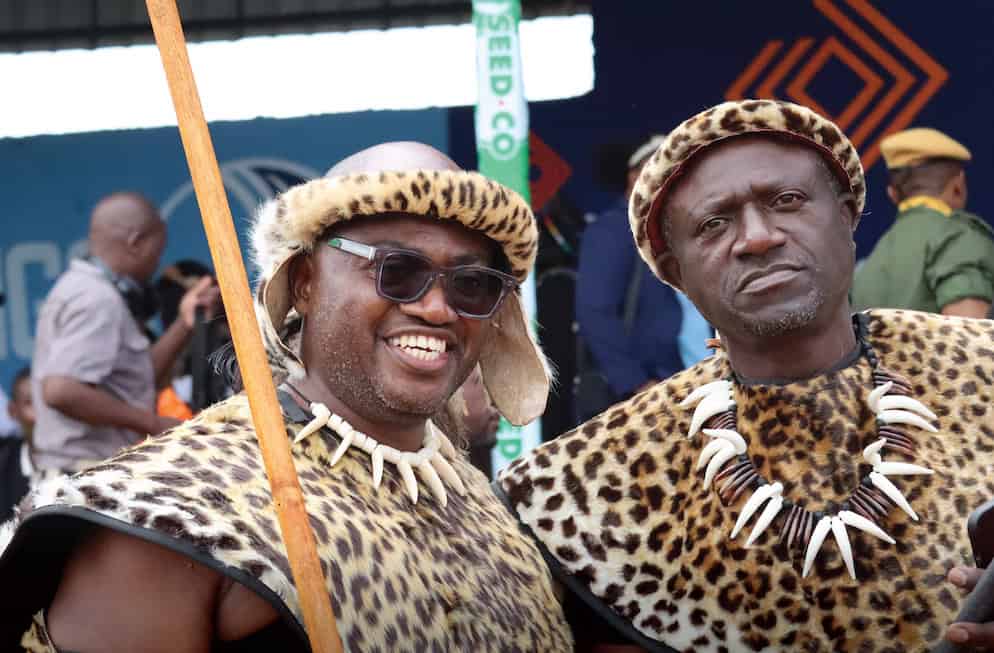
Leopards are revered by cultural and religious groups which use their prized pelts as ceremonial regalia.
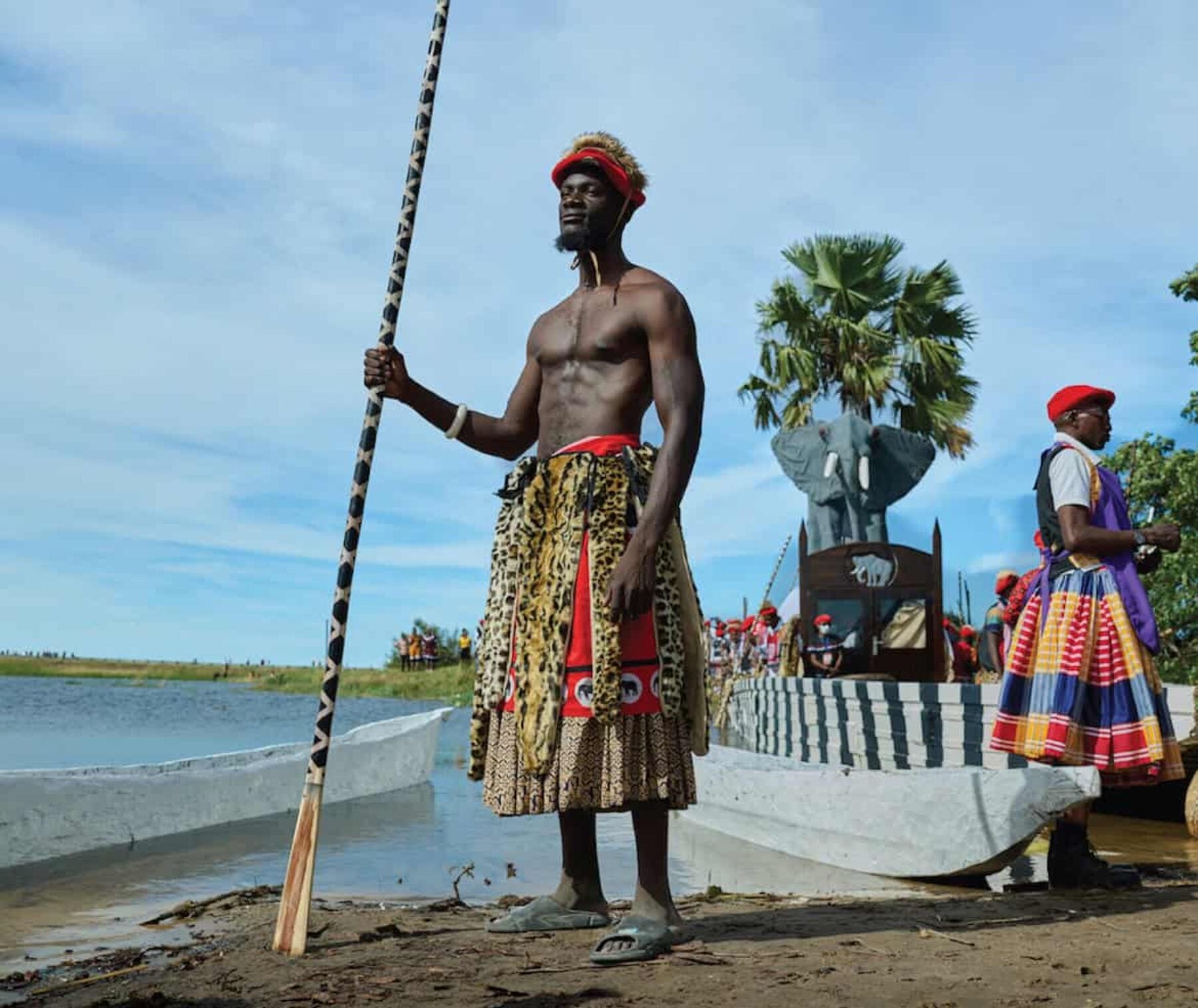
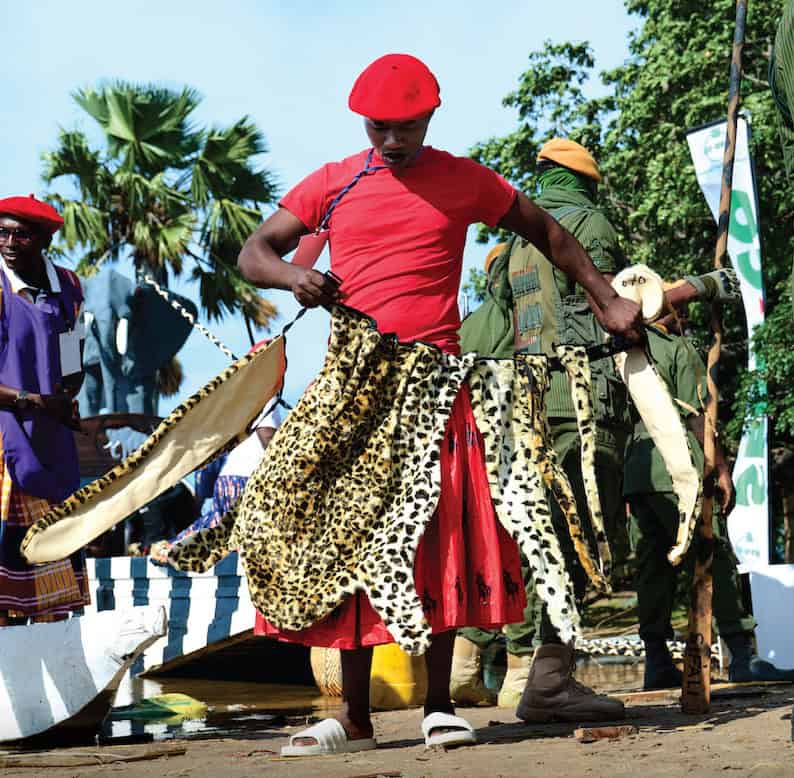
In western Zambia, during an annual event marking the onset of the flood season, 200 paddlers ferry the king of the Lozi people, the Litunga, on a barge. They wear skirts fashioned largely from leopard skins, and demand for the striking outfits is believed to have been one of the drivers of leopard poaching.

Now the tide appears to be turning following a programme led by the global wild cat conservation organisation, Panthera.
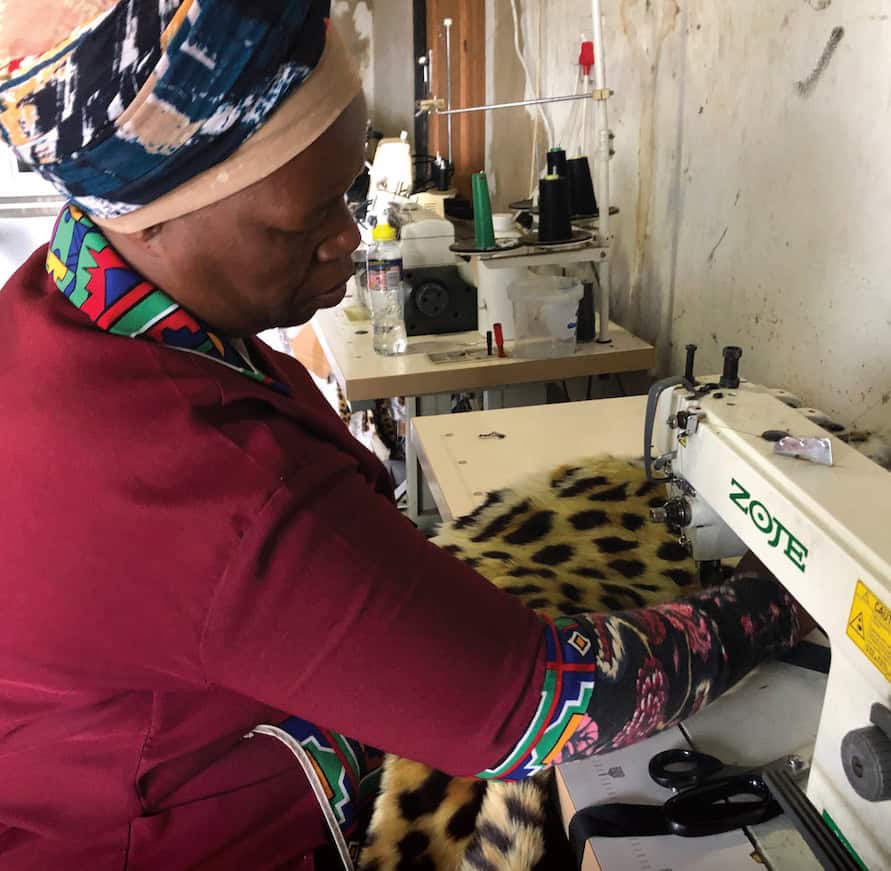
Consulting with communities, the organisation sourced quality synthetic furs, coined Heritage Furs, and secured a royal stamp of approval, with the Litunga decreeing that only Heritage Furs should be worn in official ceremonies.
The shift to Heritage Furs could save between 204 and 1,310 leopards in the region over a decade
Across southern Africa, Panthera has supplied more than 22,000 Heritage Furs, but in-depth evaluation of the initiative’s impact has been limited until now. Fresh research published in the journal Conservation Biology shows that leopard numbers in western Zambia are recovering, poaching incidents are down, and just 10% of the Litunga’s paddlers favour real furs over the alternative.
The collaborative study involving numerous organisations suggests that a shift to Heritage Furs could save between 204 and 1,310 leopards in the region over a decade, while also acknowledging the role of counter-trafficking measures and enforcement in the conservation success.
Lead author and Panthera scientist Aditya Shekhar Malgaonkar wrote: “Our results provide the first empirical link between a demand-reduction initiative based on synthetic substitutes and measurable population recovery of species.”
Main image: Panthera