A leukaemia vaccine extend lives, wild oysters made a comeback in Scotland, and ‘human’ was declared word of the year, plus more good news
This week’s good news roundup
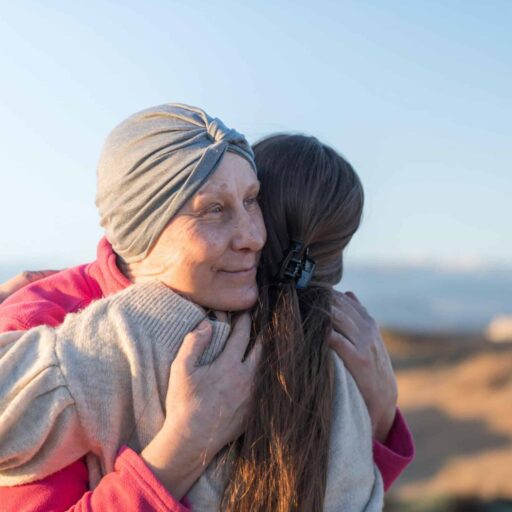
An experimental vaccine described as a “paradigm-shifting” treatment for leukaemia almost doubled the length of time patients lived for in a clinical trial, it was reported this week.
Acute myeloid leukaemia is an aggressive cancer of the blood and bone marrow. Some 144,000 people are diagnosed with it each year. Those who experience a return of the disease after going into remission currently face limited treatment options.
However, that could change with the emergence of galinpepimut-S, a vaccine that trains the immune system to attack leukaemia cells carrying a protein called WT1.
In a trial involving 126 people in remission for the disease, those who had the vaccine lived for an average of 24 months, compared to 14.7 months for those in the control group. Their risk of death fell by 41%, drug developer Sellas Life Sciences said, as it announced the results of its trial.
The data has yet to be peer-reviewed and key details were missing, such as how long any one patient lived for. However, Stellas’ MD Angelos Stergiou said he believed the vaccine could be a “paradigm-shifting option for a high-risk population that desperately needs effective therapies”.
The company plans to submit the drug for approval in the US in 2027.
Image: Araguatai Buani Campos Marti
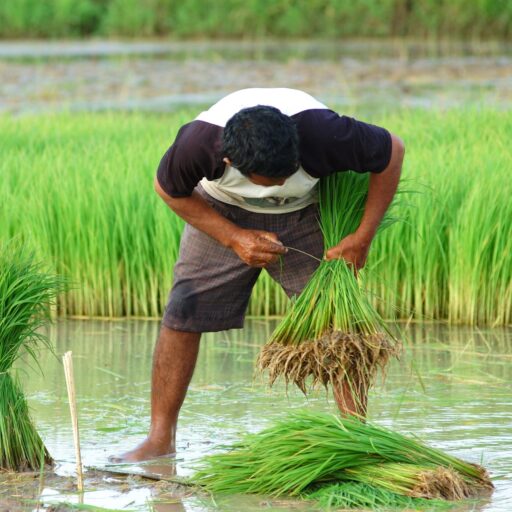
Bangladesh and India’s decision to ban a notoriously toxic pesticide will “save thousands of lives”, the World Health Organization (WHO) declared this week.
In September, the two countries announced national bans on paraquat, which is considered to be one of the most toxic agricultural chemicals. It has been linked with Parkinson’s disease and is a leading cause of death by suicide.
Bangladesh and India join more than 70 countries that have banned paraquat. The WHO described the move as a “historic public health decision”.
According to the WHO, around one in five suicides globally are attributable to the ingestion of toxic pesticides. Many of these deaths are easily preventable, it added, and occur in rural communities in the developing world.
“The regulatory actions taken by Bangladesh and India … sets an important precedent for the rest of the world,” said the WHO. “Removing acutely toxic pesticides from circulation protects agricultural workers, children, and individuals in distress, advancing brain health and preventing suicide.”
Image: Pailoolom

There’s been a “significant” reduction in the amount of two ‘forever chemicals’ found in English rivers since restrictions on their use were introduced.
That’s according to a new report from the Environment Agency. It found that, between 2016 and 2025, levels of PFOS and PFOA fell by 30% and 29% respectively in English waterways. PFOS concentrations in freshwater fish, it added, fell by 49% over the same period.
PFAS are a large group of chemicals used in a wide range of products and industrial processes. They are often called ‘forever chemicals’ because many take hundreds of years to break down. The UK government has restricted the use of some PFAS. While the report’s findings suggest this has helped reduce their presence in waterways, experts say there’s much work to be done.
“It’s brilliant to see how far we have come in the last 10 years,” said Dr David Megson, reader in chemistry and environmental forensics at Manchester Metropolitan University, England. “[But] there is a lot to do, and this report provides an essential foundation to support investigations to make the polluters pay for any damage they have caused.”
Image: Keith Rose

The world’s leading cause of infections blindness is no longer a public health problem in Eritrea, the World Health Organization (WHO) declared this week.
The North African nation becomes the 34th country globally and the 11th in Africa to defeat trachoma, which is spread via contaminated fingers or flies that have come into contact with the eyes of an infected person. Improving sanitation, accelerating diagnosis and boosting access to antibiotics are considered to be the best tools to tackle the disease.
“After two decades of determined effort, Eritrea has consigned trachoma as a public health problem to history,” said Dr Tedros Adhanom Ghebreyesus, the WHO’s director general. “This is a victory for the communities most affected by this devastating disease, and a powerful example of what sustained national commitment can achieve.”
According to the WHO, there’s been a 94% decrease in the number of people at risk of trachoma globally since 2002.
Image: PeopleImages

Just months after ousting authoritarian leader Viktor Orban in an election, the new Hungarian prime minister Peter Magyar has pledged a raft of reforms aimed at boosting women’s rights.
On Thursday, Magyar promised stronger protections for victims of abuse, said the misuse of intimate images would become a criminal offence, and pledged to ratify an international treaty to prevent violence against women.
Magyar also promised to tackle menstrual poverty, ease access to emergency contraception and remove controversial Orban-era barriers that made it harder for women to get abortions.
“We are proposing a comprehensive package of measures to curb all forms of violence against women, for the safety and dignity of Hungarian women,” he said.
The announcement follows the government’s promise in July to overhaul the country’s public service media, which stood accused of pumping out propaganda under the previous administration.
Image: Anatoliy Gleb
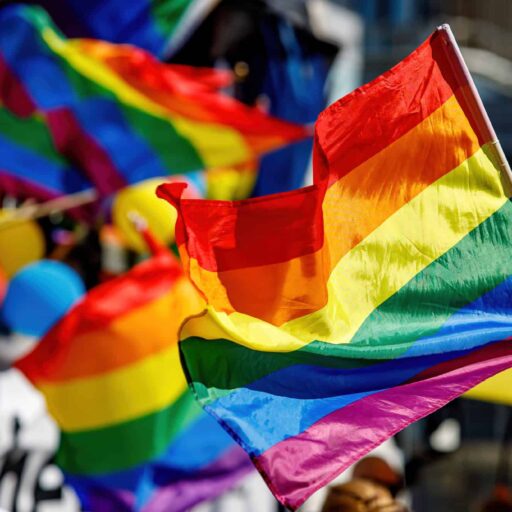
A colonial-era law prohibiting gay sex in Trinidad and Tobago has been overturned after a gay man from the country defeated the government in court.
Jason Jones launched a legal challenge against Trinidad and Tobago’s Sexual Offences Act in 2017, arguing that it breached his human rights under the constitution. The country’s High Court agreed and overturned the act, which Britain introduced during the colonial era.
But that wasn’t the end. The government and religious groups managed to partially reverse the ruling, prompting Jones to take his case to the Privy Council in London – the highest court of appeal for some Commonwealth nations, including Trinidad and Tobago.
In a landmark ruling, the court sided with Jones, bringing his near-decade-long campaign to a victorious end.
“To discriminate against somebody simply because of who they choose to love is simply ridiculous,” he told the Associated Press after the verdict.
The Human Dignity Trust said the ruling was a “powerful affirmation that laws criminalising private, consensual same-sex intimacy have no place in a society with due respect for fundamental rights and freedoms”.
Image: 9parusnikov
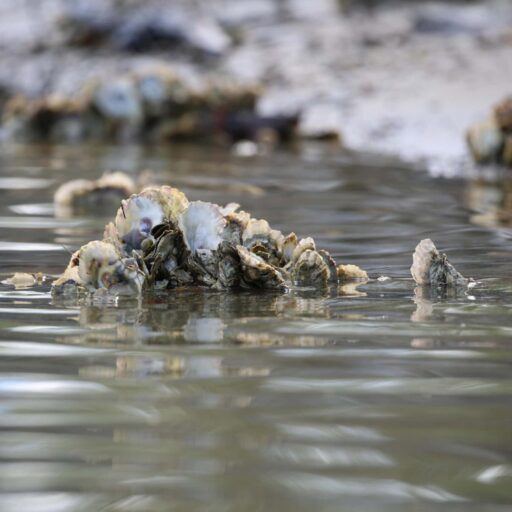
Oysters have bred in a Scottish estuary for the first time in more than a century, marking a “major milestone” for one of Europe’s first oyster restoration projects.
A project to reintroduce the mollusks to Dornoch Firth, on Scotland’s northeast coast, began in 2017 more than 100 years after they were fished to extinction. To date, more than 140,000 oysters have been released into the firth. Now, say scientists, they are breeding.
“This is a moment over 12 years and 140,000 oysters in the making,” said Prof Bill Sanderson from Heriot Watt University, Scotland, which led the project. “The oysters are now reproducing [and] we’re aiming for around four million oysters by 2031.”
The project was supported by whisky maker Glenmorangie.
“Like whisky, restoration takes time,” said the firm’s president Caspar MacRae. “Nature has started to take over, and this fledgling reef is on its way to becoming a fully biodiverse, self-sustaining ecosystem. This is a very proud moment.”
Image: Lynn Haynie Kellum

The UK is launching a major study to determine how its upcoming social media ban for under-16s impacts youth mental health.
Some 300,000 young people will take part in the research, which will examine whether the ban leads to participants spending less time on their phones, and, if so, what they do instead of scrolling.
Critics of social media bans claim there’s not enough evidence to support their effectiveness. The new study aims to plug that research gap.
The UK government announced a social media for under-16s in June, declaring that “children will be given back their childhoods”. The policy will be introduced next spring and is backed by 90% of parents, a public consultation found.
The ban will seek to prevent children from accessing platforms including Instagram, TikTok and Snapchat. However, in Australia, which was the first nation to introduce such legislation, many children have found ways around it.
The UK study will identify if and how children circumvent the ban. It’s hoped that the research will inform future online safety policies in the UK and beyond.
Image: Shutterstock

As artificial intelligence prompts more people to ask what it means to be human in the digital age, Cambridge Dictionary offered a timely reminder this week.
Declaring ‘human’ its word of the year, it gave the definition as “having the qualities, faults, and feelings that people have, as opposed to gods, animals, or machines”. That might sound obvious, but those behind the dictionary felt it necessary to reiterate as the internet is flooded with machine-generated content and concerns about the theft of human creativity by large language models grow.
Musician Nick Cave (pictured) is among those who have criticised generative AI, warning recently of the technology’s potential “to hollow out human endeavour and sever our connection to the divine”.
Dr Tom McClelland, a philosopher of science at the University of Cambridge, said: “All the rhetoric around AI is about what’s inevitably going to happen. But to young people growing up in an AI-enabled world, my advice would be that nothing is inevitable. What happens in the future of AI is up to us. It’s up to you.”
Image: Raph PH
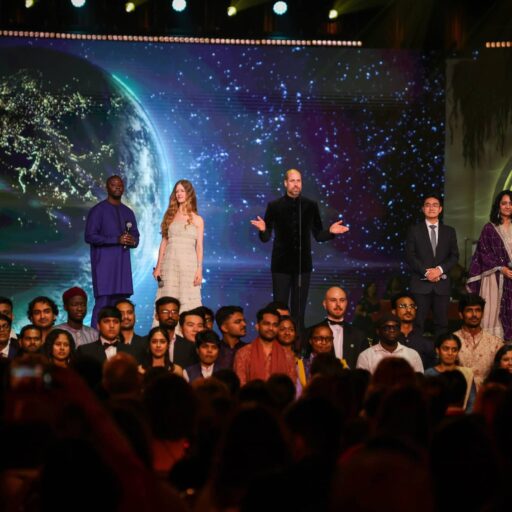
From Pacific Ocean defenders to people tackling toxic ‘forever chemicals’, the winners of this year’s Earthshot prize have been revealed.
Announced at a ceremony in Mumbai, India, the five victors range from an Indigenous-led ocean conservation initiative to a Danish offshore wind energy pioneer and a country, each demonstrating how ambitious ideas can deliver real-world change.
Founded by Prince William in 2020, the Earthshot prize recognises innovative solutions to the planet’s greatest environmental challenges, with each winner receiving £1m to help scale up their work.
“Innovators, entrepreneurs, communities and young people are proving that environmental progress and human progress can go hand in hand,” he said. “[They] are not waiting for someone else to find the answers. They are stepping forward, bringing fresh ideas and showing what is possible when optimism is matched with action.”
Read about this year’s winners here.
Image: Andrew Parsons/Kensington Palace
Main image: FatCamera
Because the world needs it
Positive News reports on the people and ideas driving progress. We believe that giving attention to solutions helps them spread.
Our journalism is independent and powered by our readers. There are no media moguls or shareholders extracting profits: your contribution funds our work to investigate what’s working, understand why, and bring those stories to a wider audience.
If you value a fuller picture of what’s happening in the world, please become a Positive News supporter today.