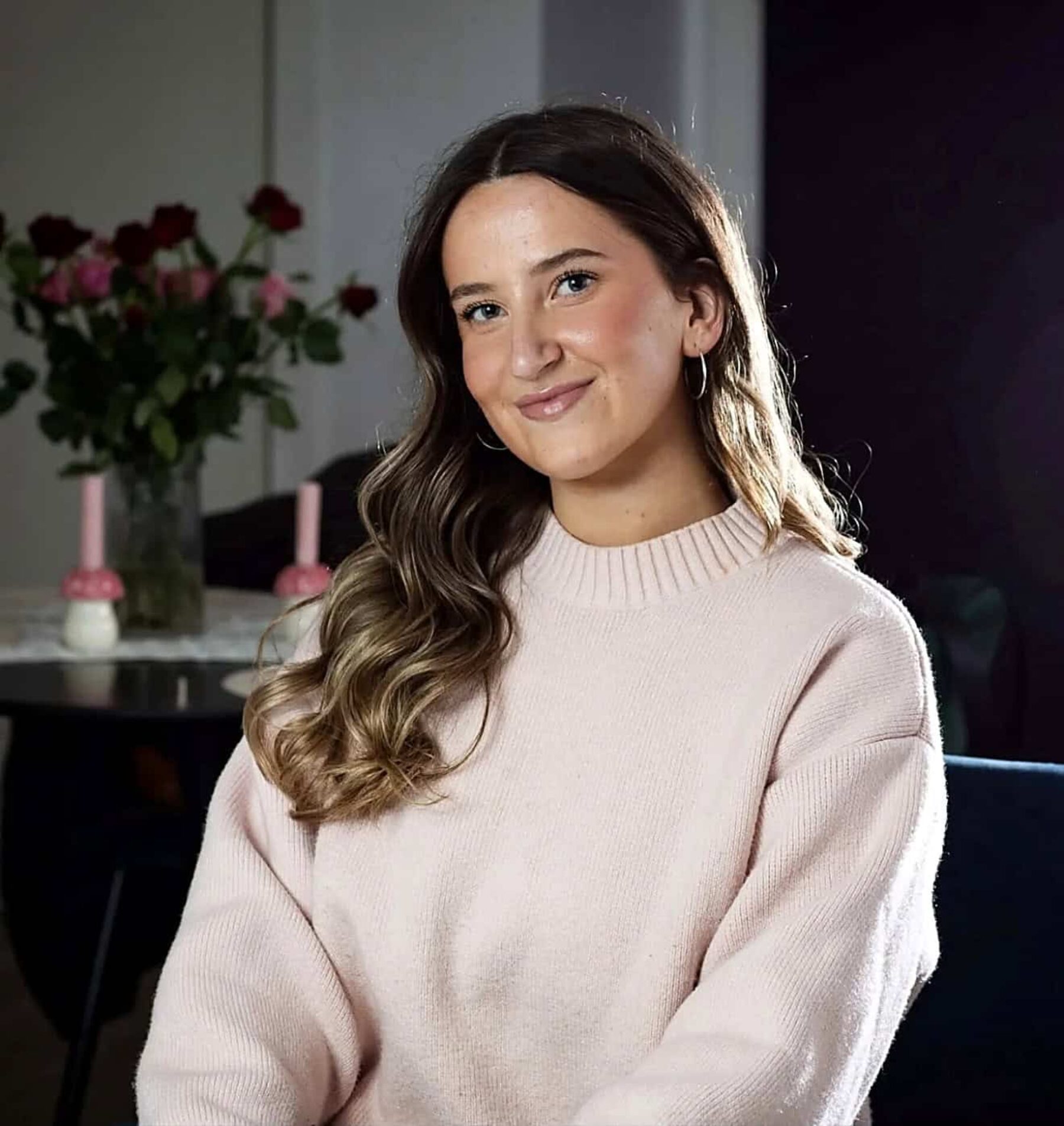
After years spent terrified of her own thoughts, Molly Lambert began talking about a little-understood form of OCD online. One viral video changed the course of her life – and helped others recognise experiences they had been too frightened to discuss.
A year ago, Molly Lambert could struggle to leave the house. Anxiety kept her awake at night, public speaking felt almost unthinkable and her own thoughts had become something she feared.
Today, the 23-year-old has spoken about obsessive-compulsive disorder (OCD) on television and podcasts, met MPs in parliament and helped create community groups for people living with the condition.
Growing up in Cheam, south London, Lambert was an anxious child who worried about being kidnapped and experienced graphic mental images she could not explain. When her dad once asked her to write down what was frightening her, she was too scared to write “kidnapping”, fearing that putting the word on paper might somehow make it happen. She wrote “burglary” instead, then spiralled over whether lying about it meant something bad would happen.
It is the earliest experience she now recognises as OCD, although neither she nor her family understood it at the time.
At 15, a passing thought at an airport about a young child being inappropriately dressed triggered a much more severe episode. Instead of letting the thought go, Lambert began questioning why she had had it, what it revealed about her and whether it meant she might be dangerous.
She analysed her reactions, monitored sensations in her body and deliberately brought disturbing thoughts back into her mind to test how they made her feel. Even catching herself laughing at a friend’s joke could cause guilt because she believed somebody she considered “evil” should not be enjoying herself.
“I didn’t trust myself at all,” she says, struggling to hold back tears. “I feared my own head; I didn’t know what was coming next or how to handle it. I was petrified to be alive.”
OCD is still commonly associated with visible rituals such as repetitive cleaning or checking, but compulsions can also happen almost entirely inside someone’s head. Lambert would repeatedly analyse thoughts, check memories and feelings and search for certainty about what they meant, with every attempt to reassure herself pulling her further into the cycle.
“It is exhausting, and eventually becomes debilitating,” she says.
She had been seriously struggling since 2019, but was not formally diagnosed with OCD and panic disorder until 2025. Having a name for what was happening helped her understand that an intrusive thought was not the same as an intention, while continually trying to prove what a thought meant could itself keep the obsession going.
Therapy is invaluable, but hearing another person describe something you thought was completely unique to you brings a different kind of relief
“There’s sadly nothing that will fix you overnight,” she says. “I can externalise it and see what it actually is now.”
The thoughts have not disappeared. Lambert still experiences fears around psychosis, dissociation and false memories, and her OCD can even make her question whether she really has the disorder despite her diagnosis. What has changed is her ability to recognise the pattern without automatically trying to solve every thought that appears.
She had started discussing mental health while studying business marketing at university in Leeds, where she presented a student radio show called Brain Fart. She later launched the podcast Intrusive and began posting about OCD on TikTok, initially to an audience of fewer than 5,000 people.
Towards the end of 2025, one video reached far beyond them. Lambert spoke about paedophilic OCD, or POCD, the theme that had caused her the greatest distress since the airport incident when she was 15.
POCD is not a separate disorder but a term used when OCD centres on intrusive fears about being or becoming sexually attracted to children. For Lambert, explaining those thoughts publicly meant talking openly about something she had spent years believing was proof that she was a terrible person.
The reaction was immediate. Some viewers thanked her for putting into words thoughts they had never dared discuss. Others accused her of being the very thing she feared, while media reports attached sensational headlines to experiences that had once made her question whether she could continue living.
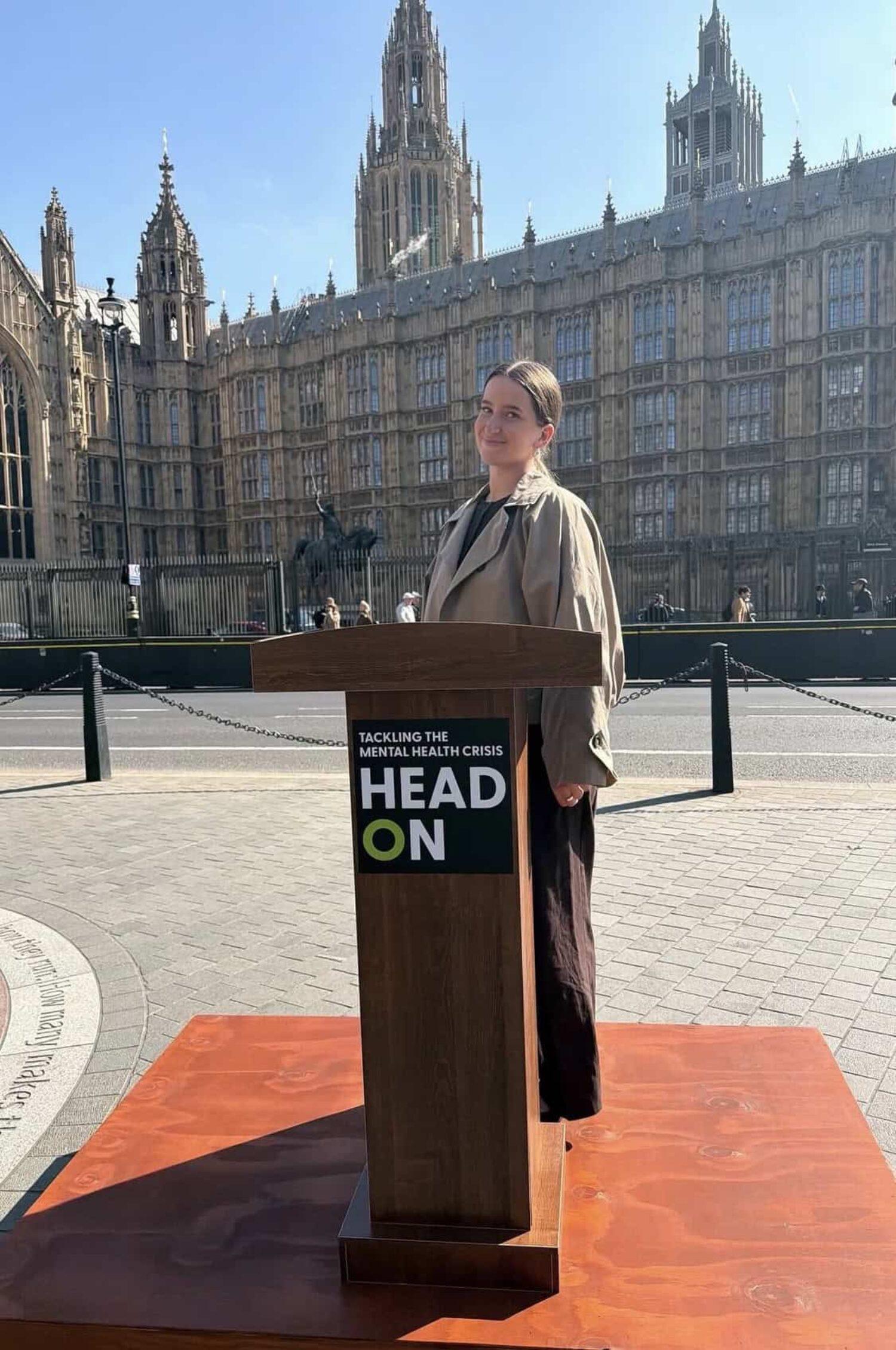
Since speaking openly about OCD, Lamber has been invited to do television appearances and speak to MPs
Her audience grew rapidly, followed by television appearances, podcasts and invitations to speak to MPs. Parents began contacting her after recognising their children’s behaviour in her videos, while others told her they had finally found language for experiences that had left them frightened and ashamed.
One student even referred to OCD “before and after Molly Lambert” in a dissertation.
“I was just posting to see if anyone understood me,” she says. “Now, knowing how many people do is comforting, but also really sad.”
The scale of the response has forced Lambert to learn where advocacy ends. People sometimes approach her expecting definitive answers about their symptoms, while she is still living with OCD herself and has to protect her own mental health.
Instead, she has helped establish community groups and events where people affected by OCD, including relatives and partners, can hear from others with lived experience and people trained in OCD support.
I am a lot braver than I thought I was
At one recent online session for families, Lambert watched parents take notes as she described experiences some had spent years trying to understand in their own children.
“It might be the most emotional thing I have done so far,” she says. “It is so wholesome yet so devastating.”
She is equally clear that lived experience is not a substitute for professional treatment. “Therapy is invaluable, but hearing another person describe something you thought was completely unique to you brings a different kind of relief.”
Lambert does not describe herself as cured, and difficult thoughts remain part of her life. What has changed is the power she gives them, along with her willingness to talk about experiences that once seemed impossible to say aloud.
“I am a lot braver than I thought I was,” she says.
The child who was once too frightened to write the word “kidnapping” on a piece of paper now discusses some of the most stigmatised manifestations of OCD in public. She started because she wanted to know whether anyone else understood what was happening inside her head, and discovered that far more people did than she had imagined.
Main image: Molly Lambert
Because the world needs it
Positive News reports on the people and ideas driving progress. We believe that giving attention to solutions helps them spread.
Our journalism is independent and powered by our readers. There are no media moguls or shareholders extracting profits: your contribution funds our work to investigate what’s working, understand why, and bring those stories to a wider audience.
If you value a fuller picture of what’s happening in the world, please become a Positive News supporter today.