In the optimistic 1990s, electronic pioneer Moby made music that became the soundtrack to a generation’s youth. Three decades on, in a more anxious and unsettled age, his latest album explains how sound brings him calm after a lifelong battle with anxiety
Regardless of which musical genre was dominating Top of the Pops that week, the 1990s were a musical gold mine. From Nirvana’s angsty grunge to the Brit-pop battle of Oasis versus Blur or even the Girl Power era of the Spice Girls, there was something to get everyone’s rocks off. But there was one artist that transcended it all, unifying metalheads and teenyboppers alike: Moby.
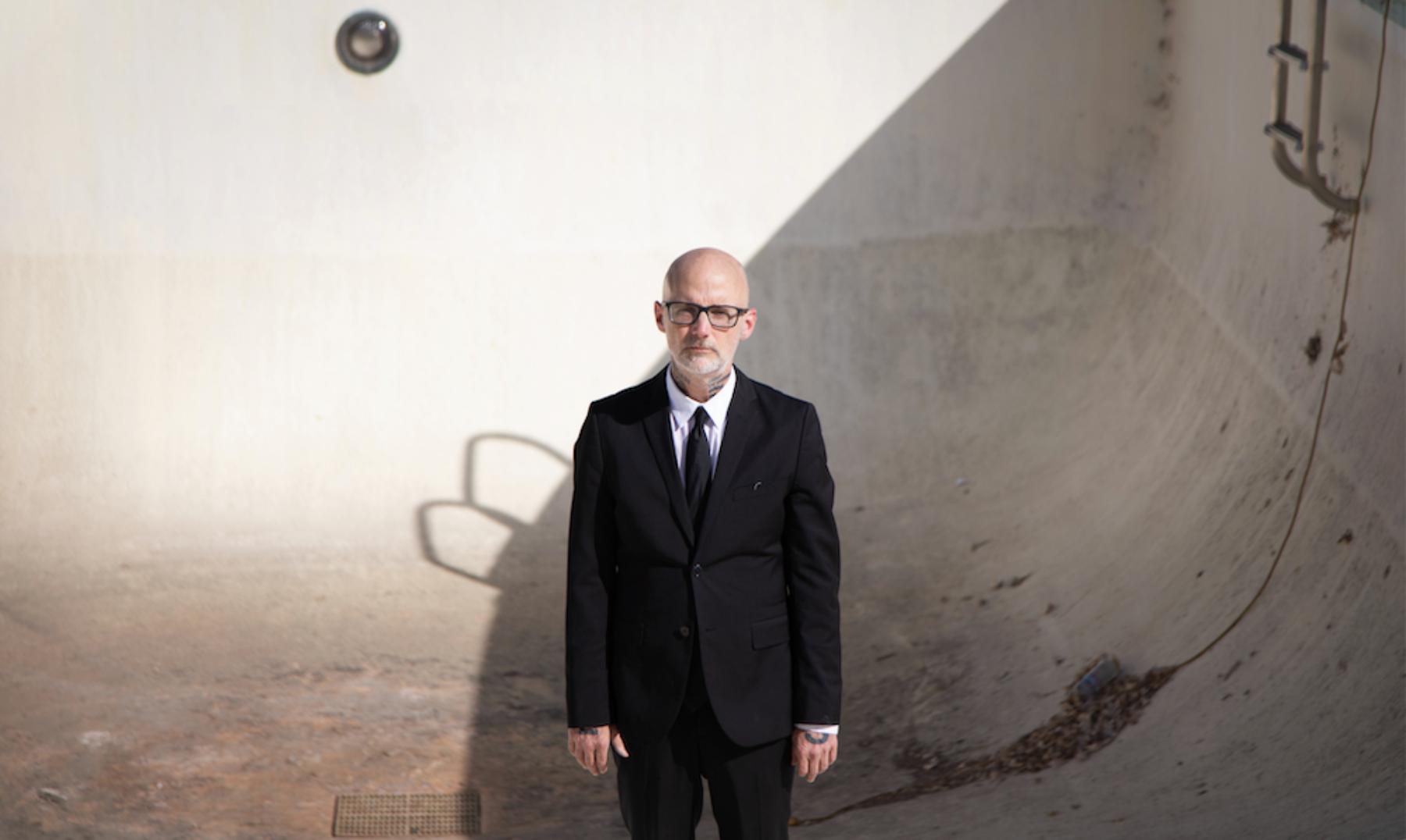
With his trademark black-rimmed glasses, shaved head and concerned look, he was not cut from the typical rock star leather jacket cloth of his peers. But tracks such as Porcelain and Why Does My Heart Feel So Bad became part of the soundtrack to the decade. His music has threaded its way through popular culture, appearing in everything from The Beach and Twin Peaks to the Bourne series and, more recently, Stranger Things.
The artist is almost as well known for his activism as for his music. A vegan since before it was fashionable, he has large tattoos down his forearms reading: ANIMAL RIGHTS. He traces that commitment back to childhood, when his struggling single mother regularly took in stray animals that became companions to a shy young Moby.

Unlike many rock stars who come across as naturally outgoing, brash and fame-hungry, Moby is known as the polar opposite: quiet, nervous and anxious. His anxiety, he tells me, comes from many different places.
“It’s informed by heredity, it’s informed by epigenetics and personal experience, but it’s also just informed by the human condition,” he says.“It’s informed by the world in which we live. Unless you move to a really well-appointed cave, even if you’re the most well-adapted person, I don’t know how anyone can look at the modern world and not be dismayed.”
With eco-anxiety and mental health concerns growing in a period of economic, environmental and social instability, that outlook may come across as pessimistic. However, Moby channels his struggles into something that soothes him.
“Because I’ve been battling anxiety and insomnia for almost my entire life, one of the only things that helps me to become less anxious, that helps me to eventually fall asleep at three o’clock in the morning, is some iteration of quiet, beautiful music.” He describes the “utility of music” as something that is at times “almost life-saving”. That belief sits at the heart of his new album, Future Quiet, which he created with the idea that it might function as a form of musical therapy.
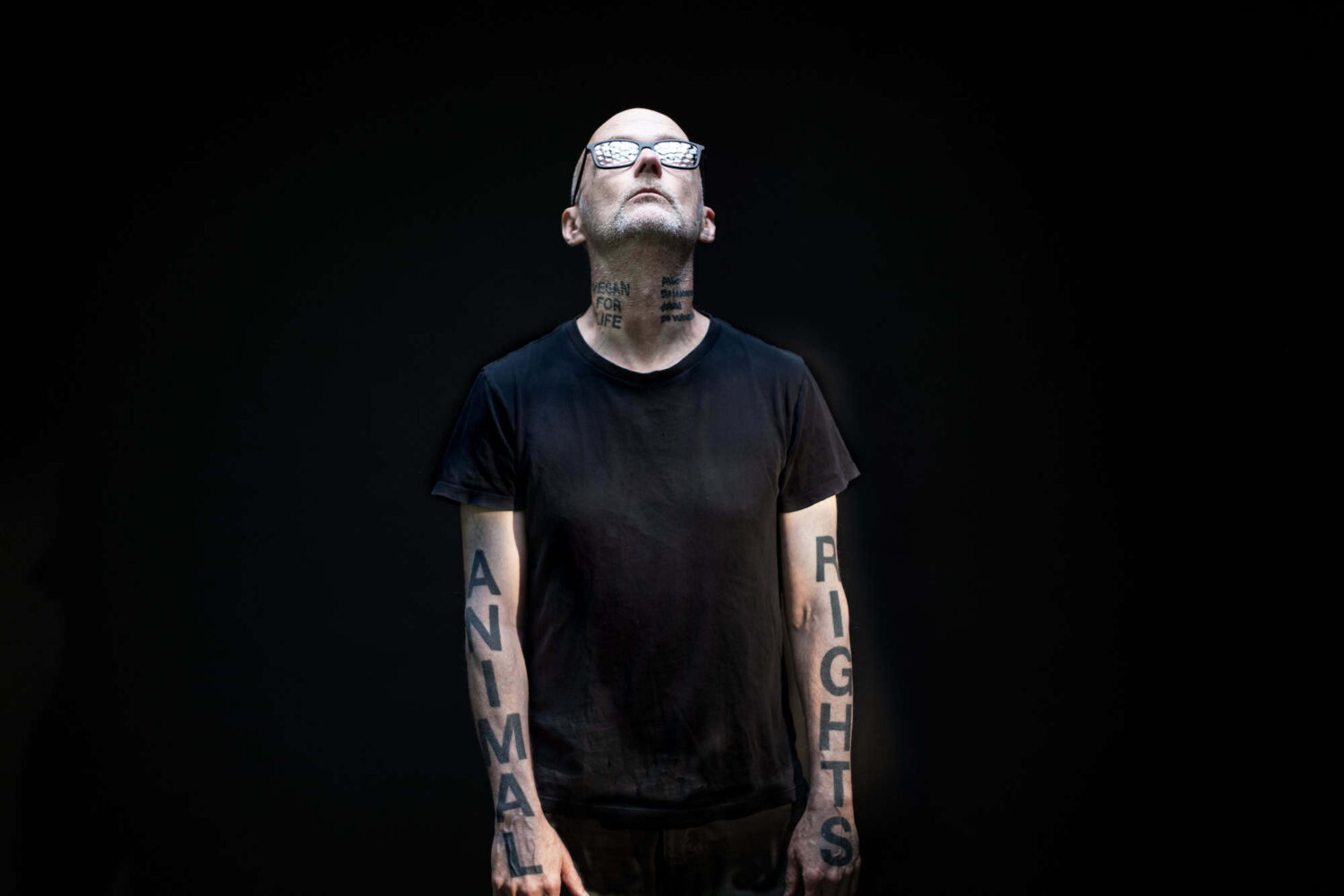
'I don’t know how anyone can look at the modern world and not be dismayed'
He is careful not to overstate the claim. The album, he says, was made primarily to calm his own anxiety, rather than as a prescription for others. Still, he hopes the same effect might extend beyond himself. The music leans towards orchestral arrangements, with traces of the electronica that defined his earlier work, but overall the tone is deliberately restrained.
Moby’s relationship with music began in difficult circumstances. Born in Harlem, New York, in 1965, his father died in a drink-driving crash when he was just two years old. His mother moved them to Connecticut, where they lived on food stamps and often moved between unstable housing. He later experienced sexual abuse by a member of staff at his daycare centre.
Music first became an escape, and then a way to process those experiences. Looking back, he recognises that adversity shaped the direction of his life.
Because I’ve been battling anxiety and insomnia for almost my entire life, one of the only things that helps me to become less anxious is some iteration of quiet, beautiful music
“If we look at our histories, our pasts, adversity sometimes ends up not being adverse long-term,” he says. “An example I would use for myself is when I was 19, I had such bad panic I had to drop out of university. My panic was sort of unceasing and it was very dark. You know, I moved home, I was sleeping on my mum’s couch, I was broke, all my friends were at college getting degrees, and it was really not a good time, but if that hadn’t happened, I never would have become a professional musician.”
Talking with Moby is relentless and intense. Highly intelligent he swerves from talking about music as being a “spiritual meditative practice”and how he finds “conventional socialising as really uninspirational” to his research on how music “affects us neurologically, physiologically”.
He has worked with the Institute for Music and Neurologic Function for more than 20 years using advanced diagnostic tools – fMRI and PET scans – to see how it affects the brain. “And they discovered pretty quickly that music is a legitimate, powerful, healing modality, that it promotes neurogenesis in the hippocampus, it decreases epinephrine. And other stress hormones, it heals people.”
So is this album to help people with insomnia sleep? He says he made it for him. “But then if it finds someone who needs a sense of comfort, who’s battling their own anxiety or other issues, then that to me is the ultimate reward.
Photography by Lindsay Hicks
Be part of the solution
At Positive News, we’re not chasing clicks or profits for media moguls – we’re here to serve you and have a positive social impact. We can’t do this unless enough people like you choose to support our journalism.
Give once from just £1, or join 1,800+ others who contribute an average of £3 or more per month. Together, we can build a healthier form of media – one that focuses on solutions, progress and possibilities, and empowers people to create positive change.