

The closure of the Strait of Hormuz has brought renewed urgency to the climate solutions campaigners have been pushing for years
What do sunshine, seaweed and soil have in common? The answer is that none of them need to be shipped through the Strait of Hormuz.
And that might just be the silver lining to the economic maelstrom that has spiralled out of the Middle East and onto our forecourts and supermarket shelves. It has exposed our desperate dependence on oil and gas, not just to fuel our cars but to feed ourselves, too, thanks to our reliance on synthetic fertilisers.
It’s an addiction thrown into stark relief when the supply chain gets squeezed, as it did this spring. But it’s also one that is fuelling the climate emergency. For decades, environmentalists have been crying out for a shift to greener technologies as a way of breaking this addiction. But they’ve struggled to make headway, not least because, despite ample evidence to the contrary, climate change still isn’t seen in most corridors of power, let alone most households, as an immediate threat – of the sort you need to address before the next election, or the next big family purchase.

Soaring fuel prices and looming food shortages in the coming months, though – now that’s a different matter. Small wonder, then, that they’ve sparked a sudden surge of excitement in the climate solutions that campaigners have been shouting themselves hoarse about for years.
Take renewable energy. Those countries that have invested heavily in it are now reaping the benefits in hard cash saved, compared with oil and gas. Take Pakistan, says Hugh Knowles, a former executive director of Friends of the Earth. Its dependence on fossil fuel imports makes it acutely vulnerable to disruptions like the US-Iran war. But it’s massively reducing that vulnerability by shifting rapidly to renewables.
As at the end of 2025, says Knowles, its share of electricity that comes from solar has risen from 2.9% in 2020 to 32%. That’s saved it over $12bn (£9bn) in fossil fuel imports over that period. Unsurprisingly, the crisis has only encouraged Pakistan to power ahead with solar, with new capacity on track to save it a further $6.3bn (£4.7bn) in 2026 alone.
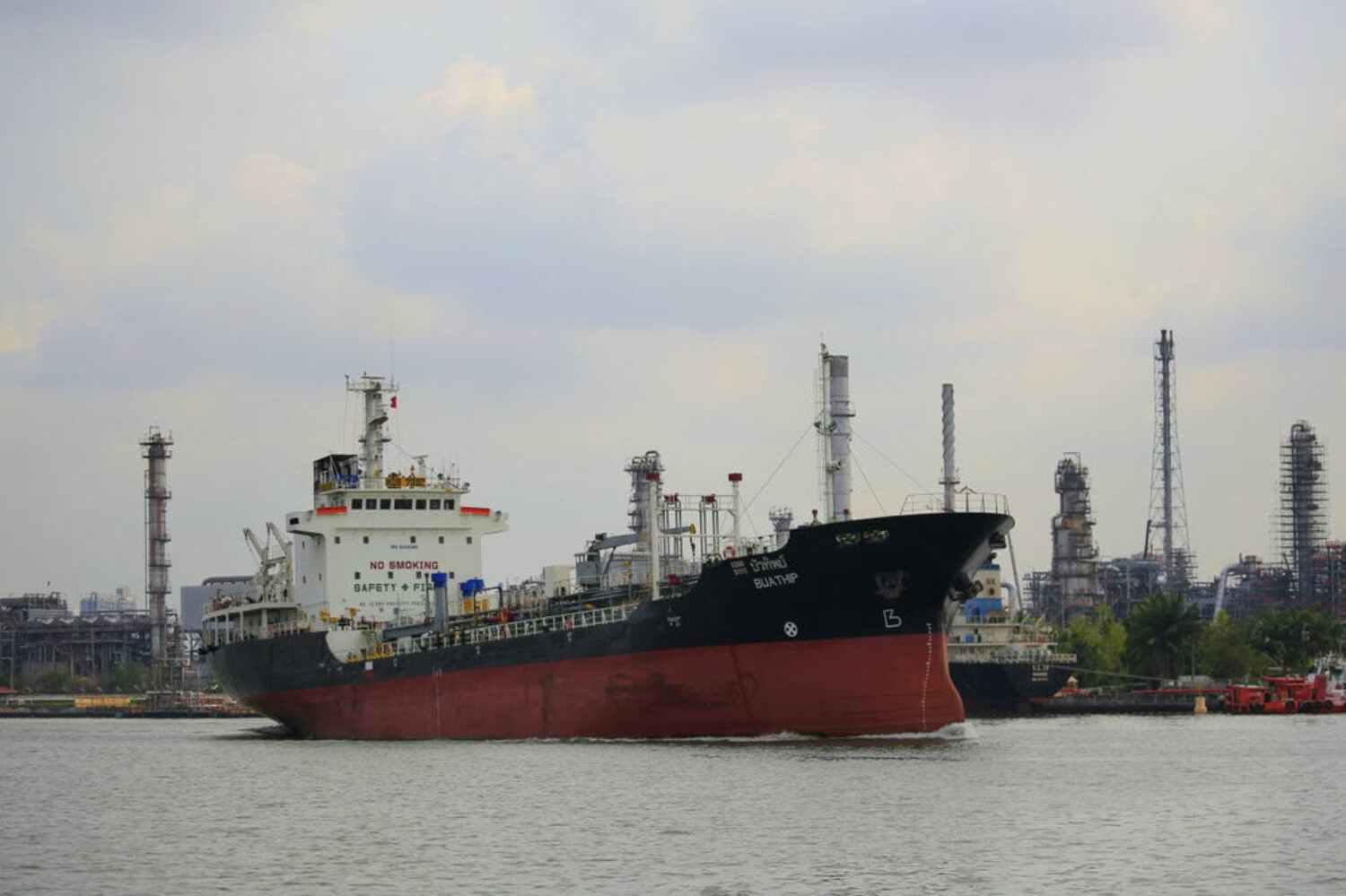
The closure of the Strait of Hormuz has squeezed global shipping supplies. Image: Somkanae Sawatdinak
As author and environmentalist Bill McKibben puts it: “Sunlight has to travel 93 million miles to reach the Earth, but none of those miles go through the Strait of Hormuz.” Renewables are more secure in other ways, too, because by and large they are more thinly dispersed than a single large power plant, which by comparison is a sitting duck. Ukraine, which knows a thing or two about insecurity, is diversifying away from coal and towards solar and wind partly for that reason. As Jeff Oatham of DTEK, its largest energy company, has commented, a coal plant is highly vulnerable to an attack from a single missile, but “you would need around 40 to do the equivalent amount of capacity damage at a wind farm.”
Soil doesn’t come through the Strait of Hormuz either, but a significant share of the global trade in nitrogen fertilisers and their raw materials does. That’s produced a painful spike in costs for farms heavily dependent on them – but much less for those practising regenerative agriculture. And as Knowles points out, a 2025 report found that yields on regenerative farms could be just 1–2% lower than on their conventional equivalents, while saving over 60% of fertiliser costs.
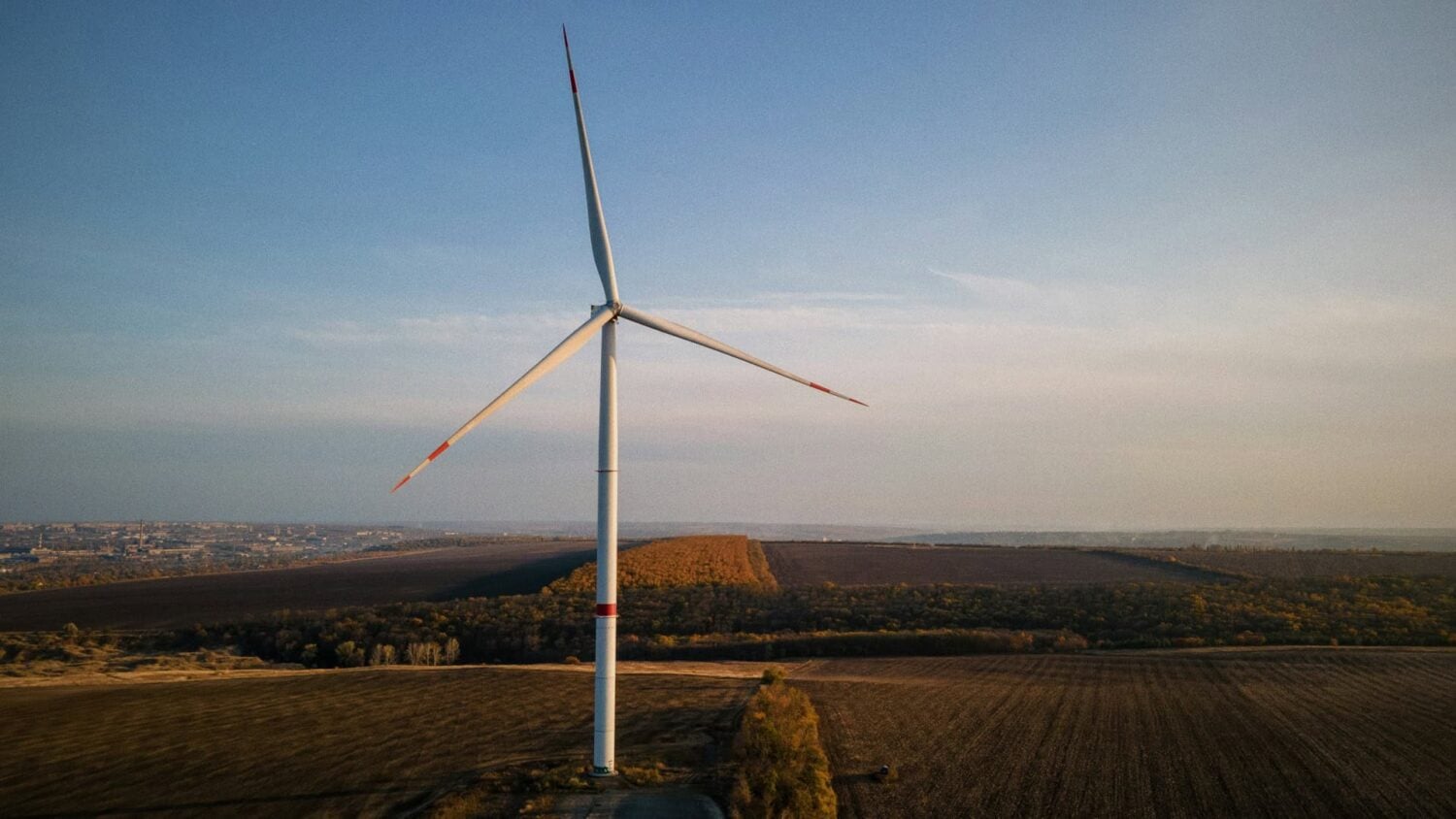
Ukraine is now diversifying its energy supply towards solar and wind power. Image: Olena Bohovyk
Small wonder that interest in alternative natural fertilisers, like seaweed – long a staple of traditional farming – is surging, too. A recent BBC report found several UK farmers using drones to apply seaweed to wheat fields. And off the coast of the Netherlands, a new seaweed farm, backed by Amazon, of all companies, has just harvested its first crop, grown between offshore wind turbines.
Never, it is said, waste a good crisis. After all, we’ve been here before and we did just that: the 1973 oil price surge triggered a wave of work on energy efficiency, which largely went by the wayside when the price dropped. The real danger in this latest crisis is not that we can’t innovate our way into a greener, more secure alternative. It’s that, when the Strait opens and the oil starts flowing again, we forget just how much we need to, and lapse into complacency. Until the next time.
Main image: Joe Belanger