Can conservation succeed by adapting tradition rather than erasing it? In east Africa, Maasai warriors are redefining what it means to be brave by helping people and lions co-exist
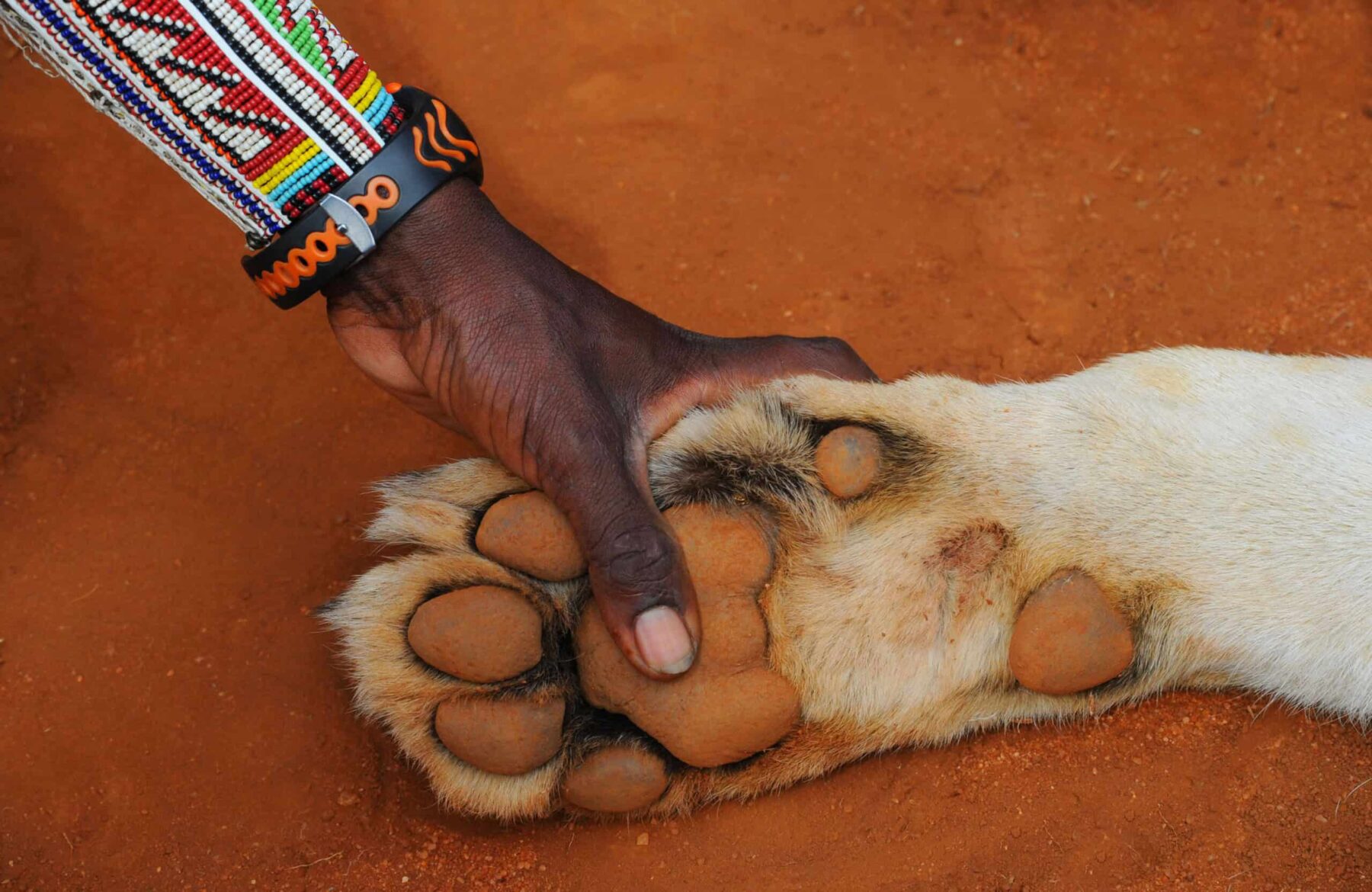
The cattle are still stirring inside the safety of their enclosures when Saitoti Petro Lorkuta makes his morning rounds, threading his motorbike through the communal Maasai pastures east of Tanzania’s Tarangire national park. Every so often, he cuts the engine, crouches low and reads the dust, scanning the trails between patches of dense scrub and below the umbrella-shaped canopies of acacia trees for the tell-tale print of a lion’s paw.
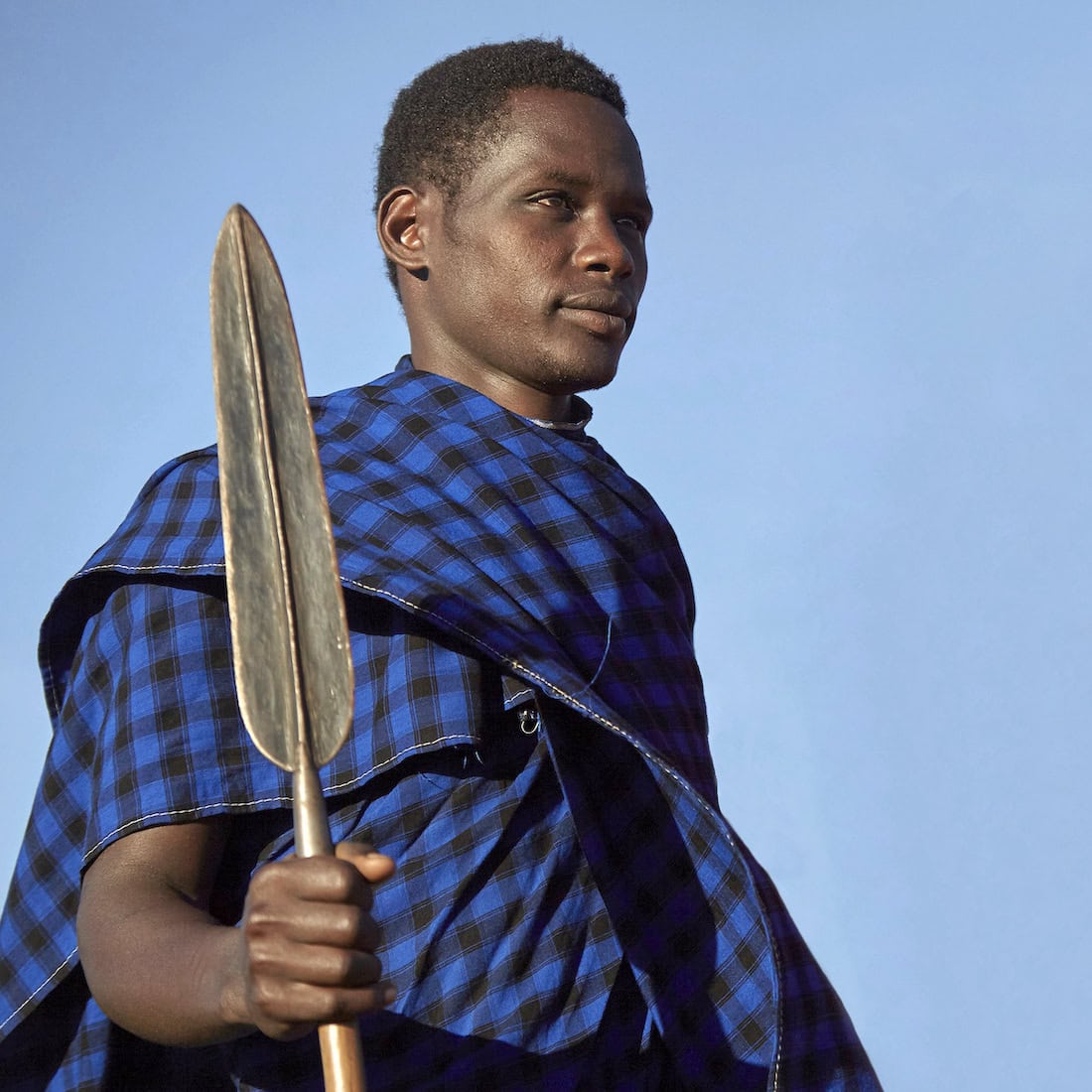
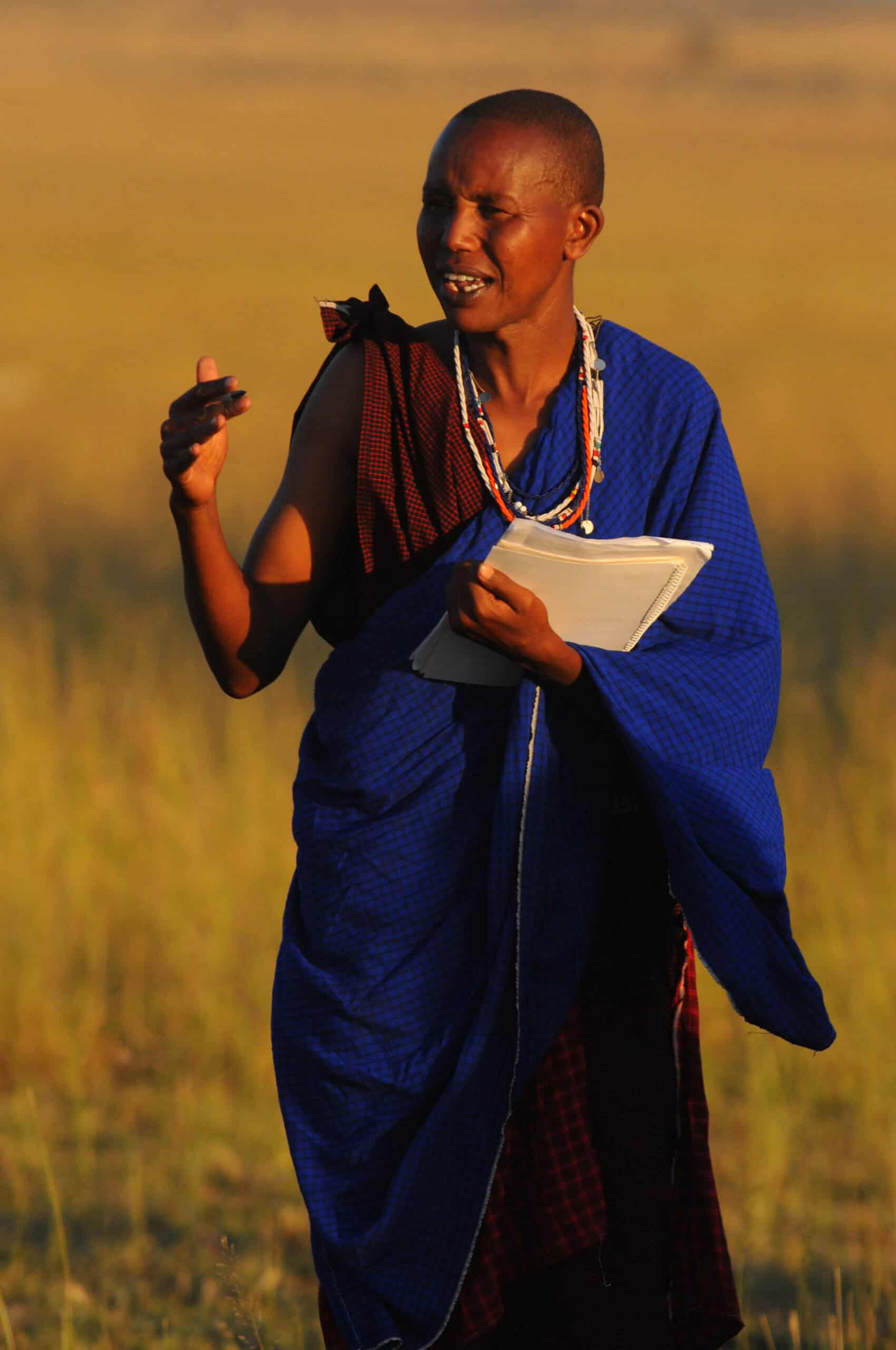
As a child, Lorkuta (pictured below) wondered whether he would ever see a lion roaming the savannahs of his homeland. Maasai elders told tales of legendary hunts, proudly displaying old battle scars, but the roar of the big cats had all but vanished from the rangelands’ nocturnal soundtrack of elephants, zebras, whooping hyenas and grunting buffalo.
Today, aged 35, encounters with lions are an increasingly common – and welcomed – part of Lorkuta’s life. And instead of proving his Maasai warrior mettle with a spear, he prefers a quieter test of courage: a stare-off.

“I stay still, the lion looks at me, and I stare back,” he says. “Eventually, the lion goes. The first time it happened, the lion was very close and I was scared, but not any more.”
Lorkuta is one of more than 160 Maasai ‘Warriors for Wildlife’ working across dozens of rural communities in northern Tanzania through the charity African People and Wildlife (APW). Blending centuries-old bushcraft with GPS technology and conservation science, these men are redefining what it means to be a Maasai in the 21st century, and building a future where predators and pastoralists can thrive side by side.
Bravery has long underpinned Maasai identity and, historically, there was no greater measure of courage than defending the herd against a hungry pride. Spearing a lion brought status, lifelong respect, even some love interest.
A century ago, when 200,000 lions roamed the African continent, those hunts – part protection, part rite of passage – had little impact on the species’ survival. Today, between 20,000 and 32,000 remain in the wild, with roughly half concentrated in east African strongholds like Tanzania. At the same time, climate pressures, shrinking habitats and expanding human settlement have pressed lions and pastoralists into ever closer competition for land and water.
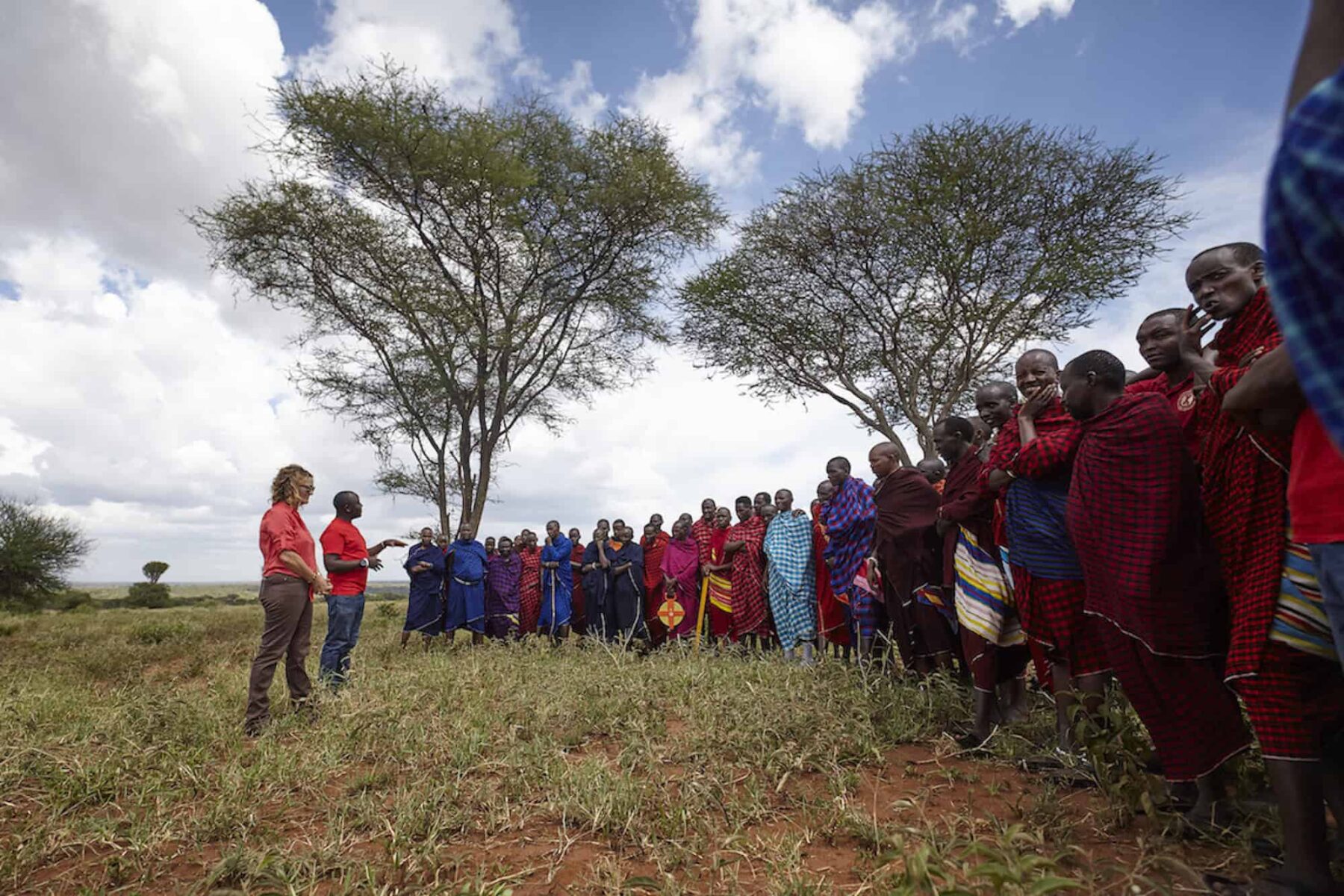
APW began working in the wider Tarangire-Manyara ecosystem in 2005 with a community-led approach, supporting villages to monitor human-wildlife encounters while strengthening their bomas, or livestock corrals. Planting living walls of thorny commiphora trees, reinforced with chain-link fencing, helped keep marauding lions and other predators at bay.
In 2010, APW founders Charles Trout and Dr Laly Lichtenfeld were joined by Elvis Kisimir, a respected Maasai warrior with deep ties to communities across northern Tanzania. Kisimir began encouraging pastoralists to rethink their relationship with lions, warning that by driving them towards extinction, the Maasai also risked erasing a defining feature of their own identity.
“That was the turning point,” says Kisimir. “People realised that without the lions, there could be no Maasai warriors.”
He recruited a small group of men who, like Lorkuta, could use their intimate knowledge of the bush to track lion movements and advise herders on safer grazing routes.
The government tried its own way of conservation using men in uniform with guns, chasing people, and it didn’t work. We solved it by sitting down under the tree and talking
Word spread quickly. Communities began writing to APW asking to join, lending legitimacy to a conservation model they could shape themselves – starting with the walls of their own bomas – rather than having it imposed from above.
“The government tried its own way of conservation using men in uniform with guns, chasing people, and it didn’t work,” says Kisimir. “We solved it by sitting down under the tree and talking, asking people what the problem was.”
Today, Lorkuta and his fellow warriors carry GPS devices and smartphones to monitor lions and other carnivores, uploading sightings to an online mapping system that helps pastoralists choose where to graze, and sharing sightings in their communal WhatsApp group. When lions do strike, warriors move quickly to calm tensions before retaliatory hunts can begin.
“During the day, we visit the watering holes and talk to herders about the importance of conserving the lions,” Lorkuta says. “In the evening, if they’ve lost livestock in the bush, we go and recover it.”
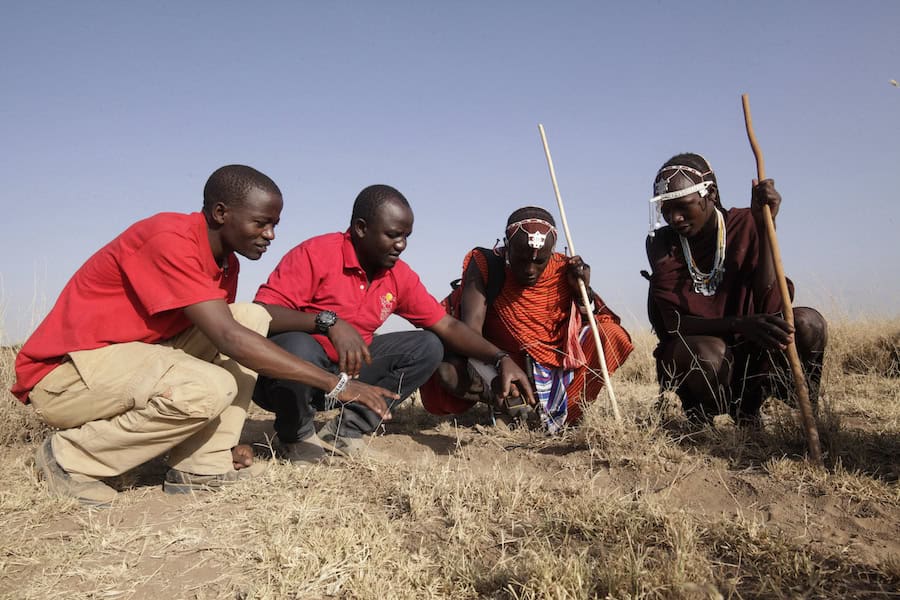
The role carries real respect, offering a new route to prestige based on protecting lions rather than killing them.
“People in the community like what we’re doing,” Lorkuta says. “The conservation work brings jobs and opportunities. It’s even made me friends from abroad.”
Kisimir believes it also taps into the Maasai’s longstanding desire for recognition.
“Bravery for the Maasai is about being known,” he says. “This work is another way, and we’re looking for more, like games or competitions. If a warrior wins, people will sing and praise him.”
Across the border in southern Kenya, the conservation charity Lion Guardians (LG) has spent the last two decades building a similar model, beginning from a base around Amboseli national park, against the backdrop of a looming Mount Kilimanjaro. Eric Ole Kesoi, the organisation’s community manager and a renowned Maasai tracker himself, explains that years of conflict had made lions instinctively wary of the tribe’s vivid red shukas.
The cloaks remain a powerful symbol of Maasai identity, but as lion hunting declined, so did the shuka’s deterrent effect. To reinforce the association – but without the bloodshed – Kesoi encouraged the guardians to stage mock hunts and chase emboldened lions away. “We don’t go with spears: we go with thunder flashes and make traditional yelps to let them know we’re chasing them. We wear the red shukas, and they know we are Maasai.”
For Kesoi, these encounters help preserve the warrior culture while replacing killing with stewardship.
“They track these lions and give them names: they know each individual, and share the same landscape.” he explains. “In the community, they’re perceived as privileged because they’re still interacting with lions. And above all, they’re getting paid.”
That income matters. It means guardians can buy more livestock, pay school fees and support extended families, helping change ideas around status and masculinity.
They have more privilege now from taking care of lions than from making a name by killing them. It’s a complete shift in mindset
“They have more privilege now from taking care of lions than from making a name by killing them,” says Kesoi. “It’s a complete shift in mindset.”
LG co-founder Stephanie Dolreny says women have played a role in accelerating that change. When a warrior killed a lion, she notes, one of the main motivations was female attention – but that appeal was short-lived.
“It’s not money in the bank,” she says. “Now the women are saying: ‘We don’t want a man who kills a lion, we want a man with a job’. It’s almost like the women are changing the dynamic of what a desirable man looks like.”
Not everyone embraces the new culture of coexistence. For the Maasai, cattle are far more than livestock: they are wealth, status and primary food source. A single cow can fetch USD$500-600 (£372-446), while some animals carry deep personal or cultural significance beyond their market value.
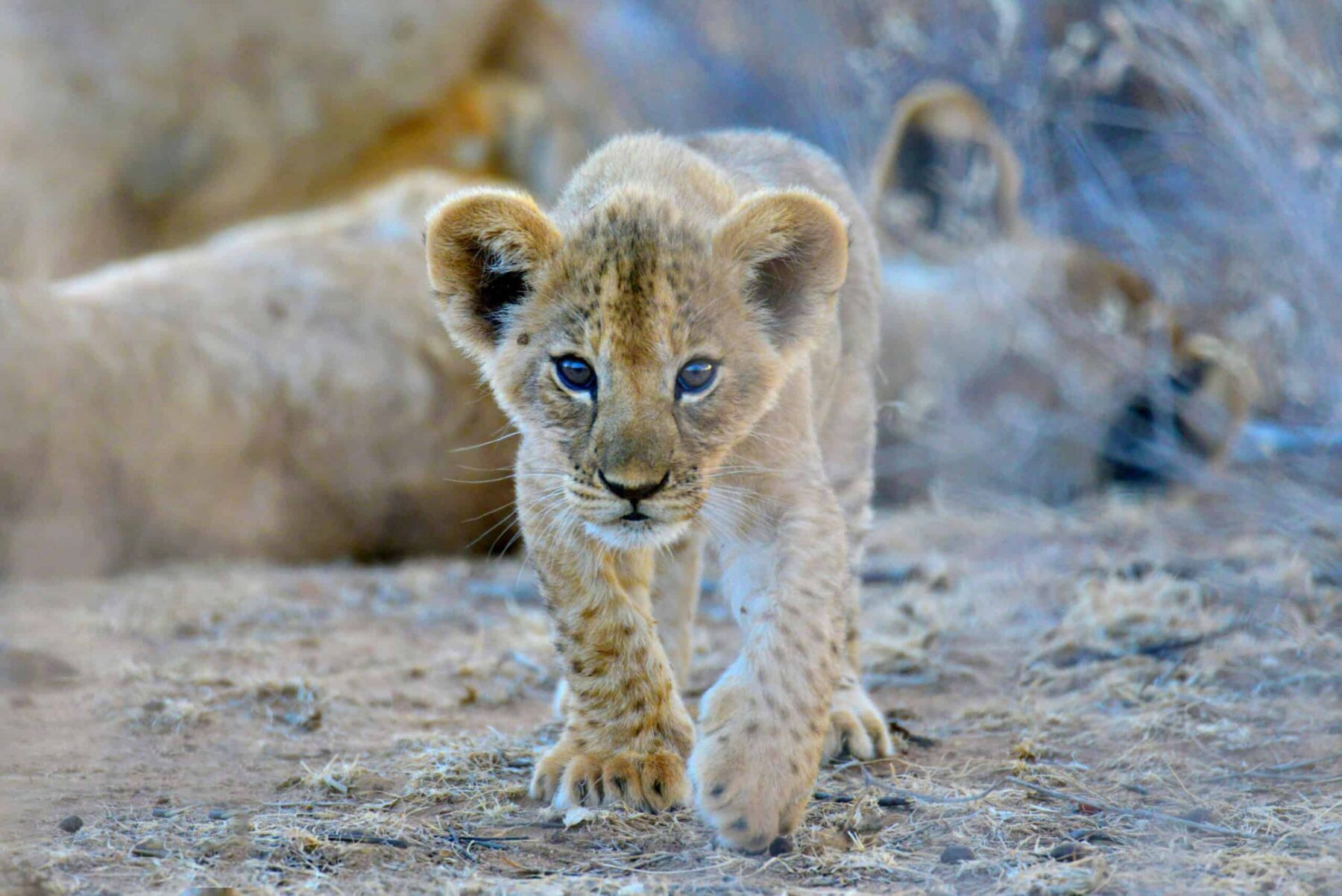
Many pastoralists are learning to tolerate occasional losses, but only to a point. Retaliatory lion killings still happen and, though rare, those working at both APW and LG have witnessed entire prides wiped out by poison, along with the vultures, hyenas and countless other scavengers that feed on the carcasses.
In Kenya, Lion Guardians patrols have reached poisoned lions in time for vets to administer antidotes. In Tanzania, Kisimir draws on Maasai lore to discourage poisoning. “I remind communities that a warrior is only allowed to kill nine lions,” he says. “If you exceed that, your clan will be cursed.”
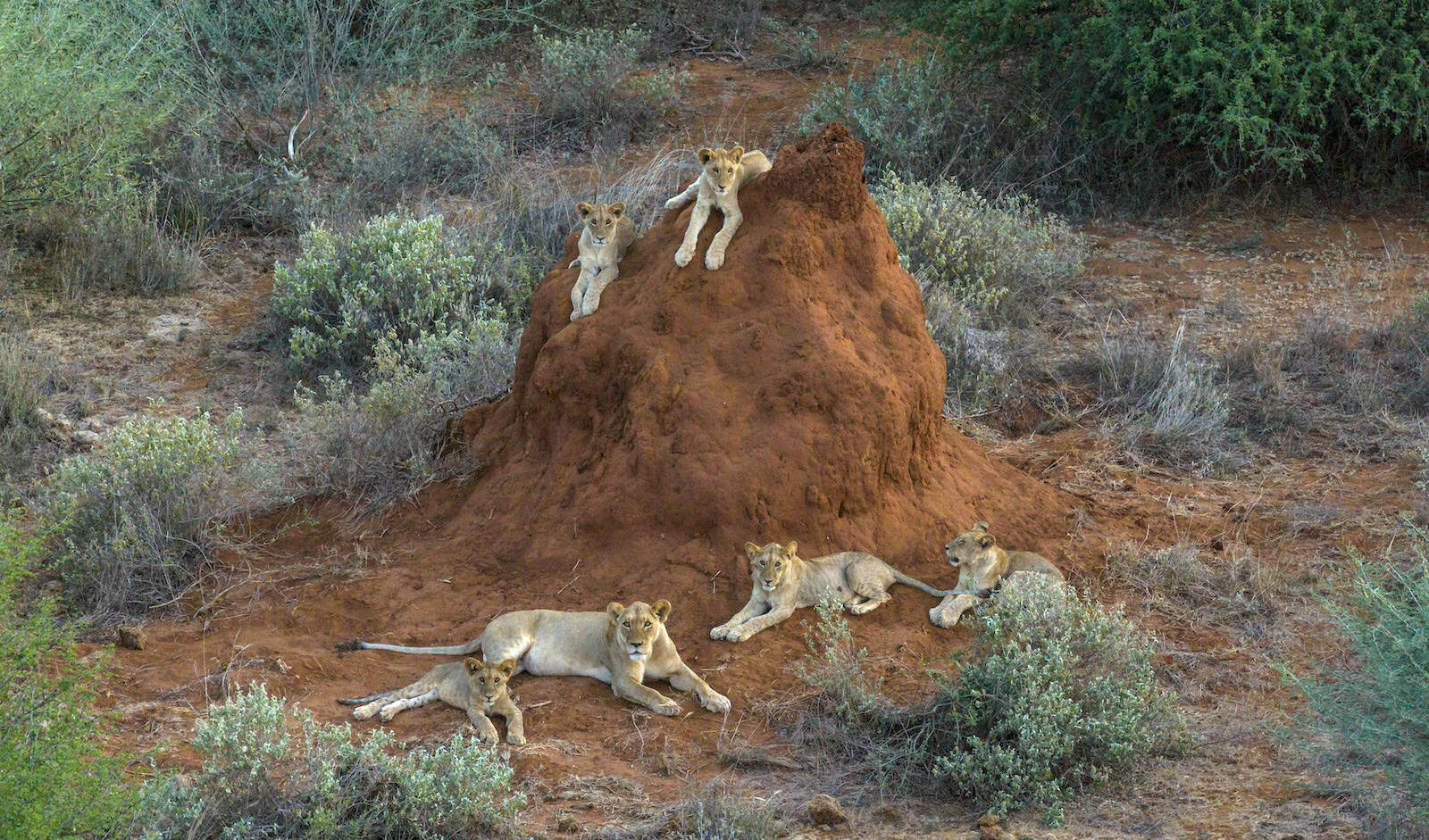
Where the model has taken hold, the results are striking. The Lion Guardians programme now spans more than 3,600 sq km (1,390 sq miles) of habitat. Since launching 20 years ago, lion killings have fallen by 90% and numbers have increased seven-fold, creating one of Africa’s densest wild lion populations outside a protected area. For the Maasai, the programme prevents livestock losses worth millions of dollars every year.
APW reports similar success in Tanzania, where It estimates field teams have recovered more than 16,000 lost livestock worth $3.5m (£2.6m) since 2017, and helped prevent almost three-quarters of reported attempts to kill lions, as well as 59% of attempts to kill other predators. Some 150 lions, including many cubs, have been saved as a result.
“It’s easily scalable,” says APW’s Charles Trout. “It’s about empowering communities to take action for their own benefit.”
Money and manpower are the only limitations, he suggests. Boma fortifications are part-funded by APW. “Although we have had places where people have installed their own living walls,” Trout adds.
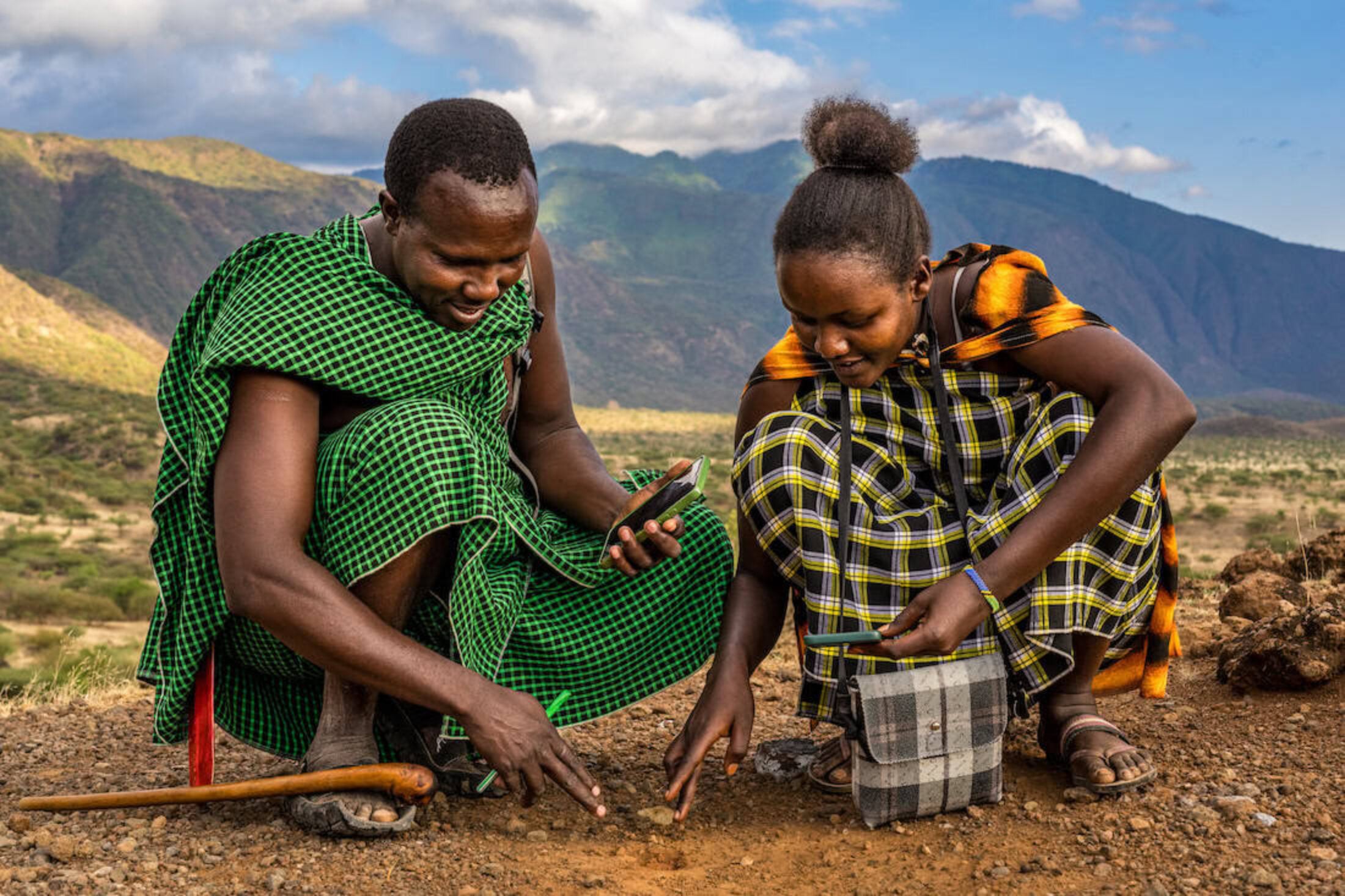
Data collection in progress at African People and Wildlife. Image: Marcus Westberg
“Then we’re also taking care of the warriors on the ground, they get training every year. It’s taking an interest in people’s lives, so the limitation is just being able to be there to do it.”
For Lorkuta, the return of lions represents more than conservation success. It signals the slow repair of a landscape he once feared was losing its voice. “There came a time when the lions were disappearing. I thought my children would only ever see them in books or in the parks,” he says.
Now, roars are returning to the rangelands at night and lions leave their marks in the morning dust. Lorkuta looks forward to the next stare-off: a sign, he says, that all is well.
“If you see a lion, it means things are balanced: the ecosystem, the climate, everything. At least now there is a future for them.”
New models of coexistence
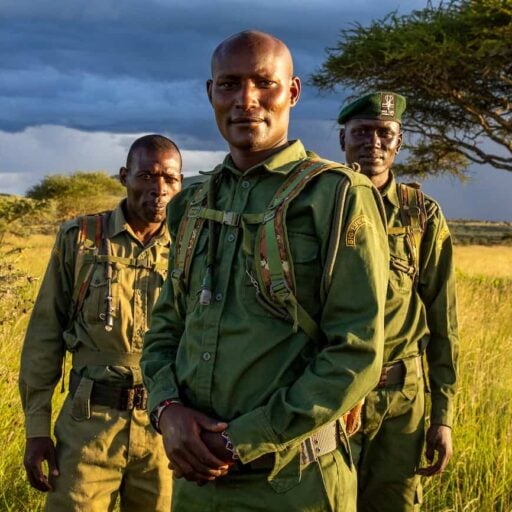
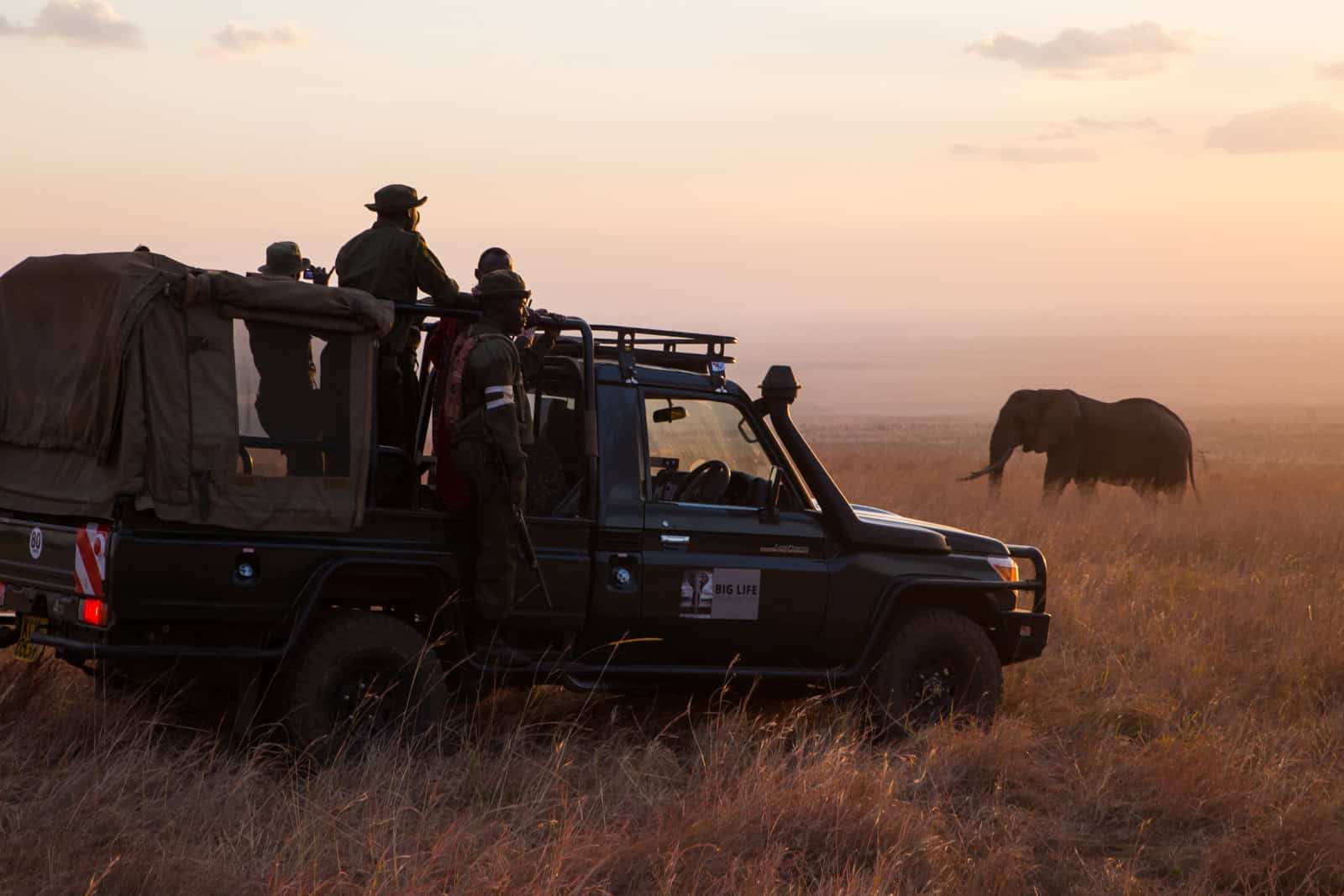
Founded in 2010 in response to a surge in elephant poaching, Big Life Foundation (BLF) employs hundreds of Maasai rangers and ex-poachers to protect two million acres of wilderness across Kenya’s greater Amboseli ecosystem, helping drive down wildlife crime while creating jobs rooted in conservation. Human-wildlife conflict and habitat degradation are still a challenge, but thanks to BLF’s vigilance, not a single elephant has been lost to trophy poachers since 2018. BLF’s sergeant Mutinda Ndivo – once an infamous poacher – now heads up their dog unit.
“Someone like Mutinda is no longer simply surviving day to day; he is actively contributing to protecting one of the world’s most important ecosystems,” the organisation said. “That can fundamentally reshape personal identity and long-term aspirations.
“It also changes the story being passed to the next generation. Children grow up seeing conservation as a viable and respected livelihood.”
Image: L-R, constable Kioko Mulwa, constable Nkidaa Tonkoi and constable Lenku Turere of Big Life Foundation, photographed by Joshua Clay
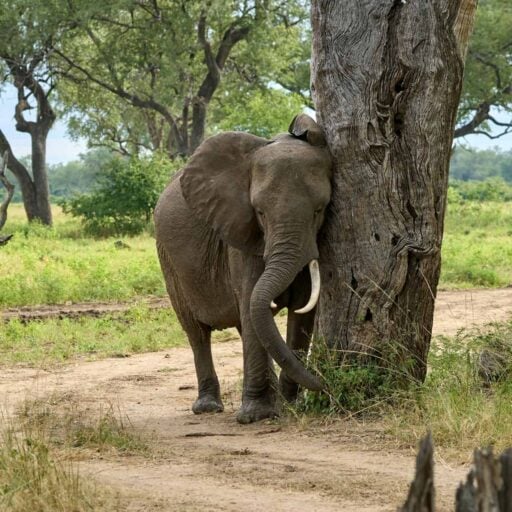
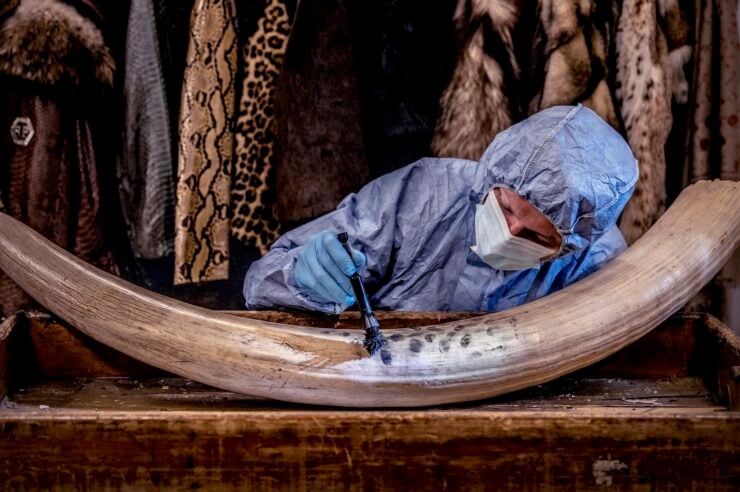
In Zambia’s Luangwa Valley, Community Markets for Conservation is helping wildlife poachers find new means of supporting their families. More than 2,000 have surrendered their weapons and reskilled in practices such as sustainable agriculture. Many now help protect animals instead of killing them and have formed their own group – the Transformed Poachers Association of Zambia – to help spread the word and combat wildlife crime.
Image: Dmitrii Zhodzishskii
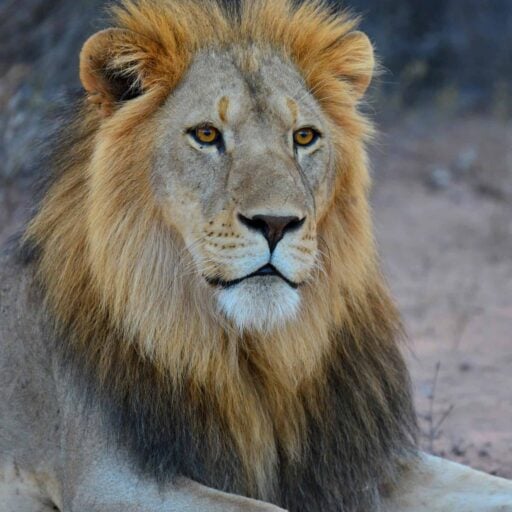
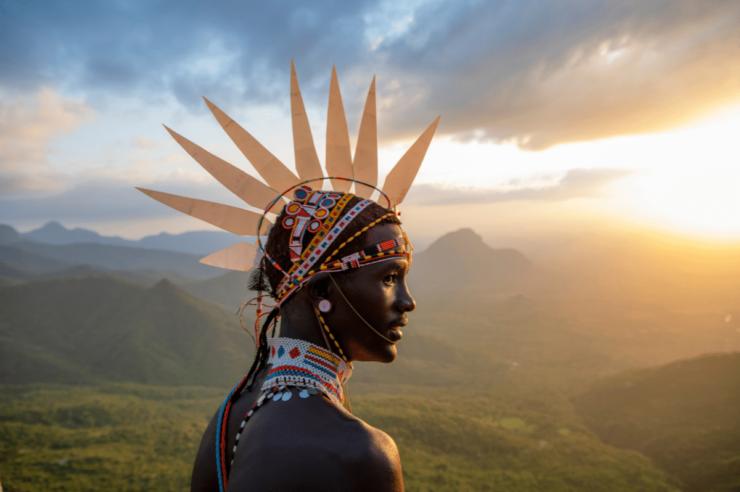
KopeLion has been operating in Tanzania’s Ngorongoro Conservation Area since 2011, where it supports 28 former Maasai lion killers to monitor big cats and prevent conflict. Each livestock guardian is responsible for patrolling a 60-120km (23-46 sq mile) patch close to their community. Participating villages earn money based on the presence of lions in the area. The programme aims to create a ‘corridor of tolerance’ stretching from the Ngorongoro crater to the Serengeti.
Image: Philip J. Briggs
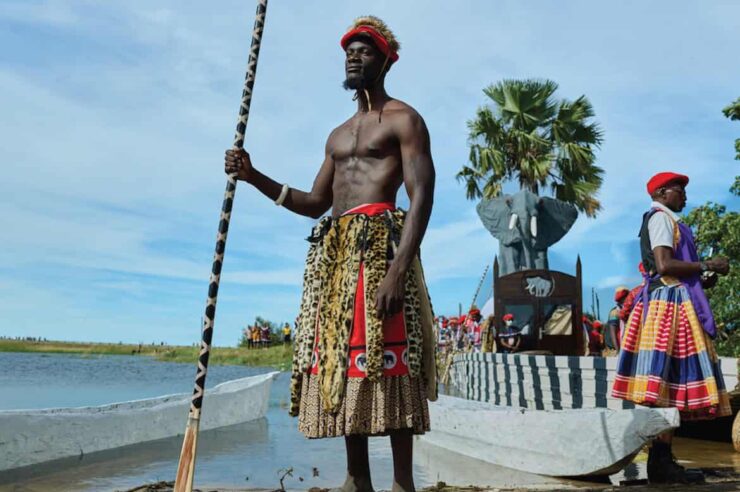
Local people become the key responders in efforts to reduce poaching and human-wildlife conflict through the Olgulului Community Wildlife Rangers programme. Operating in Kenya, it trains and employs Maasai community members to support wildlife protection, monitor threatened species and gather information on illegal hunting. Its pioneering all-female unit, Team Lioness, has expanded opportunities for women while challenging traditional gender norms around conservation.
Image: Ahmed Galal
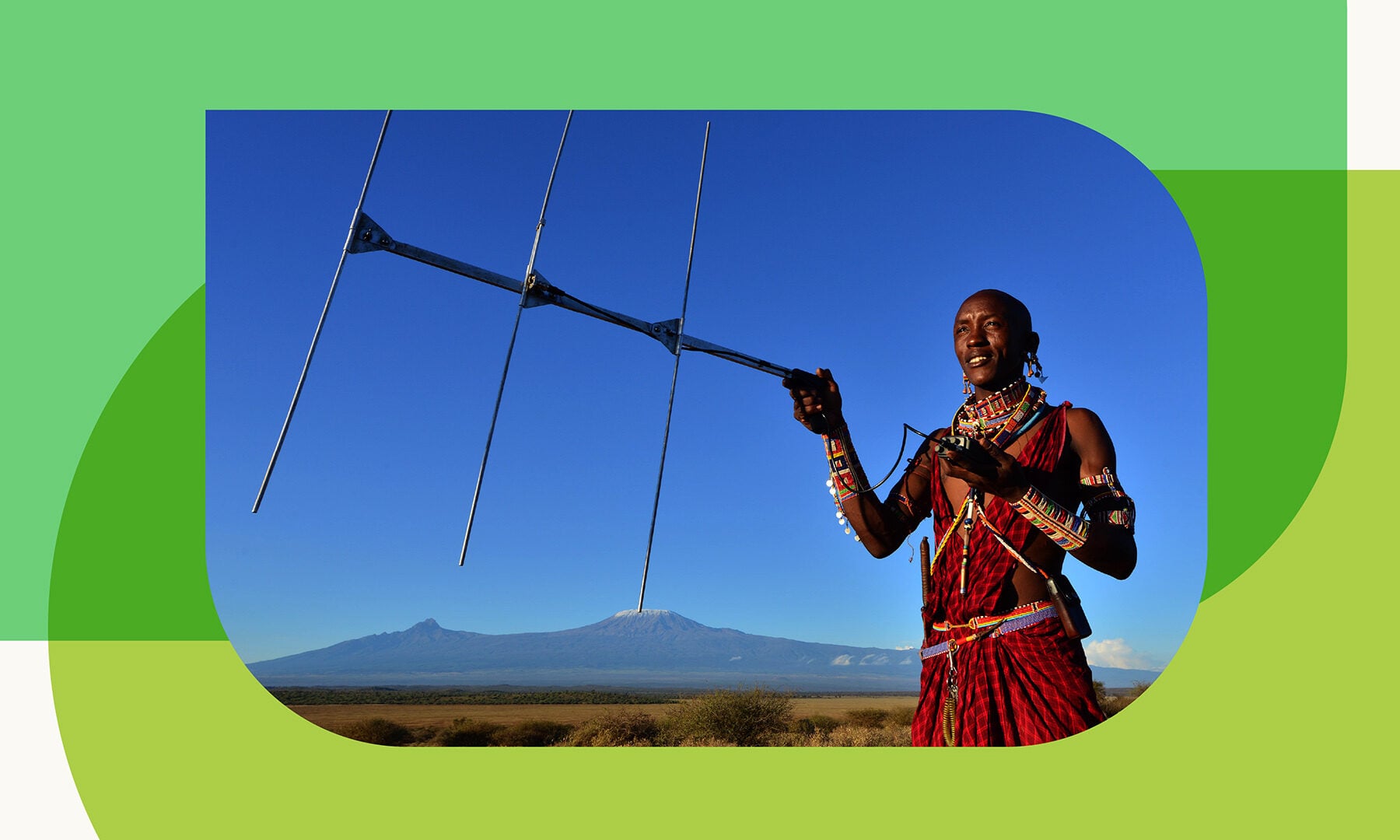
Main image: Maasai wildlife tracker Olubi ‘Mitiaki’ Lairumbe uses a radio antenna to locate a collared lion beneath Mount Kilimanjaro, photographed by Philip J. Briggs
 Portraits of a Shared Land brings readers face-to-face with some of the people reshaping conservation across Africa, exploring approaches that place communities, local knowledge and lived experience at their heart. This series is produced by Positive News and supported through a Human-Centred Conservation Storytelling Grant from Jamma Conservation & Communities.
The views and opinions expressed in this story are those of the authors and contributors and do not necessarily reflect those of Jamma Conservation & Communities.