In an age of scrolling and speed, we’ve forgotten how to truly see art. Art historian Olivia Meehan explores the practice of ‘slow looking’ – and how taking time to engage deeply with a painting can transform our experience
In galleries around the world, visitors spend an average of 15 seconds reading a wall label and a mere three seconds actually looking at the artwork beside it. Art, like much else in modern life, has become something to consume rather than contemplate.
The behaviour is hardly surprising. Our visual lives are saturated, shaped by online scrolling and an abundance of imagery. Gallery visits, too, can feel rushed. Crowds, noise, fatigue and the subtle pressure to ‘move along’ all work against meaningful engagement. Even the rhythm of exhibitions – packed introductory rooms, long texts, carefully managed flow – encourages looking to be swift and structured.
Yet the act of seeing is not passive. Switching between text and image taxes our attention, and the faster we move, the less we truly perceive. What gets lost in this haste is the subtle exchange between viewer and artwork: the space where emotion, insight and imagination meet.
Slow looking is an antidote to the pace of modern life. It is not a method to master so much as a habit to nurture. To begin, the simplest and hardest step is to put away the phone. By disconnecting from the constant stream of images, attention is reclaimed.
Next, resist the urge to read the label straight away. Information can wait; observation cannot. Spend time with the work itself – its colours, textures, forms and moods. Notice where your eye rests, how your body feels, what emotions emerge.
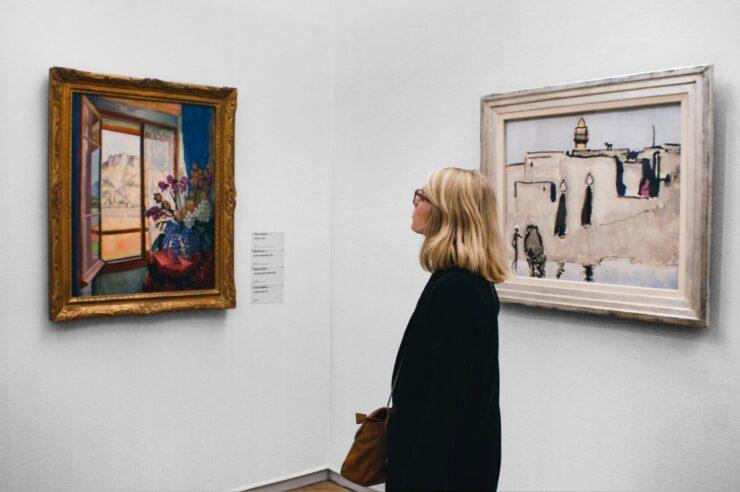
Take, for example, Arenig, North Wales (1913) by James Dickson Innes (pictured above). At first glance, the mountain’s rounded orange peak dominates, rising over violet clouds and a rippling, shell-like ridge. Below, a red-speckled boulder anchors the scene; a tree branch reaches into the blue above. Looking longer, small details emerge – the shimmer of water against the purple shoreline, the play of light that hints at a time of day.
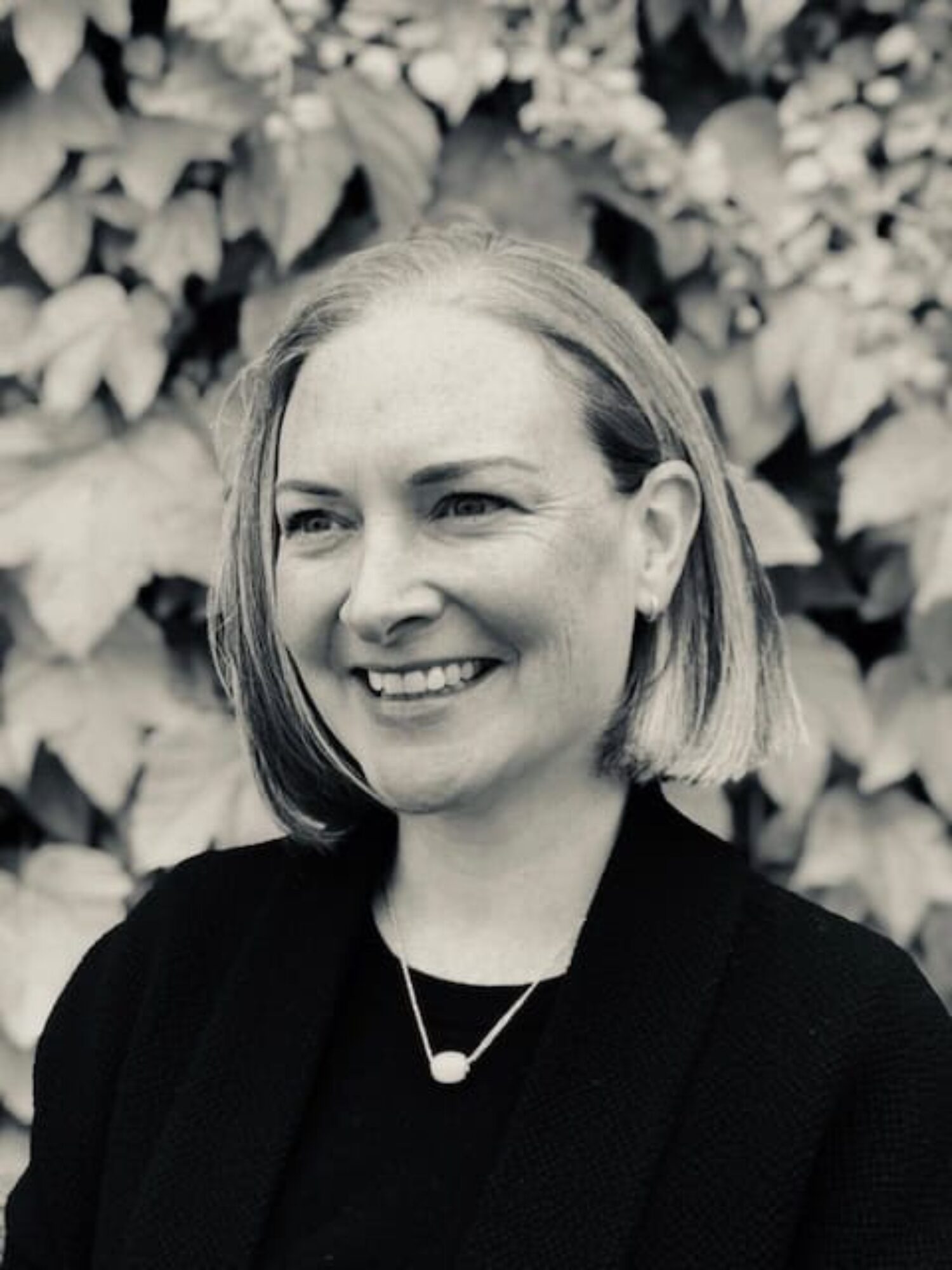
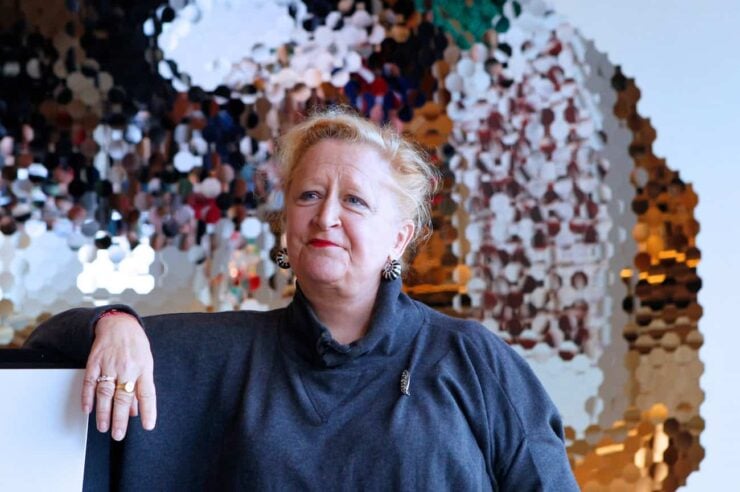
Olivia Meehan: Art has become something to consume rather than contemplate. Image: Clinton Meehan
The longer one lingers, the more the painting reveals – and not just visually. It stirs memory, mood, association. Harvard art historian Jennifer Roberts asks her students to observe a single artwork for three hours; just as they thought they had seen everything, new details began to surface. French painter Pierre Bonnard believed that “the painting will not exist if the viewer does not do half the work”. The labour of looking, he suggested, animates the art itself. Claude Monet said: “Everyone discusses my art and pretends to understand, as if it were necessary to understand, when it is simply necessary to love.”
The rewards of looking slowly are profound. Beyond the aesthetic, the act can be restorative, even transformative. Research shows that engaging with art in person benefits wellbeing – findings that artists, philosophers and poets have long intuited.
The longer one lingers, the more the painting reveals – and not just visually. It stirs memory, mood and association
The Japanese writer and critic Yanagi Sōetsu argued that true appreciation depends on intuition. To really see, he wrote, one must trust instinct over intellect; beauty is discovered, not explained. This kind of openness invites art to move us, just as film or music might – though gallery etiquette often discourages visible emotion.
Art need not be conventionally beautiful to be meaningful. Some works elicit discomfort, others joy or calm. The art historian James Elkins describes how certain paintings can bring viewers to tears or even a state of ecstasy. Such reactions are rare today, not because art has lost power, but because we rarely give it time to unfold.
Slow looking invites a different rhythm – one of patience, curiosity and connection. In lingering before a work of art, we make space for surprise. We begin to see, not just look.
Artwork: James Dickson Innes, Arenig, North Wales, 1913. Oil paint on plywood. Courtesy of Tate, London. Presented by Rowland Burdon-Muller, 1928
Be part of the solution
At Positive News, we’re not chasing clicks or profits for media moguls – we’re here to serve you and have a positive social impact. We can’t do this unless enough people like you choose to support our journalism.
Give once from just £1, or join 1,800+ others who contribute an average of £3 or more per month. Together, we can build a healthier form of media – one that focuses on solutions, progress and possibilities, and empowers people to create positive change.