Eating volumes of veg and oodles of fruit is good for our health. But to what extent does the soil our food was grown in affect its nutritional value? A growing group of researchers and agroecologists are digging into it
Eat the rainbow. Fill up on fibre. Feed your gut bugs with kimchi, kombucha and kefir. From probiotics to the perils of ultra-processed foods, we’re well-versed in the watchwords of modern nutrition. Less thought is generally afforded, however, to where our food truly begins: in the soil beneath our feet.
Now, a growing alliance of nutritionists, farmers and academics are exploring how organically grown food raised in biodiverse soils – made all the more rich by grazing animals – might shape human health, particularly the trillions of microbes that call our gut home. As diet-related illnesses surge across the globe, they’re joining the dots between the health of our bodies and the health of our fields and pastures.
“For every £1 we spend on rubbish food, over £2 is spent on trying to correct our health as a result,” says nutritionist Lucy Williamson, pointing to a report by the Food, Farming and Countryside Commission. “Food that is rooted in the soil – that’s good for our climate, good for animal welfare and good for nature – is good for us.”
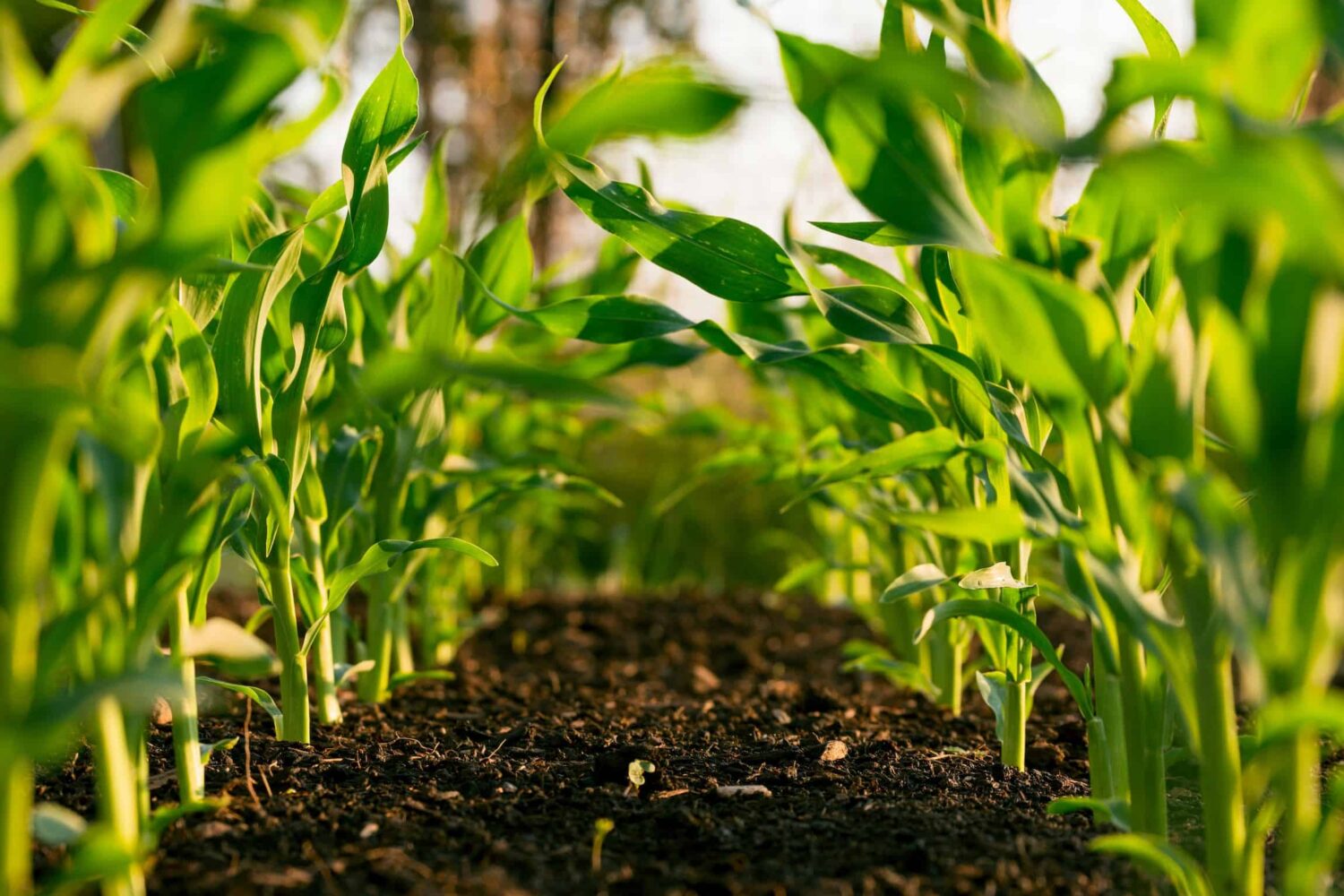
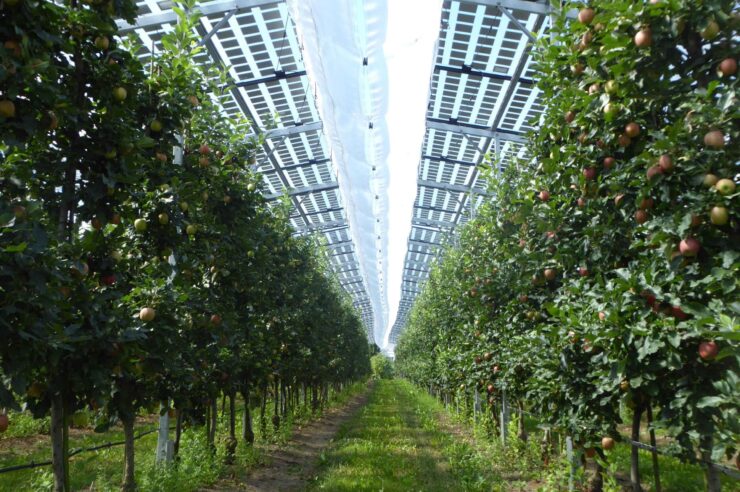
‘When farmers aren’t using pesticides, crops have to build their own natural pest repellents’. Image: Steven Weeks
Williamson pivoted to human health and nutrition after 15 years working as a vet, studying at King’s College London. There, immersed in the thinking of professor of genetic epidemiology Tim Spector, she learned about the vital role of the human microbiome – the bacteria, fungi and viruses that inhabit our intestines and underpin overall health. Besides bolstering our immune system, this vast, microbial ecosystem breaks down dietary fibre and synthesises essential vitamins, all while crowding out harmful, disease-causing bacteria.
It’s a similar picture in healthy soils, where bacteria and fungi help to unlock nutrients for plant roots. “When farmers aren’t using pesticides, crops have to build their own, natural pest repellents,” explains Williamson, whose book, Soil to Gut, is out this summer. “They do that by making more plant nutrients called polyphenols, and that process depends on soil microbes.”
Human diets rich in polyphenols – a type of antioxidant – have been linked to reduced risks of cancer, heart disease, type 2 diabetes and Alzheimer’s. “They’re rocket fuel for our gut microbes,” Williamson says. “Those microbes then produce vitamins and thousands of beneficial compounds, which impact our health beyond our gut. They balance blood cholesterol and help manage inflammation in the body, which we know contributes to so many modern-day chronic conditions.”
Diets rich in polyphenols – a type of antioxidant – are rocket fuel for our gut microbes
The idea that healthy soils might nurture healthy people isn’t new. In the early 1900s, English botanist and pathologist Sir Albert Howard – a leading light of the then nascent organic farming movement – was working as an agricultural adviser in India when he noticed a pattern. Traditional Indian farming practices produced healthier soils than conventional systems back in his UK homeland. Crops were abundant. Livestock and villages thrived.
Despite today’s resurgence in regenerative farming, modern science has yet to prove a definitive causal link between soil and human health – but it’s catching up. One study, published in the British Journal of Nutrition, found that polyphenols in organically grown fruit and veg could be as much as 60% higher than in non-organic equivalents.
Meanwhile in the Netherlands, a ‘food pharmacy’ initiative run by HarvestCare, a company bridging the gap between regenerative farming and healthcare, has been ‘prescribing’ organic food boxes to type 2 diabetes patients. The results of an independent study of HarvestCare’s work by researchers at Leiden University are due later this year, but anecdotal evidence suggests patients have seen health improvements.
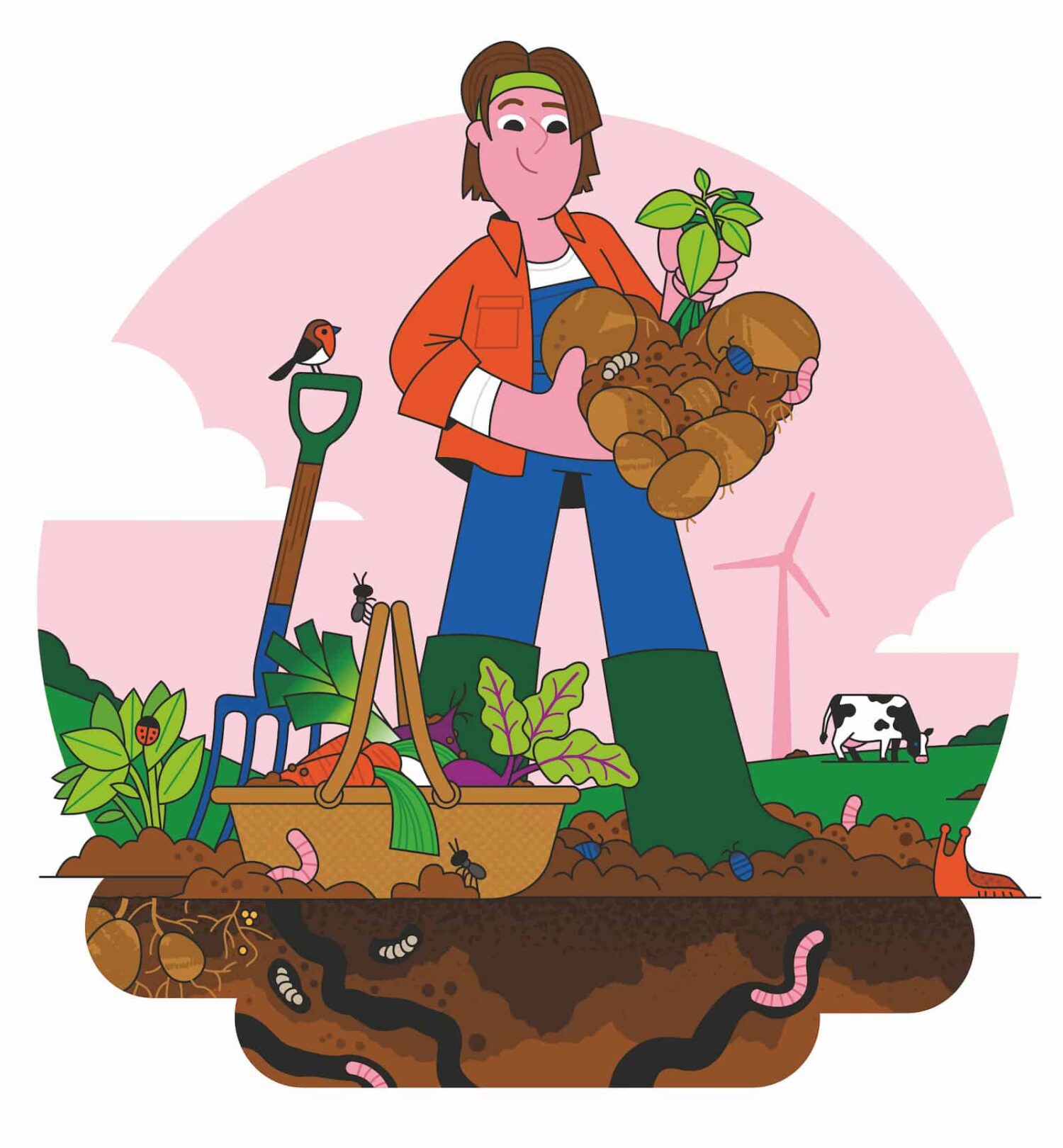
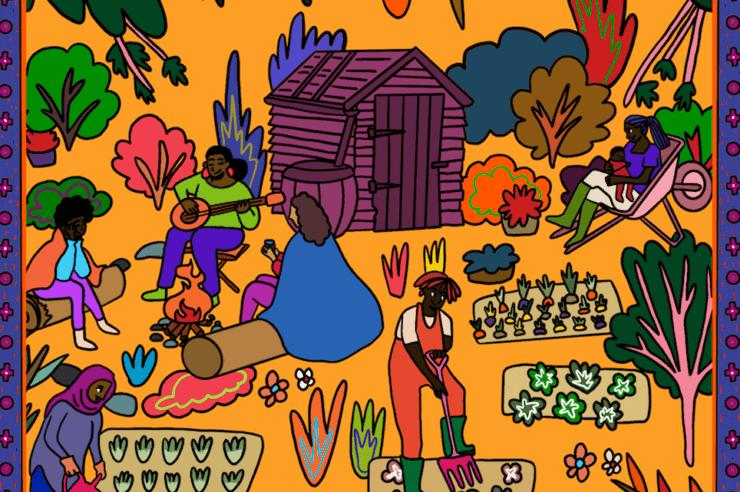
Food brand Yeo Valley Organic is actively probing the links between organic regenerative agriculture and nutrition. Illustration by Spencer Wilson
“We can definitely see a connection,” says the organisation’s founder Zuzanna Zielinska. “They lost weight, reduced their body mass index and mostly increased their quality of life. One woman lost six kilos and drastically reduced the impact of the disease.”
In the UK, food brand Yeo Valley Organic has been pioneering organic regenerative farming for over 30 years. Ongoing projects track soil health and wider farm biodiversity, while beef and dairy cattle graze on diverse herbal leys rather than monoculture pasture.
The company is also actively probing the links between organic regenerative agriculture and nutrition – Williamson has advised on its nutrition strategy in the past. Additionally, the brand is partnering with the University of Exeter to offer a fully funded PhD to investigate how progressive organic farming impacts the nutritional quality of dairy products.
Dan Thurston is the company’s innovation manager, their Willy Wonka of dairy produce, tasked with dreaming up new takes on yogurt and ice cream. “We’re continually investigating new and existing ingredients and technologies to support our customers’ gut and overall health,” he says. “Whether that’s how we process and cook our organic fruit for yogurt flavourings, or how we can get more fibre in there.”
Thurston also brings a personal mission to the role: “With my background in nutrition and product development, I’m always asking how I can I positively impact people’s lives – how can I improve their diets, aid longevity and reduce the risk of deficiencies and disease,” he says.
“I think people are becoming more curious about where their food comes from and what it provides for them and their body. We’re trying to provide some of the answers.”
Main image: Nastco