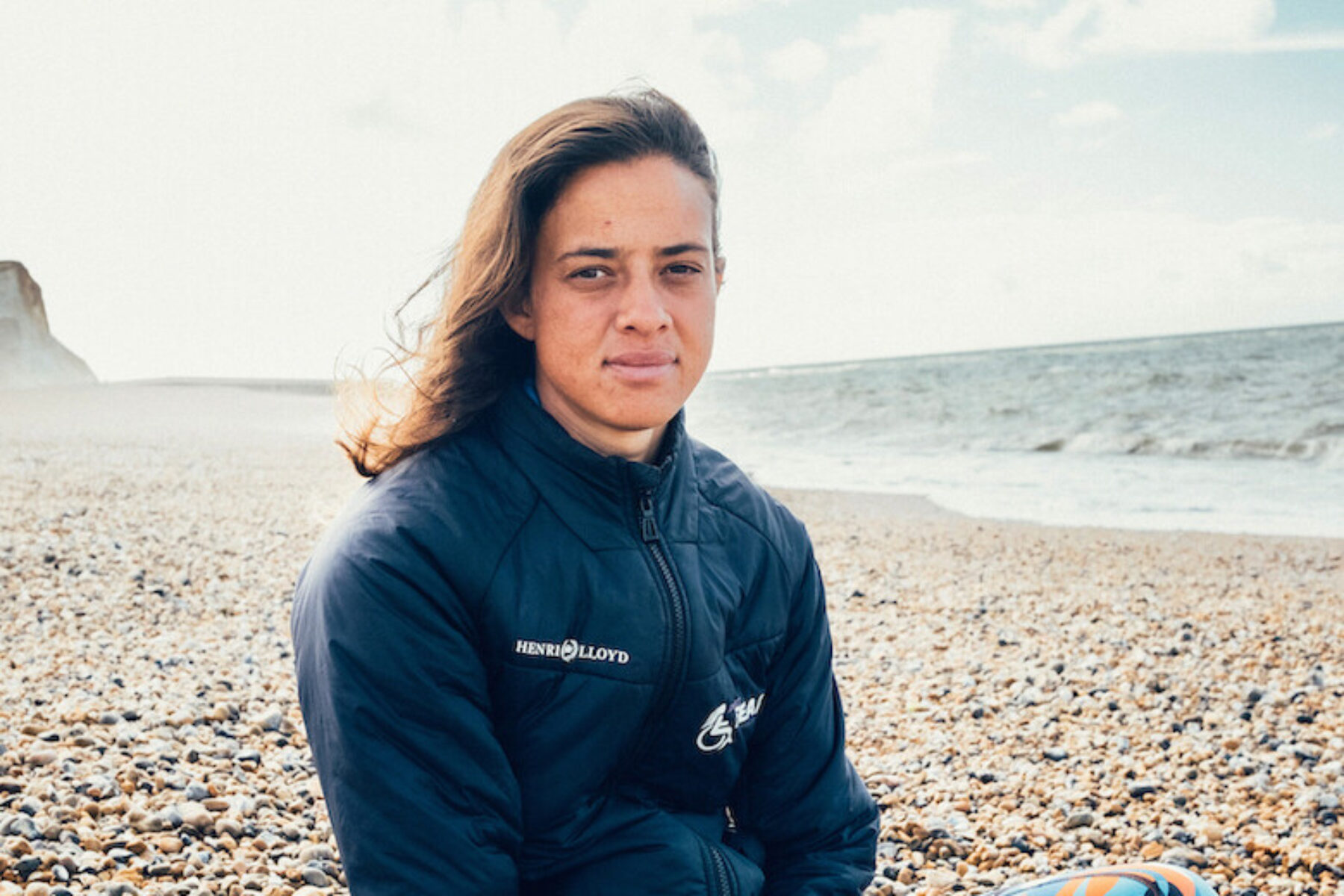
Faced with a terminal diagnosis, 27-year-old sailor Jazz Turner refused to give up on her dreams and recently circumnavigated the UK solo
A decade ago 27-year-old Jazz Turner from Seaford, East Sussex was diagnosed with an incurable condition called Ehlers-Danlos syndrome. Whilst the illness is poorly understood and can often be managed, complications arose, and her health is getting progressively worse. They said she might have less than two years to live.
“They can’t give me a real estimate because my condition is so poorly understood, but I’m completely prepared,” she says. Her attitude? “We focus on quality of life, rather than quantity of life.”
That “we” explains a big part of her positivity. Asked who she means, she lists her partner, Adam; her foster parents, Chris and Carolyn; friends from her local Newhaven and Seaford Sailing Club; and more than 100 fellow disabled people she knows through boating charity Sailability.

All share a common link: the joy of being on the water. For Jazz, whose condition causes severe muscular, gastrointestinal and cardiovascular problems, sailing is as close as she gets to feeling free.
“It’s the one place where nobody sees me as a wheelchair user or disabled or a girl. I’m just a sailor,” she says. “At sea, Mother Nature couldn’t care less who you are, what you are or where you come from – all it cares about is your ability to adapt to the conditions.”
Adaptability is a quality Jazz has in spades. Last summer, after 28 days of being tossed around by rough seas and lashed by rain, she became the first disabled woman to complete a solo, non-stop, unassisted circumnavigation of the UK and Ireland.
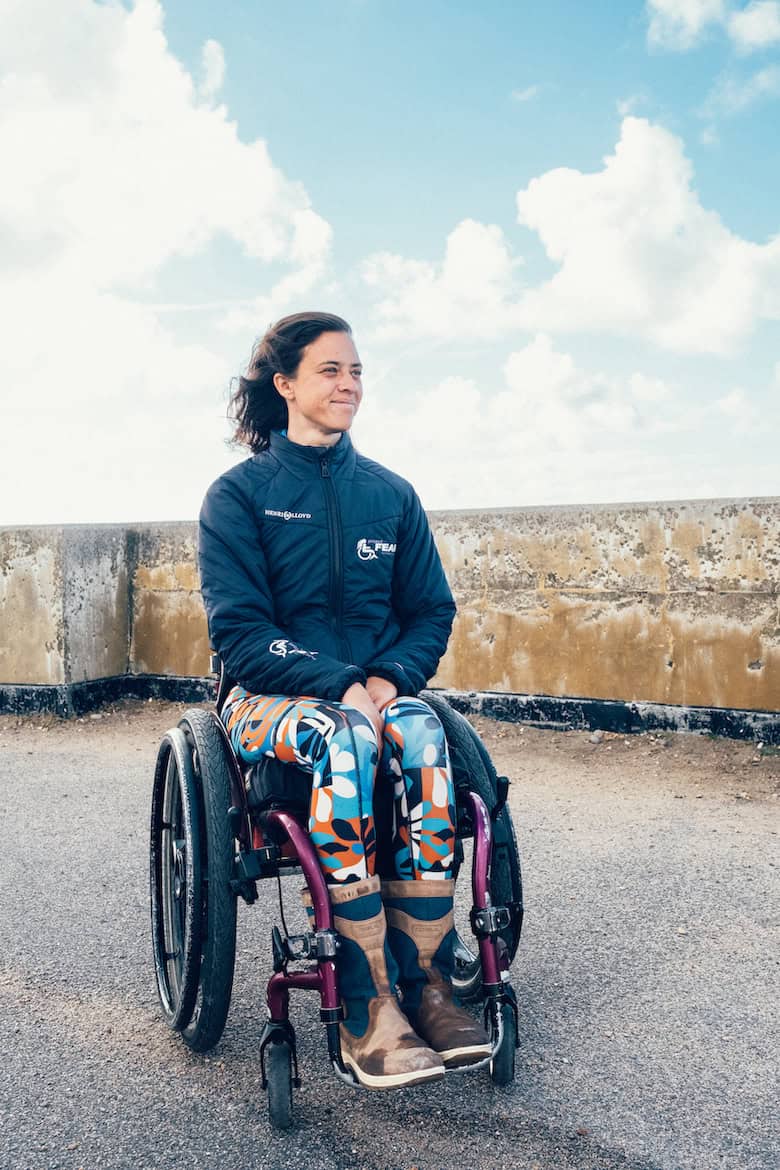
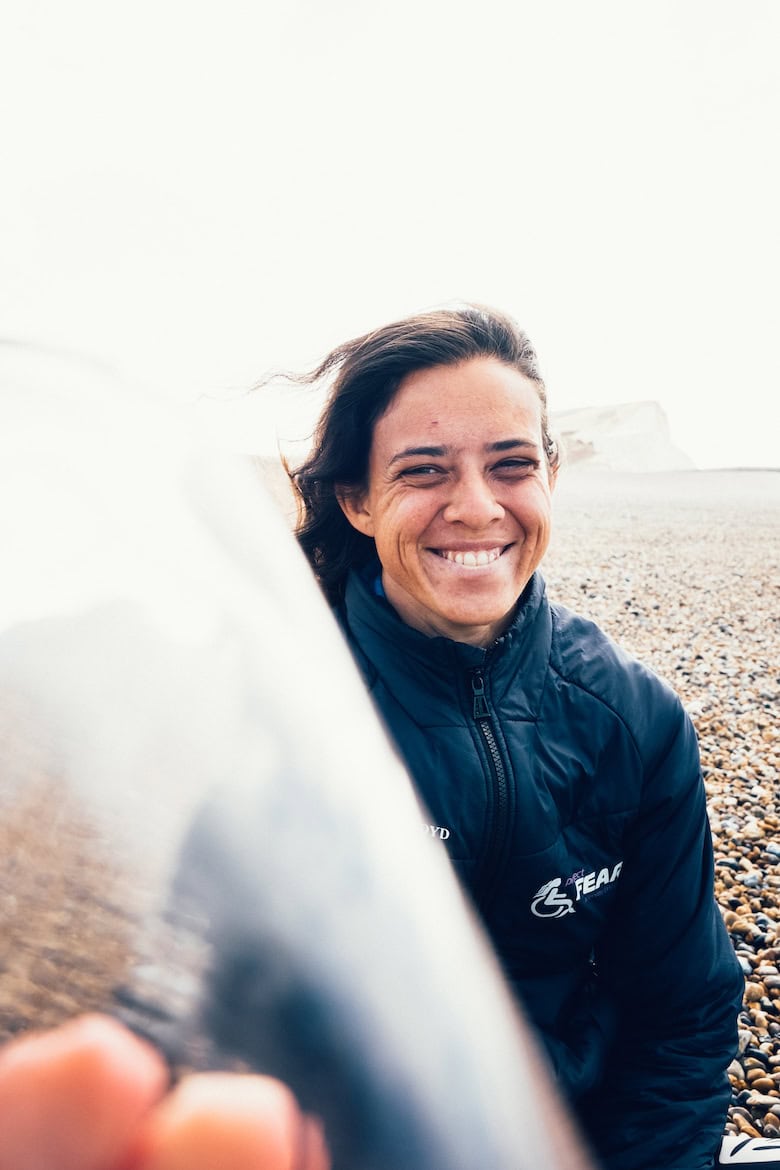
No engine, no support crew, no wheelchair, no medical help. Just her, her boat and the wind. As well as finding it painful to hold her own weight and with joints prone to dislocation, her condition means she’s prone to fainting. Rather than panic, she’d simply batten everything down, strap herself in, and wait calmly until she came round. Often cold and perpetually tired, her record-breaking voyage left her feeling “pretty fed up” at times, she admits. Yet every time her spirits dropped, the ocean found a way to lift them again – with a glorious dawn, a sudden burst of wind, or, most memorably, a pod of dolphins that played alongside her boat.
“There were definitely lots of down moments,” she recalls, “but every time I felt ready to give up, the sea or nature would bring out that magic something that I needed and suck me back in.”
Taking on challenges is nothing new for Jazz. The child of divorced parents – her father living abroad, her mother struggling with addiction – she spent her early years “bouncing between” countries and schools.
Every time I felt ready to give up, the sea would bring out that magic something that I needed and suck me back in
In her late teens, she found herself effectively homeless, estranged from her mother and living alone in a camper van. Support from her local sailing club eventually led her to her foster parents, and helped her rebuild her life.
After doctors gave their final prognosis in December 2023, Tuner chose to withdraw from further treatment because of its life-limiting effects. Sadly, she has now moved into hospice care.
“What I decided was that I would plan as if I have forever, but live as if I only have today.”
Photography: Alex Thomas
Support solutions in 2026
At Positive News, we’re not chasing clicks or profits for media moguls – we’re here to serve you and have a positive social impact. We can’t do this unless enough people like you choose to support our journalism.
Give once from just £1, or join 1,800+ others who contribute an average of £3 or more per month. Together, we can build a healthier form of media – one that focuses on solutions, progress and possibilities, and empowers people to create positive change.