In an increasingly disconnected world, here are seven resolutions to end the doomscroll and rebuild everyday connection
In a fractured world, it is easy to let vital community connections slip away. Busy lives pull us out of touch with others – and often with ourselves. As a new year begins, there is an opportunity to pause and reset. From simple daily rituals to stepping up to civic life, these resolutions invite a slower, more intentional way of living, helping you rediscover belonging, purpose and deeper connections in everyday life.
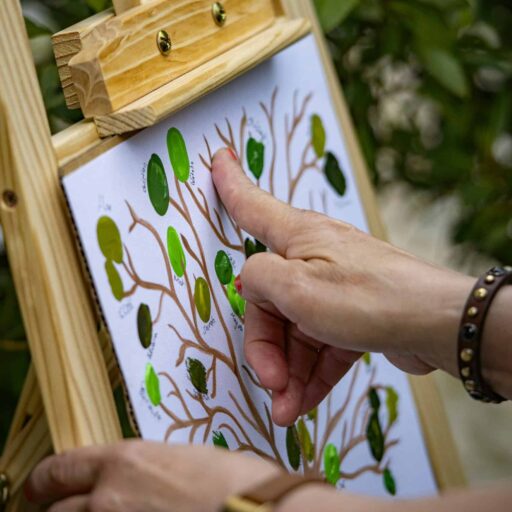
Have you ever wondered about the origins of a local place name, building or monument, or paused to think about the lives that shaped your community? Unearthing the past strengthens our connection to the present, sparking curiosity and conversation while fostering a sense of place. Local libraries – rich with archive material – are a good place to begin.
“Local history is an excellent way to connect, it enables a connection to the past through the world around us by learning around the place in which we live, or another place with meaning to us,” says Joe Saunders, local historian and vice-chair of the British Association for Local History. “By learning about our local history we can reconnect, or connect for the first time, with past communities and with present people, especially through our neighbourhoods or local societies.”
Even closer to home, tracing your own ancestry can be equally rewarding. Jen Baldwin, a research specialist at the online genealogy platform Find My Past, suggests talking to older relatives to uncover memories and family stories.
“Family history is about understanding our ancestors and the world in which they lived – the challenges they faced, the choices they made – to really bring their stories to life,” says Baldwin. “If you’ve ever wondered where you come from, there’s no better time to start reconnecting with your roots.”
Image: Joshua Manjgo

Journeys between home and work offer a daily chance to reconnect with your thoughts, feelings and surroundings. Leave your headphones in your pocket and banish screens. Walk part of the way, noticing sounds, sights and smells, or use the time for breathing exercises or meditation. Instead of doomscrolling through dead time, the commute becomes a pause for self-care and a way back to the rhythm of daily life.
Image: Arthur Humeau
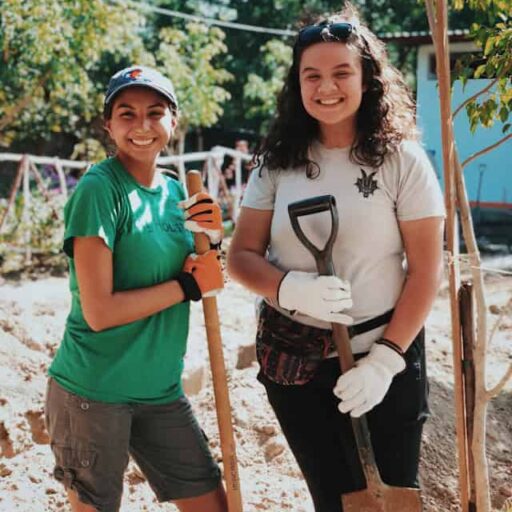
The benefits of giving back are many. Volunteering builds social connections, combats isolation and develops skills, while offering fresh perspectives on local life.
It does not have to mean sacrificing every spare moment. Many organisations now offer employer supported volunteering, allowing staff to share professional skills for good.
“Even with our busy lives, there are ways to contribute without a huge time commitment,” says Clair Swales, CEO of the Powys Association of Voluntary Organisations, a voluntary council in Wales.
“Microvolunteering is a flexible option, involving short, specific tasks with no expectation to volunteer regularly. You could support a local group by designing a logo, helping with social media, or painting community spaces. Every contribution makes a real difference.”
Image: Victoria Gonzales

Instead of firing emojis into WhatsApp or dashing off a hurried email, let your thoughts spill from the tip of a pen – even if it is a half-chewed biro. Handwritten letters demand time and attention, making them more personal than anything composed in pixels. For the recipient, there is a simple thrill: snail mail is tangible proof that someone cared enough to slow down.
Martha Keith, founder of stationery gift store Martha Brook, launched the Lovely Letter Exchange during Covid, matching strangers around the world to swap handwritten notes. What began as a one-off moment of connection has since become an annual event.
“Letter writing means a rare chance to slow down and rediscover the simple pleasure of putting pen to paper, while bringing an unexpected moment of happiness and connection to the person receiving it,” says Keith.
Image: Cottonbro Studio
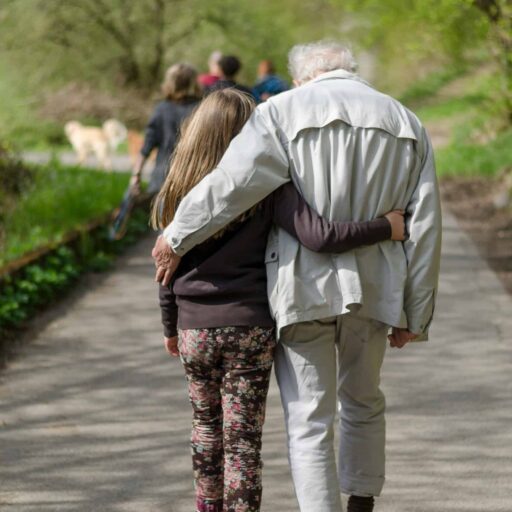
Intergenerational friendships challenge stereotypes and foster empathy, strengthening the social fabric.
Community centres, libraries and local voluntary councils often run schemes that bridge the age gap, from tech help for older people to shared activities such as cooking, music or gardening, as well as storytelling sessions that preserve local memories.
Research shows these exchanges boost wellbeing, confidence and belonging for young and old alike, reminding us how much we still have to offer – and learn from – one another.
Image: Janosch Lino
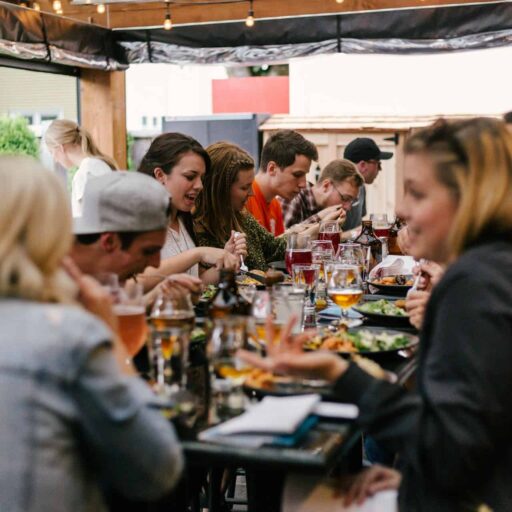
TV dinners and snacks on the go may suit busy lives, but few things rival the joy of breaking bread with others. Sharing food is one of humanity’s oldest rituals, inviting conversation and belonging.
“I think it’s so important to sit down at least a couple of times a week and really enjoy food with others, with no phones or distractions,” says private caterer Antonia Grace.
Grace runs regular supper clubs in her hometown of Hebden Bridge, West Yorkshire, where diners often arrive as strangers and leave as friends. Sharing food, she says, is an ice breaker to savour. Grub Clubs across the country offer similar chances to meet others over a friendly meal.
“People are often surprised at how relaxed the dinners feel,” says Grace. “There’s real gratitude for the space to slow down, sit together and meet someone new.”
Image: Priscilla du Preez
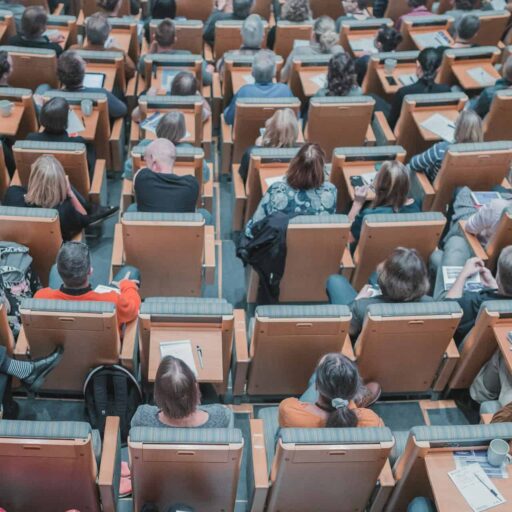
Grassroots democracy offers another route back to community life. Parish and town councillors do far more than rubber stamp planning applications, shaping decisions on climate action, housing, health, wellbeing and local infrastructure.
“Strong communities don’t happen by chance – they thrive when people come together, give their time and step forward to make a difference,” says Justin Griggs, head of policy at the National Association of Local Councils.
In England alone, 10,000 parish and town councils and around 100,000 councillors form the most local and accountable tier of government. Collectively, they work more than 14 million hours a year providing leadership and giving communities a voice.
Griggs says councils are seeking new faces from all walks of life. “They are strongest when people from different backgrounds, ages and experiences bring their perspectives to the table,” he says. “By standing to serve, individuals can help ensure their council truly turns local voices into meaningful action.”
Image: Mikael Kristenson
Main image: Caroline Attwood