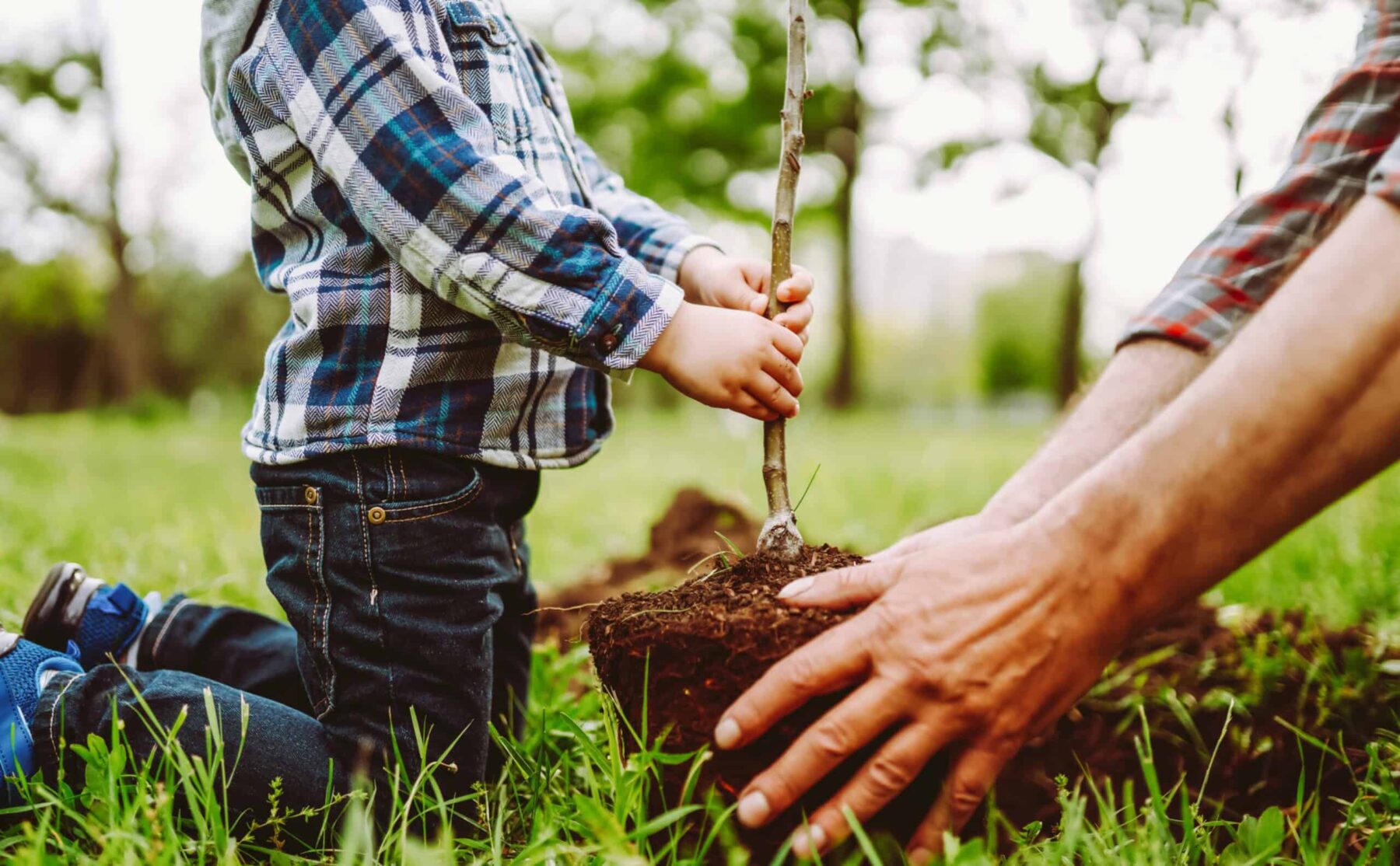

A survey of 1,000 UK children has revealed that their growing concerns about the changing climate are starting to have surprising knock-on effects
Emily Richards is only 11, but caring for the environment has always been on her agenda. “I’ve done it for a long time,” she says. “It started when I was younger. I want to save the planet, to save the things we have.”
And, if you ask Emily what she does to help, she has a big list. As well as becoming vegetarian a few years ago, she sorts the recycling and goes on regular litter picks around her hometown of Swindon with her sister Alice. “Normally, we get at least a bag-full, sometimes more,” she explains. “We put it in our baskets on bikes.”
Emily is far from alone in experiencing climate concerns: when UNICEF UK spoke to some 46,000 children in 2021, 95% were worried about the climate crisis, with almost nine in 10 saying that not enough was being done to tackle it. Now, research from ethical bank Triodos suggests these feelings could be trickling down to parents in unexpected ways.
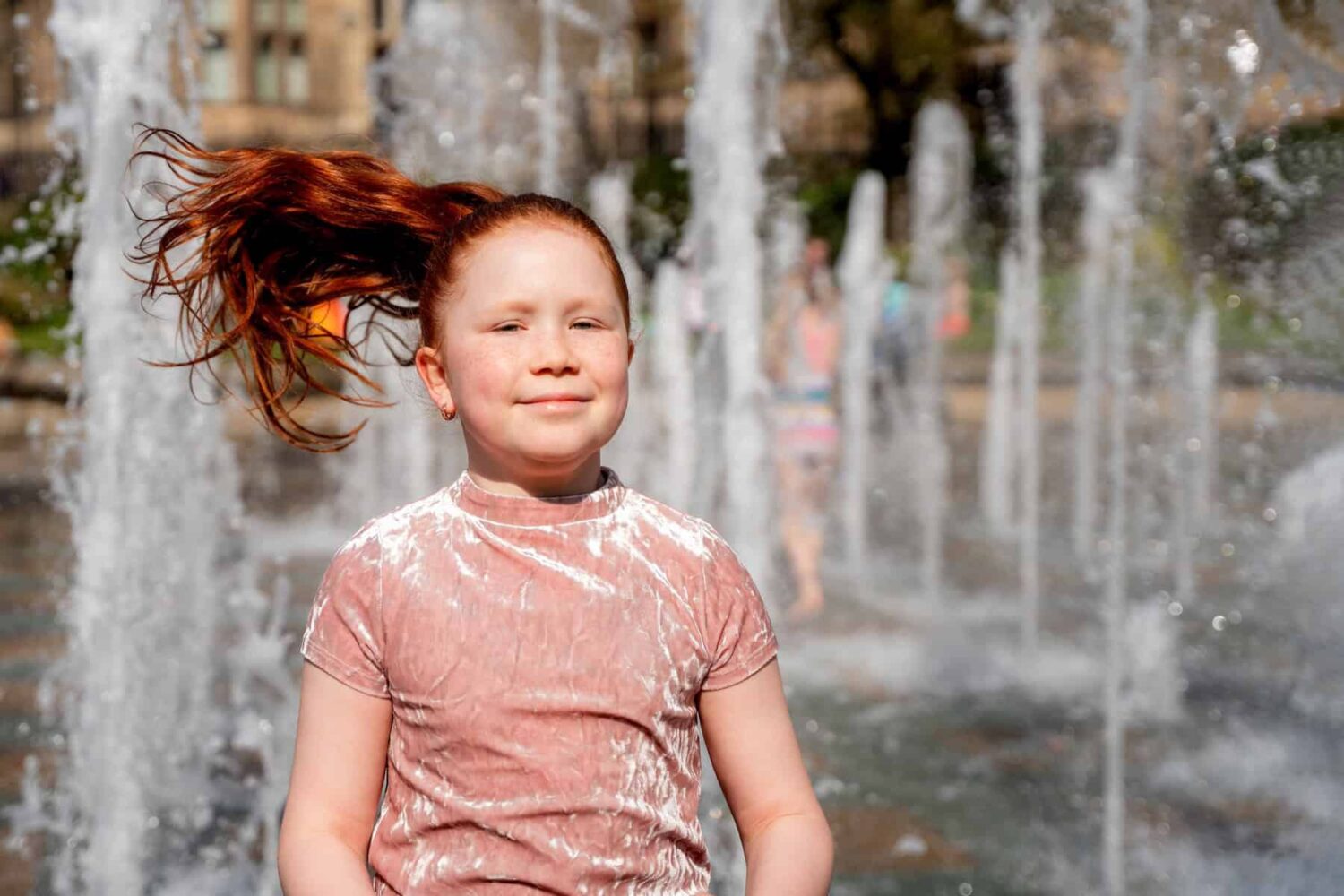
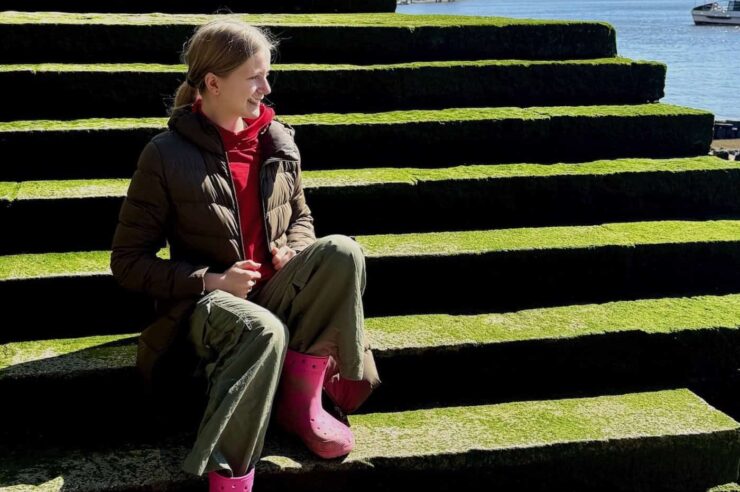
Children are noticing how their summers feel different, as heatwaves become more common. Image: Iryna Melnyk
The survey of more than 1,000 8-16-year-olds and their parents found that children were already feeling the effects of a changing climate. Three-quarters said this summer’s hot weather meant their school days felt different now, and almost the same proportion were directly worried about what this could mean for their futures.
As a result, 81% think banks should be using their money to help the planet in the long term. And parents are starting to take notice: almost 70% of their parents say they’re now thinking more deeply about financial choices.
“Young people care about where their money goes,” says Roger Hattam, chief commercial officer at Triodos Bank UK. “We believe finance should be a force for positive change, including the money we put aside for future generations.” It’s one of the reasons the bank has launched a new range of junior savings products, including ISAs.
It’s a stark contrast to how parents used to view savings and investment: only a quarter said they’d considered the impact on the planet when setting up a savings account for their child, with the primary concerns being security, interest rates and ease of use. While the research found fewer than two in 10 children actually asked their parents to change their bank, as climate impacts intensify, this could increase.
Charlotte Howell-Jones is the co-director of Parents For Future UK, where she’s campaigning for a safer climate for all children. She believes the past summer of extreme heat and wildfires has left more parents “seriously wondering what kind of world [their children] will be living in.
“I think you have that epiphany when you become a parent – everything changes. There’s [a] kind of protection mode; I’m going to feed them, we’ll keep them warm. But when you start to feel these climate impacts, [you think], I need to protect them from this as well.”
The nature and climate crisis are major concerns for our family – I would love my children to inherit a regenerative future with abundant wildlife
It’s a feeling that resonates with Jon Richards, Emily’s dad. While he’s always tried to focus his graphic design business around working with brands that “do good for people or the planet … having children does amplify that decision”. As a result, he’s recently switched his pension to a more climate-friendly option, though he stresses it’s an ongoing journey. “You can always improve,” he says. Next on Richards’ list is checking the credentials of his bank.
Making choices now to safeguard his children from future climate impacts also resonates with Tom, who’s used ethical banks such as Triodos for decades. “I think the way we bank and who we bank with should help to build as positive a future as possible and not erode the world where our children grow up,” he explains. “The nature and climate crisis are major concerns for our family – I would love my children to inherit a regenerative future with abundant wildlife.”
Switching to an ethical bank can feel like a small change, but it can make a big difference – many traditional high street banks are still pouring hundreds of billions of pounds into fossil fuel and other environmentally damaging projects. As a result, the Financial Conduct Authority introduced new anti-greenwashing rules in 2024 to target misleading claims about what banks do with their money.

Jon Richards with daughter Emily, who was voted 'most likely to save the planet' at school. Image: courtesy of the Richards family.
“I do think it’s one of the most powerful actions parents can take on behalf of their kids and the planet,” says Howell-Jones. “Money is such a powerful tool for protecting the planet, whether that’s switching your bank account or your pension. Just check how ethical your bank is as a starting point – bank.green is a really good website to see whether your bank is investing in fossil fuels or deforestation. There are lots of mechanisms out there to support people, it doesn’t have to be a painful process.”
For Emily, who was also voted ‘most likely to save the planet’ at school last year, starting small is crucial. “I say to my friends to try and start doing something little to save the planet, but not a big thing. If you start on something, and then you build on it, it makes you [feel] better and better.”
Main image: Maksym Belchenko