What does a polluted river feel like to a salmon? An unusual experiment is helping a Somerset community see its landscape through the eyes of wildlife – and plot a 30-year route to change it
The stress of being fenced out of fresh drinking water. The aching hunger that comes with habitat destruction. The sensory assault of machinery and traffic.
All risks that wild animals routinely encounter as they navigate our modern landscapes. Now, in a study designed to understand such pressures from an animal’s perspective, humans have tried to experience them too.
“We really pushed our study participants to think about the whole animal life, not just the standard: ‘What do they eat?’ stuff,” said Phil Tovey, who devised the research to explore the threats facing wildlife on and around Somerset’s pollution-hit River Tone.
“It’s not that they are wild animals and therefore they suffer, it’s that they suffer because of particular things that we have done, and are continuing to do, to make their life a lot worse.”
The Risks Beyond Human Eyes study was led by the University of the West of England and the Accelerator for Systemic Risk Assessment (ASRA), where Tovey is director.
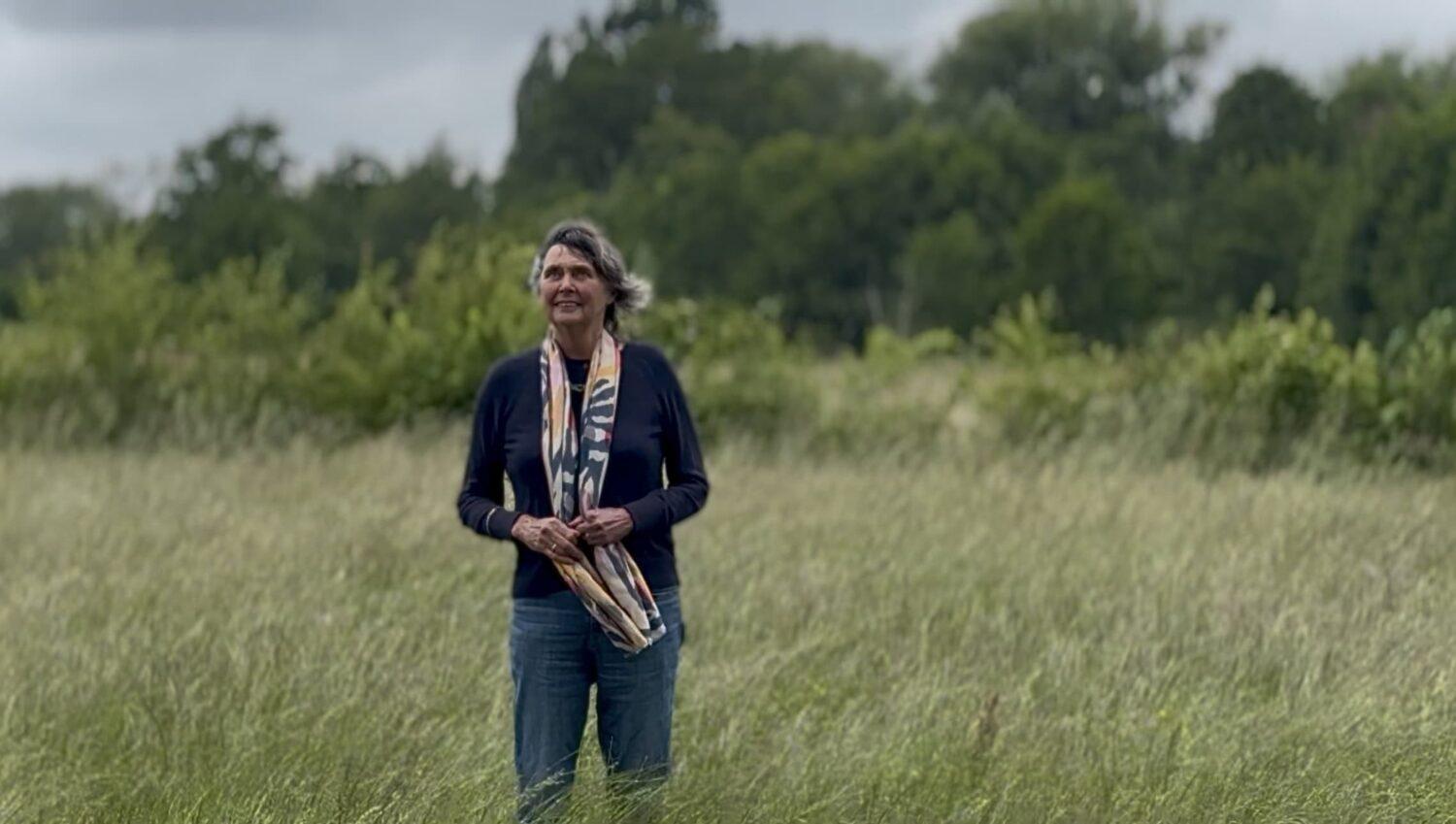
A volunteer experiences the world as a kestrel. Image: River Tone
Eighteen volunteers were trained in the physiology and sensory abilities of a chosen animal – red deer, kestrel, earthworm, otter or salmon – before heading out to experience its world firsthand.
Jake Lawy explored the river from the perspective of an Atlantic salmon, swimming through polluted, poorly oxygenated water. “When I put myself in the position of the salmon, I saw the impacts in my local area,” he says. “We could turn off street lights close to the river, remove old weirs. I think we have a cultural blindness to the harm we cause wild animals, but once you see it, you can’t unsee it.”
Tovey was surprised by the depth of the group’s insight. One participant, experiencing the area as a deer, described an earthwork piled behind a stretch of fence. “It changed the whole smell register, so she couldn’t tell where she was.” Another, a soil ecologist, gave an account as an earthworm and was unexpectedly overwhelmed by the vibrations from a farm generator.
“Everyone, in their own way, tapped into something they didn’t expect,” said Tovey.
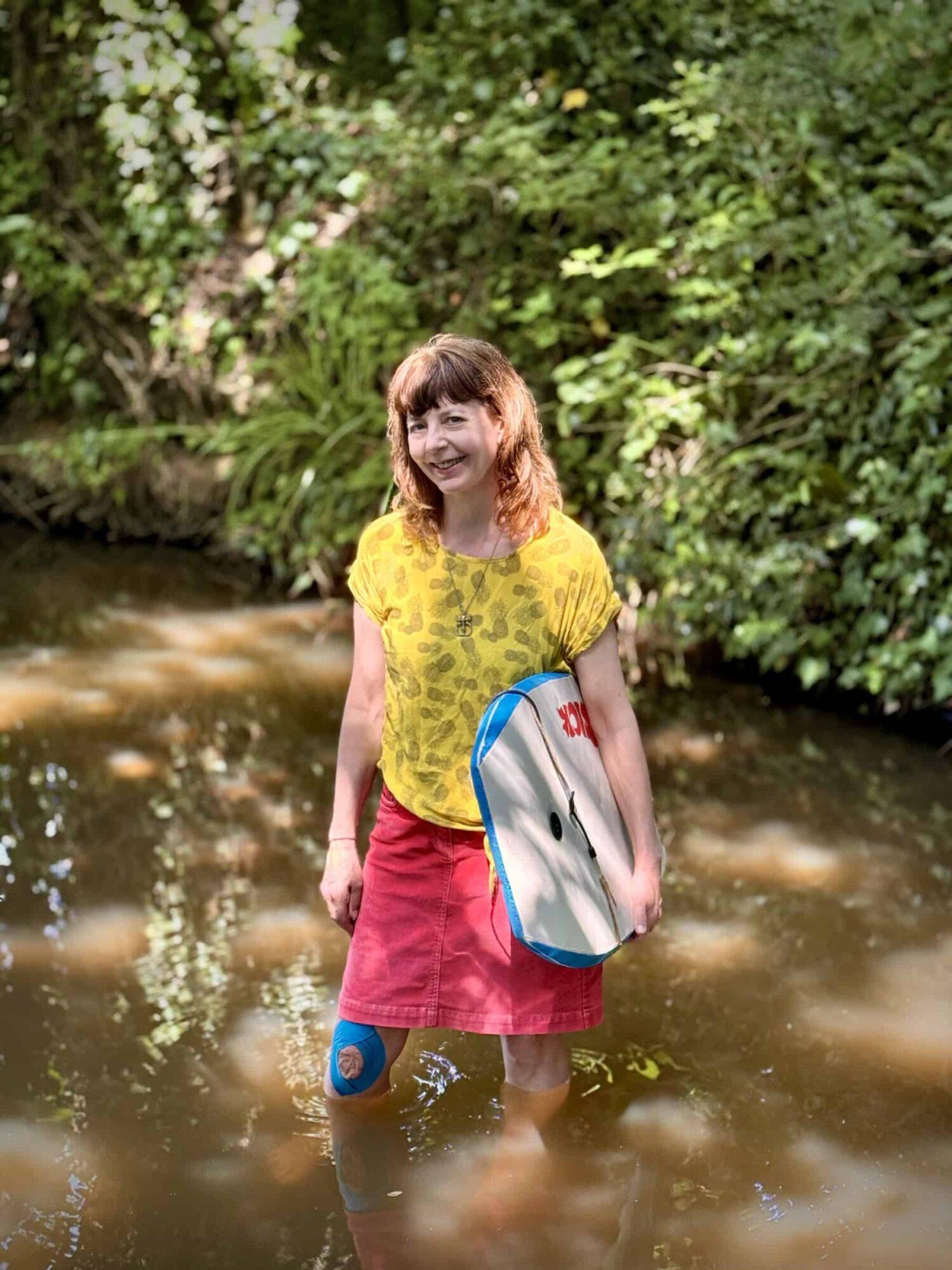
Some volunteers experienced the world from the perspective of an Atlantic salmon, by swimming through polluted water. Image: River Tone
Considering human-made risks to wildlife avoids reducing biodiversity to a numbers game, he suggested. Population counts show how many animals exist in a landscape but cannot capture the quality of life of an individual, such as a deer nursing a broken leg after being hit by a car.
The study, funded by the Ecological Citizen Network, has now identified and mapped risks and published them in an online database. The approach will be explored further in a public webinar, Through Fur, Claw and Whisker: Lessons from Risk Assessment Beyond Human Eyes, on 18 November.
The study has also inspired a distinctly unconventional approach to restoring the Tone. Drawing on his experience as a Royal Marines Commando, Tovey has helped the community develop a 30-year campaign. The group has adapted an open-source MoD document on planning complex, large-scale operations to map out its strategy for revitalising the river.
The finer details are being kept under wraps, reflecting the campaign’s strategic approach. “This is really serious operational planning,” said Tovey. “The only other time I’ve ever seen it on this level is in a bunker in operations overseas.”

He can say that the plans take inspiration from the Global Nonviolent Action Database, an online archive of peaceful campaign tools ranging from petitions and demonstrations to civil disobedience. The campaign is designed to move through increasingly assertive but nonviolent tactics if earlier approaches fail.“There’s a tendency to view community groups as impoverished and marginal and nice – but definitely not effective or to be taken seriously.
“But they have the capability to drive change. We’ve re-established that: this is your place, these are your animals, and they live here in the same way you do.”
Main image: Darren Honeywell
Because the world needs it
Positive News reports on the people and ideas driving progress. We believe that giving attention to solutions helps them spread.
Our journalism is independent and powered by our readers. There are no media moguls or shareholders extracting profits: your contribution funds our work to investigate what’s working, understand why, and bring those stories to a wider audience.
If you value a fuller picture of what’s happening in the world, please become a Positive News supporter today.