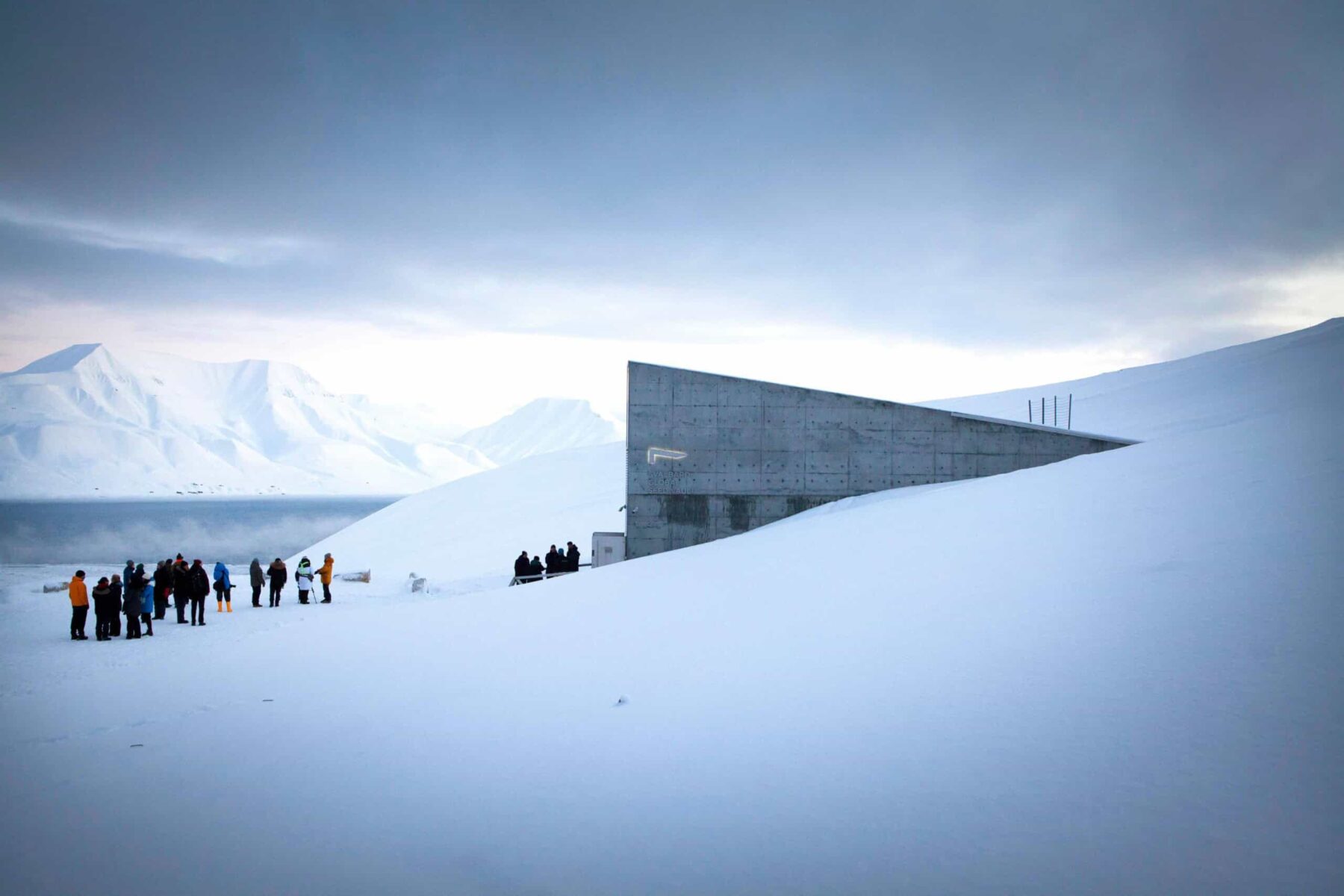
Far beneath the Norwegian Arctic lies a remarkable act of long-term thinking: a global collection of seeds designed not just to survive the worst, but to help build whatever comes next
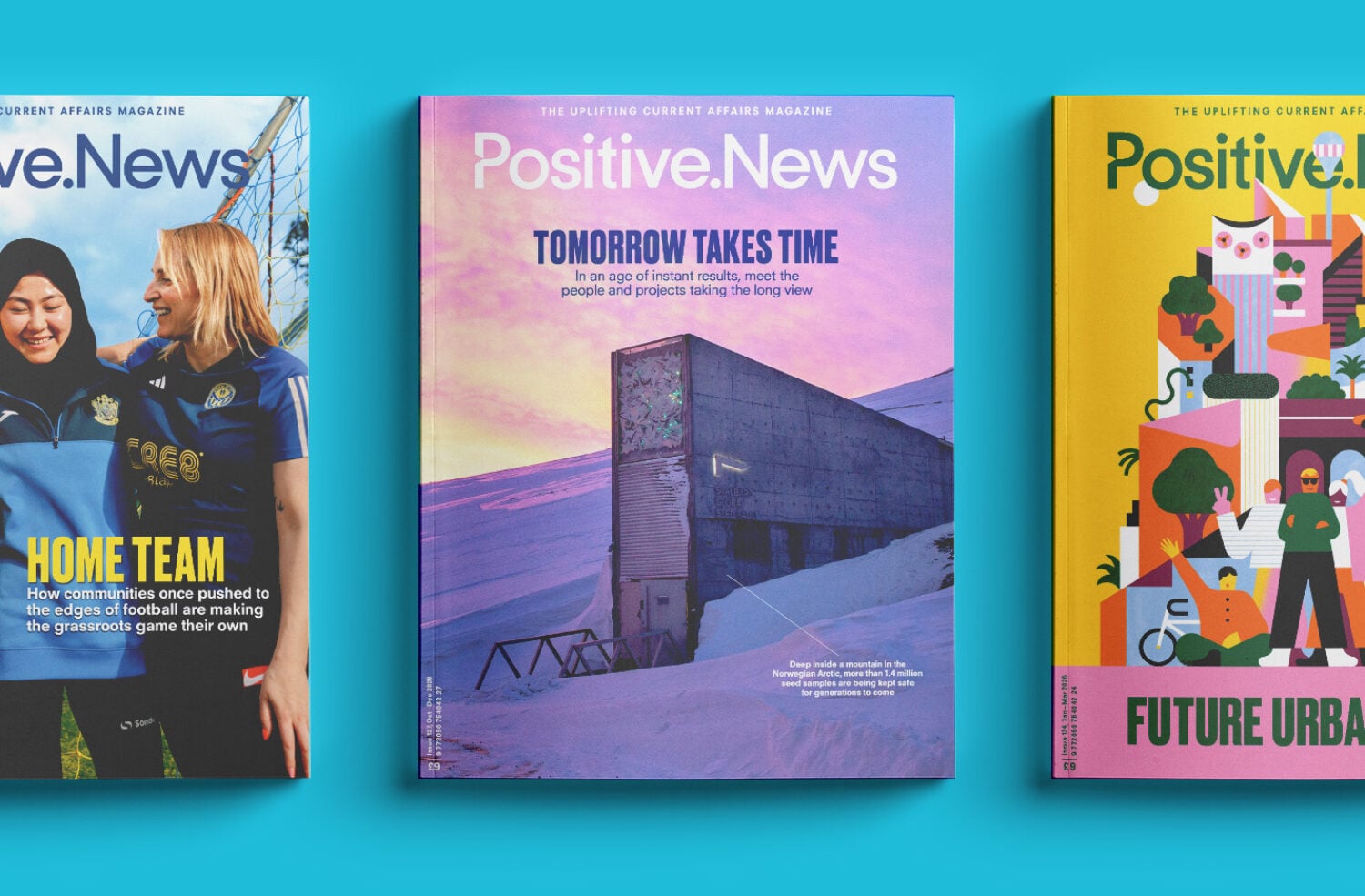
High on a remote mountain in the wild vastness of the Norwegian Arctic, a tunnel runs deep, deep into the earth. From outside, it looks like something from a Bond film: the secret lair of Dr No, perhaps? But inside, sealed safe far below ground, are boxes and boxes of seeds: more than 1m of them, representing an enormous array of the crops on which we all depend, deposited by gene banks across the globe. Together, they could be something of a survival pack for a humanity whose vital food supplies are threatened by climate change, conflict and more besides.
Not for nothing, you might think, does the media regularly dub it The Doomsday Vault.
But the magic that is the Svalbard Global Seed Vault is more complex – and more positive – than that implies. It’s the fruit of a remarkable, quiet international cooperation at a time when the world seems increasingly fractured. It’s also a small miracle of forward thinking in an age dominated by short-term politics and TikTok attention spans. Thinking of a sort that’s desperately needed as the climate crisis disrupts all the certainties on which farming and our food supply are based.
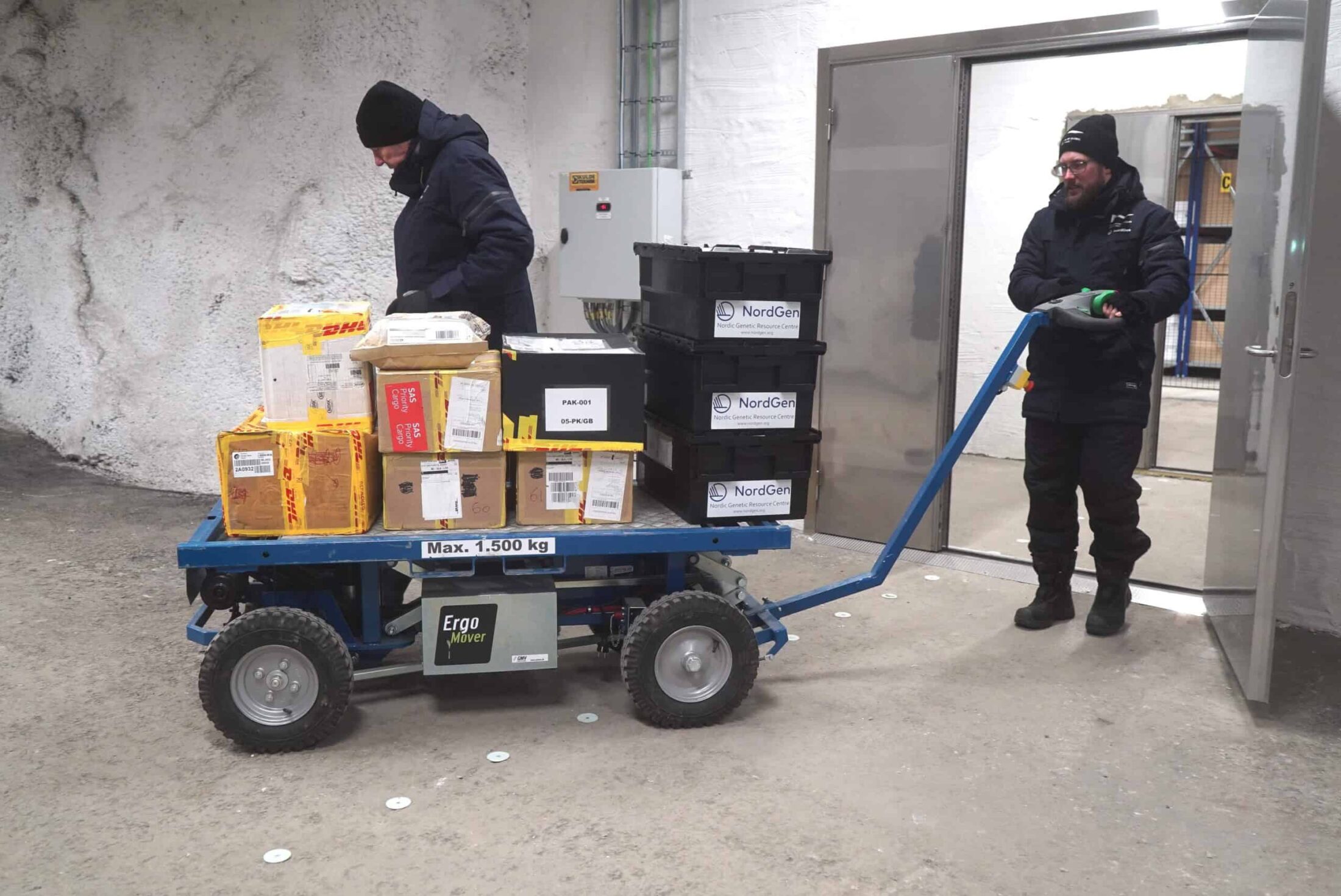
So far, gene banks in more than 100 countries – including some not known for collaboration on the global stage such as North Korea and Syria – have deposited samples, covering every conceivable species of crop. So, there are numerous varieties of everyday staples, such as rice, wheat, maize, barley and beans, including thousands of regional and ancient varieties, some less prone to modern diseases, and potentially offering resilience through diversity in the face of a warming world. A gene bank in Guatemala, for example, has deposited seeds of a weedy, wild-looking grass called teosinte: the direct, if distant, ancestor of modern maize.
Then there’s everything from olives to chilli peppers, along with medicinal plants. Each new deposit expands future possibility, by offering more raw genetic material to breeders of the future, who may face problems that do not yet even have names.
I’m surrounded by boxes containing intellectual property that has been created by humans over thousands of years, here in one place
Thanks to the vault’s constant, cool temperature of around -18C, the seeds can remain viable for decades, even centuries. Its location was chosen to ensure that, if power supplies fail, the seeds can still be recovered by some future generation needing to reboot the world’s agriculture. In the words of its incoming coordinator, Fuad Gasi, “it’s the ultimate safety backup”.
The vault has already played a vital role in saving seeds from conflict-hit regions. In June, a consignment of 982 seed samples, covering 19 crops, arrived from Sudan. Getting them out of the country was extraordinarily difficult, requiring the courage of local scientists determined to safeguard its farming future for when peace returns.
Opened in 2008, Svalbard is a joint project, run and principally funded by Norway’s government in partnership with the Nordic Genetic Research Centre (NordGen – a joint Nordic countries initiative, headquartered in Sweden) and the Germany-based Crop Trust, a non-profit “dedicated to conserving crop diversity and making it available for use globally, forever, for the benefit of everyone.”
Any gene bank certified by the UN Food and Agriculture Organization (FAO), government or private, can deposit seeds at Svalbard free of charge. As a condition of the deposit, the gene bank must also deposit seeds with another bank (typically in a nearby country), so boosting the international cooperation that Svalbard celebrates. Meanwhile, while safely stored, the seeds are made available to researchers and educators, helping to boost global knowledge of plant potential.
Crucially, as Gasi explains, the depositing bank also retains ownership of its seeds while they are in the vault, and may request their return at any time. So far, this has only happened once. Soon after Svalbard opened, a gene bank in Aleppo, Syria, which was part of ICARDA (the International Center for Agricultural Research in the Dry Areas – based in Lebanon and operating mainly in the Middle East and Africa), deposited an array of locally important seeds. During the subsequent civil war in Syria, the Aleppo bank was looted and destroyed, and its own seeds lost. But thanks to Svalbard, ICARDA was able to establish new gene banks in Morocco and Lebanon, supplied with the Words by Martin Wright 34 seeds deposited from Aleppo before the war.
Gasi, the vault coordinator, is also a survivor of conflict. He fled the civil war in former Yugoslavia in the 1990s, finding refuge in Sweden, before returning later and building an academic career in plant science at the University of Sarajevo. He cofounded a Bosnian gene bank, which made its own deposits to Svalbard, so had ample experience of its value. In his new role, he can see it literally from the inside. And it’s a remarkable experience, he says.
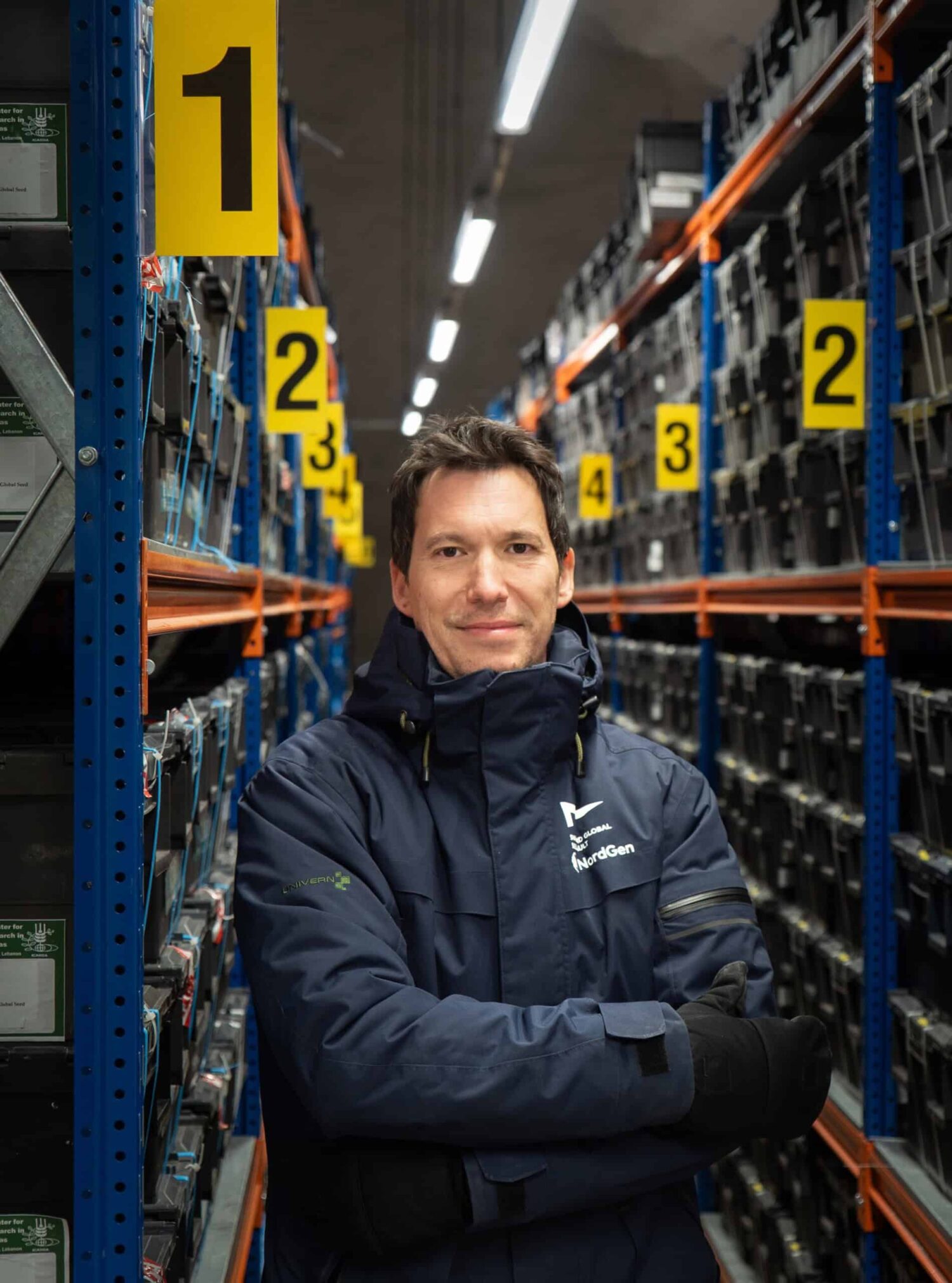
A portrait of coordinator Fuad Gasi in the Seed Vault
“When I’m in there busy labelling the boxes, I forget my surroundings because I’m so focused on my work. I mean, I know I’m in a storage room somewhere, albeit a very cold one, but apart from that … And then I finish with the boxes, and look around, and I realise I’m a couple of hundred metres under a mountain in one of the most remote places on earth. I’m surrounded by boxes from more than 100 countries, containing all this intellectual property that has been created by humans over thousands of years, here in one place … and I think: ‘Wow, this is amazing’.
“You go down a long tunnel … and eventually reach these three huge chambers, and you look up and see the ceiling, carved out of natural rock. It’s like being in a cathedral.”
Gasi is similarly struck by the faith in the future that the vault embodies. “I come from a part of the world where, for hundreds of years, there would be at least one war in every generation. So, I’d never felt a sense of stability.” It’s something he had in common with most fellow Bosnians. “It was really hard for people in that region to think long term.”
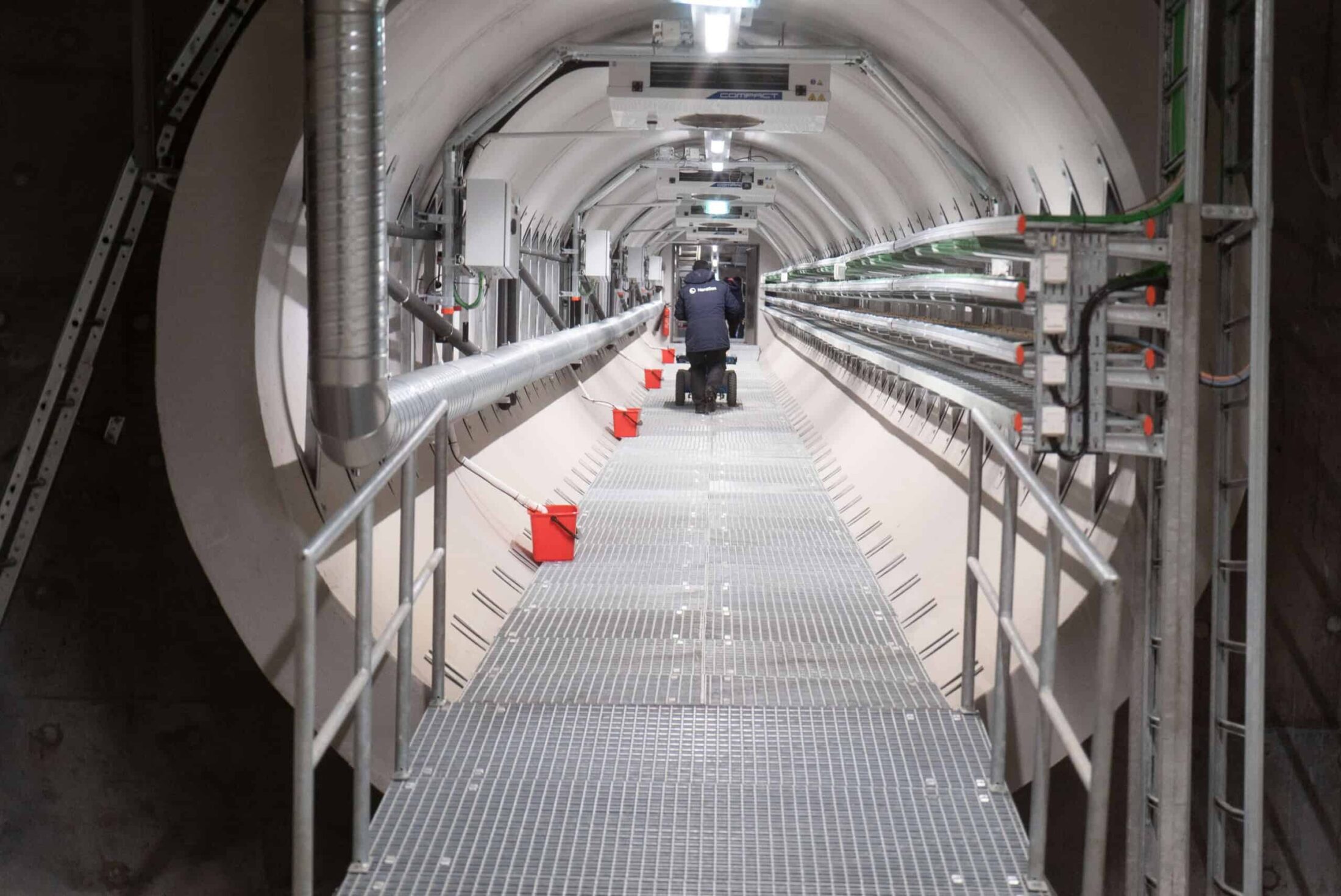
Svalbard is a glorious antidote to that – not just for cultures directly affected by conflict, but for a world caught up in a sense of polycrisis. But, Gasi stresses, it is also much more than the ‘Doomsday Vault’ tag beloved of the media.
“It’s a catchy title, I admit. And yes, we do think very, very long term for the worst-case scenario. But we’re not giving up and saying: ‘OK, humanity is going to fail [but at least] we have this material.’ We’re working in the best-case scenario, where these seeds are being used for research, where we’re actively encouraging the use of this material, along with international cooperation.”
Rather than being a Doomsday Vault, he concludes, “this is a ‘Living Vault’” – a living symbol of active hope.
Images: NordGen
Because the world needs it
Positive News reports on the people and ideas driving progress. We believe that giving attention to solutions helps them spread.
Our journalism is independent and powered by our readers. There are no media moguls or shareholders extracting profits: your contribution funds our work to investigate what’s working, understand why, and bring those stories to a wider audience.
If you value a fuller picture of what’s happening in the world, please become a Positive News supporter today.