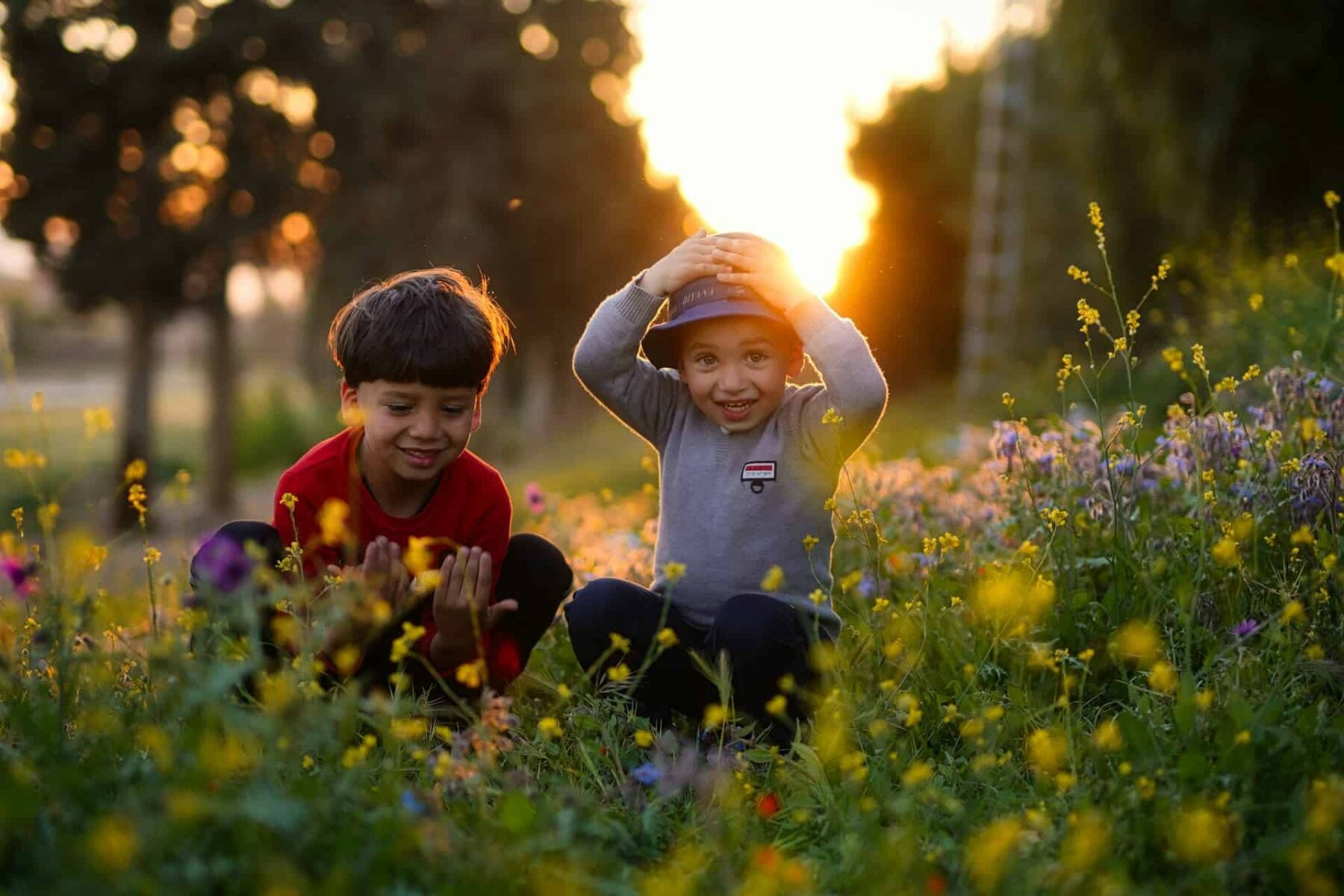
Ahead of International Day of Hope on Sunday, a recent survey suggests young people are not just optimistic about the world, but full of ideas for making it kinder, fairer and greener
When hundreds of children were asked what would make the world a better place, their answers ranged from major global challenges to ideas expressed with a little more economy. Together, they reflected a pattern appearing across a growing body of research: young people may be anxious about the future, but many still believe they can help shape it.
In a recent poll of young readers by The Week Junior, 97% said they felt able to make a positive difference in the world, while 63% said they were hopeful about the future. Younger children were more likely to feel hopeful than older respondents.
The poll, released ahead of the International Day of Hope on 12 July, was conducted among readers of a current affairs magazine and should not be treated as representative of all children. Even so, its central finding – a strong sense of personal agency alongside considerable anxiety – is echoed in larger studies.
The King’s Trust Youth Index, based on a representative YouGov survey of 4,285 people aged 16 to 25 across the UK, found that 70% were determined to achieve their goals. Almost a quarter said one of their greatest ambitions was to have a positive effect on society or their community, yet 53% felt anxious about their future every day.
A similar theme emerged in the UK Youth Poll 2026, conducted by the John Smith Centre at the University of Glasgow among more than 2,000 people aged 16 to 29. Only 36% expected eventually to enjoy a better life than their parents, down from 63% a year earlier, but 73% had taken part in at least one political or community activity during the previous year.
The younger readers surveyed by The Week Junior placed many of the same issues near the top of their concerns. Some 40% said helping the climate and nature should be a priority, suggesting tree planting, protecting wildlife habitats, cleaning oceans and reducing plastic pollution.
“I’d get everyone to do one little thing each day to help the environment,” one respondent said.
Almost a third, 31%, talked about kindness, equality and fairness, while 28% said ending wars and finding peaceful solutions should be a priority. Asked what they would do as prime minister, children proposed making people feel safe, widening access to education, planting trees and providing free therapy.
97% of respondents said they felt they could make a positive difference in the world
Their concern was not limited to distant global problems. Research by The Children’s Society, based on responses from 2,007 UK children aged 10 to 17, found that 40% were worried about rising prices and 43% about achieving good grades. Nine per cent recorded low overall wellbeing, while consultations alongside the survey found that a constant flow of negative news and online content could leave young people feeling overwhelmed.
What appears resilient is their belief that action, particularly close to home, remains worthwhile. In The Week Junior poll, 59% said they belonged to a group that helped their community, including Scouts, Guides, sports teams, school clubs and volunteering projects. Among those who did not, 58% said they would like to join one.
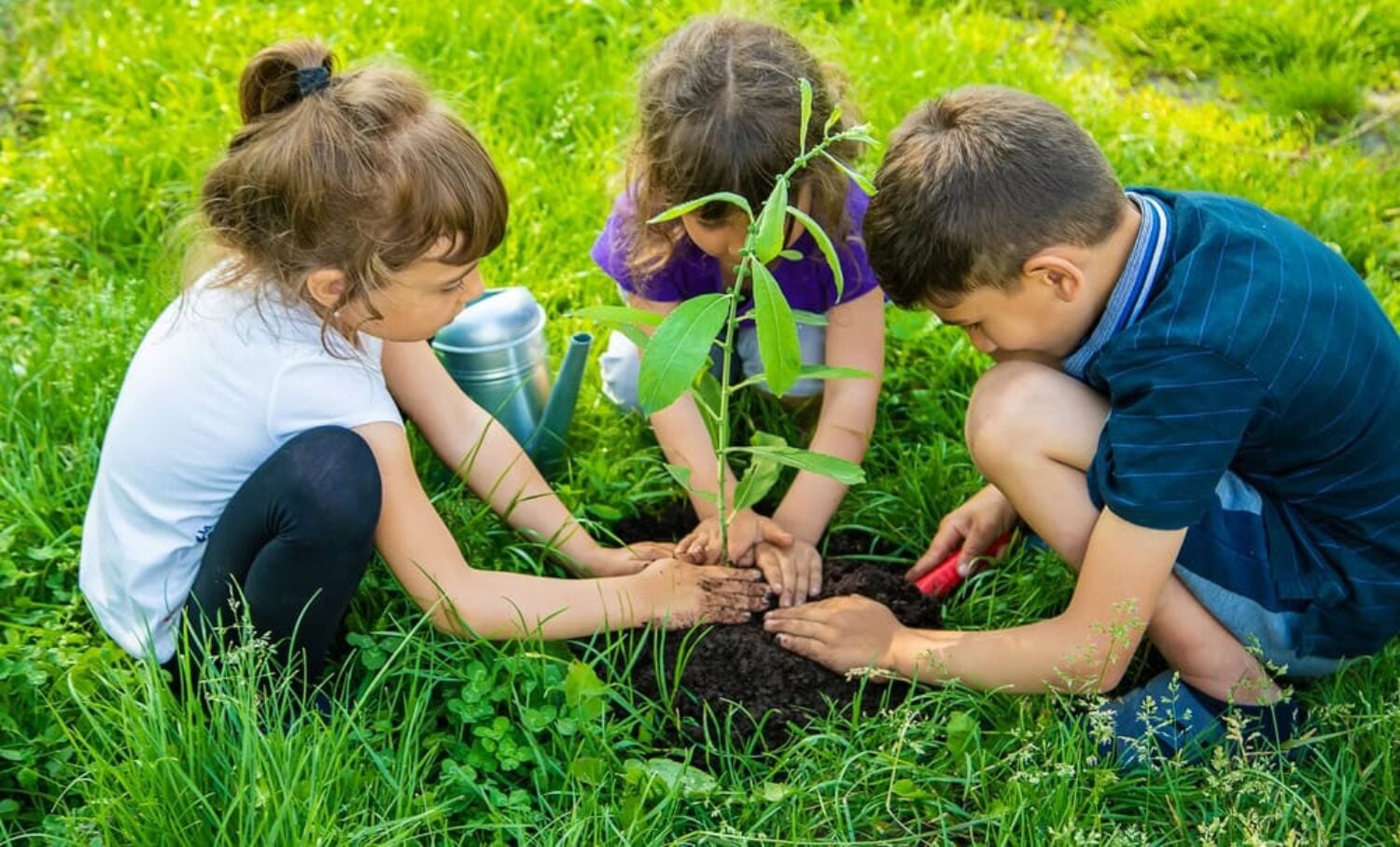
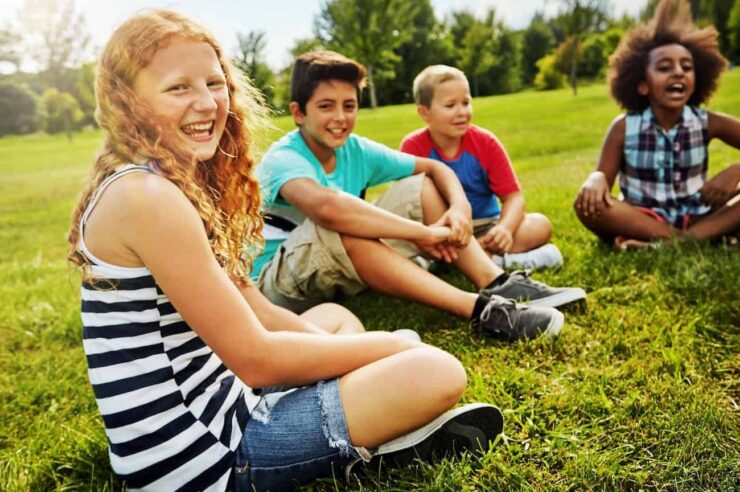
Many children are already part of a group that helps out in their community. Image: Tatevosian Yana
Readers described planting flowers at school, collecting litter, volunteering at Parkrun and coaching younger children. Vidhi, aged nine, raised more than £6,000 for Spread a Smile, which supports children in hospital.
Technology produced a more divided response. Just over half, 51%, said they were worried about artificial intelligence, compared with 29% who felt positive and 20% who were unsure.
“I have used it and it is really helpful but I also think it is a bit creepy. It knows everything!” said one reader.
The children described hope as “a bright safe future for all”, “feeling like you are accepted and can make a difference” and “doing the right thing and seeing it start to make a positive difference”.
“It was so uplifting to see how positive our readers feel about the future, and the part they can play in building a kinder world,” said Vanessa Harriss, editor of The Week Junior. “They feel empowered to make the world a better place – and many of them are already doing it.”
Main image: Fares Hamouche
Be part of the solution
At Positive News, we’re not chasing clicks or profits for media moguls – we’re here to serve you and have a positive social impact. We can’t do this unless enough people like you choose to support our journalism.
Give once from just £1, or join 1,800+ others who contribute an average of £3 or more per month. Together, we can build a healthier form of media – one that focuses on solutions, progress and possibilities, and empowers people to create positive change.