Walking around woodland trails cuts anxiety, reduces rumination and boost social connection, new research shows
Participants who followed self-led woodland wellbeing trails reported a 38% drop in rumination, a 31% reduction in anxiety and a 20% rise in feelings of social connection, according to research examining Forestry England’s nature-based mental health programme.
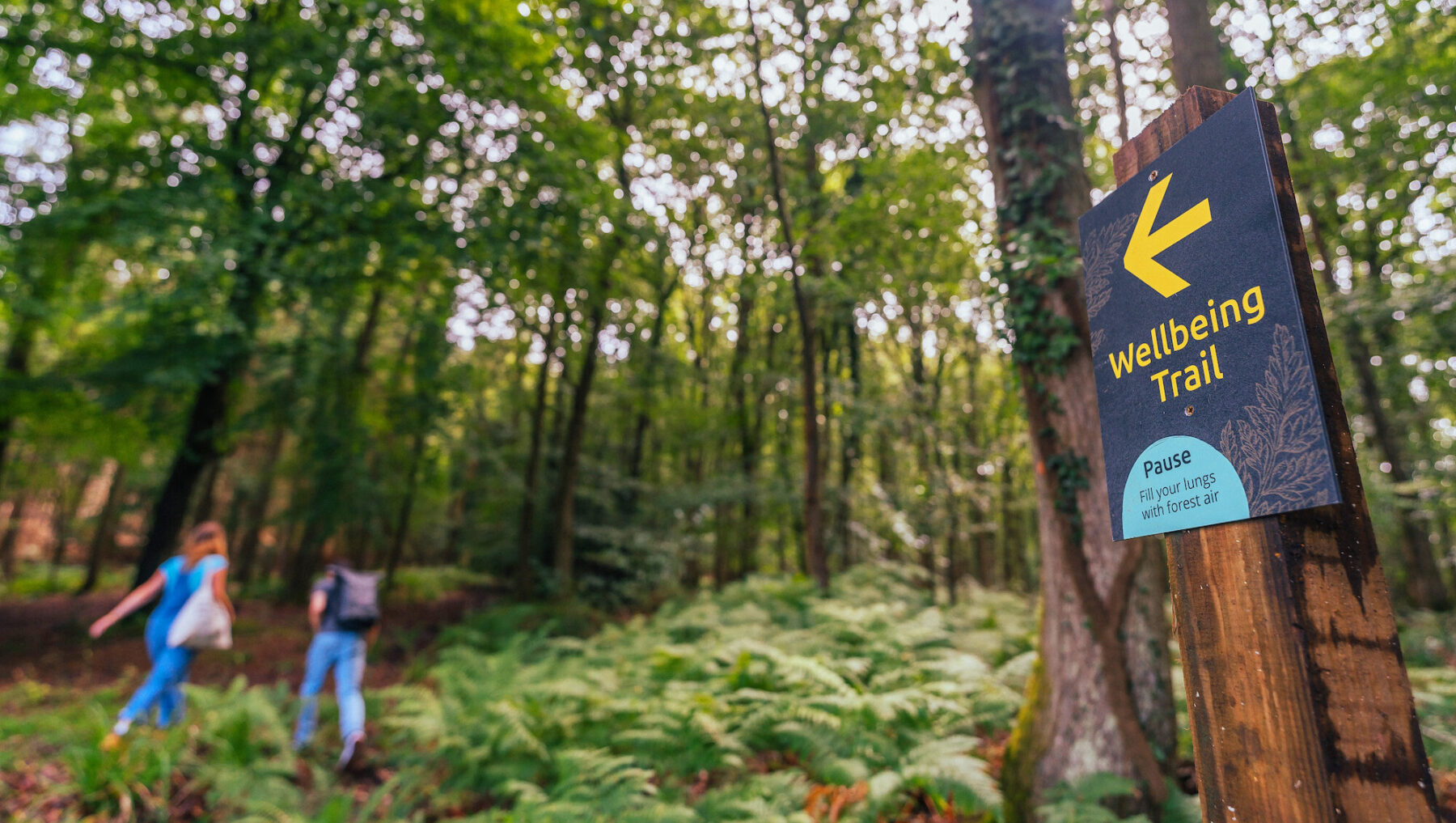
The trails, designed to encourage people to slow down and engage more deeply with the natural world, are now installed at 18 Forestry England sites across the country. They feature simple prompts inviting walkers to pause, notice their surroundings and reflect on their relationship with nature.
The idea grew from a small moment during the Covid pandemic. As the UK emerged from lockdowns, Ellen Devine, wellbeing programme manager at Forestry England, came across a handwritten chalkboard sign at Westonbirt Arboretum carrying a message for people walking among the trees.

“It said something along the lines of, ‘we can’t be together at the moment because of the Covid restrictions, but know that you’re not alone, and you’re always welcome here amongst the trees’,” Devine recalls.
“I was having quite a difficult time, and it made me feel that little bit better.” The moment inspired a series of self-led well-being trails launched in 2023. Designed to prompt people to slow down and reflect, the routes feature themed panels offering woodland facts, quotations and simple mindfulness activities.
To shape them, Devine worked with the University of Derby’s Nature Connectedness Research Group, alongside charities including Mind and Samaritans.
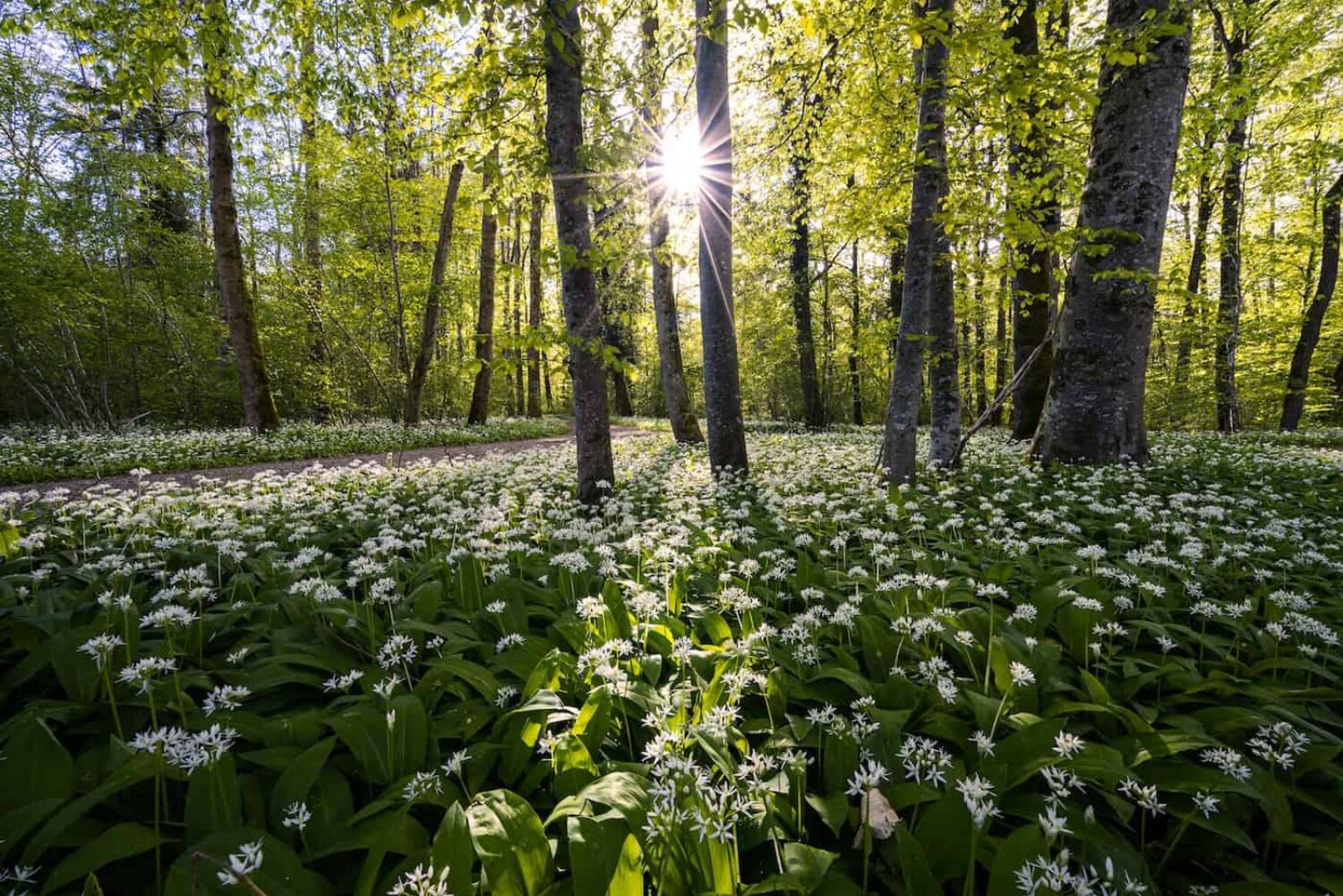
Forest trails that allow people to slow down and connect with nature have been proven to improve mental and physical wellbeing
“It shows that quality engagement with nature matters more than just quantity,” says Devine. “It’s not just about getting people into forests, it’s about supporting them to build that emotional connection, which in turn benefits their own health and wellbeing.”
The evaluation, led by Dr Carly Butler, found that even a single visit to a wellbeing trail produced measurable effects. Participants reported reduced rumination and anxiety after completing the walks, alongside a stronger sense of social connection.“
In a world where people increasingly struggle with loneliness or social isolation, the fact that this intervention could connect people not only with nature but also with other people is really exciting,” Devine says.
Quality engagement with nature matters more than just quantity
“I think that’s one of the brilliant things about nature,” she adds. “You can find it anywhere. If we can think about ways for people to connect with nature as they go about their daily lives, then yes, that’s absolutely something we should be doing.”
Interest in nature-based wellbeing is growing more widely. More than 100 doctors and NHS practitioners in the West Midlands are now prescribing nature walks as part of social prescribing schemes designed to support people experiencing stress, loneliness or mild mental health challenges.
Main image: Forestry England/Crown copyright
Be part of the solution
At Positive News, we’re not chasing clicks or profits for media moguls – we’re here to serve you and have a positive social impact. We can’t do this unless enough people like you choose to support our journalism.
Give once from just £1, or join 1,800+ others who contribute an average of £3 or more per month. Together, we can build a healthier form of media – one that focuses on solutions, progress and possibilities, and empowers people to create positive change.