What if ADHD isn’t a deficit of attention, but an intensified curiosity? A new study explores how reframing the disorder could transform education
Impulsivity and racing thoughts are often associated with attention deficit hyperactivity disorder (ADHD) but what if they could be reframed as a kind of restless curiosity? And what would that mean for how we teach ADHD students?
Researcher Anne-Laure Le Cunff, based at King’s College London, is on a mission to find out. Le Cunff was kicked out of school in her teens for what she calls “creative mischief ” – disabling the fire exit alarm to sneak out for a cigarette, penning romantic fiction about her teachers, even lobbying the school to relax its dress code.
Her ever-questioning mind later propelled her into a scientific career, but it was only three years ago that she was diagnosed with ADHD. The discovery pushed her to investigate what she calls ‘hypercuriosity’ – “an intensified impulsive desire to know and explore”.

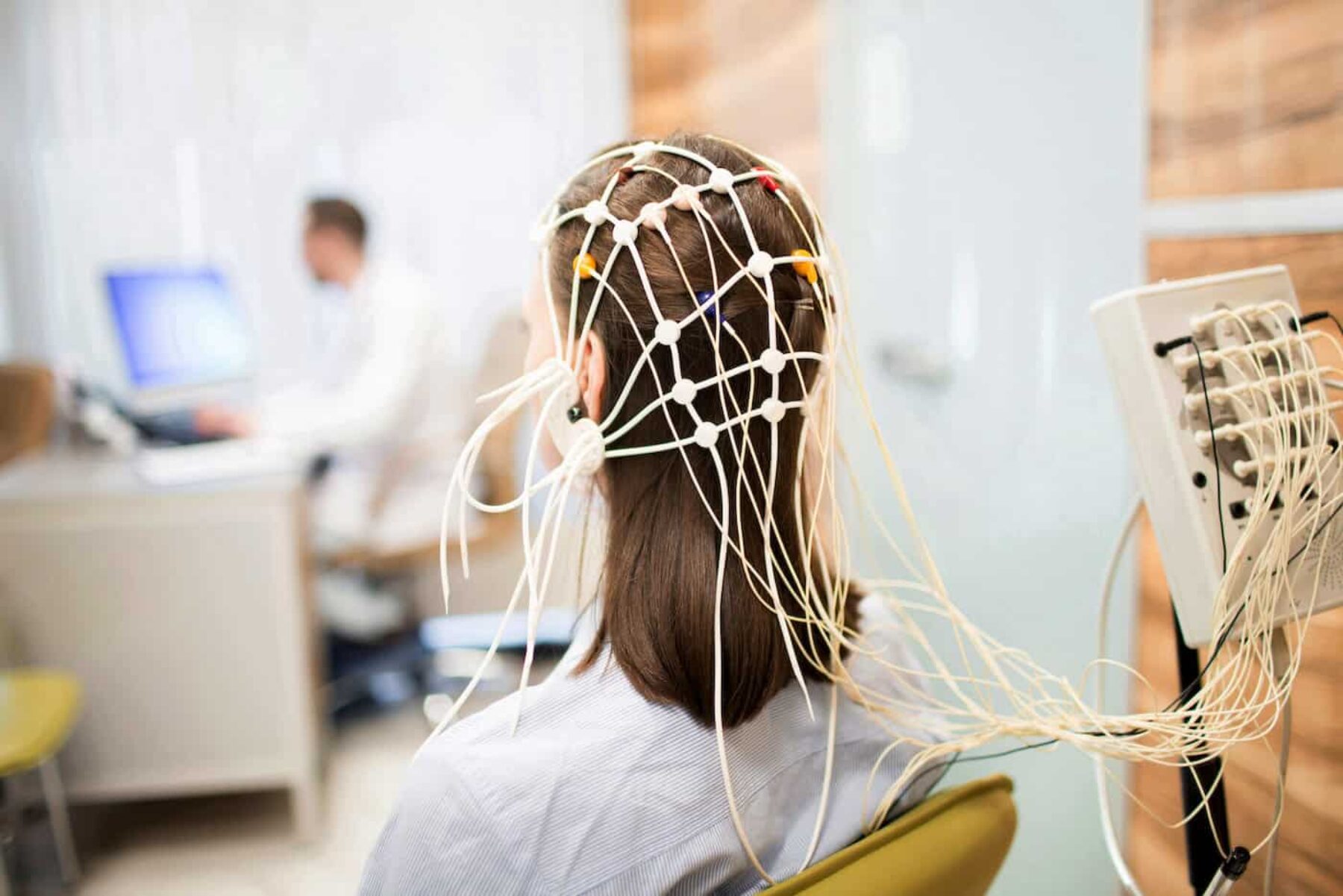
She’s now studying how curiosity plays out in university students with ADHD, combining interviews with brainwave measurements and eye tracking to map how their minds roam.
Her work has been backed with a £133,574 grant from UK Research and Innovation, support which Le Cunff hopes will eventually lead to fresh teaching approaches.
“Traditional education rewards sustained attention to predetermined tasks,” said Le Cunff. “The result is that many hypercurious kids feel miserable suppressing their natural curiosity rather than learning how to leverage it. Hypercurious minds deserve better systems and better stories.”
Main image: Karla Rivera
Support solutions in 2026
At Positive News, we’re not chasing clicks or profits for media moguls – we’re here to serve you and have a positive social impact. We can’t do this unless enough people like you choose to support our journalism.
Give once from just £1, or join 1,800+ others who contribute an average of £3 or more per month. Together, we can build a healthier form of media – one that focuses on solutions, progress and possibilities, and empowers people to create positive change.