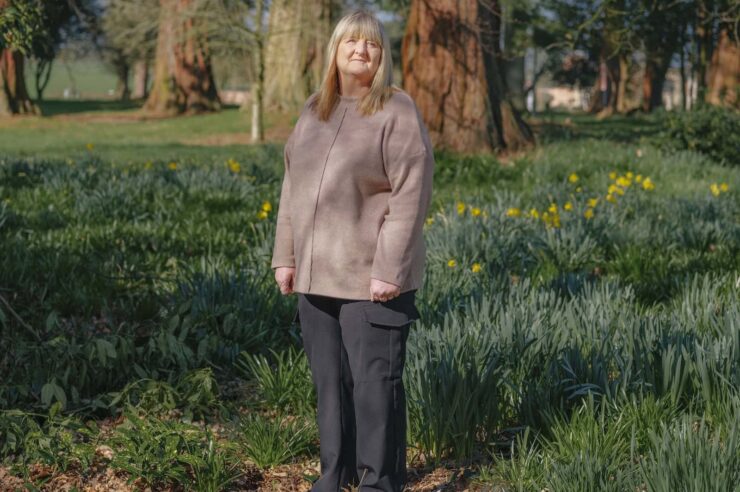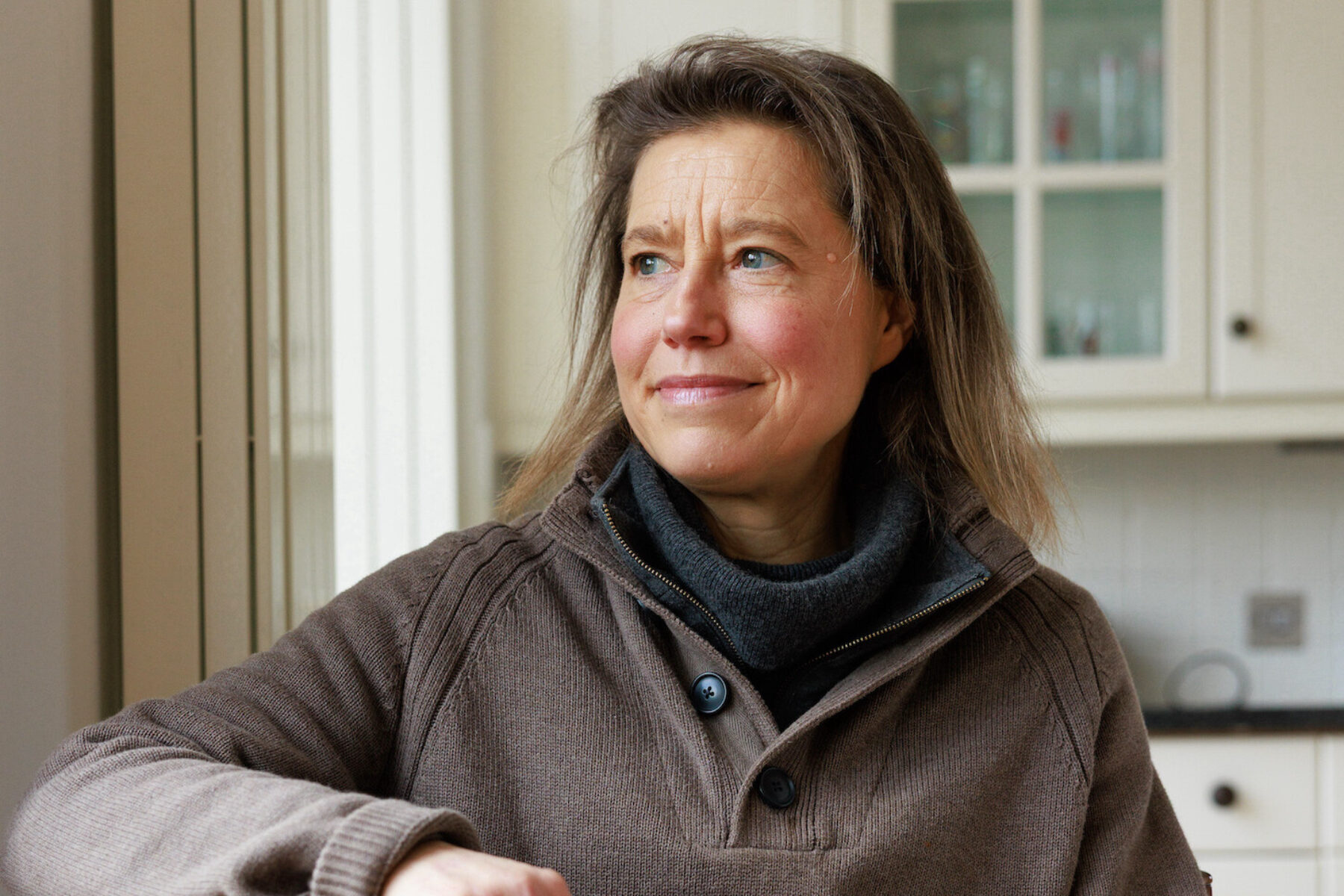
Samantha Cooper once helped power the oil industry. Now she’s fighting to end its hold on our future
If it’s tough for a society to transition away from oil, it’s tougher still for those whose entire livelihood is tied up with the stuff. Yet as the costs of our addiction to it begin to bite – on our pockets and our planet – an increasing number are doing just that. And giving up a lucrative career as they do so.
Samantha Cooper’s one of them. Back at university in the ’90s, her career aims were simple: get a job in London where she could continue a studenty social life – and get paid for it. Out of the so-called ‘milk round’ of companies who came calling for bright young graduates, she picked oil giant Mobil, and soon found herself just where she wanted to be.
The pay was good, there was a chance to travel, “it was hard work, but it was also fun.” Early on, she was in charge of scheduling barges delivering fuel oil for the Tube network – nice, practical stuff. “Occasionally I’d be sitting with my friends in a pub by the river, and one of my barges would go by – it was rather exciting!”
The appeal more or less held, too, as she won promotion – more responsibility, but a lot more rewards. After BP entered into a joint venture with Mobil’s European fuels business, Cooper went on to become a senior executive, running global trading strategies: a vital cog in a machine that, in her “bubble of ignorance”, as she now describes it, was wrecking the climate
So what changed? No sudden Damascene conversion, but rather the combination of personal pressure and dawning awareness. The Deepwater Horizon oil spill in 2010, oil traders in America going to prison for price fixing, hearing that the crew on a ship whose cargo she was trying to sell had run out of water – “I thought, ‘Oh, there’s people on the boat.’ Which sounds ridiculous. Of course there’d be people…” But her surprise was a measure of just how disconnected she’d become from the real, physical world.
Meanwhile, “I felt I was on a treadmill, and I couldn’t get off.” Metaphorically and literally: she’d be up at six, on the treadmill in the gym, before a pressure-packed day. Work bled into all areas of life. Even over Christmas, every news headline triggered one thought in her head: “What’s that going to do to the oil price?”
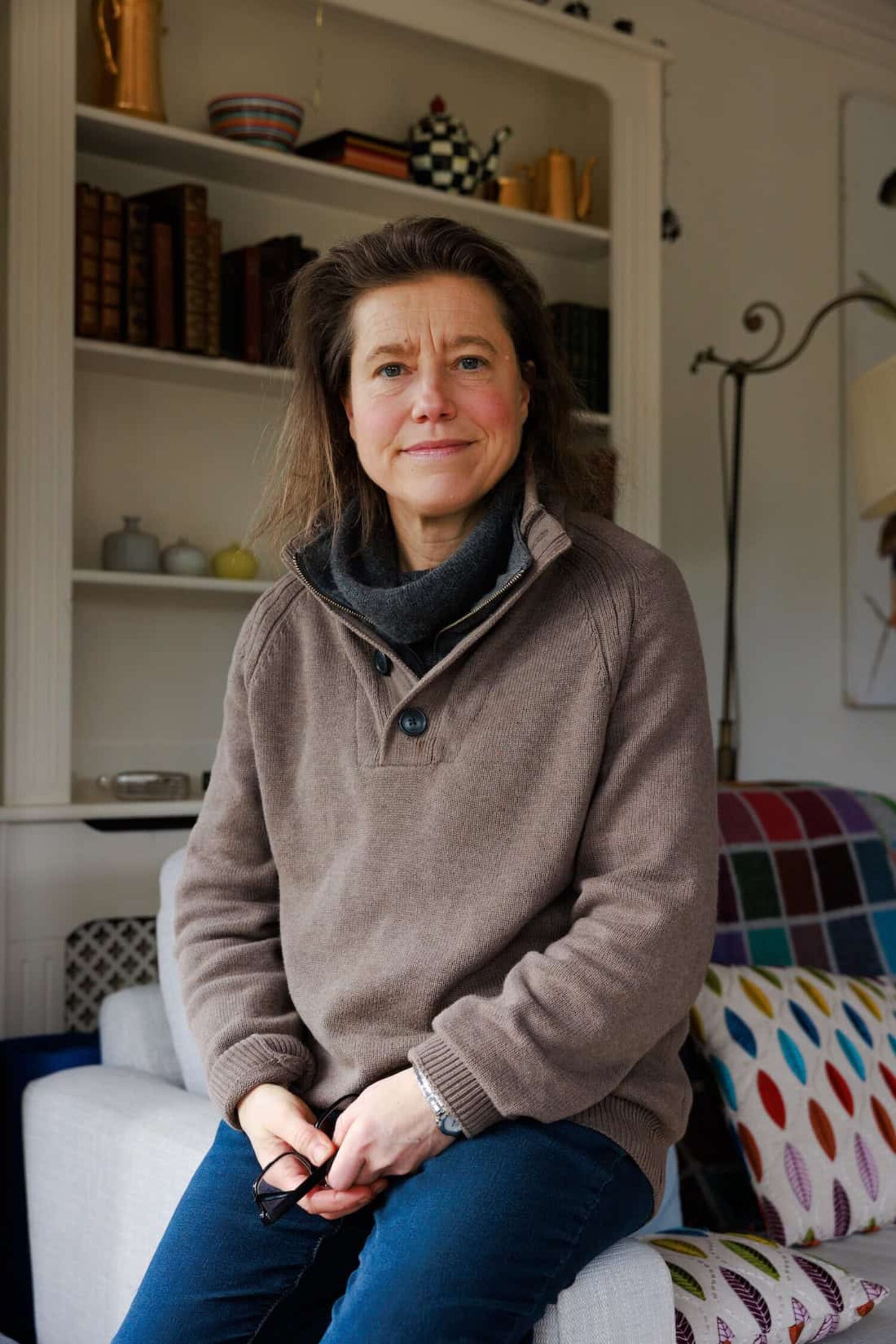
After 20 years in the oil industry, Cooper is now the director of Business Declares, which aims to inspire corporates to address the “polycrisis” brought about by the climate, ecological and social emergency
“However much money you made, your [sales] targets were always going up, year after year.” One year, she recalls, she hit her target, and thought,“‘I should be on top of the world. Why don’t I feel that?’ I just felt empty.”
Shocked into reviewing her life, she explored mindfulness, finding solace in Buddhist meditation. She was able to take some time out to volunteer with women’s and environmental groups. Ostensibly mentoring them on building partnerships with business, and on raising funds, she quickly found that “they were mentoring me! I had such an education from some amazing people, on social issues, equality, ecology and climate.”
The things she learnt, combined with the personal toll the job was taking on her, made it impossible to go back. So in 2015, after 20 years in the oil industry, she left and, with the same energy and drive that had made her such a successful oil trader, threw herself into a new career tackling the challenges which, inadvertently, she’d helped to exacerbate through her work.
I took a risk in leaving but I found such freedom by doing so. And I’m an awful lot happier with a lot less
She’s now the director of Business Declares, which aims to inspire corporates to address the “polycrisis” brought about by the climate, ecological and social emergency. And she’s lent her weight to Life After Oil – a new network of former oil executives who are determined to prove to colleagues still in the industry that, like Cooper, they can leave too.
It commissioned research by the University of Bath, which showed that a wave of oil and gas workers are either leaving the industry, or considering doing so, in part because of concerns over climate change and their company’s glacial speed of response to the threat. According to the research lead, associate professor Grace Augustine, many of those who’ve left feel “a lightness, a sense of relief” at not having to perform the “mental gymnastics” required to square their growing awareness of the threat with the requirements of their day job.
It’s a sentiment echoed by Cooper. “People ask if I took a risk in leaving but I found such freedom by doing so. And I’m an awful lot happier with a lot less. The biggest risk is to stay put.”
Photography by Joanne Crawford