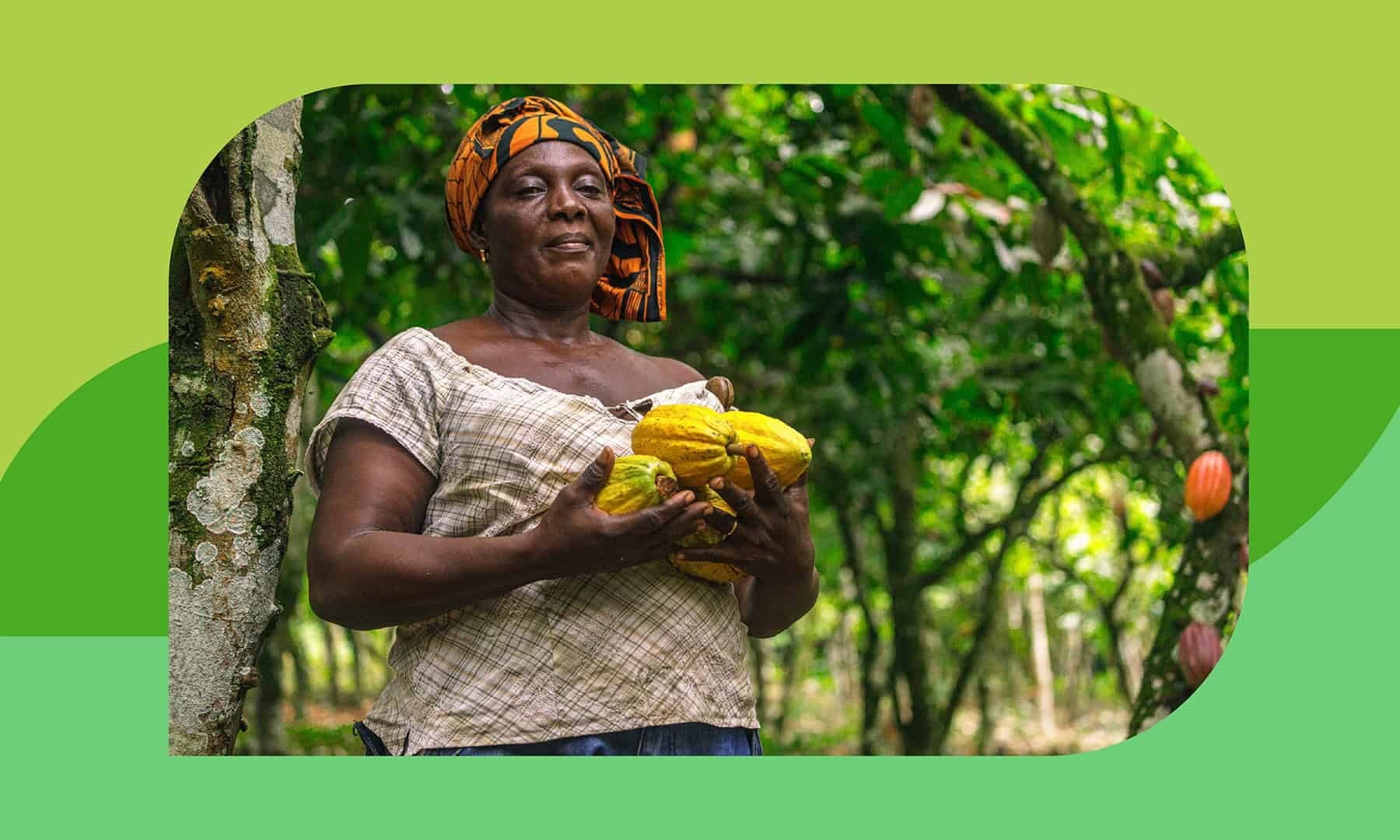
Cocoa farmer Susana Afrifa Ankrah is helping show how protecting forests can sustain livelihoods and build resilience to a changing climate – offering hope for communities and nature alike
On the hills of the Atewa Range in south-eastern Ghana lies a jewel of tropical forest. A surviving fragment of the swathes of trees that once cloaked the region, it plays host to a whole array of precious creatures, from eagle owls and flycatchers to rare species of cuckoos and frogs. It’s home to colobus monkeys, too, and a panoply of butterflies, including the giant swallowtail, bearer of the widest wingspan in the world. And it’s home to Susana Afrifa Ankrah, mother, grandmother and cocoa farmer – who is in no doubt of the blessings it brings to her and her family.
“The forest gives us fresh air”, she tells me. “It cools the land. It helps the rains to fall. And if the rains are falling, then the crops will do well and we know everything will be fine.” It’s a medicine cupboard, too. The local herbalists go into the trees to collect remedies for malaria, diabetes and other sicknesses, she adds.
But Susana isn’t just a passive recipient of these forest gifts: it is still there, cloaking the hills, because of her. Her, and others like her: community leaders who are playing a key role in a pioneering scheme that is rewarding local people for protecting the forest in a way that also helps nurture their way of life.
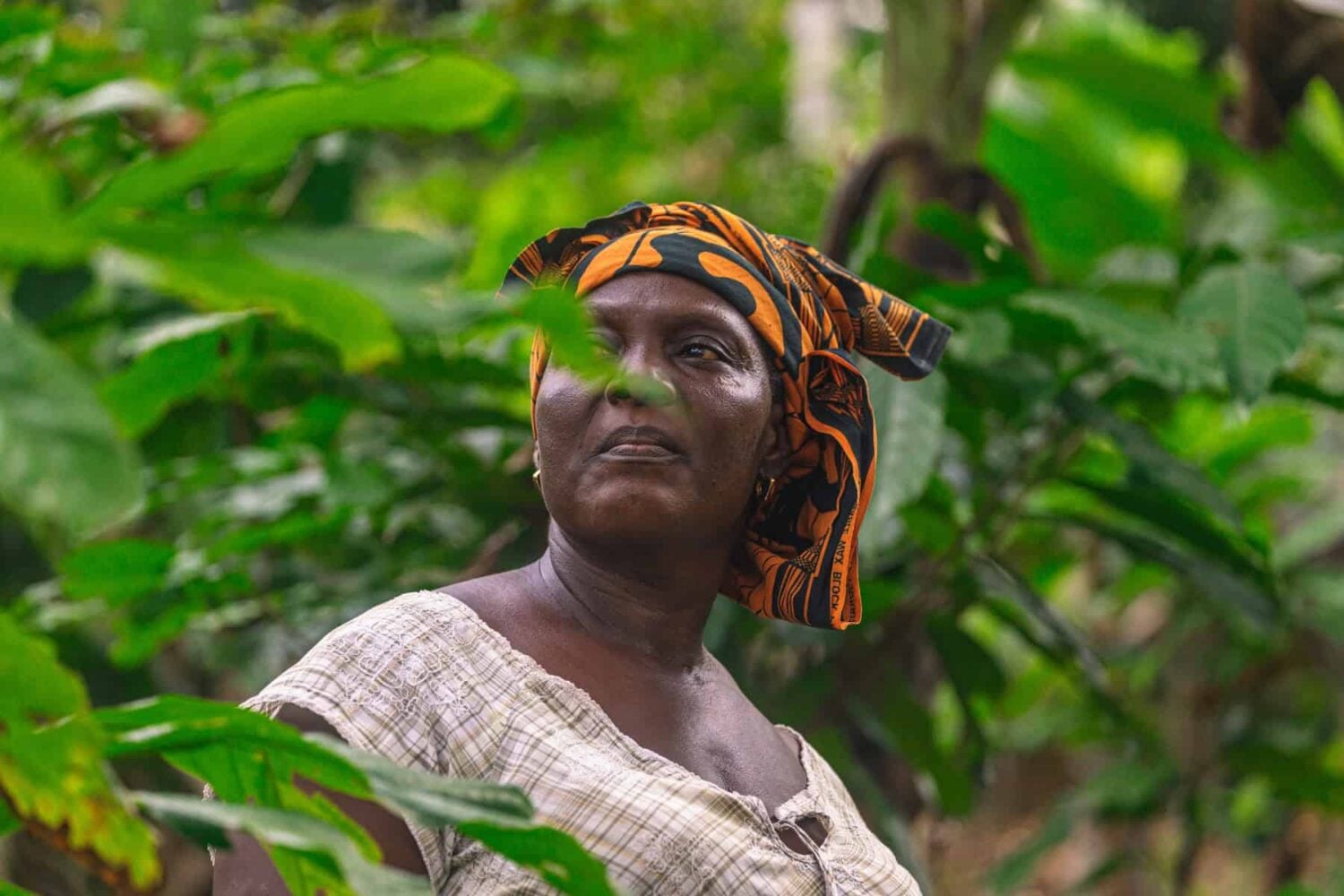
Community leaders like Susana Afrifa Ankrah are playing a key role in a scheme that rewards local people for protecting the forest. Image: Onyx Studios
Under the unwieldy-sounding Ghana Cocoa Forest REDD+ Programme (GCFRP), Susana and her peers are trained in ways of farming that both conserve trees and the soils on which they depend, improving cocoa yields and so livelihoods too. Part of the international UN-backed efforts to stem climate change, REDD+ (it stands for Reducing Emissions from Deforestation and Forest Degradation) channels finance via the World Bank from rich-world countries and corporations to forest nations, in return for measurable progress on curbing forest loss.
Cocoa is a key export industry for Ghana, and a major source of livelihood for farmers, particularly in once-forested areas. In the past, as Susana explains, forests would come under pressure from farmers seeking new land. So, recruiting them to help conserve the forests on their doorsteps, while boosting their income, makes ecological as well as economic sense. Hence the GCFRP, jointly run by Ghana’s Forestry Commission and its Cocoa Board. It identified a number of Hotspot Intervention Areas (HIAs), characterised by their prevalence of threatened forest, and by the potential for local communities to make a difference.

Like many Ghanaian women farmers, Susana is always ready to latch on to new ideas, and when the programme’s representatives came calling soon after its launch in 2019, she was quick to respond. “I thought: ‘Hey! This is a good initiative for me. I will not waste my time – I will get involved.’”
“We used to clear and burn large areas,” she admits. Now they take better care of the soil, using organic fertilisers and composting techniques taught by the programme with the aim of getting more cocoa beans from the same amount of land. They are helped with specially bred hybrid seeds, too, which can thrive under a tree canopy. Such ‘shade-grown’ cocoa can produce as good or better yields, while conserving soil fertility and reducing moisture loss.
The forest gives us fresh air. It cools the land. It helps the rains to fall. And if the rains are falling, then the crops will do well
While some farmers are sceptical of the benefits of shade-growing, cocoa in its natural state is a forest plant, and grows best under a canopy. Susana’s cocoa plants do much better in the shade, she tells me: “They thrive when they’re not exposed to the sun”. So she’s adopted ‘agroforestry’ techniques, planting native trees such as African mahogany in between her crops. Cocoa farmers may be its beneficiaries, but it’s not just cocoa that the programme covers. It helps growers diversify into other ‘forest-friendly’ activities, including beekeeping, raising pigs and snails, and growing a wider range of vegetables. Susana ticks these off on her fingers – “peppers, pawpaw, plantain, cassava”.
When I ask her to list the benefits of being part of the programme, it’s clear that it covers an impressively wide scope, from the practical and down-to-earth – providing everything from cutlasses and sprayers to boots and knapsacks – to business advice on how to make the best use of improved profit margins. And that improvement can be quite substantial. I ask Susana how much. She pauses, calculating, and then: “About 80%!” she says with a grin. With advice from the programme, she’s set up a daycare nursery and a bakery, employing 17 workers.
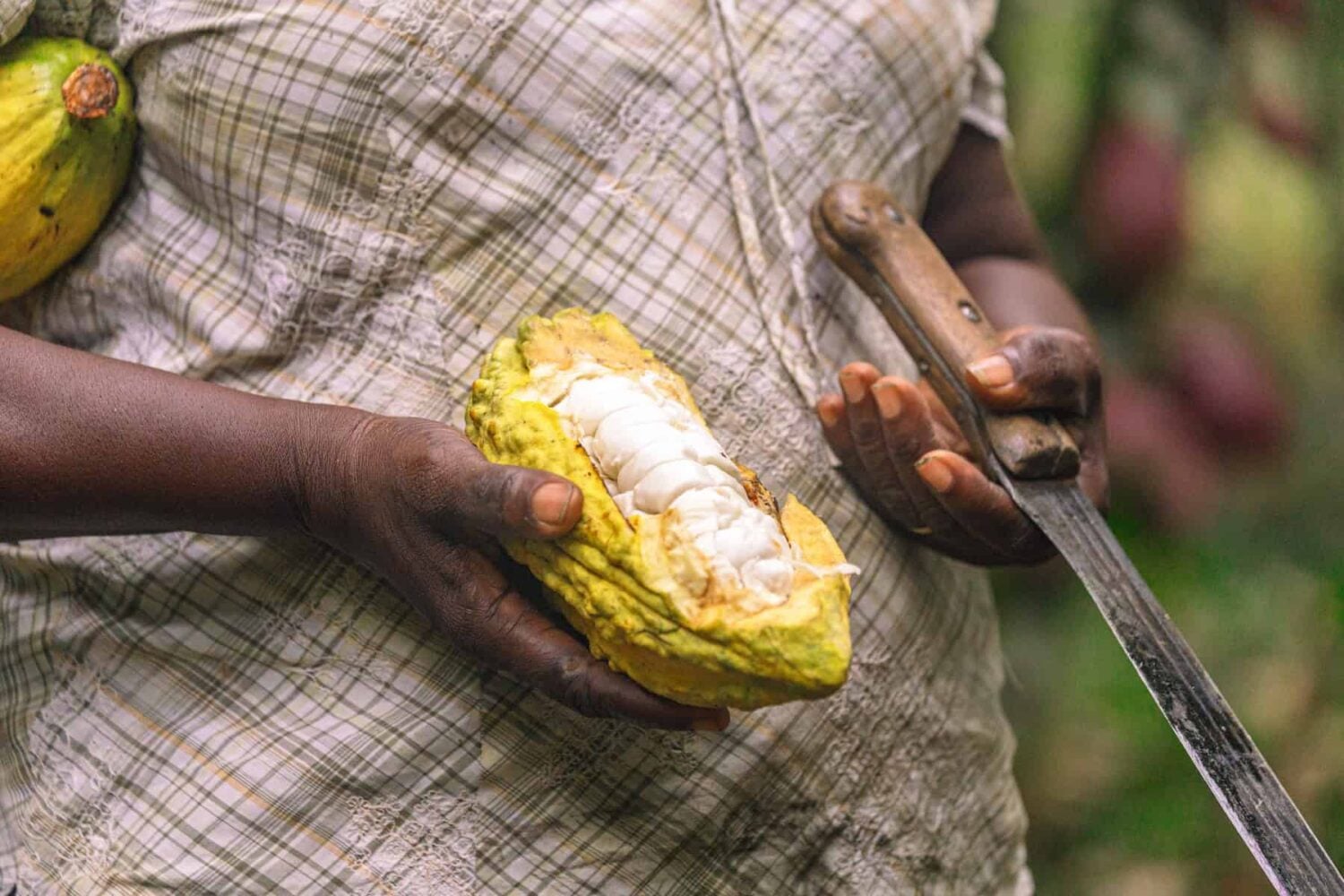
Some farmers are sceptical of the benefits of shade-growing, but cocoa in its natural state is a forest plant. Image: Onyx Studios
Schemes such as this, with their connotations of richer countries passing on their climate responsibilities to poorer ones, can be controversial. But some have real merit, says Dua Zehra, who leads the Thriving Forests programme at climate solutions charity Ashden. Crucially, she points out, REDD+ is learning from earlier mistakes, citing the Kariba scheme in Zimbabwe “which went horribly wrong because it overlooked community rights”.
Now, she says, they are “on a much better path: we’re seeing [REDD+ and other carbon market schemes] realising what’s been wrong in the past, tightening their rules on how to take communities’ interests into account, ensuring there’s proper consultation, and genuine ‘free, prior and informed consent’.”
There’s growing evidence, Zehra adds, that putting local communities at the heart of efforts to protect forests produces the best results, “even without any funding mechanism. These people rely on the land for their livelihoods, and they’ve lived there for generations. They know what’s required.” Susana echoes this, praising the programme for “involving us in all their works”. That makes her job of communicating what’s needed to her fellow community members a lot easier, she says.
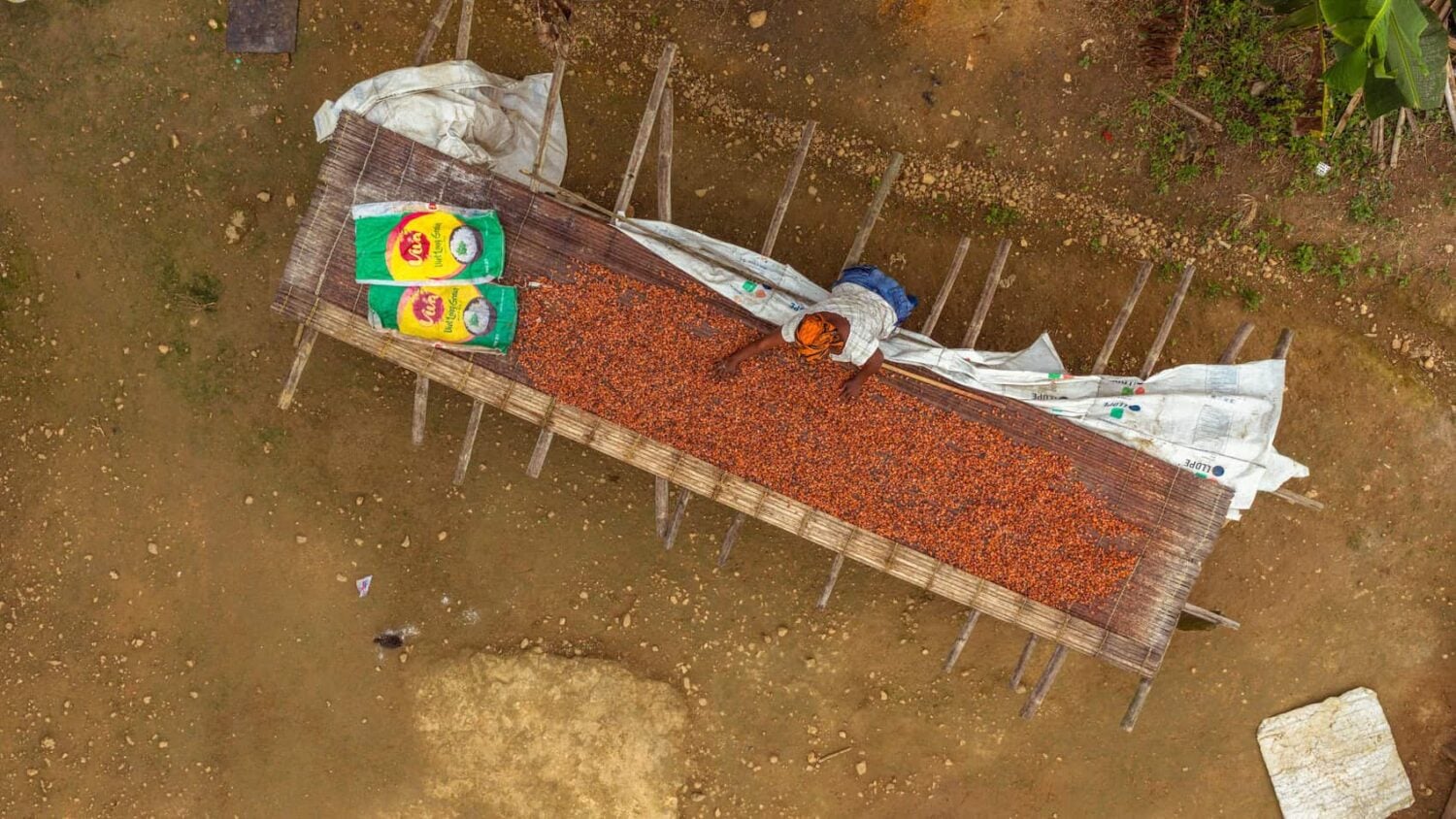
There’s growing evidence that putting local communities at the heart of efforts to protect forests produces the best results. Image: Onxy Studios
Conservation in a changing climate
Back to Ghana, there are still clouds over the future of its forests. While deforestation does indeed appear to have been curbed in Atewa, a World Bank study found it was still under way in other parts of the country, largely due to notionally illegal logging and mining operations. And in Atewa itself, recent incursions of miners, along with a potentially huge bauxite mining project, could yet threaten the programme’s success.
As to her own family’s future, though, Susana is optimistic. She has 16 grandchildren, and delights in the fact that many of them come around to help with the cocoa plants after school. One of her daughters is “a headmistress, and even she comes too, to help on the farm”. Susana now sees a future in cocoa, and is confident that some at least of her grandchildren will follow her into farming, rather than leave to look for work in the cities.
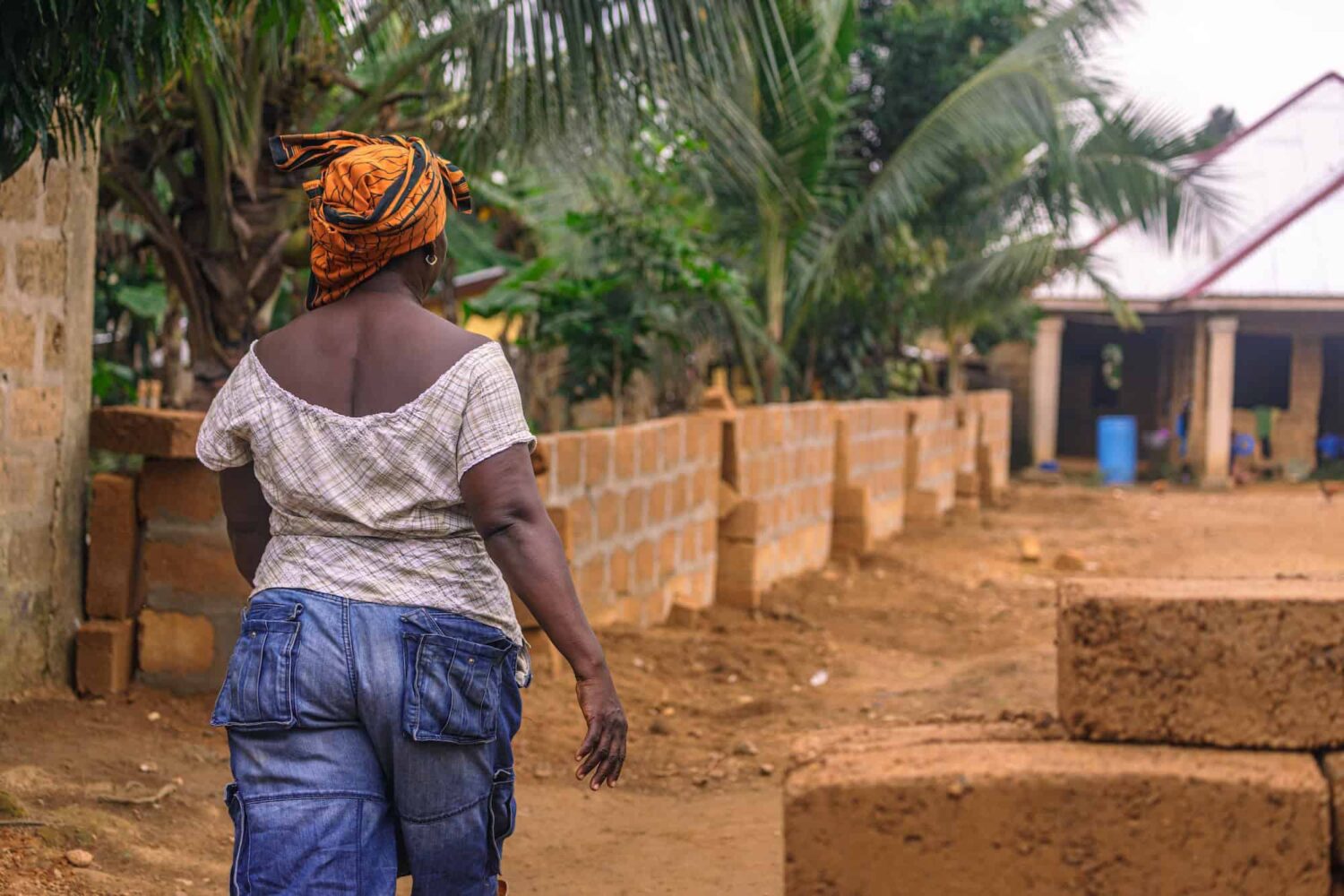
Susana is hopeful that some of her grandchildren will follow her into farming. Image: Onxy Studios
She’s been talking to me on video call from a Forestry Commission office, so I end by asking her more about her home – what would she see if she looked out from the door of her house?
“Trees”, she replies. “I live under trees, there in my compound. And I wake up in the morning, and I see them, and I’m happy.”
A continent adapting to a changing climate
Elsewhere in Africa, the same principle is being applied to very different landscapes, from the drought-prone grasslands of East Africa to the mangrove-fringed coasts of West Africa. In southern Kenya, community-led restoration projects in Kajiado and Narok counties are tackling degraded rangelands through measures including rainwater harvesting, reseeding with native grasses and setting aside fodder for livestock to use during drought. Women are also collecting and selling Indigenous grass seeds for restoration work, creating a potential source of income while helping to restore the landscape. These interventions are designed to help pastoralist communities manage increasingly uncertain conditions, though their long-term impact on drought resilience remains to be established independently.
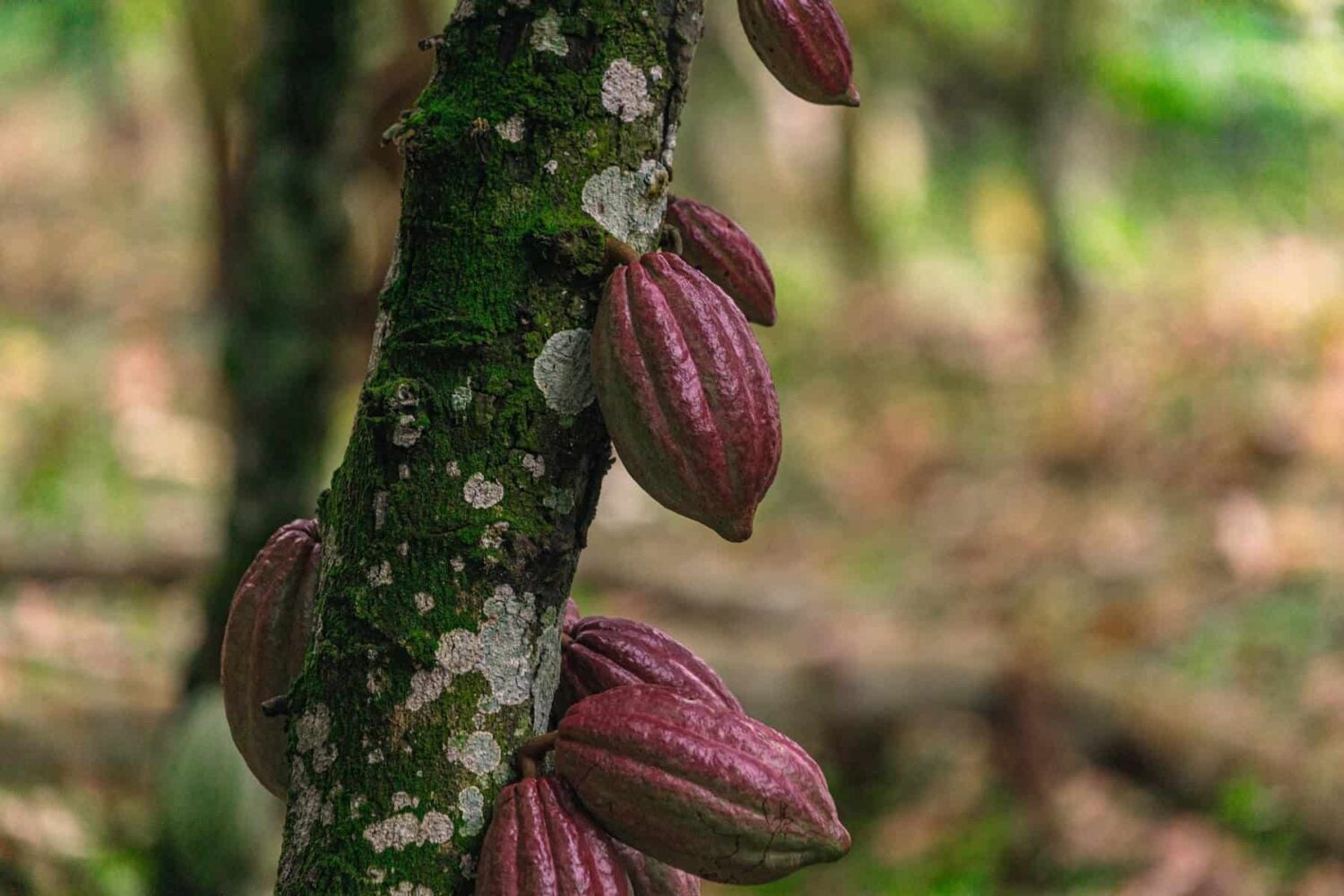
Elsewhere in Africa, the same principles are being applied to different crops and landscapes, in addition to cocoa. Image: Onyx Studios
On Senegal’s Saloum Delta, meanwhile, community-based mangrove restoration takes an ecological approach: rather than simply planting trees, the work seeks to restore the natural tidal flows on which healthy mangrove forests depend. Mangroves support biodiversity, fisheries and other local livelihoods, and can help protect coastlines from erosion and flooding. Wetlands International’s wider work in Senegal documents efforts to combine mangrove restoration with livelihood support and greater resilience to extreme weather.
And in drought-prone southern Zambia, the World Food Programme’s Rural Resilience Initiative has combined conservation agriculture with climate information, savings groups and crop insurance to help smallholder farmers cope with climate-related shocks. An independent evaluation covering 2014–2025 reported improvements in household resilience and income diversification, while also identifying weaknesses in how the programme’s different elements worked together. It offers an example of how climate adaptation and more sustainable farming practices can be brought together to support rural livelihoods.
 Portraits of a Shared Land brings readers face-to-face with some of the people reshaping conservation across Africa, exploring approaches that place communities, local knowledge and lived experience at their heart. This series is produced by Positive News and supported through a Human-Centred Conservation Storytelling Grant from Jamma Conservation & Communities.
The views and opinions expressed in this story are those of the authors and contributors and do not necessarily reflect those of Jamma Conservation & Communities.