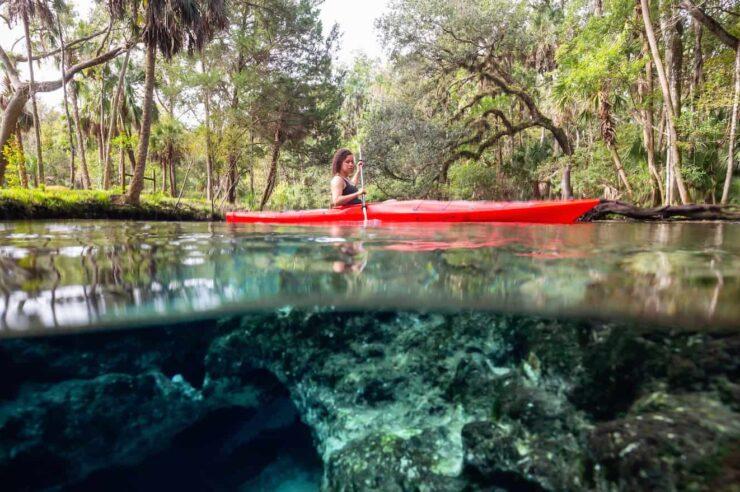
Europeans breathed easier, silenced US scientists hit back, and a healthy diet was linked to lower dementia risk, plus more good news
This week’s good news roundup

Europeans are breathing easier thanks to decades of environmental policy, as fresh data reveals a significant fall in air pollution across the continent.
In its latest air quality report, the European Union’s Copernicus Atmosphere Monitoring Service (CAMS) noted that emissions of sulphur oxides and nitrogen oxides have fallen by around 3-5% annually across the continent since 2010, with the biggest falls coming from industry and road transport.
The research chimes with the European Environment Agency’s latest assessment of air quality. In April, it reported that most of the continent’s monitoring stations met European Union (EU) legal limits for key pollutants. Still, air pollution breached EU standards at up to 20% of stations. CAMS acknowledged that there was still work to be done, but said that the overall outlook “remains encouraging”.
While transport is the only sector producing more CO2 emissions than it did in 1990, the rollout of electric cars is turning the tide. According to CAMS, Europe’s transport sector emitted 1.05bn tonnes of CO2 in 2024, down from 1.1bn in 2019 – a 5% drop.
“Europe continues to make steady progress in improving air quality thanks to sustained efforts to reduce emissions from transport, industry, residential heating and other key sectors,” noted Laurence Rouil, CAMS’ director.
Image: Mason Dahl

Some 800 million people have gained access to electricity since 2010, according to a report by the World Health Organization (WHO), which said the figures highlighted “encouraging progress”.
Despite the gains, however, progress remains “too slow” and uneven. The WHO warned that the global electricity access rate stagnated at 92% in 2024, with Sub-Saharan Africa increasingly left behind.
Achieving universal access by 2030 – one of the United Nations’ (UN) sustainable development goals – will require a threefold increase in current progress, the WHO said. Furthermore, around a quarter of the world’s population still does not have access to clean fuels for cooking.
Still, the WHO said that, with the right policies, meeting the target is possible. It called for an acceleration of renewable energy deployment – a call echoed by the UN.
“We have seen encouraging progress in expanding access to affordable, reliable and clean energy, however, this year’s report shows that millions of people still lack access,” said the UN’s Li Junhua.
“The current global energy crisis presents an opportunity to accelerate the transition to clean energy in support of energy security. Seizing this opportunity will require substantial scaling-up of international support and investment.”
Image: Vignesh Moorthy

US scientists fired by the climate-sceptic Trump administration have launched a nonprofit website to keep citizens in the loop about climate change.
The current US administration has been extremely hostile to climate research, firing thousands of federal scientists while cutting funding to agencies keeping tabs on the environment.
In response, former staff from the National Oceanic and Atmospheric Administration’s climate.gov website have launched a new website, climate.us, which aims to restore access to “accurate, accessible and scientifically rigorous” climate information. It was funded by more than 2,500 private donations.
“Trusted climate information should not disappear when politics change,” said Rebecca Lindsey, managing director of the new venture. “Climate.us is building an independent, durable platform so people can continue to find the data and information they need to understand and talk about climate, and to teach, report, plan, prepare, and make informed decisions.”
Image: Kelly Sikkema
A breakthrough therapy could one day be used to target the deadliest type of brain cancer, giving hope to patients with no other treatment options, scientists said this week.
Glioblastoma is one of the most aggressive and difficult-to-treat cancers, with poor survival rates. However, a new study suggests that CAR-T cell therapy – a treatment that engineers a patient’s own immune cells to recognise and attack cancer – could be used to treat glioblastoma.
Glioblastoma is hard to treat because it spreads fast and recruits the immune system to help it grow and resist treatment. However, in preclinical models, the therapy successfully eliminated detectable glioblastoma, including those grown from human patient tumours.
While more work is needed before CAR-T moves towards clinical trials for glioblastoma, scientists said the study “introduces a new treatment paradigm” for one of the deadliest cancers by targeting the tumour and its immune defences at the same time.
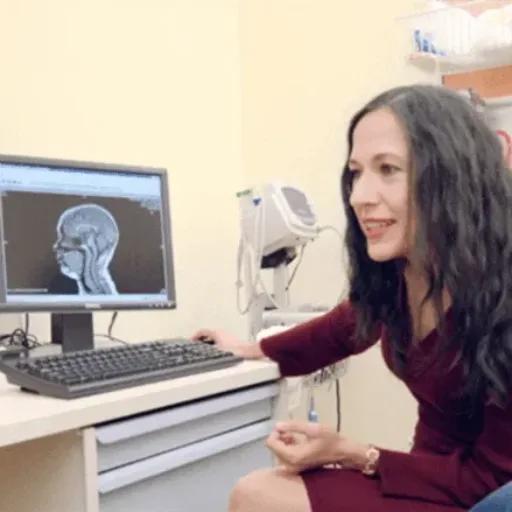
“Instead of treating glioblastoma as only a mass of cancer cells, we need to think of it as a connected tumour-immune ecosystem,” said lead author Sheila Singh (pictured), professor of neuro-oncology at King’s College London. “Our approach targets both the tumour and the environment that allows it to thrive.”
Image: King’s College London

A shark that walks – it might sound like the plot line of a low-budget horror film, but scientists have discovered just that off the coast of Papua New Guinea.
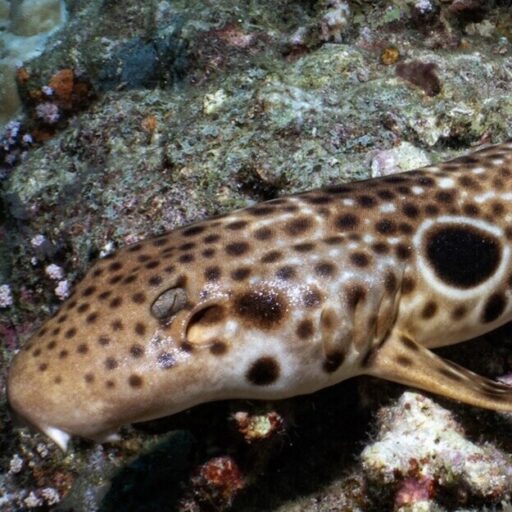
Walking sharks were already known to science with nine such species recorded. That was until this month when a tenth was logged: the Dudgeon walking shark (pictured), named after Australian scientist Dr Christine Dudgeon, who discovered it on a recent night dive.
Found only in a tiny area off southeastern Papua New Guinea, the shark’s discovery immediately raised concerns about the species’ vulnerability, due to its restricted range, habitat degradation and fishing activity. However, studies of other walking sharks suggest that they do respond well to conservation efforts.
Dr Dudgeon and her team will return to Papua New Guinea in October to collect more data on the shark to support its conservation. “New shark species don’t come along that often,” she said.
Image: Mark Erdmann

A low-inflammatory diet could lower the risk of developing dementia among older adults, including those with an increased biological risk of Alzheimer’s disease.
That’s according to a new study from Sweden. It found that participants with high levels of p-tau217 – a blood protein indicative of dementia – who followed a low-inflammation diet had up to a 30% lower risk of developing the disease than those who ate different diets.
Led by the Karolinka Institute, the study followed 1,865 adults aged 60 and over for 15 years. Participants had their blood tested for biomarkers which indicate dementia, as well as having their diets assessed.
The study connects two rapidly developing areas in dementia research: early identification of risk through blood biomarkers and prevention through modifiable lifestyle factors. However, it does not prove that diet impacts dementia risk, rather establishing a link.
“Our findings suggest that diet quality may be relevant for dementia prevention in people who already show biological signs of increased risk,” said Anja Mrhar from University of Ljubljana, Slovenia, who contributed to the study.
Image: Renee Sera
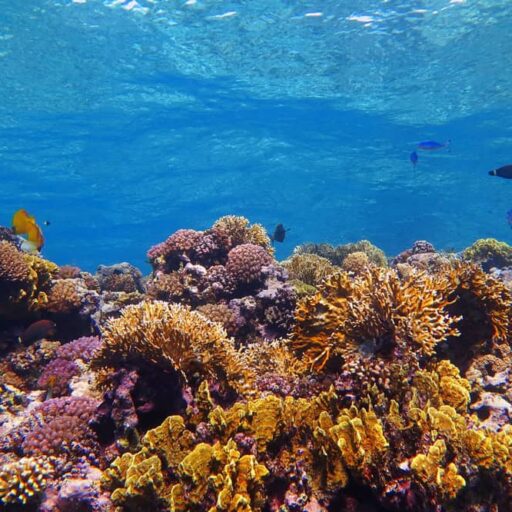
Red Sea coral reefs that have shown remarkable resilience to global warming could soon receive Unesco world heritage status.
Jordan’s Aqaba Marine Reserve is a globally significant ecosystem thanks to its thermally resilient corals, which have proven far more resistant than most to bleaching caused by warming seas.
Unesco is now considering adding it to its list of world heritage sites after the International Union for Conservation of Nature (IUCN) nominated the site, along with four other ecosystems, for world heritage status.
Also nominated are: Garamba national park in the Democratic Republic of Congo; Denmark’s fossil-rich Western Limfjord; the US’s Okefenokee National Wildlife Refuge; and the Getbol tidal flats in South Korea.
Tim Badman, director of world heritage at IUCN, said this year’s recommendations “underline the extraordinary range of natural heritage that needs long-term protection; from coral reefs that may help science understand climate resilience, to tidal flats sustaining migratory birds.”
Image: blue-sea.cz
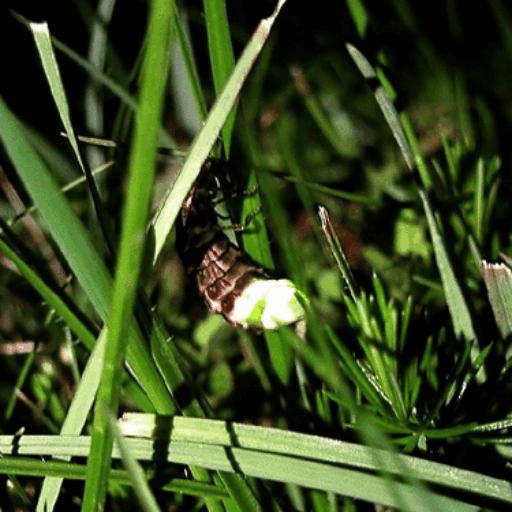
Glow-worms have been released into an English national park that has some of the darkest skies in Europe.
The common glow-worm has struggled in the UK in recent years because of habitat loss and artificial lighting. The species is now classified as near threatened by the International Union for Conservation of Nature.
However, the insects are set for a glowing return to South Downs national park after conservationists released larvae, which should mature into adult glow worms next year.
“Being a dark night sky and on the edge of a large woodland with little light pollution makes this the perfect area for a reintroduction,” Paul Bushell, a national park ranger, told ITV. “We’ll have a wait a while for the glowing to begin, but we’re hoping it will be worth the wait.”
Image: Timo Newton-Syms

As Europe sizzled in record temperatures last week, a proven solution for urban cooling returned to the fore: trees.
Research shows that planting trees dramatically reduces temperatures in cities. One study in Manchester, England, put the cooling benefit at up to 12C, and is now being widely cited as a call to action.
“Last week’s extreme temperatures show how poorly prepared we are for a rapidly changing climate,” said Andy Egan, head of conservation policy at the Woodland Trust, a UK charity. “While some communities sweltered, others were shaded by trees which cooled surface temperatures by more than 10C. Everyone needs this protection, but millions of people live in tree deserts.”
Egan called on the government to prioritise planting “high-quality, homegrown trees” in such areas.
Prof Alistair Griffiths, director of science at the UK’s Royal Horticultural Society, agreed. “The science is unequivocal,” he said. “Trees are one of the most effective natural tools we have for cooling urban environments.” Planting more, he added, would be an investment in “health, wellbeing and economic resilience”.
Image: iStock

Like Stonehenge, the origins of the Cerne Abbas Giant have long puzzled historians. One thing we do know about the 180ft figure carved into a Dorset hillside is that it’s an English icon – one that’s now getting a re-vamp.
Work is underway to re-chalk the giant as part of a once-in-a-decade endeavour which requires 17 tonnes of chalk. It’s a mission with added significance this year after the National Trust conservation charity recently purchased 130 hectares of land surrounding the figure.
Home to rare wildlife, including the endangered Duke of Burgundy butterfly, the trust said the newly protected land “offers a once‑in‑a‑lifetime opportunity to create a connected mosaic of habitats” around the figure.
“The giant was never meant to exist in isolation,” said Steve Timms, a National Trust archaeologist. “By protecting the surrounding land, we now have the chance to explore how people moved through, used and understood this landscape over thousands of years.”
Image: Kyle Glen
Main image: iStock
Get your weekly fix of good news delivered to your inbox every Saturday, by signing up to the Positive News email newsletter
Be part of the solution
At Positive News, we’re not chasing clicks or profits for media moguls – we’re here to serve you and have a positive social impact. We can’t do this unless enough people like you choose to support our journalism.
Give once from just £1, or join 1,800+ others who contribute an average of £3 or more per month. Together, we can build a healthier form of media – one that focuses on solutions, progress and possibilities, and empowers people to create positive change.