A ‘global turning point for mangrove forests’, a new France-sized marine reserve, and how EVs are saving lives, plus more good news
This week’s good news roundup
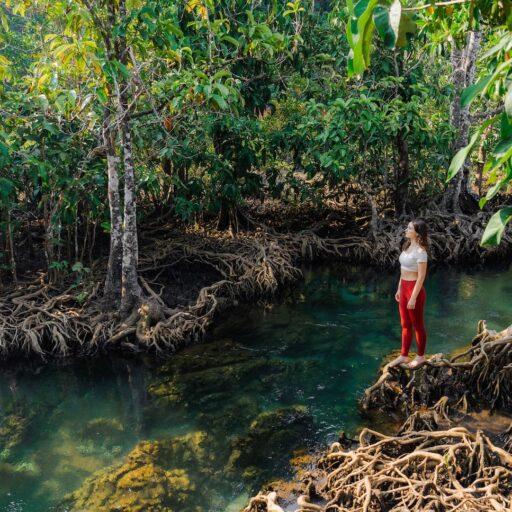
The world’s mangrove forests have staged a remarkable global recovery, with scientists hailing the news as “an important source of optimism for climate action”.
Mangrove forests protect millions of people from storms, absorb vast amounts of CO2 and are vital nurseries for fish. However, despite their services to humanity, they have vanished at an alarming rate since the 1980s. Until recently.
A new study suggests that gains have been outpacing losses over the last 16 years, resulting in only a 1% net decline in total area covered during the last 40 years.
“After decades of loss, we’re finally seeing a global turning point for mangroves,” said study lead Zhen Zhang from Tulane University, Louisiana, US. “This highlights their strong resilience and their potential as a powerful nature-based solution for climate mitigation and coastal protection.”
The research also found that existing mangrove forests are becoming denser and healthier, reflecting the impact of conservation policies and restoration programmes. However, threats to the ecosystems remain in some regions.
Dr Daniel Friess, professor of environmental sciences at Tulane, said that overall the findings were a “rare conservation success story” and an “important source of optimism for climate action”.
Image: iStock
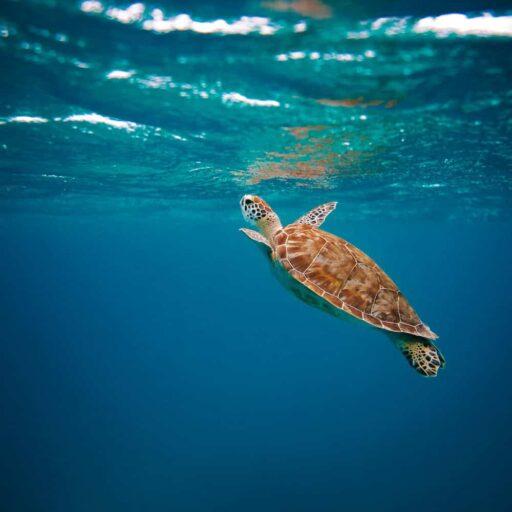
French Polynesia has made one of the single biggest contributions to ocean protection ever after its government announced a new marine reserve the size of France.
Some 200,000 sq miles of ocean surrounding the Austral and Marquesas Islands – two of the most biologically rich archipelagos on Earth – will receive the highest level of protection, with mining, trawling and industrial fishing prohibited, it was announced on Tuesday. Artisanal fishing, central to local food security and culture, will be preserved.
The archipelagos host species that are found nowhere else on Earth, including the Marquesan domino damselfish. They are also critical habitats for endangered sharks, whales, dolphins and sea turtles (pictured).
“This cements French Polynesia’s place as the global leader in marine conservation,” said Maël Imirizaldu of the Blue Nature Alliance, a global coalition to accelerate marine conservation. “Their determination to preserve the ocean demonstrates that it is not simply a commodity, it’s the matrix that sustains all of us.”
Image: David Courbit

More than 90% of countries now have laws guaranteeing the rights of people with disabilities, according to the UN, which has hailed “hard-won gains” made over the last 20 years.
The UN hosted the 19th global meeting on the rights of people with disabilities at its New York headquarters this week. At the first such meeting in 2006, member states signed a legally binding agreement to uphold, promote and protect the rights of people with disabilities. Two decades on, more than 90% of those countries have followed through on their promises.
However, UN secretary general António Guterres said that while “progress is real, it is unacceptably slow” with nations currently off track when it comes to meeting the Sustainable Development Goals for people with disabilities.
This week’s conference aimed to accelerate progress. “Too often, living with a disability means living in a world designed by and for others,” said Guterres. “Luckily, it is possible to redesign the world.”
Image: Zachary Kyra Derksen
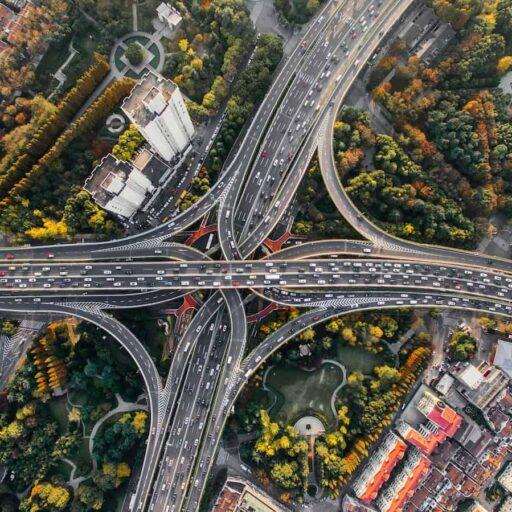
China’s rapid adoption of electric vehicles (EVs) has led to a massive decrease in air pollution, preventing around 260,000 premature deaths so far.
That’s according to a new study published in the journal Nature. It finds that carbon monoxide levels are down, on average, by more than 30% in Chinese cities thanks to the rapid rollout of EVs. Levels of fine particulate matter, it added, have fallen by around 32%.
Both pollutants are linked to a range of deadly health conditions, including lung cancer and cardiovascular disease. The dramatic reduction in pollution prevented approximately 262,000 premature deaths and 75,000 all-cause deaths, the study estimated.
China is the world’s leading producer of electric vehicles. Around half of all cars sold in the country last year were electric. It also accounts for around one in four pollution-related deaths globally, but not, perhaps, for long.
The results of the study chime with similar research from California, US, where a study linked the rollout of EVs with significant improvements in air quality.
Image: Denys Nevozhai


Scientists have identified protein signatures in the blood that can predict a person’s lung cancer risk years before a diagnosis – a development that paves the way for individuals to receive treatment to prevent the disease from taking hold.
The research was led by University College London and the Francis Crick Institute. Academics used machine learning to analyse blood samples from more than 48,000 people in the UK, helping them to identify 14 proteins in the blood that appear to predict a future diagnosis of lung cancer.
Scientists said the protein signature does not come from the tumour itself but “reflects an altered inflammatory lung environment that precedes cancer”.
“This work supports a relatively new idea in the field, that some common age-related diseases share a common, pre-symptomatic state of inflammation,” said UCL’s Prof Charles Swanton. “We think the signature could in the future help to predict and help prevent lung cancer and other lung diseases.”
Image: Accuray
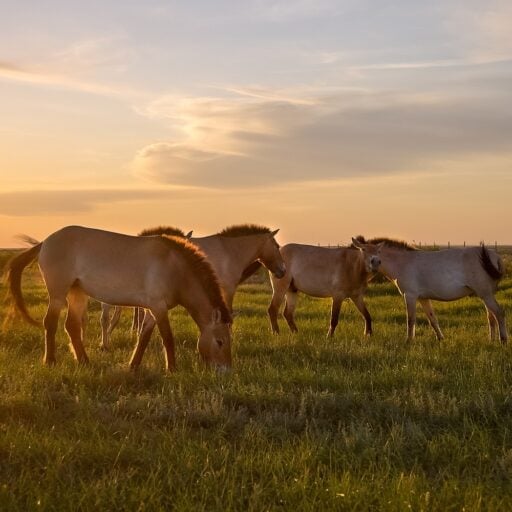
The world’s last truly wild horse is roaming the steppes of Kazakhstan again thanks to a reintroduction initiative that aims to return the species to its ancient habitats.
Five Przewalski’s horses – one stallion and four mares – took their first step on the plains of the Altyn Dala region in central Kazakhstan last week, having been reintroduced from zoos in Europe.
The Przewalski’s horse is considered to be the world’s last truly wild horse species. Most of the global population lives in Mongolia and China, but last year, the horse was reintroduced to Kazakhstan through the Altyn Dala Conservation Initiative, which steered the latest release.
The initiative, which also reintroduced the saiga antelope to the Kazakh steppes, won an Earthshot prize in 2024.
“Two hundred years ago, Przewalski’s horses disappeared from this landscape,” said Michael Brombacher of the Frankfurt Zoological Society, which helped with the reintroduction. “It is a pure joy to see [them], once again, taking their first steps into the wilderness of the steppe.”
Image: Jack Mifflin/ADCI, IZW
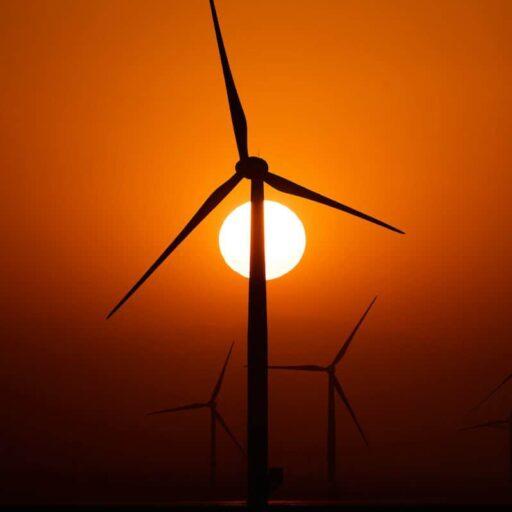
The world’s offshore wind capacity is set to quadruple over the next decade, with China leading the way.
That’s according to the Global Wind Energy Council’s (GWEC) latest audit of the offshore sector. It found that 327GW of new offshore wind capacity is due to come online in the next decade – enough to power around 350m homes.
The findings came as data showed that wind installations hit an eight-year low in the US in first quarter of 2026. But despite the Trump administration’s attempts to stymie wind energy, the rest of the world is pressing on regardless.
“We expect to see exceptional growth over the next decade leading to a quadrupling of the world’s offshore wind capacity,” said Rebecca Williams, deputy CEO of GWEC.
However, Williams said there are still “too many solvable challenges” delaying projects, including planning processes and grid congestion. Overcoming these delays is not just sensible climate policy, she added.
“In less than five years we have faced two major crises caused by continued reliance on imported fuels. Building offshore wind turbines along a country’s coast is a way to guard against future supply shocks.”
Image: Tianhao Wang

Australia’s carbon emissions shrank by 2% last year amid a rooftop solar revolution across the country.
Government figures show a fall in CO2 emissions for the nation, which is a global leader in rooftop solar. Record wind generation, a surge in battery uptake and increased adoption of electric cars helped rein in emissions.
Australia’s minister for climate and energy said the figures offered “further proof that what’s better for the planet is better for your pocket”, claiming renewables have shrunk bills as well as emissions.
There’s still a long way to go, though. To meet climate targets, Australia must slash emissions by 71% by 2035, according to BloombergNEF.
Image: Watt A Lot
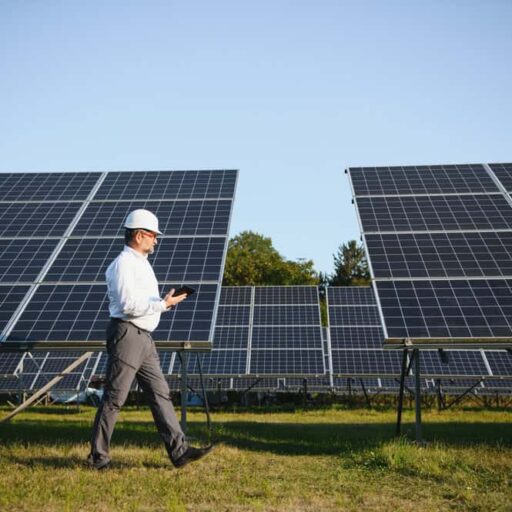
For the first time, solar generated more of the US’s electricity than coal in May, despite a concerted effort by the White House to boost coal burning.
According to analysis from the thinktank Ember, solar supplied 12.8% of the nation’s electricity in May, compared to 12.2% for coal – the fossil fuel’s fourth-lowest monthly share ever.
In the last five years, the share of coal in the energy mix has nearly halved in the US, said Ember, falling from 19.7% in May 2021 to 12.2% in May 2026. By contrast, solar’s share has soared from 5.4% to 12.8% over the same period.
“Overtaking coal for the first month on record shows just how far solar has come,” said Nicolas Fulghum, a senior data analyst at Ember. “From Texas to California, markets across the US are betting on solar to meet rising power needs.”
Image: Shutterstock

There’s been a “small but important” increase in reading and reading enjoyment among children in the UK, new research shows.
A survey of 125,375 children by the UK’s National Literacy Trust found that more than one in three (36.1%) young people aged eight to 18 enjoyed reading in their spare time. That’s up from 32.7% last year, and is the first increase since 2021, but still way down on 2016’s figure of 58.6%.
The trust noted that the increase was almost identical for boys and girls, with the largest rise reported among teenagers. However, it was less pronounced among children from disadvantaged backgrounds.
The survey also revealed an uptick in the amount of time spent reading, with one in five (20.3%) eight to 18-year-olds saying they read every day, up from 18.7% in 2025.
“For the first time in five years, more children are saying they’re enjoying reading, and that genuinely fills me with hope,” said education secretary Bridget Phillipson. “But with progress slower for poorer children, we must make sure every child can find a form of reading that speaks to them.”
Related: Dutch kids declared the world’s happiest. Here’s why
Image: Gaelle Marcel
Main image: iStock
Be part of the solution
At Positive News, we’re not chasing clicks or profits for media moguls – we’re here to serve you and have a positive social impact. We can’t do this unless enough people like you choose to support our journalism.
Give once from just £1, or join 1,800+ others who contribute an average of £3 or more per month. Together, we can build a healthier form of media – one that focuses on solutions, progress and possibilities, and empowers people to create positive change.