A village in north Somerset has got passionate about rare species spotting, thanks to the biodiversity-boosting efforts of Yeo Valley Organic’s home farm
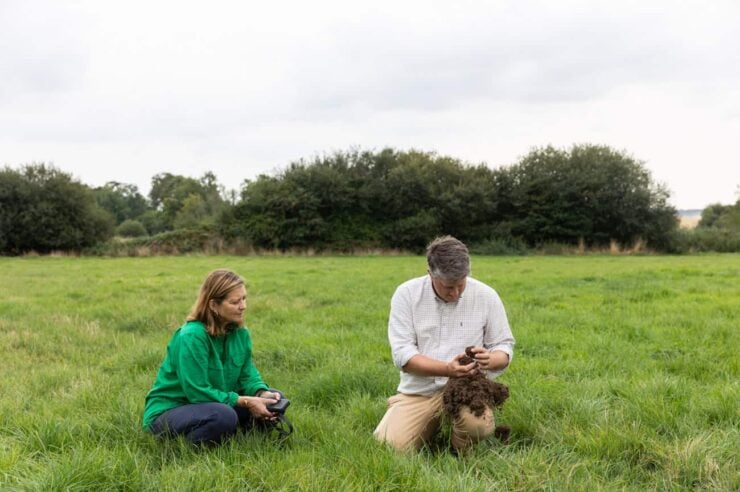
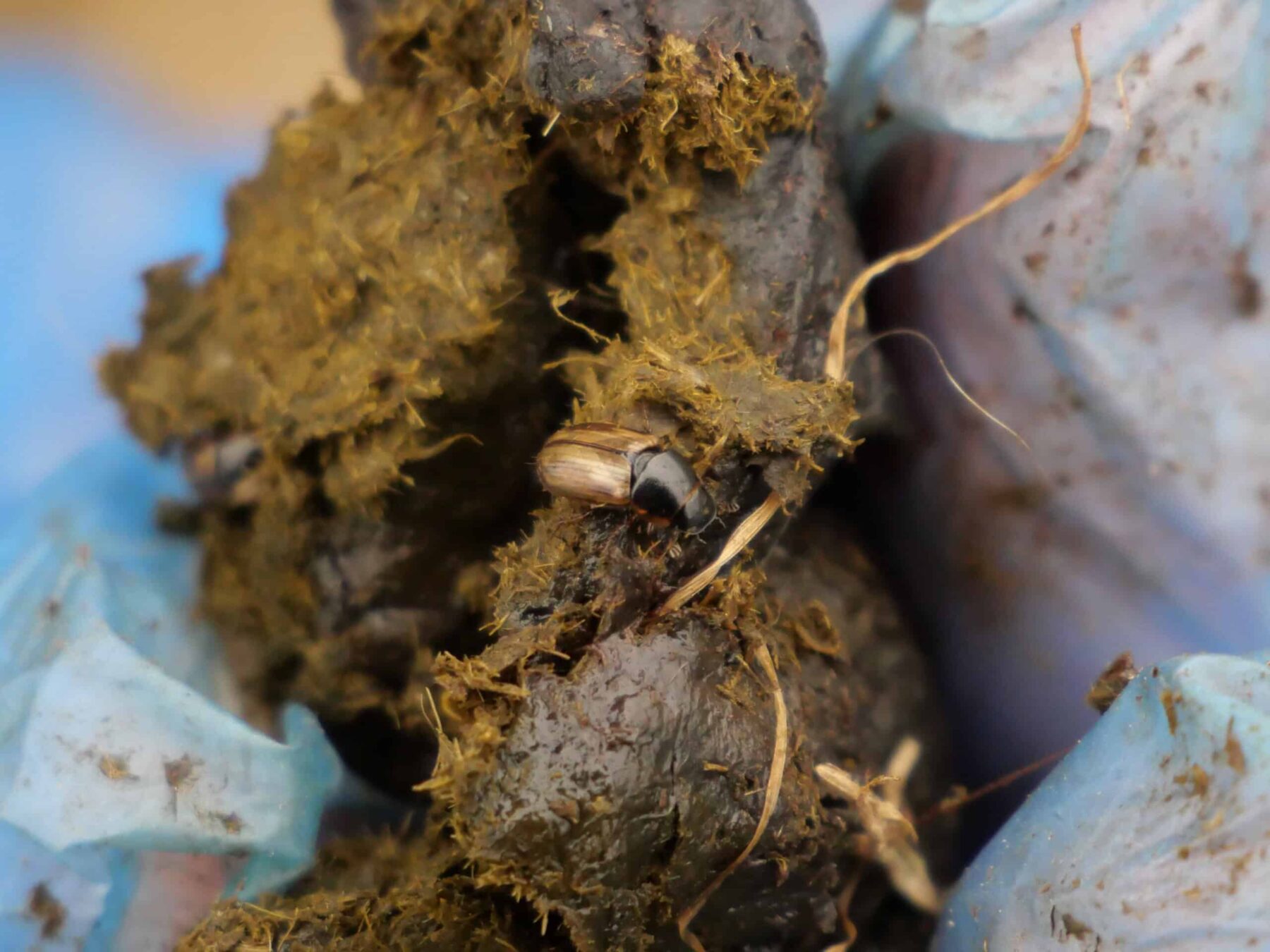
Sleeves scrunched to their elbows and rubber gloves pulled on – it was July 2023 and Yeo Valley Organic’s senior leadership team was getting a close up view of one of dairy farming’s less glamorous byproducts. Instead of board meetings and production schedules, the focus was on an entirely different task: sifting through moist discs of cowpat in search of glossy black dung beetles.
It might sound like a nose-wrinkling staff away day, but the great beetle survey was in fact part of the British brand’s commitment to regenerative agriculture. Yeo Valley Organic’s cattle thrive on organically-grown, pesticide-free pasture, an environment that attracts dung beetles, too.
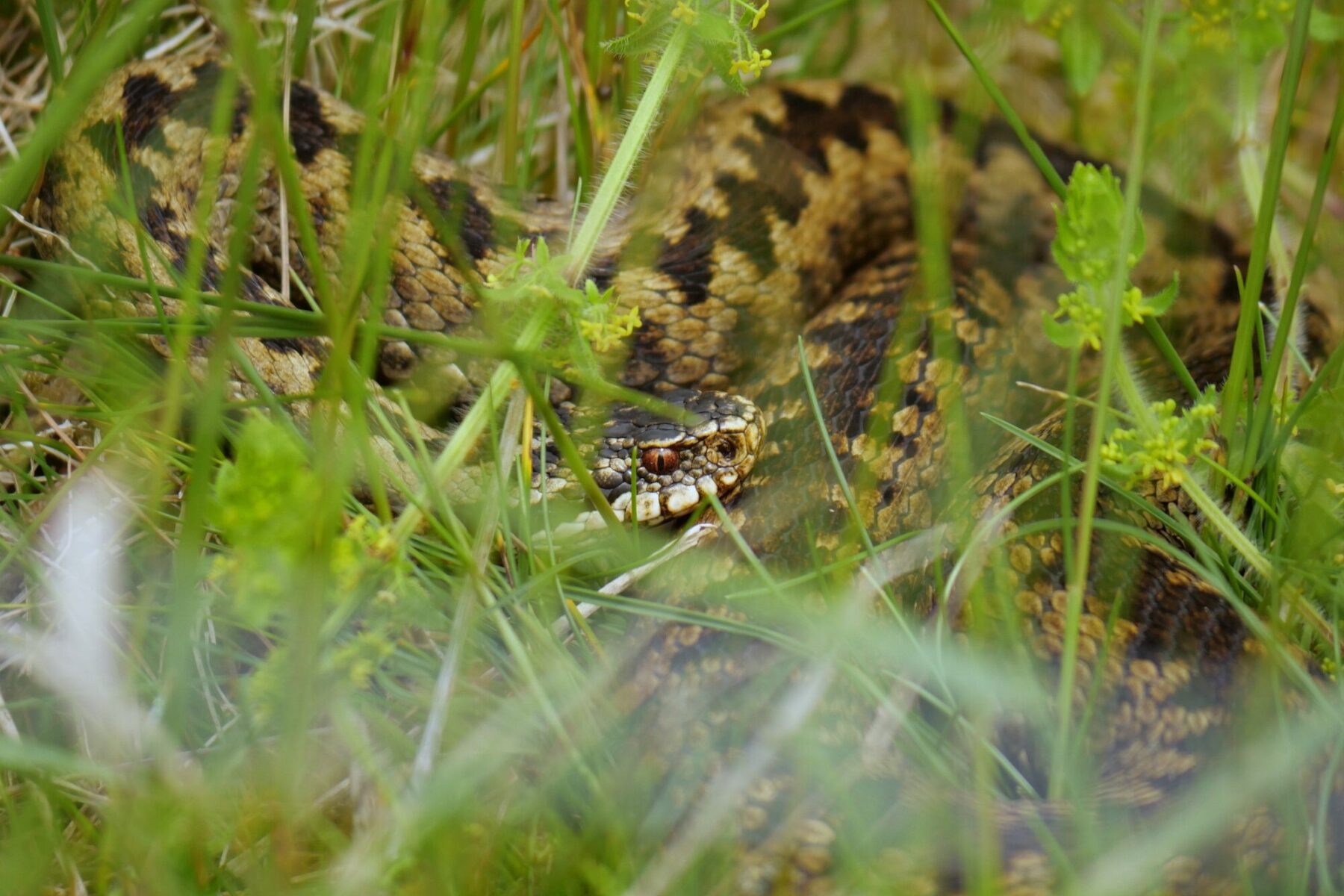
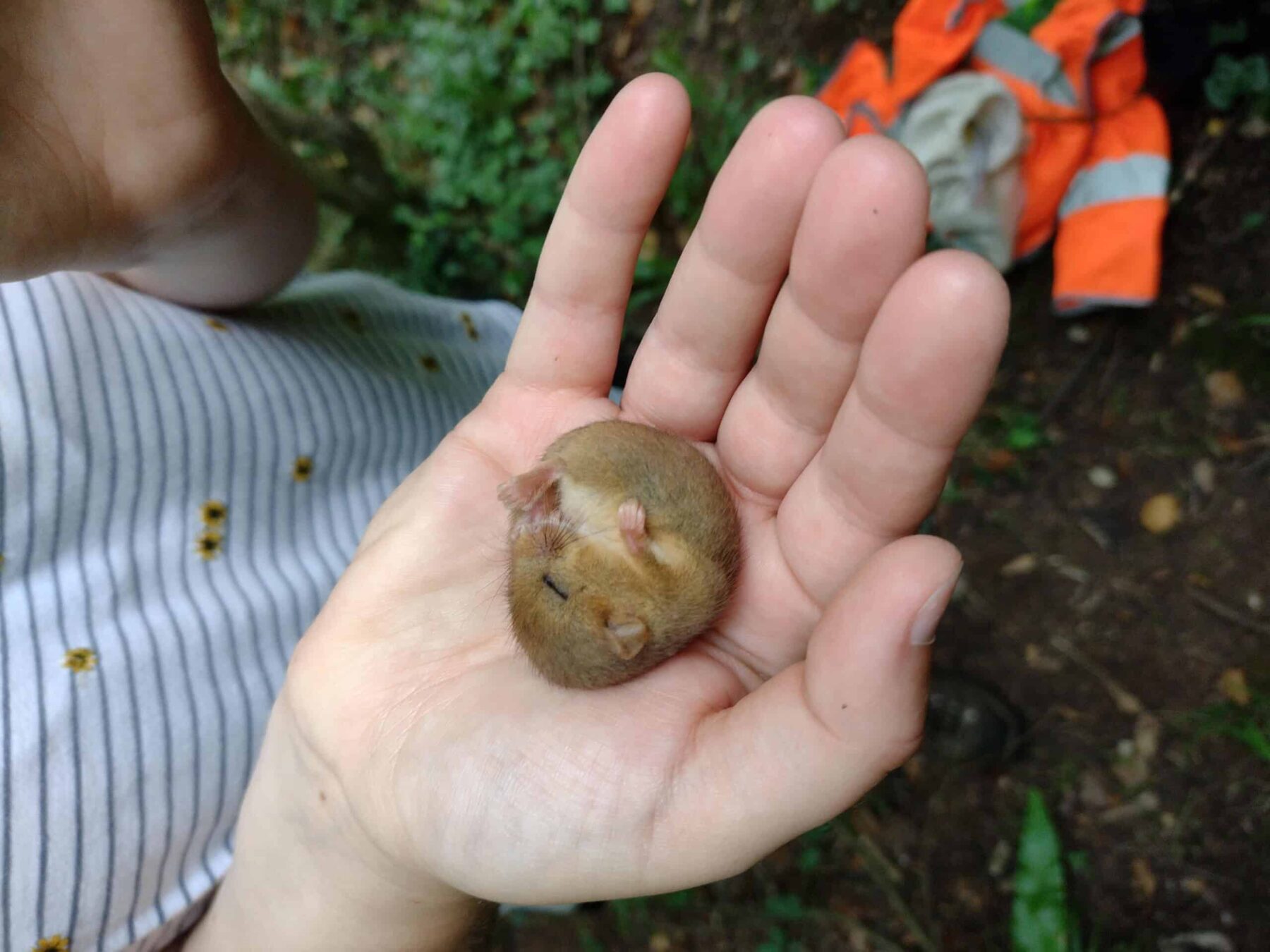
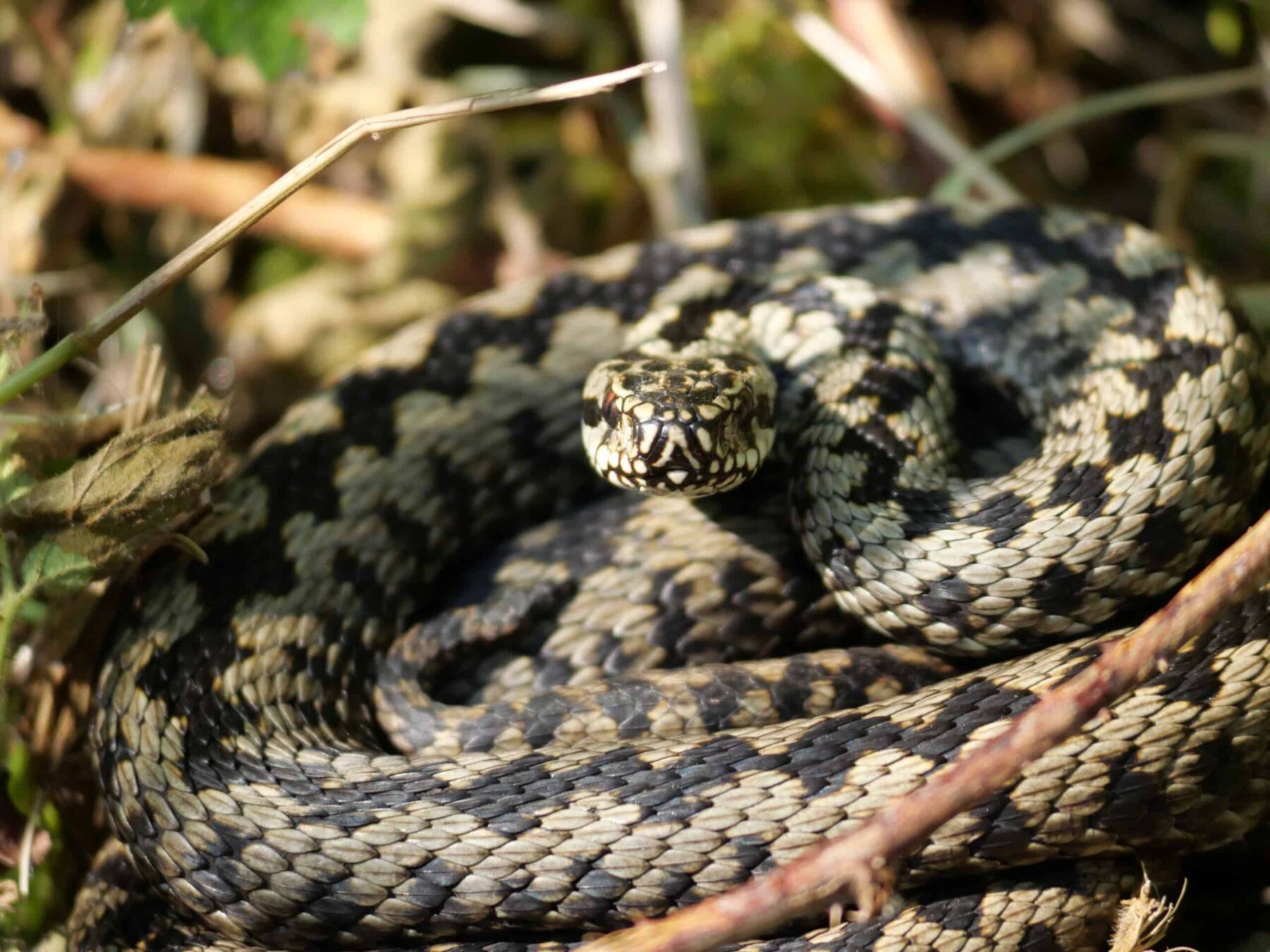
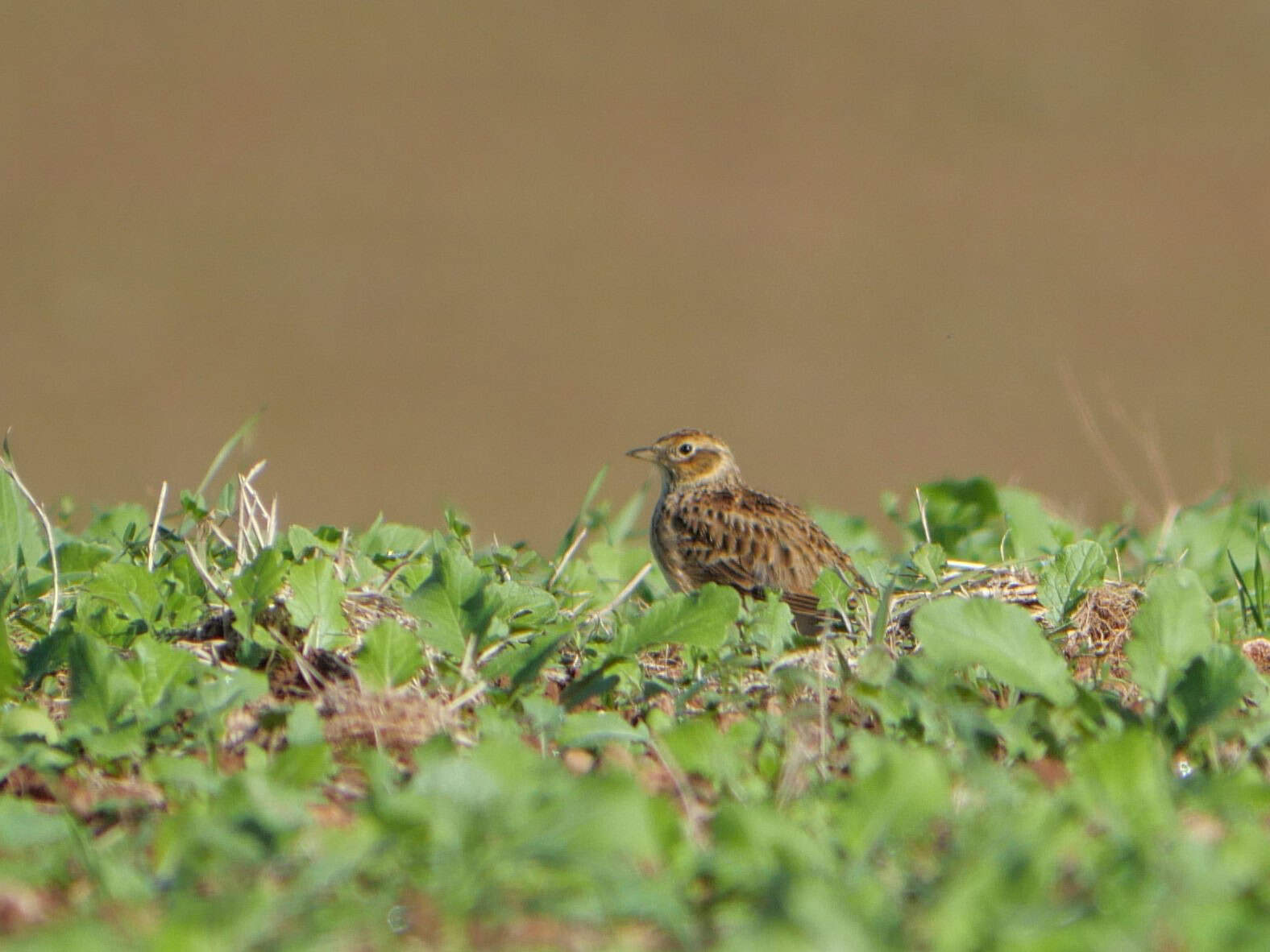
Now, the insects are helping tell a bigger story. As the company scrutinises the impact of its regenerative approach, dung beetles have become one of four indicator species – alongside skylarks, adders and hazel dormice – being surveyed at Holt Farm, the company’s home farm in Blagdon, North Somerset.
“We want to produce food with nature, not against it, and not to the detriment of biodiversity,” says Will Mayor, the company’s farms development manager. “We want biodiversity throughout our fields and our hedgerows, not just at the edges. But we have to start off with a baseline. We’re asking ourselves, what have we got on the farm?”
To answer that question, Yeo Valley Organic enlisted the help of roving ecologist Patrick Hancock, who set about devising a long-term biodiversity survey, using the four species to measure progress.
Besides the dung beetles – busy ecosystem engineers who cycle nutrients and bovine parasites into the ground – Hancock selected skylarks, hazel dormice and adders.
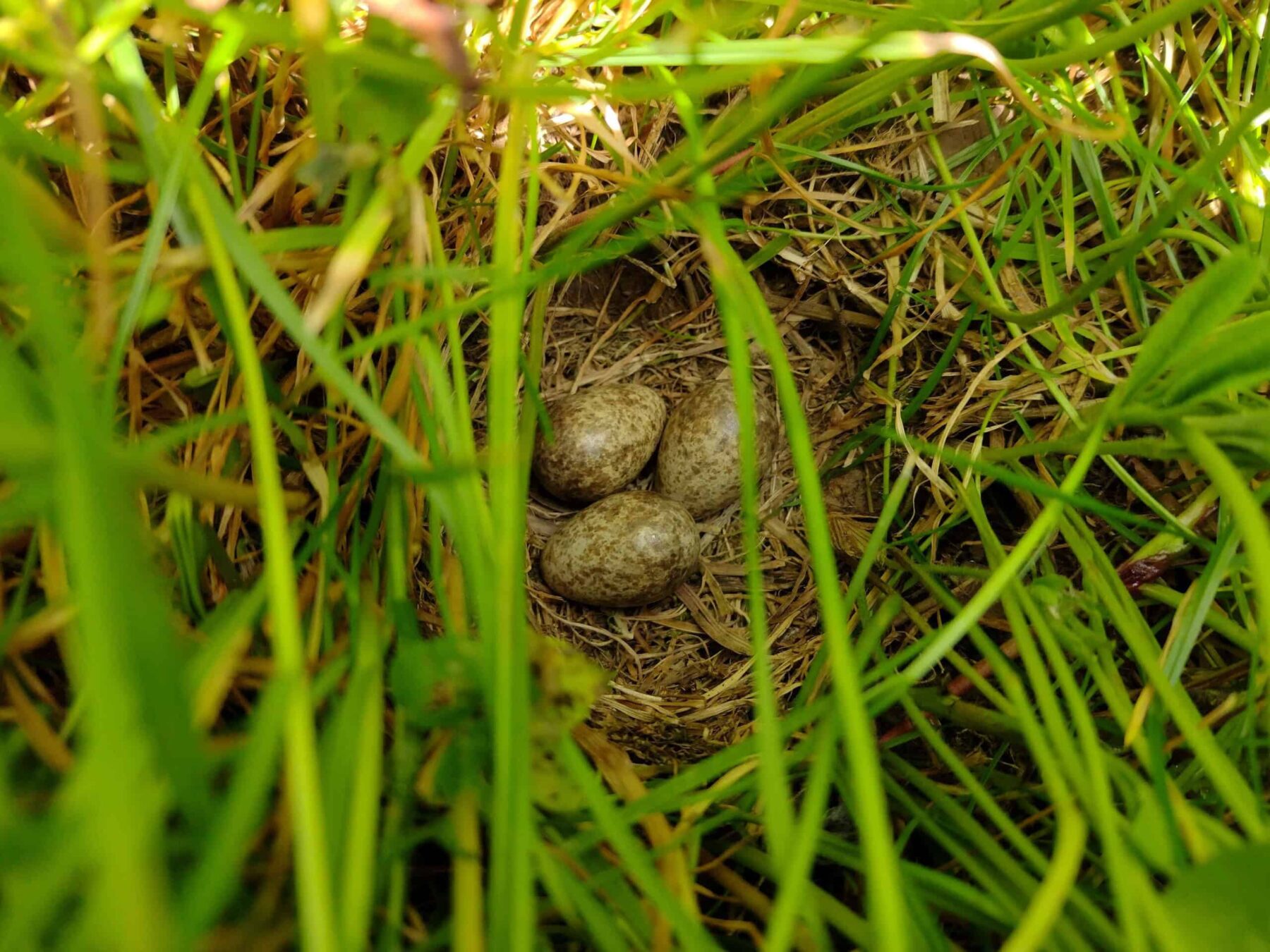
“There was anecdotal evidence of all of them being seen around the farm,” Hancock explains. “Skylarks are a key species in the neighbouring Mendip Hills, which are also a hotspot for adders. Together, these four species seemed to represent the wider countryside – we want to see if they can survive and thrive here.”
And so Hancock has established a network of transects – living pathways weaving through Yeo Valley Organic’s varied habitats – from established woodland and agroforestry plantation to stretches of lowland. Walking them throughout the year, he builds a census of his indicator species.
Sharing his finds in a Yeo Valley Organic staff WhatsApp group soon captured the imagination of colleagues. “People were showing photos around the office, and it caught on,” says Mayor. “They started adding their own photos of wildlife they’d spotted, asking Patrick to identify them. It’s snowballed into a hub of activity.”
We want to produce food with nature, not against it, and not to the detriment of biodiversity
That hub has since rippled out into the wider community, with enthusiastic locals contributing their own sightings to the group, and logging their finds on the iNaturalist wildlife identification app.
Local resident Mark Sumpter, invited to join by friend and Yeo Valley Organic founder Tim Mead, describes the group as transformative.
“The group’s been a revelation,” Sumpter says. “I’ve always had an interest in ornithology and wildlife, but before joining I’d be out walking the dog and not realising all these creatures were hidden there in plain sight. It’s made me far more attentive, to actually look closer and listen.”
Sumpter has logged deer and a variety of birdlife, including woodcock, one of Hancock’s favourite species. The largely nocturnal wading bird flourishes in healthy soil ecosystems, using its long bill to prise earthworms, grubs and insects from the ground.
“Having all these extra eyes and ears out and about is very handy!” says Hancock. “And it’s important that farmed landscapes are recognised as places where you can see wildlife.”
Yeo Valley Organic’s approach to balancing nature with food production can be described as ‘land sharing’, where farming supports biodiversity, and vice versa. It contrasts with ‘land sparing’, when parcels of land are left to nature and the remainder is farmed intensively.
It’s made me far more attentive, to actually look closer and listen
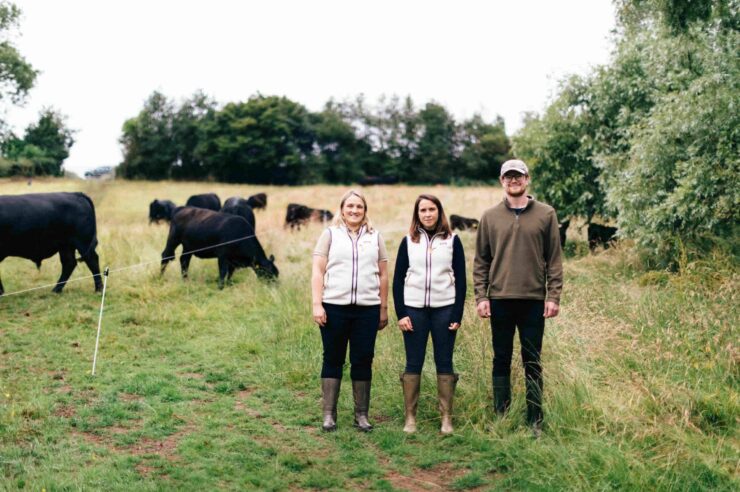
One example is mob grazing, where livestock are moved frequently between small plots of pasture. The method mimics natural grazing patterns, boosting soil health and producing a steady supply of earthworms, beetles and other invertebrates. The bugs feed skylarks, which, in turn, snack on flies and other pests that can trouble cattle. “We’re not just benefiting biodiversity, we’re strengthening the resilience of the farming system itself,” Mayor explains.
Inevitably, Hancock’s knack for spotting wildlife means he notices far more than the four indicator species during farm wanders. On recent walks he has recorded fieldfare and redwing – both winter thrushes – alongside flocks of starling. Rarer sightings include merlin, short-eared owls and corn bunting.
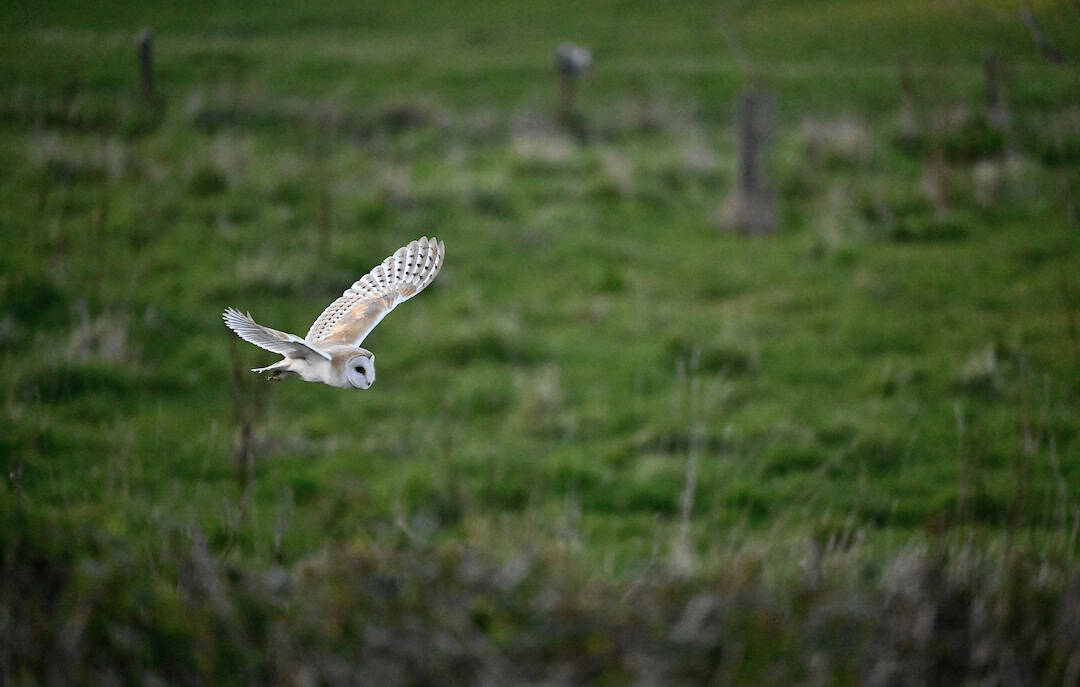
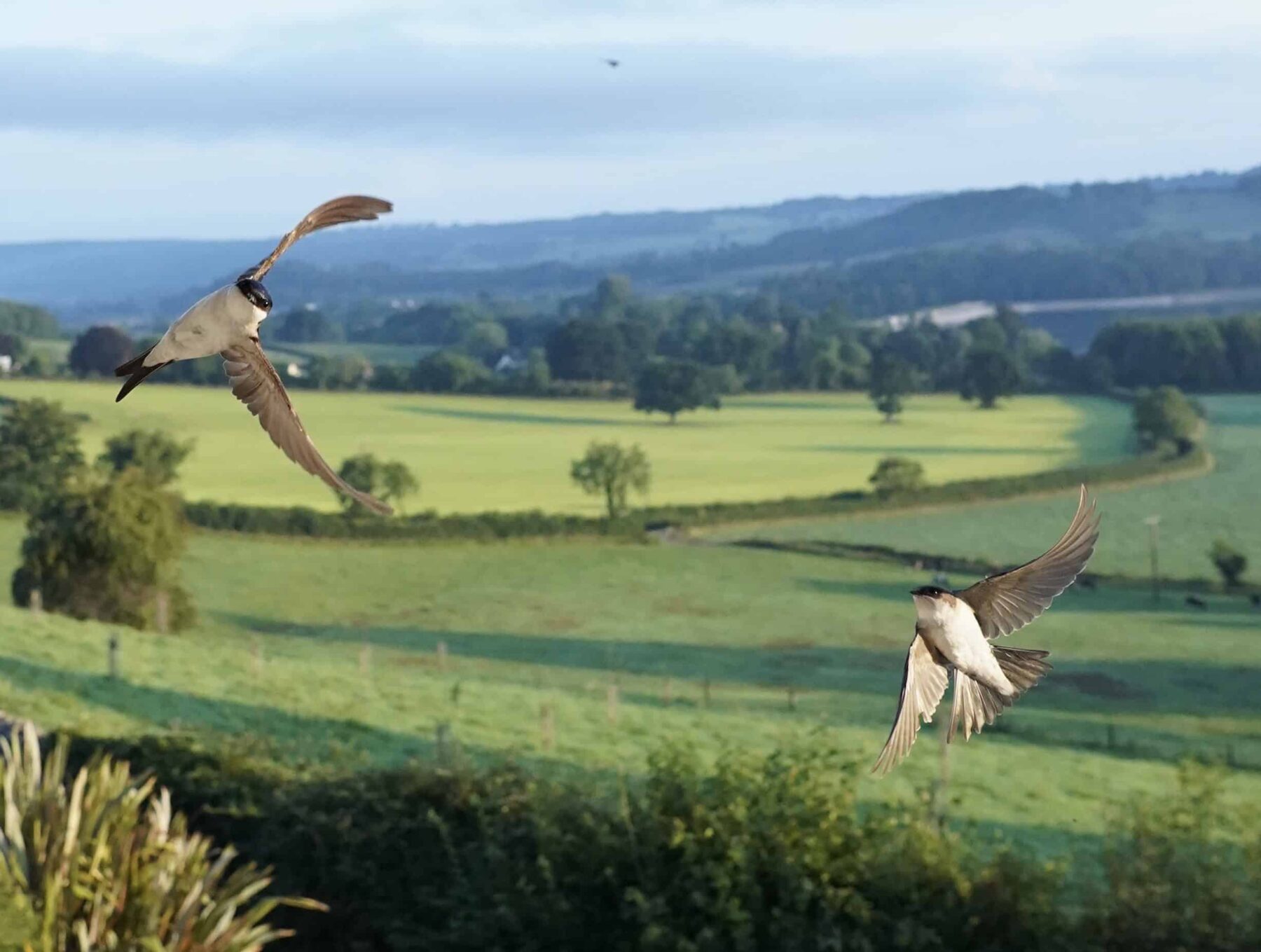
Keen amateur photographer Matt Pluchino is another local who often joins Hancock on his walks. His back garden overlooks Yeo Valley Organic’s Holt Farm. From his living room he’s watched barn owls, swooping house martins and the ebb and flow of migrating swans. Walking Hancock’s transects, he’s spotted hares and woodcock.
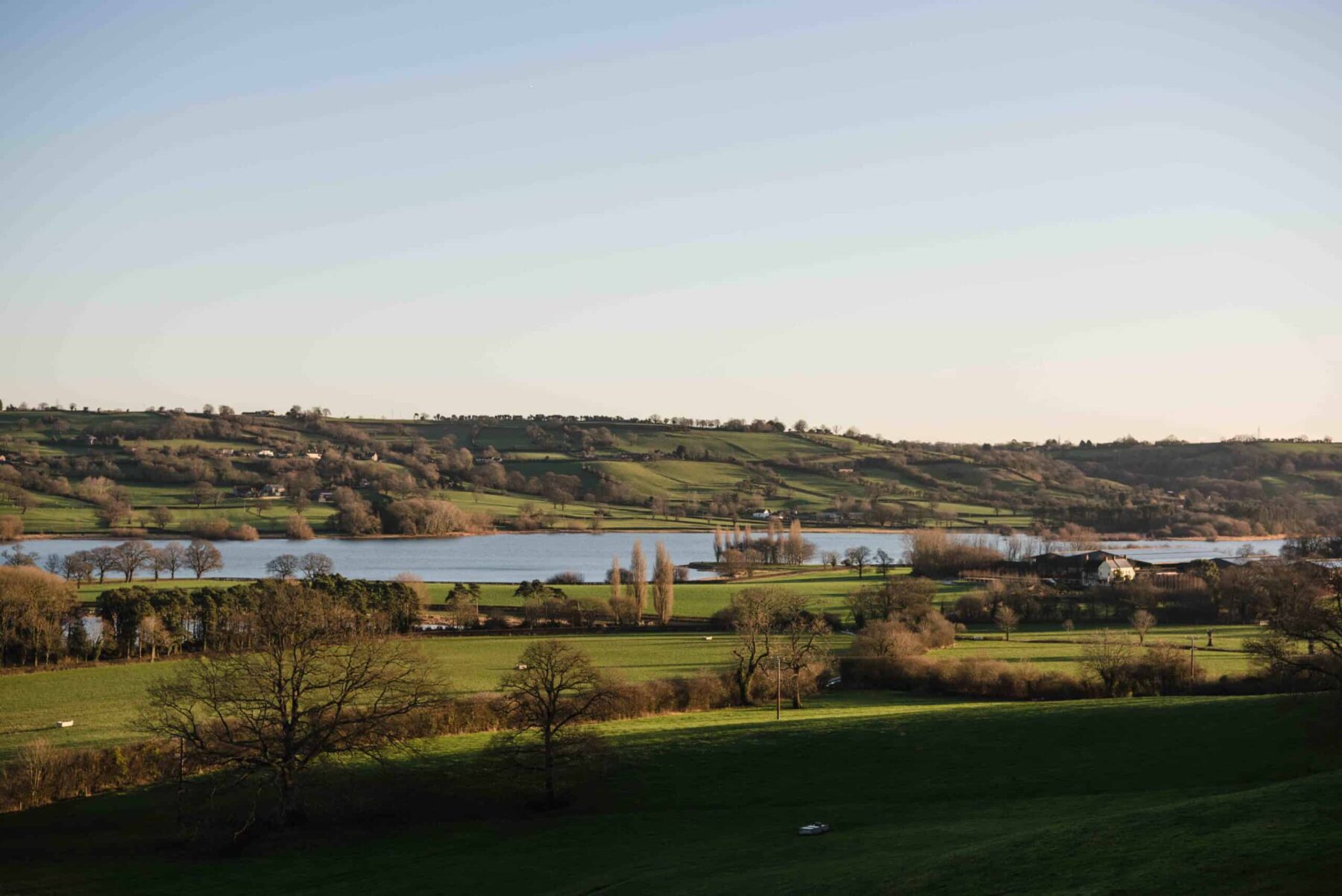
“The garden is full of birdlife,” Pluchino says, reeling off names: black caps, woodpeckers, nuthatches, goldcrest. “We get the benefit in our garden of what’s going on down at Yeo Valley Organic.
“It’s amazing seeing all this wildlife popping up every day. Sometimes it feels more like a nature reserve than a farm.”
Main image: Patrick Hancock