As thousands of schools across Syria remain shattered by conflict, volunteers in Talbisseh are refusing to wait for aid, rebuilding classrooms themselves so children can learn in safety and dignity
In Talbisseh, a city in Syria’s central Homs countryside that lost nearly a quarter of its schools during years of conflict, ordinary citizens are refusing to wait for reconstruction. Instead, they are rebuilding their schools themselves and, in the process, redefining what recovery can look like.
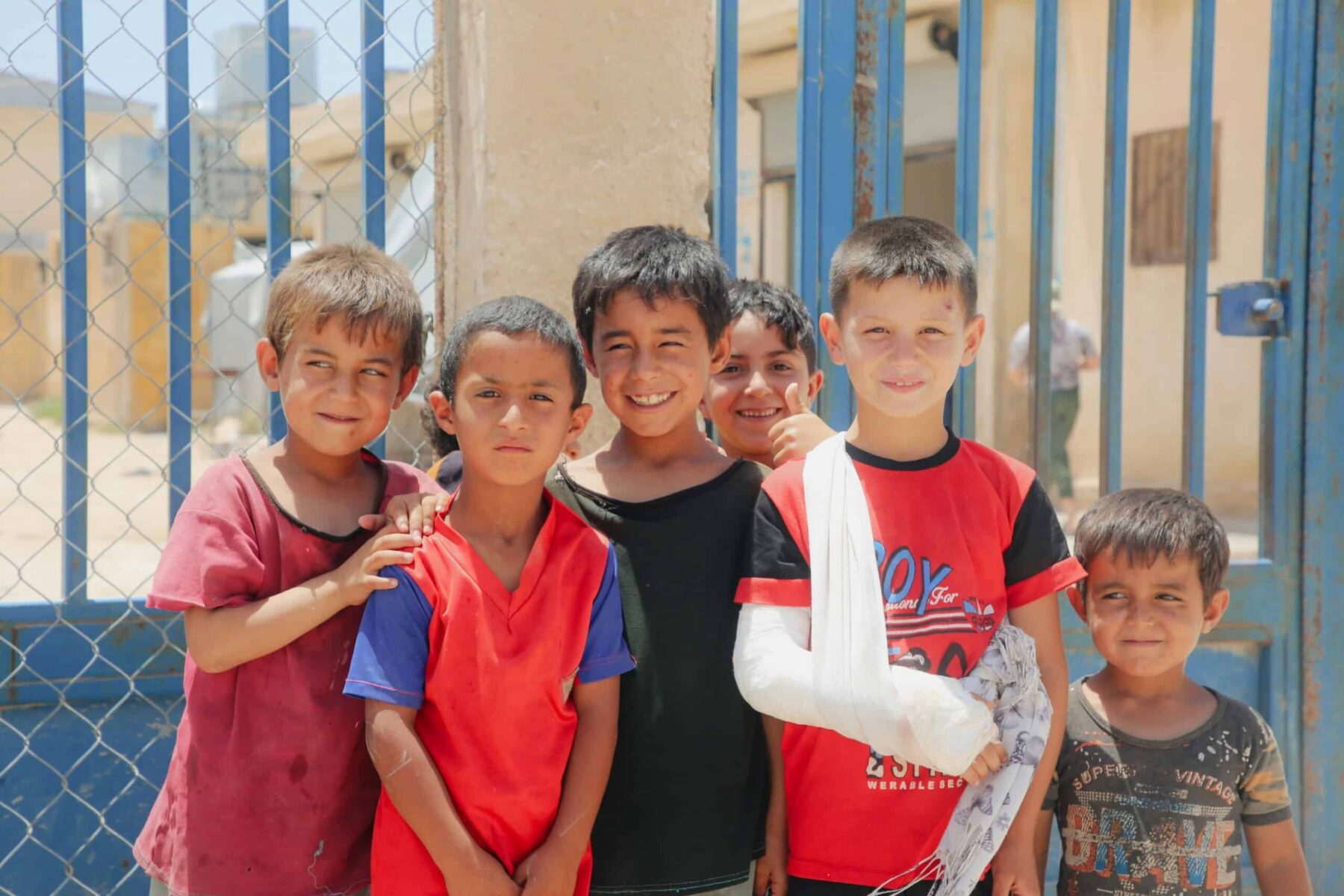
The damage is stark. Salim, a fifth-grader at one of the city’s schools, sits on a metal chair frame stripped of its wooden seat, struggling to write as his posture aches. Bathrooms are hollow shells scarred by bombing. Windows, doors, desks and blackboards are missing. Some buildings still bear structural damage.
Talbisseh once had 24 schools, according to local authorities, but only 18 are currently operating. Across Syria, an estimated 6,383 schools require restoration, while just 797 have been rehabilitated so far.

When Mustafa al-Daher, 48, a blacksmith and father of five, realised that his two teenage sons would not receive a proper education under these conditions, he asked his community a simple question: what if we fixed this ourselves?
Nidal Al-Okaidi, a local resident and activist, launched a campaign documenting the condition of Talbisseh’s schools with photographs, sharing them on social media and calling for donations. The response was immediate. A network of volunteers emerged: carpenters, metalworkers and labourers, each offering their skills without payment.
“Schools in my city were stripped of the most fundamental resources: windows, doors, desks and blackboards were missing,” says Al-Okaidi. “Many buildings carried scars from the bombardment they endured, and children on their first school days were sitting on the ground. We had to do something.”
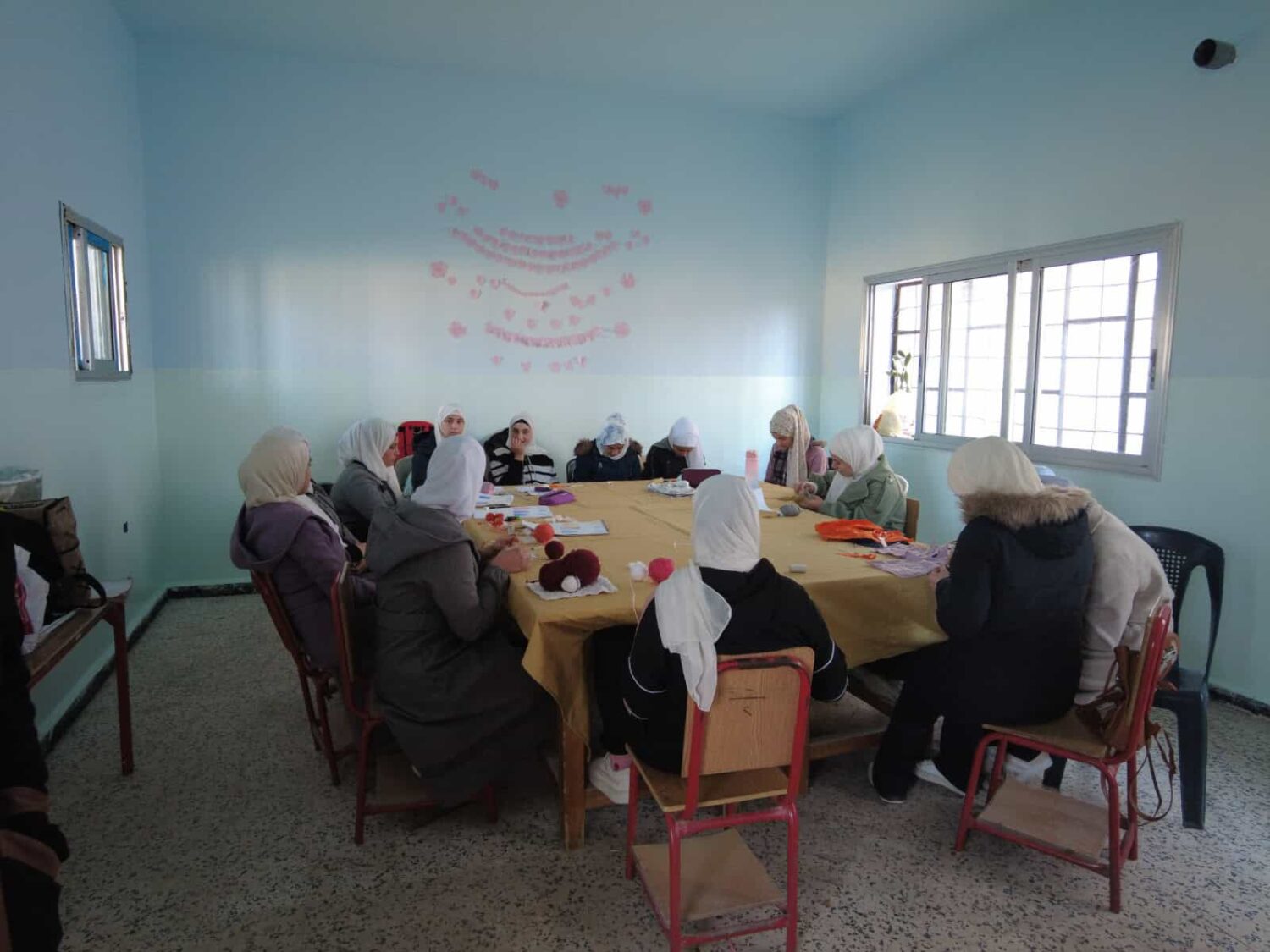
Girls during a crafts session in Talbisseh Girls school for Arts and Crafts. Image: Nidal Al Okaidi
Ahmed Issa Al-Juma’a, 34, is a carpenter who fabricates furniture, doors and windows. He had left Talbisseh during the conflict but returned after fighting in the area subsided. When he learned about the campaign, he committed his time.
“I felt a responsibility towards the children of my town,” he says. “My relatives’ children, my neighbours’ children. Some attend school for an hour or two, if at all. In winter, many don’t go because the schools have no heating.”
He has now helped restore nine schools, focusing on doors, windows and chair repairs. He works throughout the week, including holidays, responding whenever schools call. He does this despite his own son not yet being school-aged.
I’m ready to help now and always. Maybe I can’t give money, but I can give my effort
“I feel responsible for all the children of this town,” he told Positive News.
Mustafa al-Daher joined by offering his metalworking expertise. After returning to Talbisseh from Idlib, he began fabricating bathroom fixtures, installing security grilles on windows and repairing smashed or looted school doors. Since returning to the city after the fall of Bashar Al Asssad’s regime in 2024, he has restored eight schools so far, often bringing his own generator and workers, even when it affects his private business.
“When they call me to fix a school, I go directly,” he says. “I’ve never let them down.”
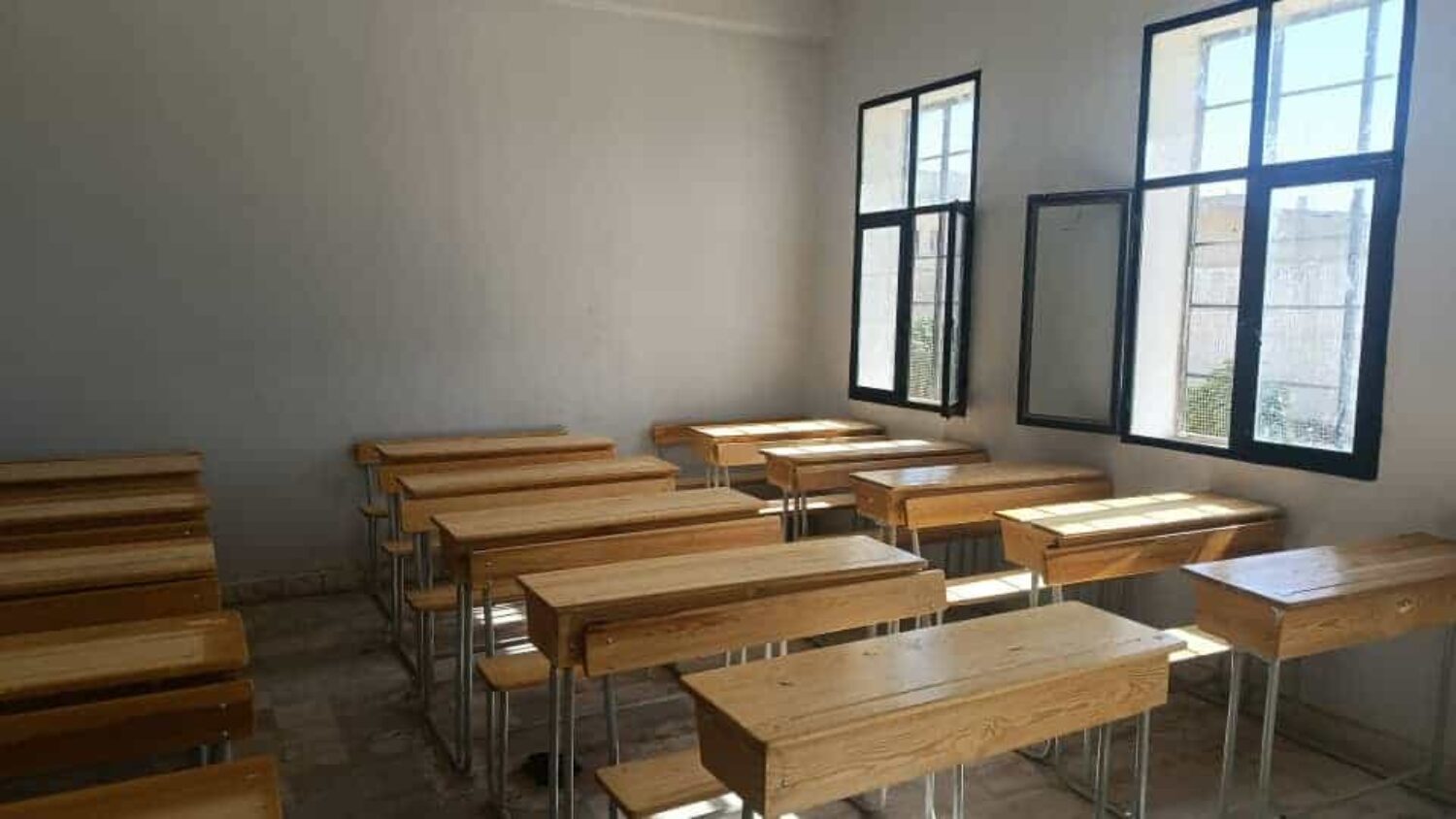
A classroom in Zat Al Sawari elementary school post-refurbishment. Image: Nidal Al Okaidi
For Abdul Monim Al-Moayni, 53, who owns a workshop, the motivation runs deeper. Years before the uprising, he had offered to volunteer to help build a health clinic, but the offer was rejected in favour of people with stronger connections. The disappointment stayed with him.
“I always felt I was falling short,” he says. “I wanted to serve my country, to give something, even if it was small.”
When colleagues told him about the school campaign, he contacted Al-Okaidi immediately. He organised his schedule to protect his business while making himself available whenever schools needed repairs. Even his workers, facing their own financial pressures, donated days of labour.
His granddaughters now study in Talbisseh’s schools. They had previously lived in Turkey, where schools had gardens, toys, heating and adequate resources. The contrast shocked them, and strengthened his resolve.
I wanted to serve my country, to give something, even if it was small
“I’m ready to help now and always,” he says. “Maybe I can’t give money, but I can give my effort.”
Launched at the start of the school year, the campaign has already supported 13 schools and raised more than £75,000. Syria’s education ministry, responding to the initiative’s momentum, has sent 380 desks. Classrooms are regaining blackboards. Bathrooms are becoming functional. Windows are being installed. Children are sitting on proper chairs rather than bare metal frames.
The work continues. The gap remains vast. Thousands of schools across Syria still need restoration. But in Talbisseh, residents are proving that transformation does not always require waiting for top-down solutions.
It requires showing up. It requires believing that one school, one classroom, one child matters enough to give time, skill and effort. In a city shaped by devastation, that commitment has become a form of reconstruction in its own right.
Main image: Salah Darwish
This article was produced for Positive News by egab, a network of journalists in the Global South who publish nuanced stories in international media outlets.
Support solutions in 2026
At Positive News, we’re not chasing clicks or profits for media moguls – we’re here to serve you and have a positive social impact. We can’t do this unless enough people like you choose to support our journalism.
Give once from just £1, or join 1,800+ others who contribute an average of £3 or more per month. Together, we can build a healthier form of media – one that focuses on solutions, progress and possibilities, and empowers people to create positive change.