
From instant cameras to pocket microscopes, six pleasingly low-tech gadgets that will help children make, notice and talk over the holidays
1. Tin Can
These punchy-coloured handsets from Seattle-based company Tin Can allow kids to call each other securely on a Wi-Fi-enabled landline. Parents can stay in control by approving contacts and setting available hours with an app, but the rest is up to the kids with the goal of growing phone confidence and independence.
“People talk about Tin Can with joy, relief, and peace of mind,” says Chet Kittleson, co-founder and CEO. “Kids love it because it feels like theirs. Grandparents tell us they’re having real conversations with their grandkids for the first time.”
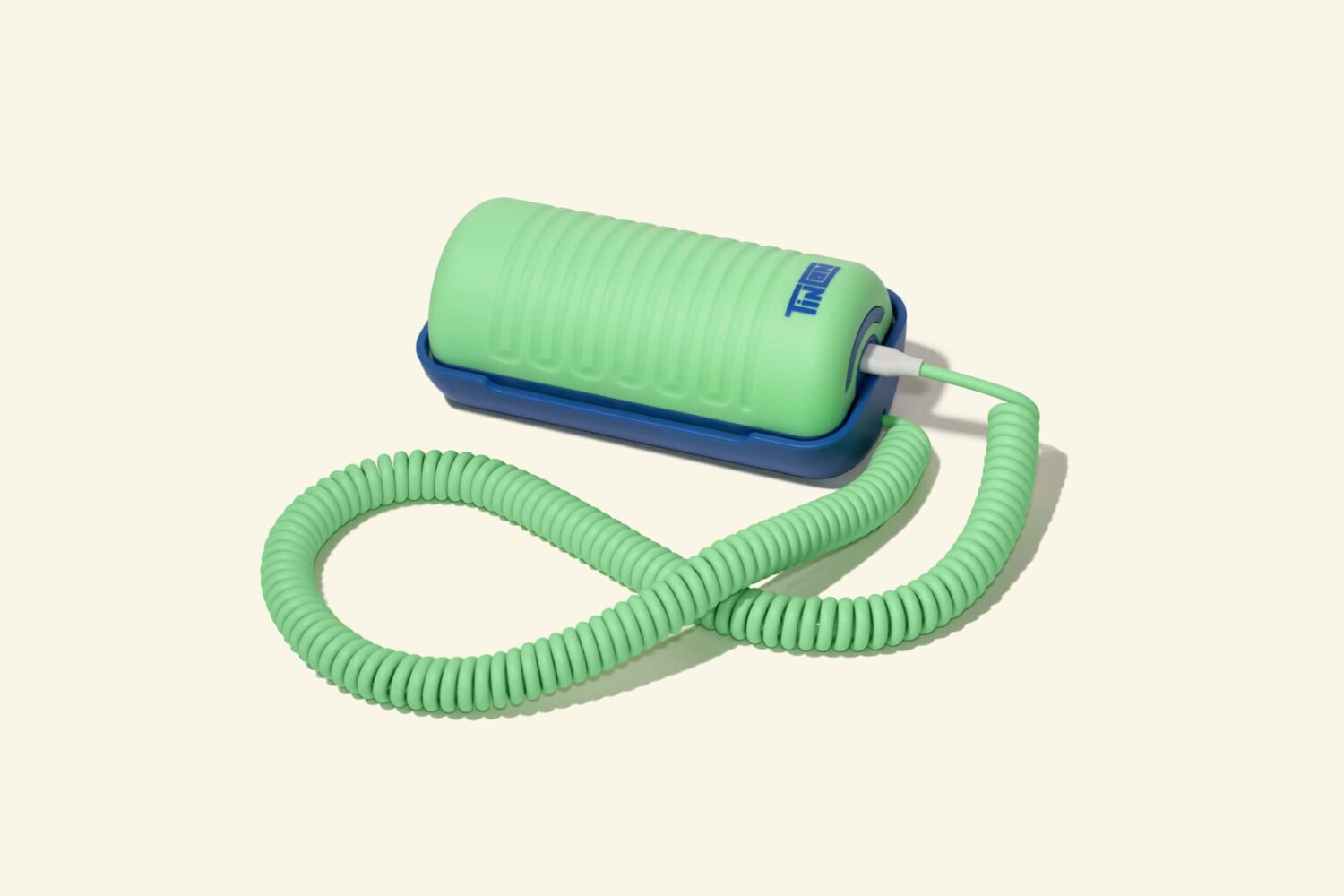
The phone (£100) is aimed at kids five to 12 and launched in the US and Canada in early 2025. It has since been sold to thousands of customers since who love the idea of a 90s-style voice-only connection without apps, internet access or camera.
The twirly cord is a particular throwback feature the team wanted to include. “It’s a wink to that simple childhood idea of two cans and a string,” says Kittleson. “A playful reminder that connection doesn’t have to be complicated to be meaningful.”
2. 3Doodler
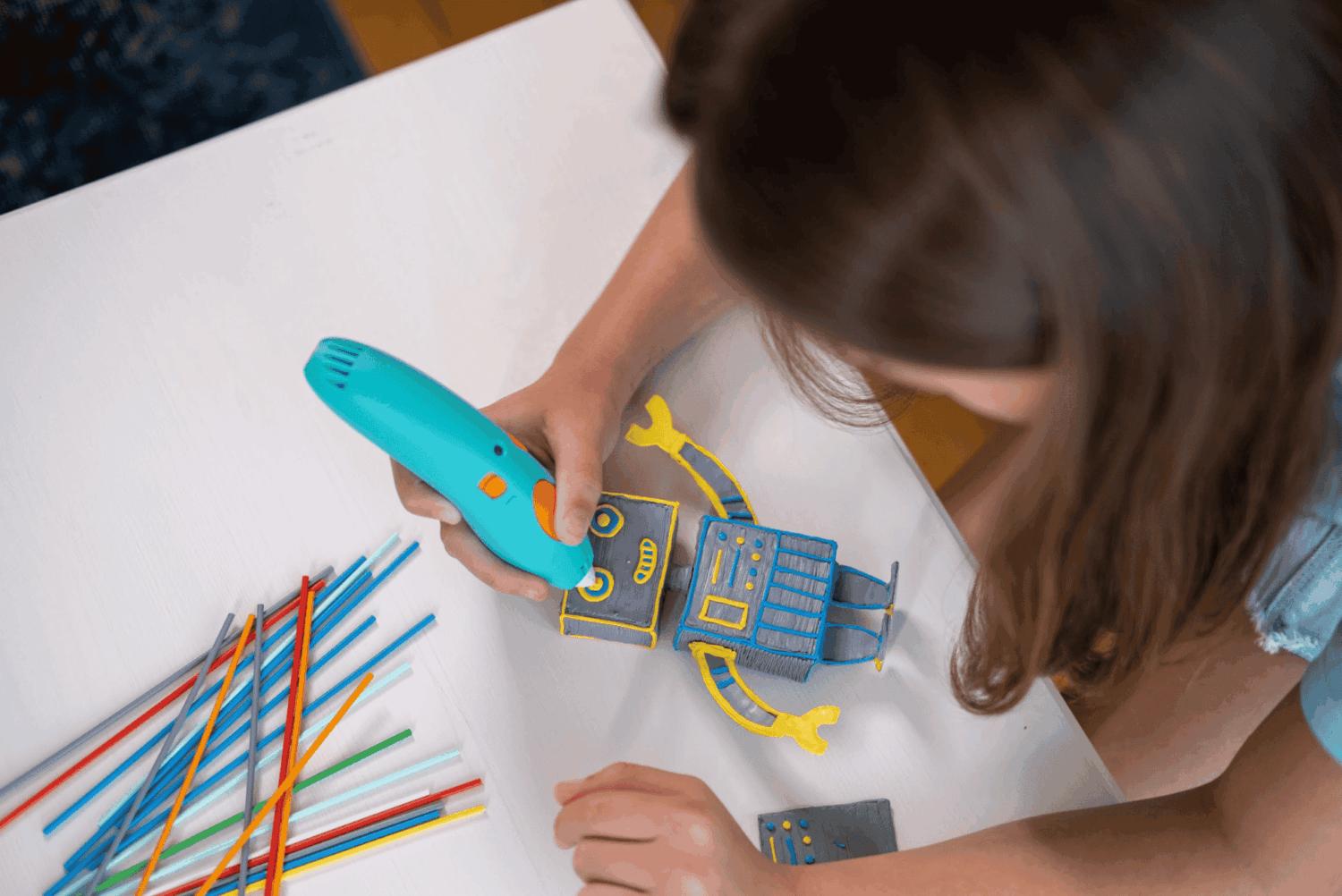
Eighties cartoon hero Penny Crayon could draw herself out of a scrape with a set of magic pens. While the 3Doodler can’t quite make a getaway car or cave entrance appear, it does invoke the thrill of turning two dimensions into three. This gadget pen mixes 3D printer and glue gun, allowing kids to draw lines in soft plastic that harden into a desired form.
The 3Doodler Start+ (£39.99) is best for kids six to 13. It’s the easiest to learn intuitively and operates at a lower temperature than other models with no hot parts. Parents will like that this mess-free creative kit helps children develop fine motor skills and spatial awareness, although the plastic filaments are expensive to replace. The other downside is that once your creation is made, there’s no melting it back. Choose 3Doodler’s Eco-Filament for fun that’s non-toxic and BPA-free. This type is also biodegradable and can be put in your household compost.
3. Pocket microscope
The Natural History Museum knows what they are doing when it comes to inspiring little Attenboroughs. This robust and reasonably priced microscope (£15) is light, portable, can magnify 20-40x and feels sturdy enough for drops, knocks and rough handling – suitable for ages three and up. It’s simple enough for little hands to use, and easy to chuck in a bag for the next outdoor family trip.
The inbuilt LED gives a rich, colourful image. When the base is detached, the microscope can be used directly on tree trunks, walls, rocks and stones to zoom into structure and details. When the base is in, it can be used with plastic slides (two are included) to see samples of leaves, bark, moss, feathers and the like. If you can’t get out, it can be just as fun to look at herbs, sugar crystals and other household bits under the magnifying lens.
4. Karri Messenger
“As a kid, I loved gadgets that gave you a bit of independence,” says Pete Clifford, co-founder and CEO of Karri. “Gameboys and CD players felt personal and fun, but not as all-consuming as smartphones.” The idea for Karri Messenger 2 is a simple screen-free way for kids to stay in touch, with added GPS location and contact approval to reassure parents.
“It needed to be voice-first, tactile and intuitive,” he says. “With children able to send and receive messages through a ‘slide-to-talk’ button inspired by traditional walkie-talkies.”
Karri – which has the strapline The Device They’ll Actually Put Down – doesn’t look like a typical children’s gadget. There are no primary colours or puffy shapes here, meaning 13-year-olds might be willing to carry it with them as much as those five and up. The Messenger 2 version (from £69.99) has a LED panel displaying your caller’s name as a matrix but that’s about as close to a screen as this pocket messenger gets.

5. Fujifilm Instax Mini 12
The Instax Mini first came out in 1998, boomed in popularity in the 2010s, and continues to be a runaway hit with children. Pick the Mini 12 (£74.99) for an easy-to-use camera that is robust, screen-free and available in a range of soft pastel colours. The joy is its built-in printer, which spits out a credit card-sized image shortly after you take a picture. It is easy to see why children love the instant gratification. Film comes in packs of 20, which is just enough to go wild with over a holiday.
Operating this chunky camera, designed for ages eight and up, is as simple as twisting the lens to turn it on or enter close-up mode. It is not too hard to get a decent photo out of it either, with automatic exposure and a built-in mirror on the front of the lens to help line up selfies. Cheaper alternatives tend to come with a screen, while Praktica’s VF212 point-and-shoot (£24.99) is a good option for introducing children to non-instant photos on 35mm film.

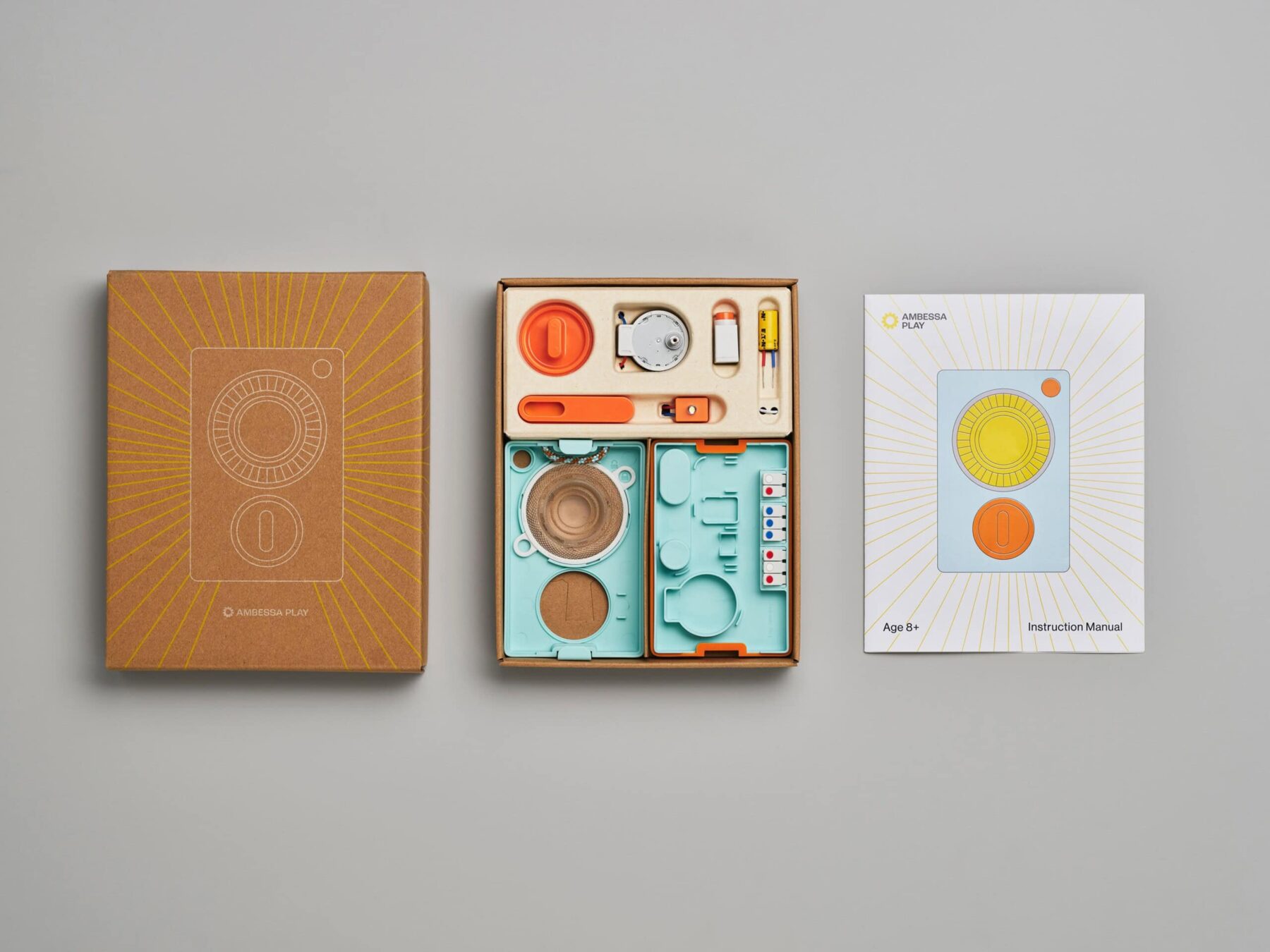
6. Ambessa Play DIY Torch
Ambessa Play’s STEM-learning kit for ages eight and up includes everything needed to make a wind-up torch (£45). Lift the lid on its neatly packaged box and you’ll find 10 circuitry components, which a colourful 16-step manual, co-designed with children, helps guide you through assembling.
The battery-free design uses a dynamo and capacitor to teach children about kinetic energy. One to two minutes of winding gives around 15 minutes of light, while putting it together takes about 30 minutes to an hour. There are two versions: a transparent one, so children can admire the circuitry, and a tasteful light blue and orange model.
For every kit bought, Ambessa Play donates one to a displaced child who lacks access to school and/or electricity, through partners across eight countries. Founder Sara Berkai first came up with the idea for a DIY torch during a volunteer coding workshop in East Africa, before launching it on Kickstarter in 2023.
Main image: Karri
Be part of the solution
At Positive News, we’re not chasing clicks or profits for media moguls – we’re here to serve you and have a positive social impact. We can’t do this unless enough people like you choose to support our journalism.
Give once from just £1, or join 1,800+ others who contribute an average of £3 or more per month. Together, we can build a healthier form of media – one that focuses on solutions, progress and possibilities, and empowers people to create positive change.