While tech-moguls pour billions into trying to live longer, the answer might well be in the simple life
It’s 8am on Rio de Janeiro’s Ipanema beach, and another day in the ‘Marvellous City’ is stirring.
The Atlantic pounds in steady, hypnotic bursts as the early birds gather to strut their stuff before the tourists descend. I can see a few vendors sleepily setting up their stalls and hear the whirr of a helicopter overheard – the first of dozens that will swish above the jungle mountains and Christ the Redeemer throughout the day.
I lay down my towel and smile. At the shoreline, a small group of older swimmers gathers, chatting, stretching, laughing as they time their entry between waves.
They are not moving like people nearing the end of life. In Brazil, they might only just be getting started. Because while we tend to look to the ‘Blue Zones’ of Sardinia or Okinawa for longevity lessons, a more chaotic, unequal, exuberant country is quietly producing people who live to 110 and beyond.
Recent demographic research suggests that Brazil may have one of the highest concentrations of supercentenarians in the world – a striking fact in a nation better known for inequality, patchy healthcare and economic and social volatility.
At the same time, in Silicon Valley, billionaires are spending fortunes trying to outwit ageing. Figures like Bryan Johnson subject themselves to extreme regimes – blood testing, supplements, strict diets, tightly controlled sleep – all in pursuit of a longer life. Brazil’s approach could hardly be more different.
Here, people are reaching extraordinary ages through something less engineered, less controlled – and perhaps more revealing. For more than two decades, Prof Mayana Zatz has been studying this phenomenon. At the University of São Paulo, she and her team have assembled a cohort of nearly 200 centenarians, including more than 20 supercentenarians aged over 110.
“We are still collecting, still trying to understand,” she tells me. “But already we see some very interesting patterns.” One is gender. Around 70% of Brazil’s centenarians are women. Another is physical: many of these women are notably small. “All our centenarian women are very short,” Zatz says, laughing. “Which is not good news for me because I am tall!”
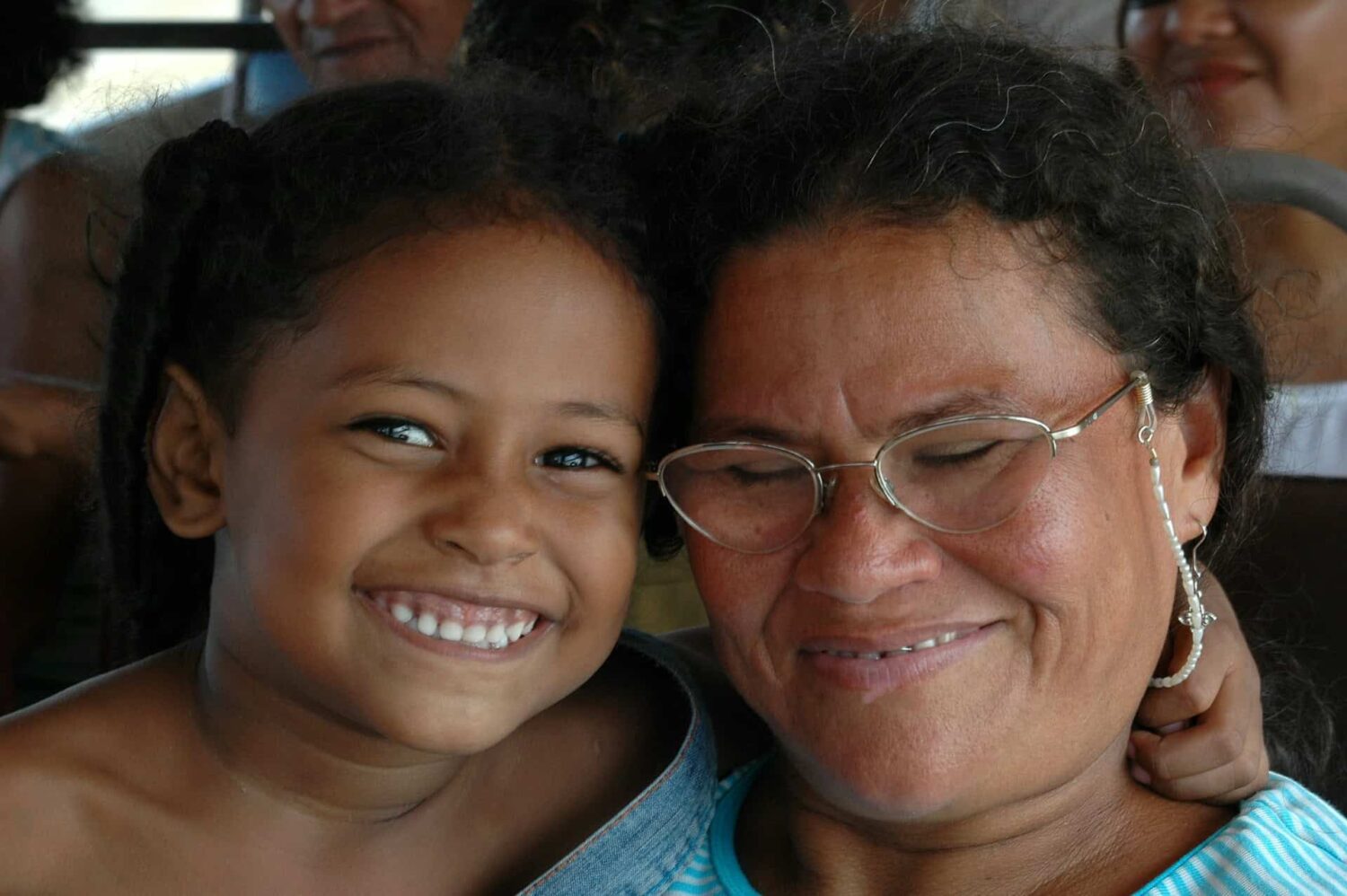
Around 70 percent of Brazilian supercentenarians are women. Image: Roberto Huczek
It’s even worse news for me – a 6ft 1in Scotsman. But I’m here to pick up some tips on how to double my current age and still be walking the earth. There may be a biological explanation. Smaller bodies, Zatz suggests, may require less energy, undergo fewer cell divisions, and experience less cumulative damage over time.
But beyond that, the story widens –and deepens into Brazil’s past. Modern Brazil is, genetically speaking, one of the most mixed populations on Earth. Following Portuguese colonisation in the 1500s, millions of enslaved Africans were forcibly brought to the country. Over the centuries that followed, waves of immigration arrived from southern Europe – particularly Italy, Spain and Germany – as well as one of the largest Japanese diasporas outside Japan.
The result is a vast, layered genetic mosaic: Indigenous, European, African and Asian ancestry often combined within a single individual.
Zatz believes this may be key. “We think that different populations may carry different protective genetic variants,” she explains. “And in Brazil, people are very admixed. So one person may be lucky enough to inherit several of these protective variants together.”
Around 70% of Brazil’s centenarians are women
In other words, Brazil’s history– however painful and complex –may have inadvertently created a population with unusually rich genetic diversity, increasing the chances of assembling combinations of genes linked to resilience, immune strength and cellular repair.
Her team is now mapping these patterns, analysing ancestry alongside longevity, searching for what she calls “protective genes”. But even here, there is no single blueprint.
Brazil’s longest-lived citizens do not follow strict diets. They do not necessarily avoid alcohol. They are not confined to pristine environments. In fact, many come from remote or deprived regions, where access to modern medicine has historically been limited. “We focus a lot on people who live far from healthcare,” Zatz explains. “Because these are the ones who survived without vaccines, without treatment. They were the strongest from the beginning.”
In rural Brazil, families once had 10 or 12 children, she says – but only a few would survive into adulthood. Those who did may already have been biologically resilient. Add to that a childhood largely free from ultra-processed foods, and a lifetime of physical movement – walking long distances, working with the body – and a picture begins to emerge: not just good genes, but a kind of natural selection shaped by environment.
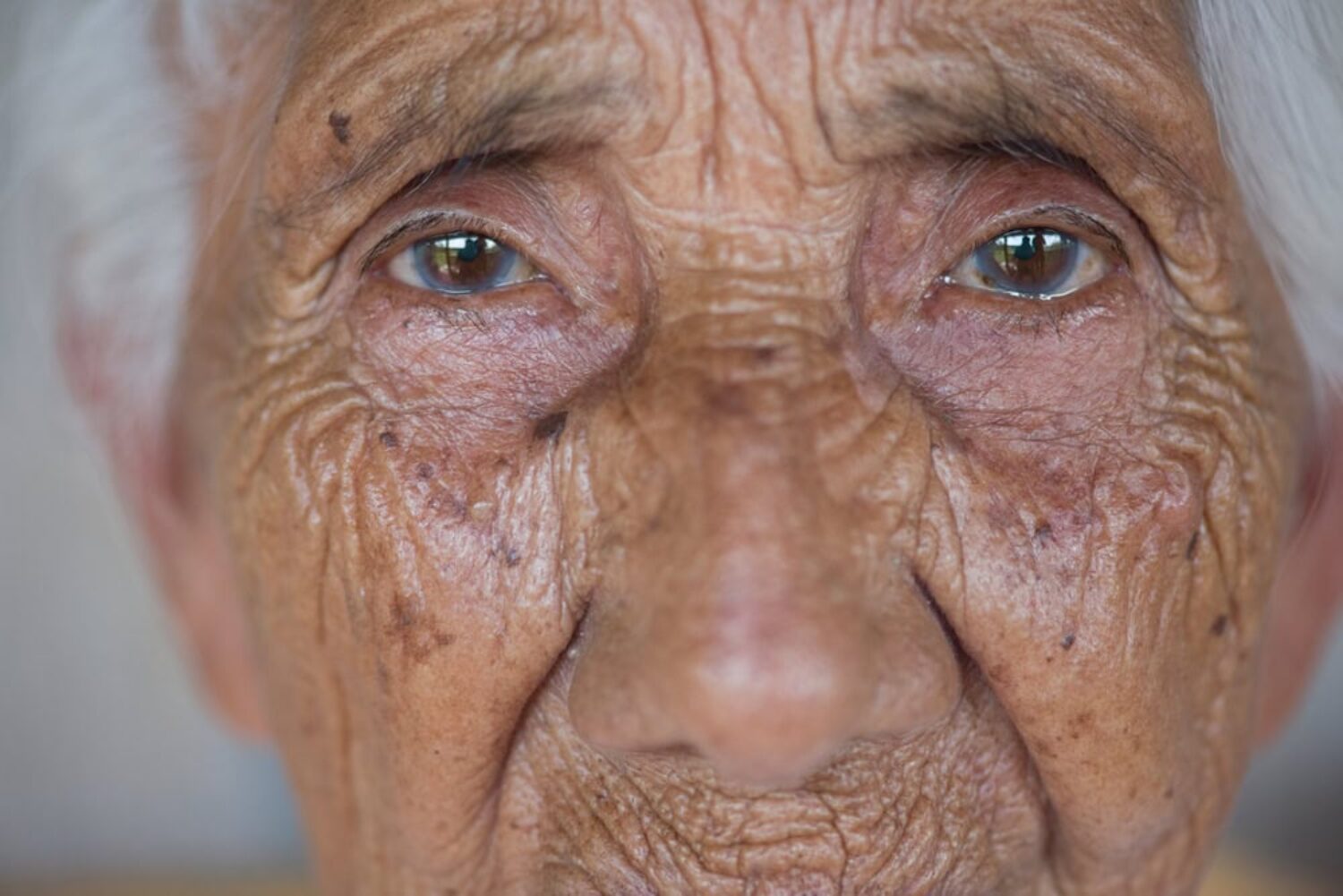
Those with mixed genetics might benefit from this. Image: Renan Martelli da Rosa
And then there are the individuals themselves. Take Milton, who lived to 108. When Zatz and her team visited him in the capital city Brasília, he greeted them with Brazil’s customary cafezinho –small, strong, sweet coffee. But alongside it, something unexpected.
“He offered us whisky,” Zatz recalls.“And he told us he drinks whisky every morning.” That’s certainly one daily habit I can get behind.
Milton was not just long-lived but mentally formidable. Before his death, he would host birthday gatherings, delivering speeches in which he recalled every guest by name, their age, and how they had featured in his life. “His memory was incredible,” Zatz says.
Then there is Laura, now 107, who only began swimming in her 70s – and went on to become a champion at 100. She still trains regularly, and, Zatz notes, enjoys a daily caipirinha (a fiery Brazilian cocktail made with cachaça, sugar, lime and ice) with lunch. Asked to explain her vitality, Laura’s answer was disarmingly simple: “My DNA.” She may have a point. Longevity runs strongly in her family: two sisters are over 100, and an aunt reached 110. Zatz’s team is now studying them closely.
People who live far from healthcare are the ones who survived without vaccines, without treatment. They were the strongest from the beginning
Yet not all cases are familial. Only around 20–30% of centenarians in the study have relatives who also reach extreme ages. And many of their habits defy expectations. Another subject, Sister Inah, who lived to 116 and was once the oldest person in the world, ate “everything” – except bananas. Even at 116, her mind was razor-sharp. During one visit, she carefully asked how to spell Zatz’s name before writing it down herself, her hand steady.
These stories challenge the idea that longevity comes from strict discipline. “Our centenarians eat everything,” Zatz says.Which raises an uncomfortable contrast with the longevity industry now flourishing among the ultra-wealthy. The pursuit of eternal youth in places like California is built on control – measuring, tracking, optimising every biological process. But it is also relentless, expensive and, arguably, stressful.
In Brazil, longevity looks less like optimisation and more like adaptation. That doesn’t mean lifestyle doesn’t matter.“Healthy ageing is not only genetics,” says Prof Cesar de Oliveira of University College London. “It also depends on environment, behaviour and social life.” And here, Brazil offers some powerful clues.
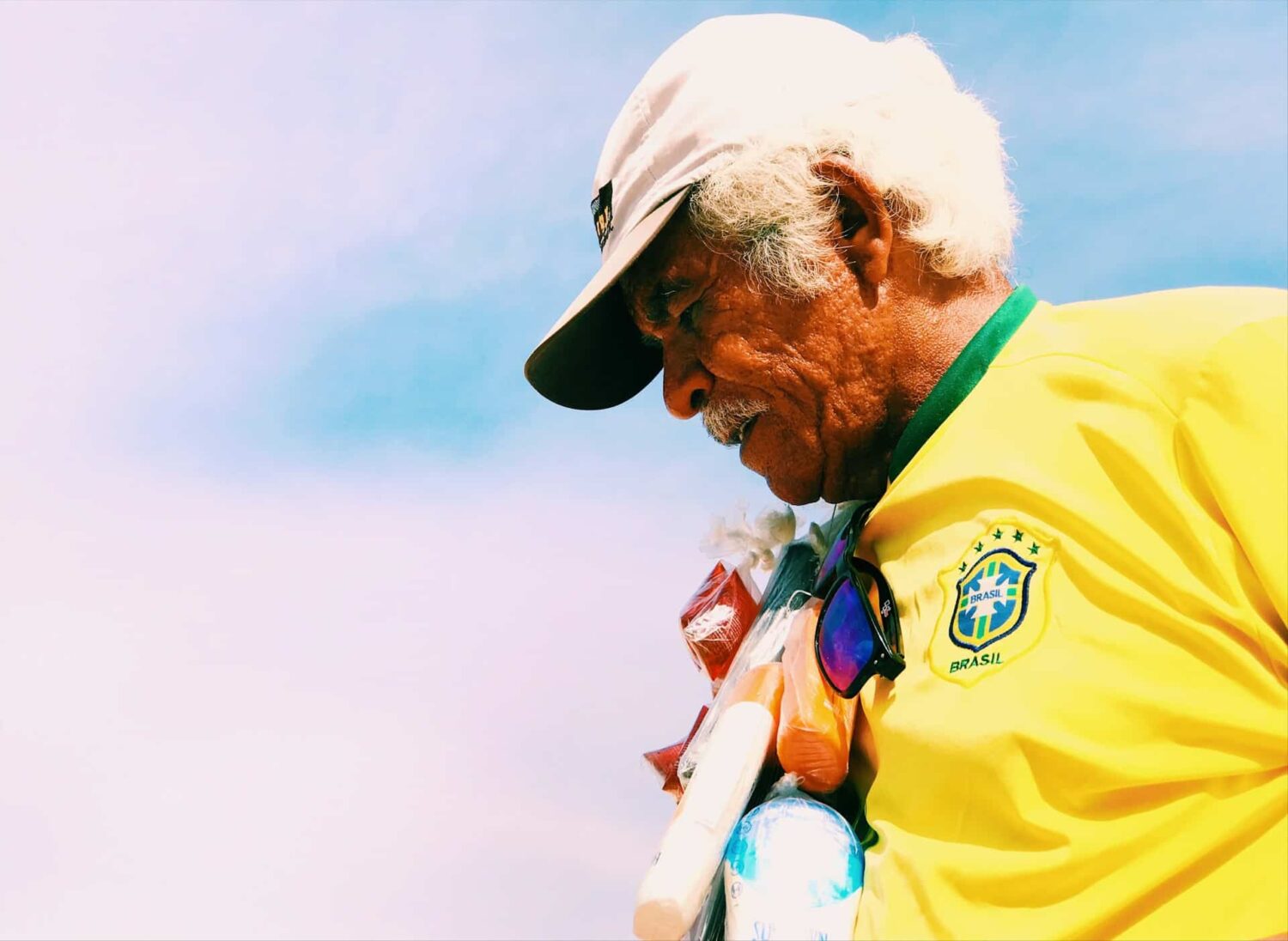
Brazilian supercentenatians move often, and don't limit their diet. Image: Vinicius "amnx" Amano
Movement is constant and informal. Food is simple and largely unprocessed – with rice and beans a staple. Coffee is frequent, social, woven into the day. But perhaps most important is community. Brazil is a country where life happens collectively. Families remain close, often across generations. Even in cities, social interaction is constant – in the street, on the beach, in cafés and homes.
Zatz believes this cultural fabric may play a role. “Brazilians are optimistic,” she says. “Even with all the problems – people make jokes. They laugh.”
Standing again on Ipanema beach, watching the morning swimmers emerge from the surf, laughing, greeting each other like old friends, it’s hard not to feel that this is what endurance looks like. They are not chasing longer lives. They are living them.
And perhaps that’s the real lesson: longevity, in Brazil, isn’t built in a lab. It’s built over generations – in genes, in families, in communities, and in the messy, joyful business of everyday life.
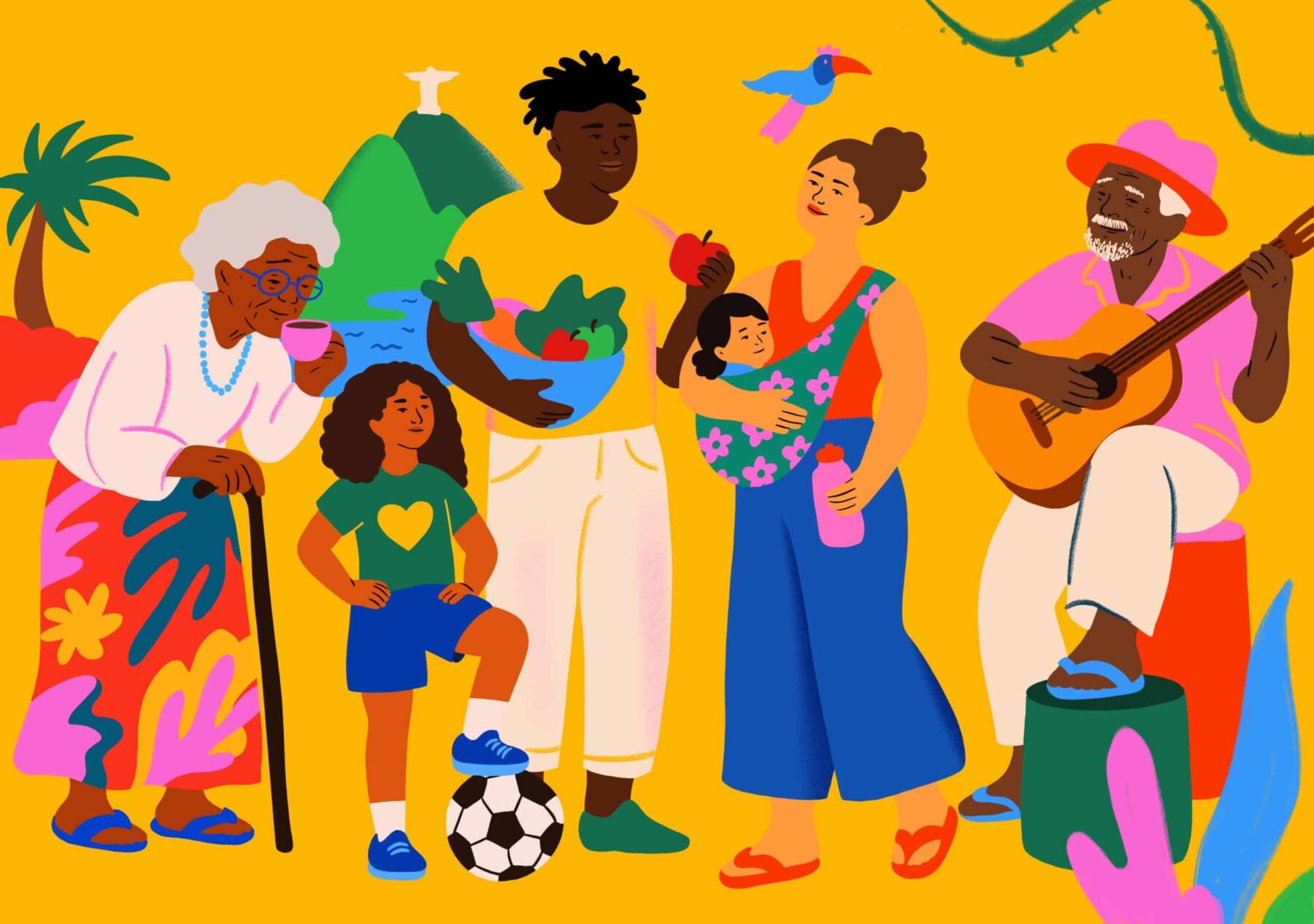
Illustration: Sol Cotti
Be part of the solution
At Positive News, we’re not chasing clicks or profits for media moguls – we’re here to serve you and have a positive social impact. We can’t do this unless enough people like you choose to support our journalism.
Give once from just £1, or join 1,800+ others who contribute an average of £3 or more per month. Together, we can build a healthier form of media – one that focuses on solutions, progress and possibilities, and empowers people to create positive change.