A grassroots campaign calling for the climate crisis to be given the same national attention as the pandemic is going global, with research suggesting it leaves audiences more hopeful and motivated to act
During the Covid-19 pandemic, millions of people tuned in to the UK government’s daily television briefings, desperate to know how the situation was unfolding and what they could do to help. Brothers Nick and Simon Oldridge believe the climate crisis deserves that same level of public attention and urgency, so rather than wait for ministers to act, they decided to stage a national emergency briefing of their own.
Last November, the pair brought together 1,200 people, including MPs, journalists and business and faith leaders, to hear 10 experts explain the risks of climate change and what can be done about them. A year on, their National Emergency Briefing (NEB) campaign has grown into an international movement, with a film about the event screened thousands of times and similar initiatives being planned around the world.
There are signs that the approach is working. Researchers at the University of Bath, England, surveyed more than 13,000 people who watched the film, and found that 89% felt better informed about the climate crisis, 87% more motivated to act and 57% more hopeful about the future.
The campaign comes as global efforts to cut greenhouse gas emissions continue to fall short. Last week, talks at the Cop31 climate conference collapsed just weeks after the United Nations warned that current policies could see global temperatures rise by 2.8C this century. Meanwhile, the UK’s Climate Change Committee warned in June that the government needs to act faster to meet its emissions targets.
The brothers believe that getting the public fully informed is the first step towards building support for the action needed to limit warming to 1.5C, and ultimately encouraging what they describe as a “wartime-scale” response to the crisis.
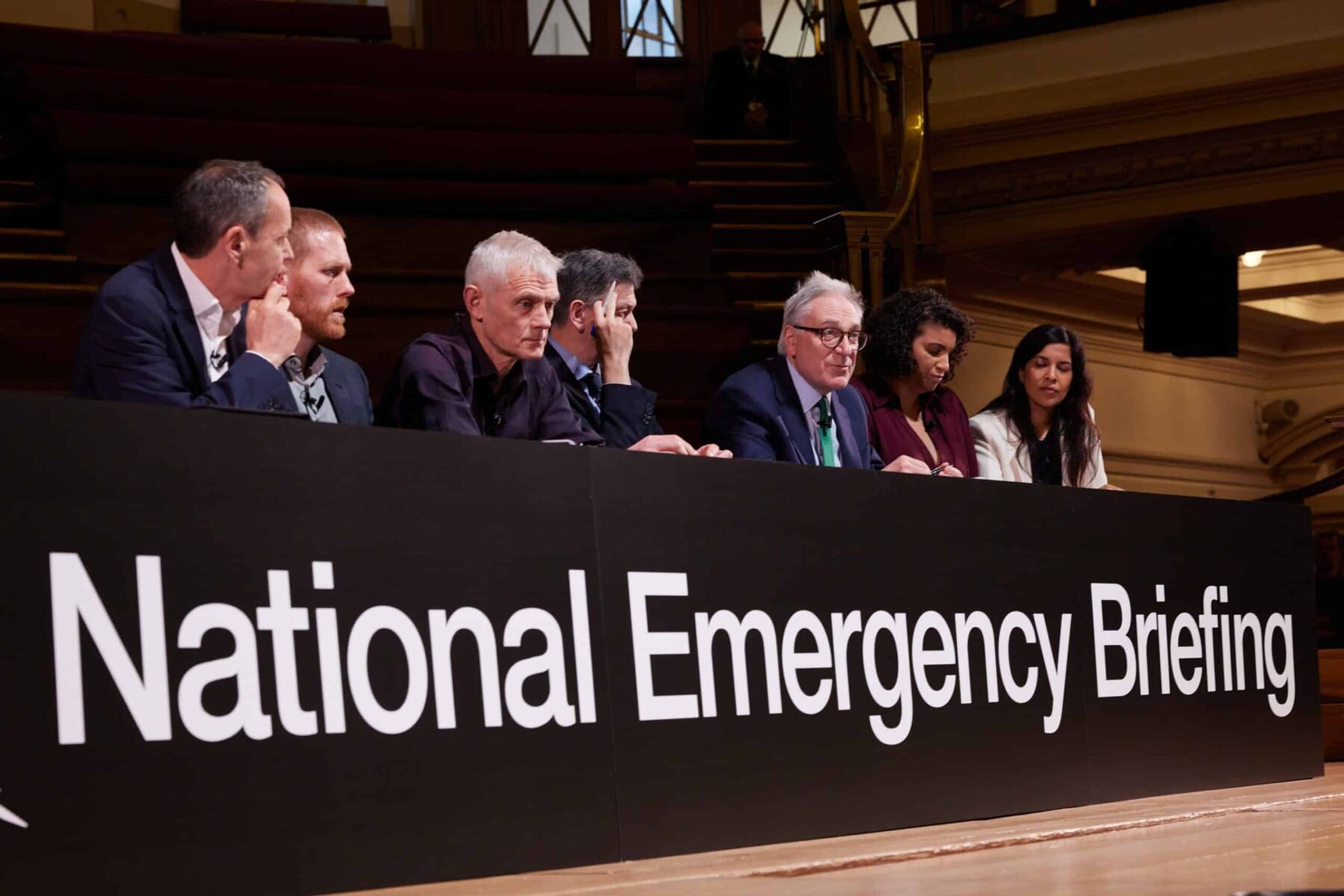
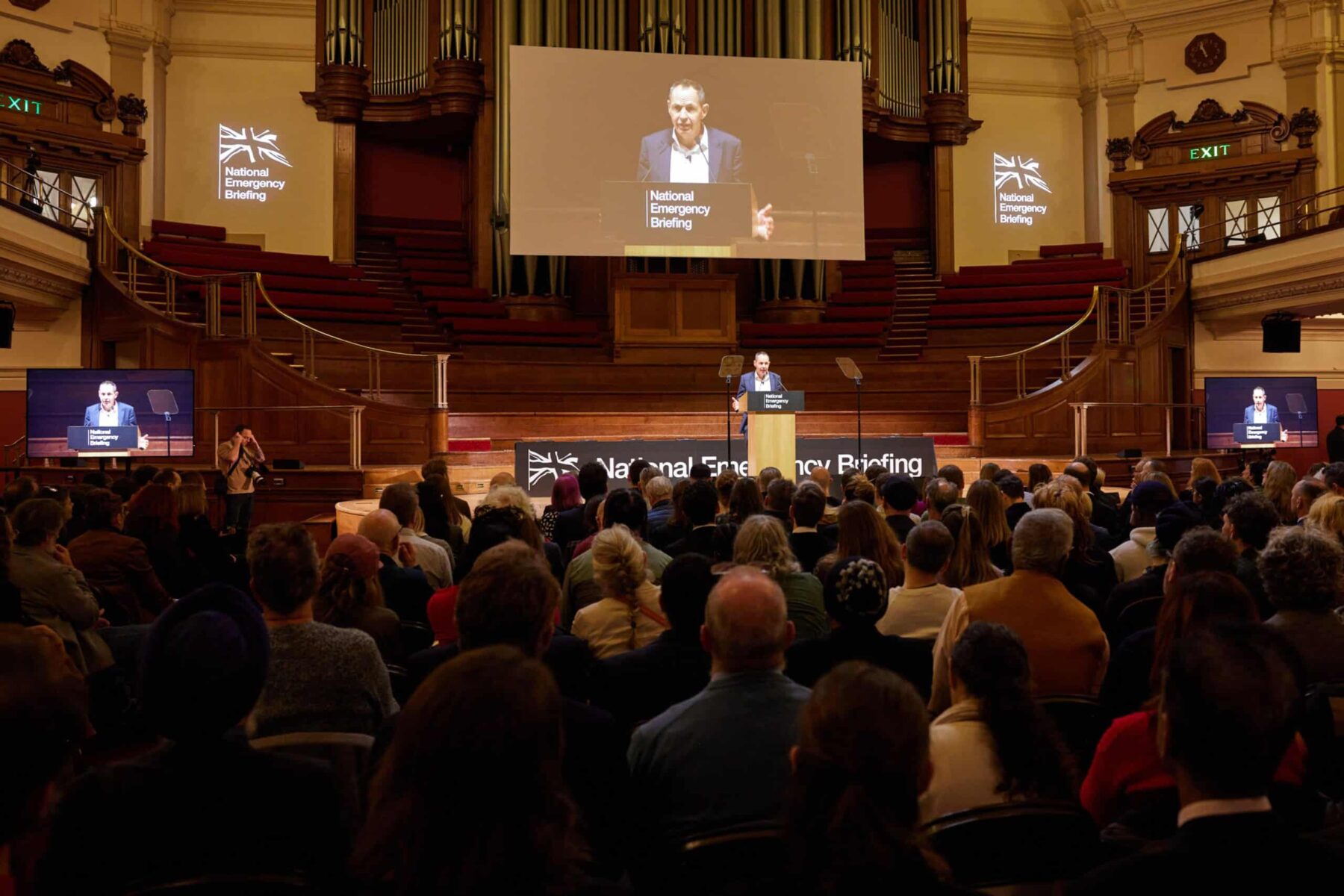
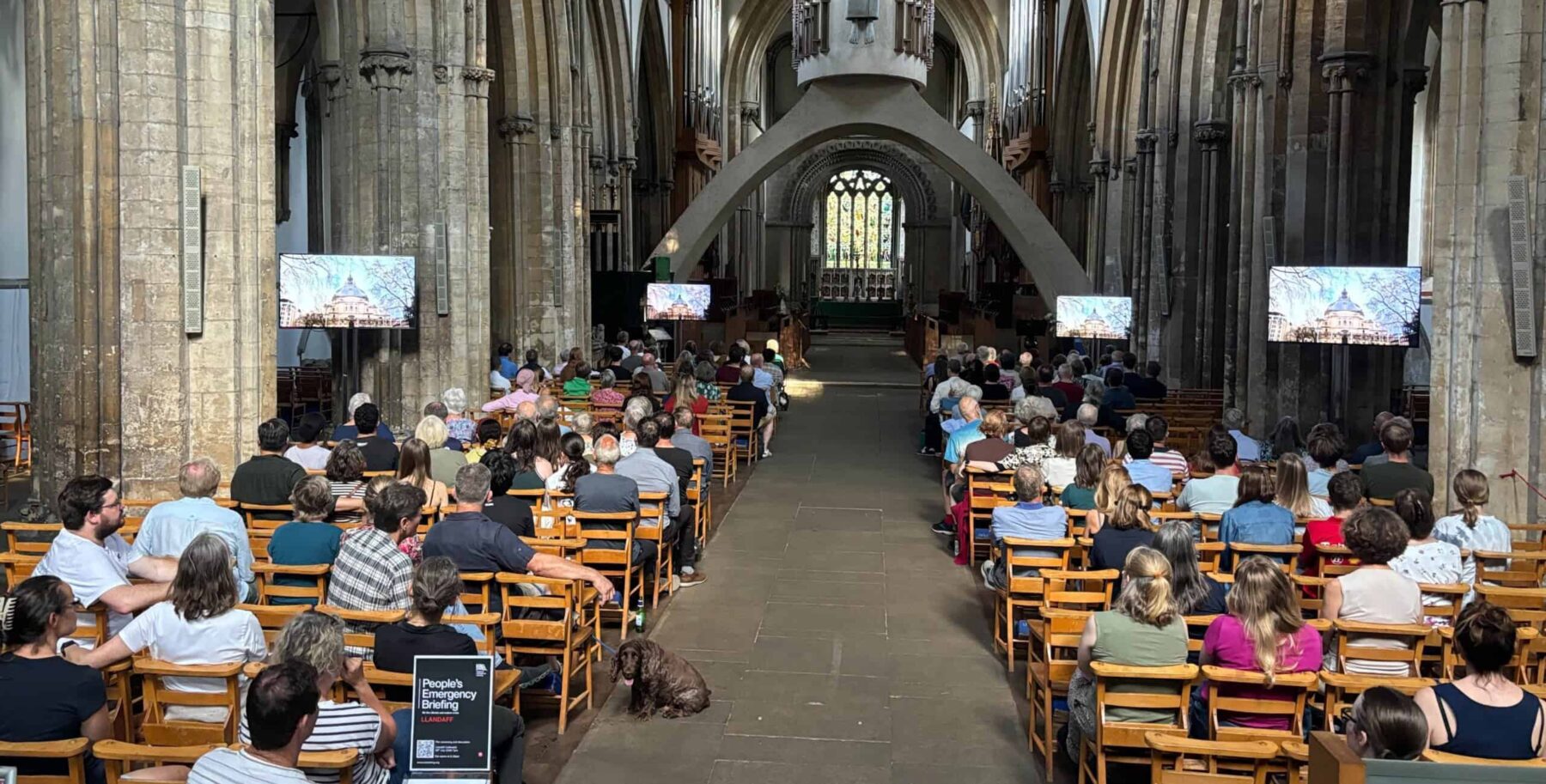
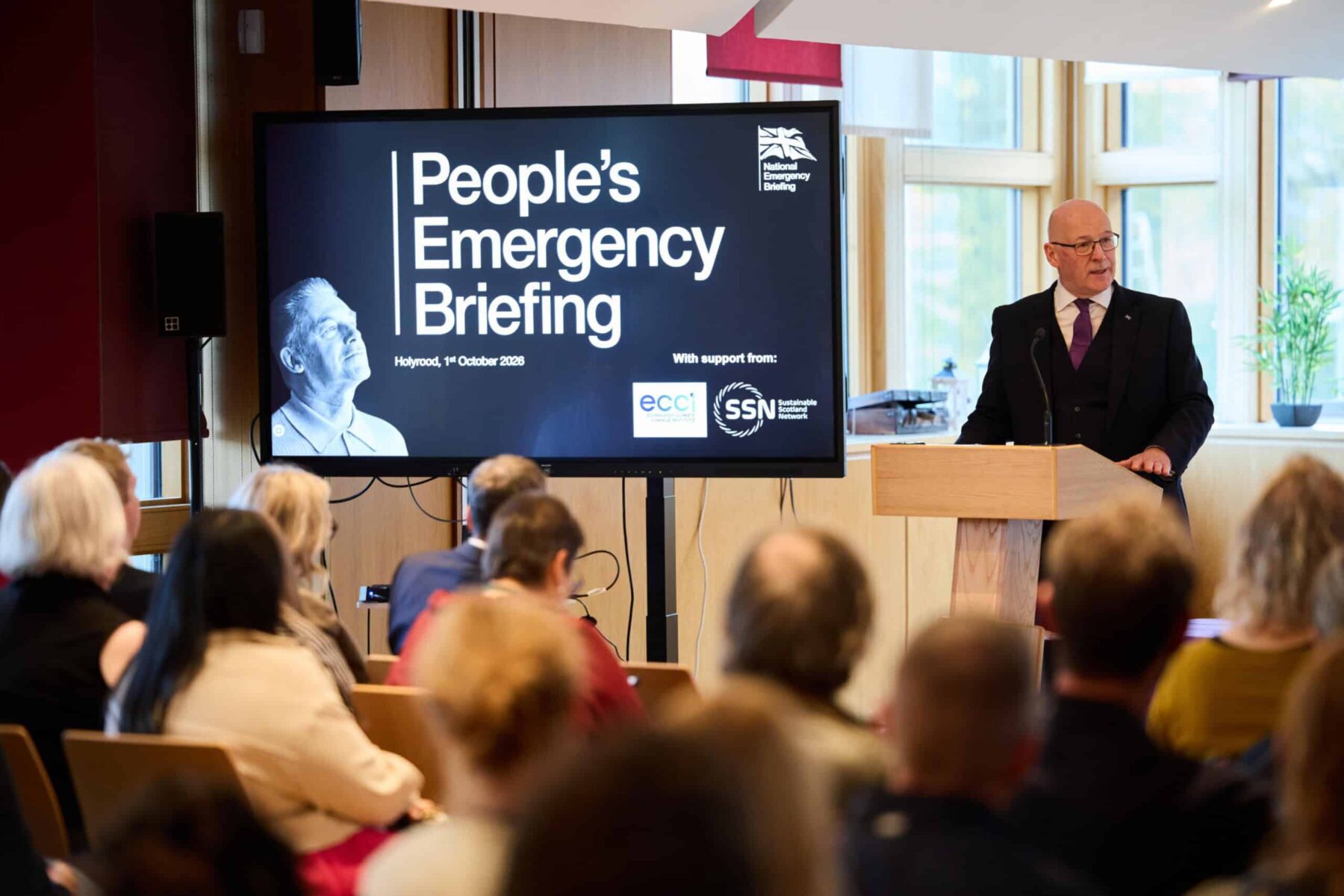
Working with a creative team from climate communications firm Utopia Bureau, they turned their original event into a 50-minute film called the People’s Emergency Briefing, which has since been shown at thousands of community screenings in the UK and overseas. By October, it had reached an estimated 185,000 people.
“We wanted to bring the public up to speed, so they can be as powerful and provide as much pressure as the lobbyists,” said Nick Oldridge.
The film combines images of climate breakdown with condensed versions of the experts’ evidence and more personal interviews recorded off-stage, bringing a human side to the science and showing what is at stake for those presenting it.
“They’ve all got families, they’ve got kids, they’re worried, they’re scared, so that really makes them more relatable, and therefore people are more likely to listen to them,” said Ben Carey, from Utopia Bureau, who helped to make the film.
The filmmakers also included Gogglebox-style clips showing naturalist and TV presenter Chris Packham watching the briefing alongside groups of people, including celebrities. Seeing others respond to the evidence helps audiences recognise that their concerns are shared, said Carey.
That sense of shared experience is central to the campaign. Rather than simply releasing the film online, the organisers want people to gather in workplaces, cinemas and community centres, watch it together and discuss what they can do. They are also encouraged to invite their local MPs to attend.
“It’s a citizen’s mission to spread the word,” said Oldridge. “What they really like is that agency of being able to invite the MP to sit with them and listen to the same information.”
The approach is catching on internationally, with similar initiatives being explored in countries including Germany, Switzerland and the Netherlands. Kees Klomp, a researcher at Windesheim University of Applied Sciences in the Netherlands, was inspired to organise the Dutch Emergency Briefing this November, becoming the first international event to follow the UK’s example.
“Rather than top down telling people what to do, it has to emerge [from the people],” said Klomp. “I think the UK shows that it can.”
Rather than campaigning for particular climate policies, the NEB team wants to ensure that people understand the scale of the challenge and the solutions available. There are already organisations working on policy, said Oldridge, but he believes the urgency of the climate crisis is too often lost in government communications.
Last year, the UK government introduced an annual statement on the state of climate and nature, followed by a parliamentary debate. However, the NEB campaign argues that this lacks the public reach and depth of information needed to engage people across the country.
The campaign has already secured the backing of more than 100 MPs through an early day motion calling for a televised briefing. During a Westminster Hall debate this month, MPs also expressed broad support for the idea, although some questioned whether such a briefing might increase public anxiety rather than encourage action.
We wanted to bring the public up to speed, so they can be as powerful and provide as much pressure as the lobbyists
The organisers say they have worked closely with the experts to strike a balance between communicating the seriousness of the situation and showing what can be done about it.
“If you exclusively lean into the positive, you lose the urgency,” he said. “We wanted to put all the difficult stuff on the table, and that’s hard.”
The University of Bath research found that even among those who came away feeling less hopeful, 80% reported feeling more motivated to act, suggesting that confronting difficult information doesn’t necessarily lead to despair or inaction.
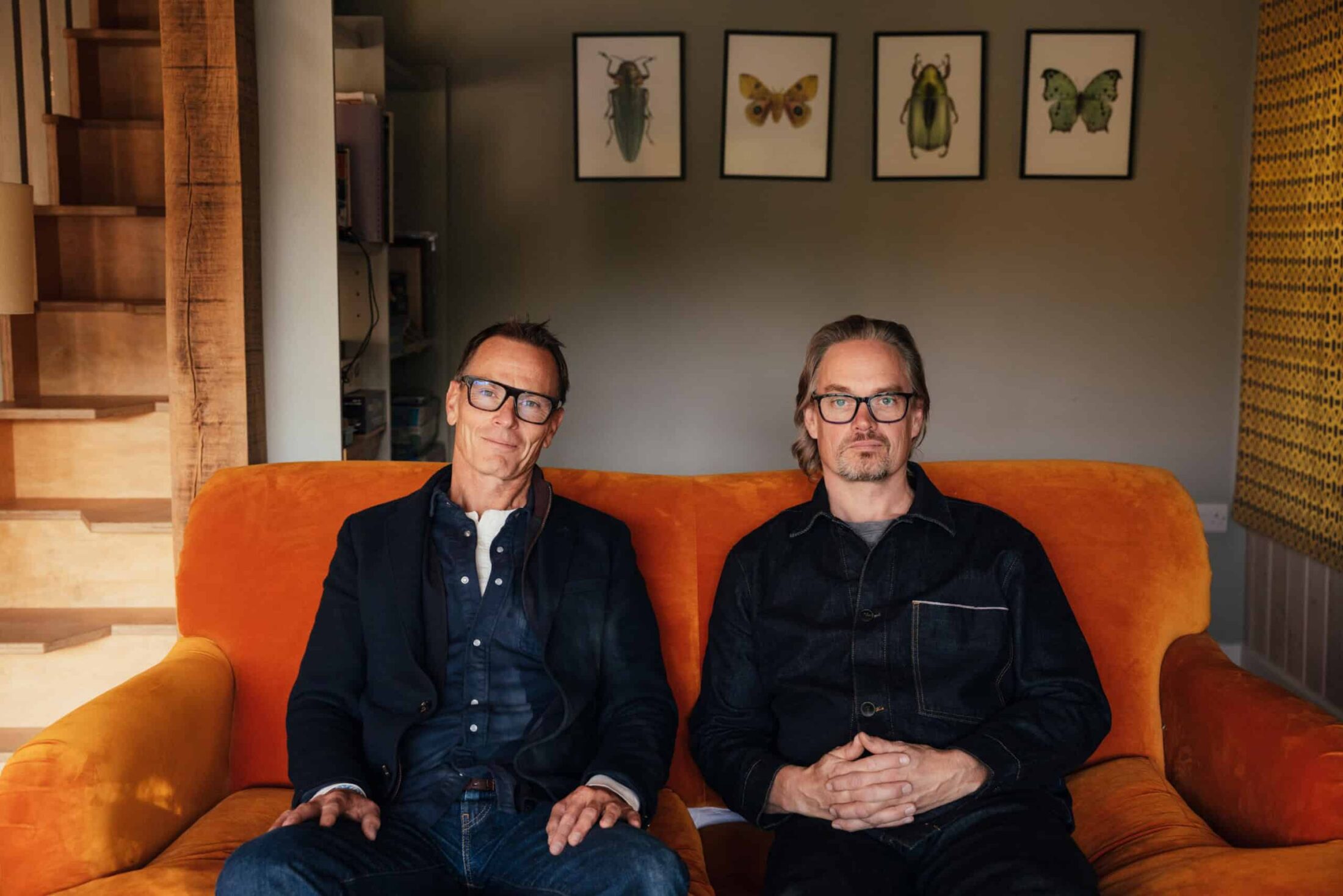
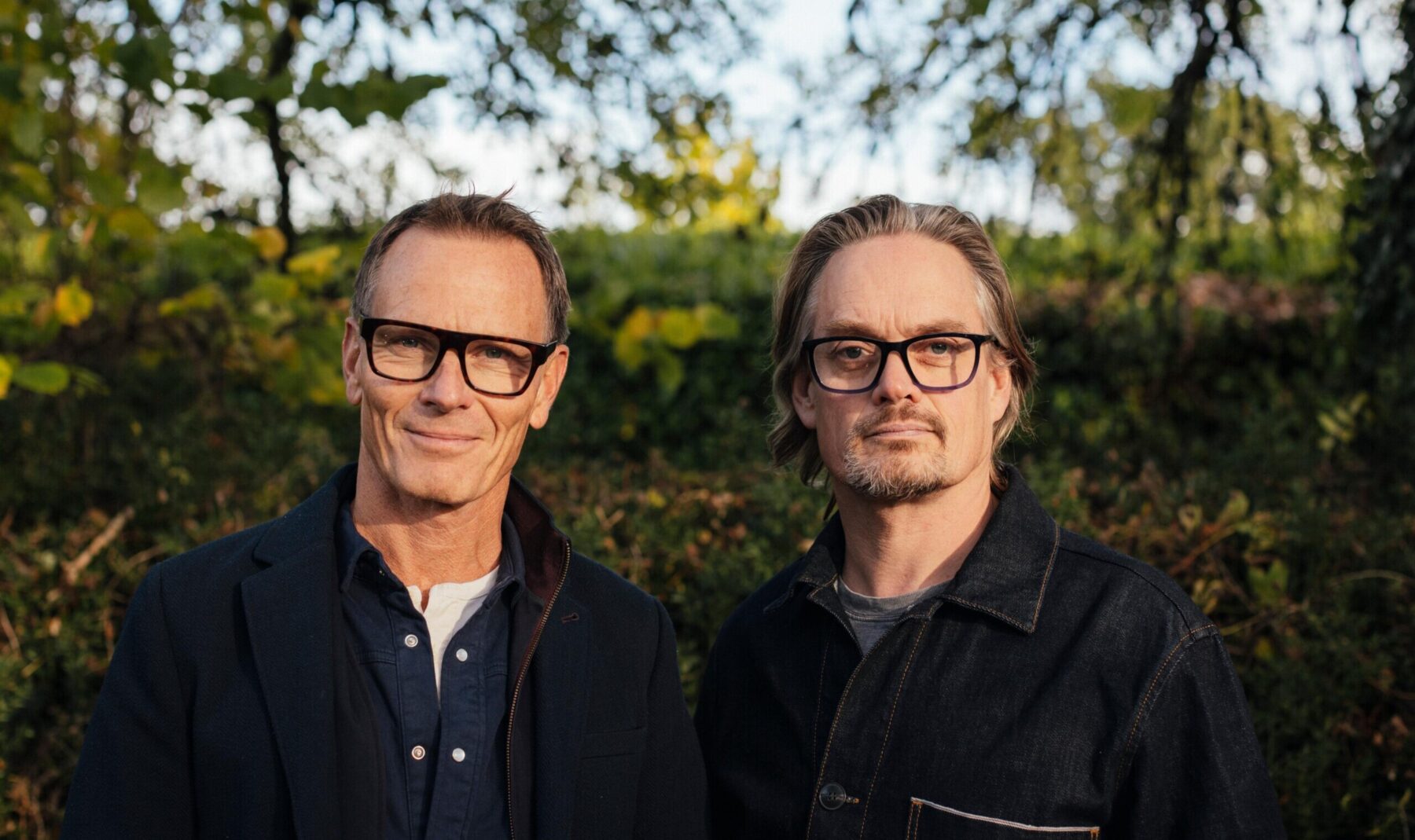
Nick and Simon Oldridge at home in Totnes, Devon
There are also signs that the screenings could turn concern into political engagement. Those who spent longer at events were more likely to say they intended to contact politicians or get involved in local activities, while constituencies hosting more screenings recorded higher petition signature rates and were more likely to have MPs supporting the campaign. Although the research cannot prove that the screenings directly caused these changes, the findings suggest that bringing people together to hear the evidence could help turn concern into collective action.
For the Oldridge brothers, securing a government-led briefing would be an important milestone, but not the end of the campaign. Several MPs made the same point during this month’s debate, arguing that a televised briefing should be the beginning of a sustained national conversation about climate change and how to respond.
“We will have a role in maintaining that pressure,” Oldridge said.
Images: Circe Hamilton, Andrew Perry, Emma Stoner
Because the world needs it
Positive News reports on the people and ideas driving progress. We believe that giving attention to solutions helps them spread.
Our journalism is independent and powered by our readers. There are no media moguls or shareholders extracting profits: your contribution funds our work to investigate what’s working, understand why, and bring those stories to a wider audience.
If you value a fuller picture of what’s happening in the world, please become a Positive News supporter today.