A lost giant returned to Galapagos, Wales passed a ‘life-changing’ homelessness bill, and a Chinese river came back from the brink, plus more good news
This week’s good news roundup
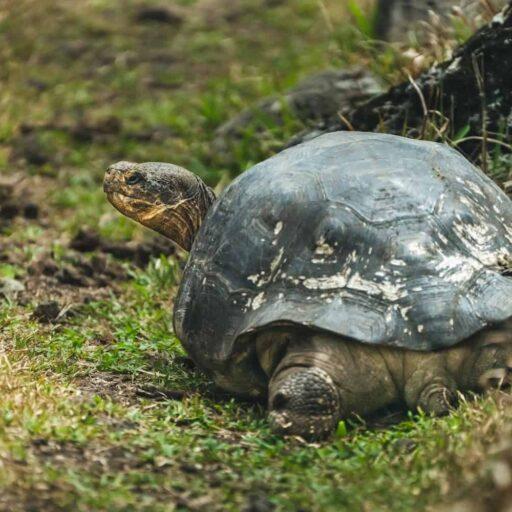
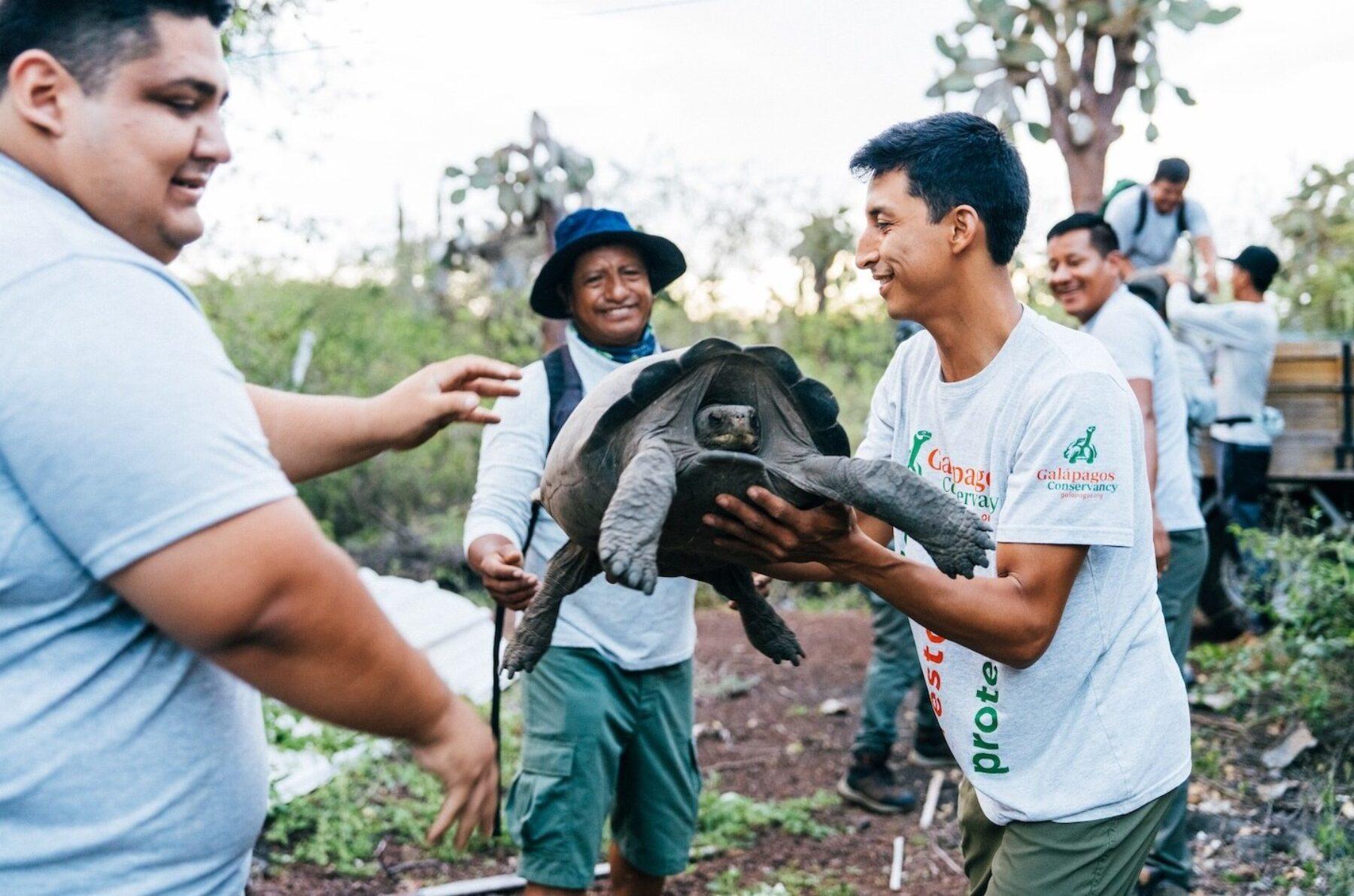
For the first time in almost 200 years, giant tortoises are roaming the Galapagos island of Floreana again, thanks to one of the most ambitious ecosystem recovery initiatives undertaken on the archipelago.
Intensive exploitation by whalers and other seafarers, as well as the introduction of invasive species, wiped out the Floreana giant tortoise in the mid-1800s. For more than a century, the lineage was presumed lost forever.
That was until 2000, when ecologists identified a hybrid tortoise with Floreana ancestry on neighbouring Isabela island. The discovery prompted a long-term selective breeding programme to maximise Floreana ancestry in the offspring.
This week, that programme reached a milestone as 158 giant tortoises were reintroduced to Floreana, which has been cleared of invasive goats and rats. The tortoise’s reintroduction will be mutually beneficial for the species and the island.
“Giant tortoises are a critical part of this [ecosystem],” said Rakan Zahawi, executive director of the Charles Darwin Foundation, which supported the release. “By dispersing seeds, shaping vegetation, creating microhabitats … and influencing how landscapes regenerate, they help rebuild ecological processes that many other species depend on.”
Image: Galapagos Conservancy
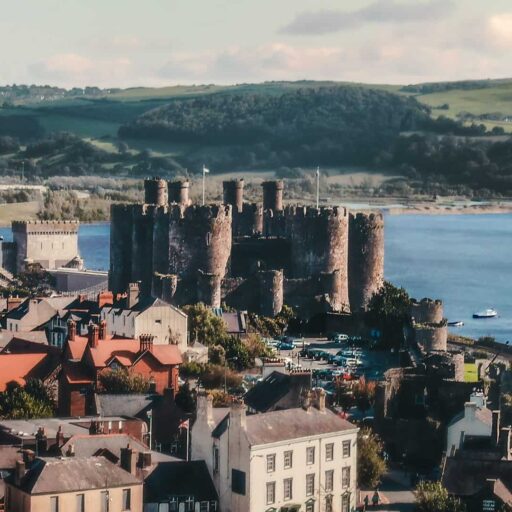
Homelessness charities have hailed a potentially “life-changing” new bill that will provide support sooner to those at risk of losing their homes.
The Homelessness and Social Housing Allocation Bill is set to become law after clearing the Welsh Parliament last week. It will provide early intervention for people at risk of homelessness, while obliging public bodies to deepen cooperation to prevent people from losing their homes.
The law comes at a critical time with Wales experiencing exceptionally high levels of homelessness. Last year, councils across the country recorded nearly 13,300 households as homeless.
“This is truly a landmark day in Wales,” said Matt Downie, chief executive of the homelessness charity Crisis. “The new bill has the potential to be life-changing for the thousands of people across Wales that are facing the trauma that comes from living without a stable place to call home.”
Image: K. Mitch Hodge
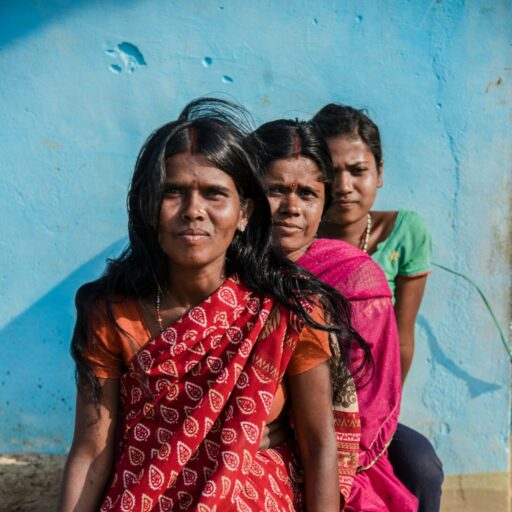
Schools in India will be obliged to provide free period products to girls after the country’s supreme court ruled that menstrual hygiene is a fundamental right.
The landmark decision came after a pilot study showed that providing free sanitary pads at schools boosted attendance among adolescent girls. Research shows that poor access to menstrual products is a barrier for girls getting an education in India, particularly those from poorer backgrounds.
“We wish to communicate to every girl child, who might have become a victim of absenteeism because her body was perceived as a burden, that the fault is not hers,” the court said, while handing down its verdict.
Schools have three months to comply.
Image: Srimathi Jayaprakash
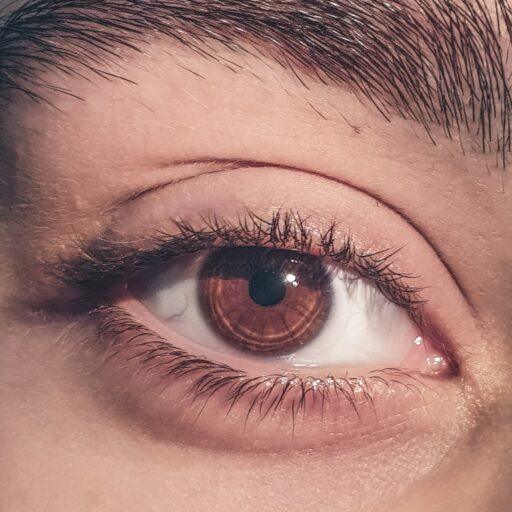
In a big health win, Libya has become the latest nation to defeat trachoma, the world’s leading cause of infectious blindness.
Describing the milestone as a “landmark victory for public health”, the World Health Organization (WHO) said it was all the more remarkable given the instability in Libya.
“Libya’s achievement is particularly notable given years of political instability and humanitarian challenges that strained health services, displaced populations and increased demand for basic services,” said the WHO.
However, Libya’s health workers persisted in their campaign against the disease, which is spread via contaminated fingers or flies that have come into contact with the eyes of an infected person. Improvements to sanitation, disease surveillance and eye treatment have all helped turn the tide.
Libya is the 28th country validated by the WHO as having eliminated trachoma.
Image: Takwa Abdo
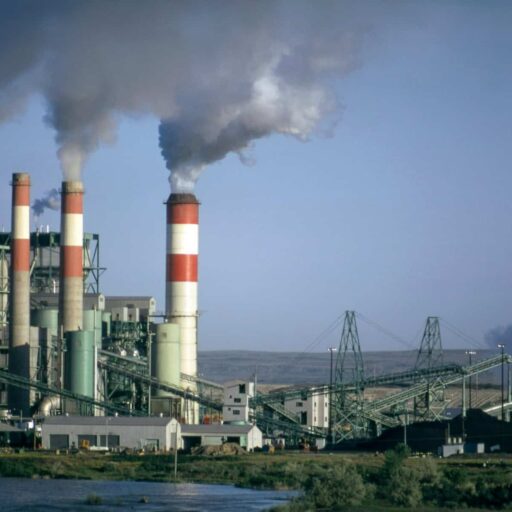
During Donald Trump’s presidency, the US experienced the largest drop in coal-fired power capacity of any presidential term, according to Carbon Brief analysis.
While Trump’s aggressive moves to roll back climate policy have been presented by his administration as an opportunity to revive “clean, beautiful, American coal”, his record in office shows that the opposite is happening.
According to Carbon Brief, the US’s ageing coal plants have been rendered uneconomic by cheaper gas and renewables.
“Trump cannot stop the decline of coal power in the US,” Carbon Brief’s Simon Evans told Positive News. “Most [US coal] plants are really old and more expensive than gas or renewables, so the most he will manage is to delay the inevitable.”
Carbon Brief’s analysis follows research showing that renewables overtook coal as the world’s leading source of electricity for the first time last year, representing a “historic shift” in the global energy transition.
Image: Documerica
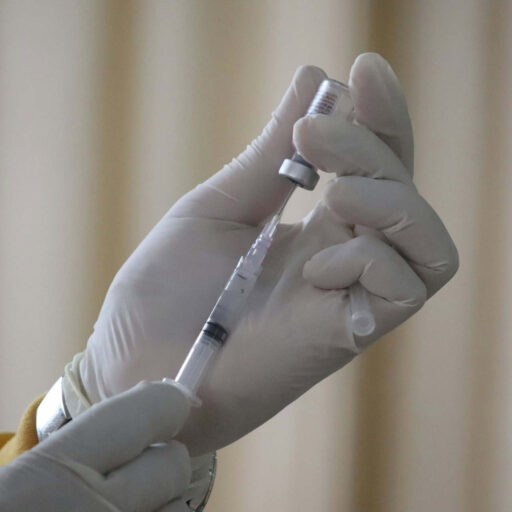
Next generation influenza vaccines that provide broader and longer-lasting protection than existing seasonal vaccines, could save millions of lives by 2050, according to the latest assessment by the World Health Organization (WHO).
Each year, there are around 1bn cases of seasonal influenza globally, with up to 5m cases leading to severe illness, and up to 650,000 cases leading to death.
While current vaccines help reduce the burden of disease, their effectiveness can vary by season and protection is limited to just one season. Not for much longer, perhaps. The WHO said there are 46 next-generation influenza vaccines currently in clinical development.
If those vaccines can be widely rolled-out between 2025 and 2050, the WHO estimates that they could prevent up to 18bn cases of influenza and save up to 6.2m lives globally, particularly those at higher risk, such as young children, pregnant women and the elderly.
“These vaccines should provide broader and longer-lasting protection beyond a single flu season, offer better protection against severe disease, and be suitable for use in low- and middle-income countries,” said the WHO.
Image: Mufid Majnun
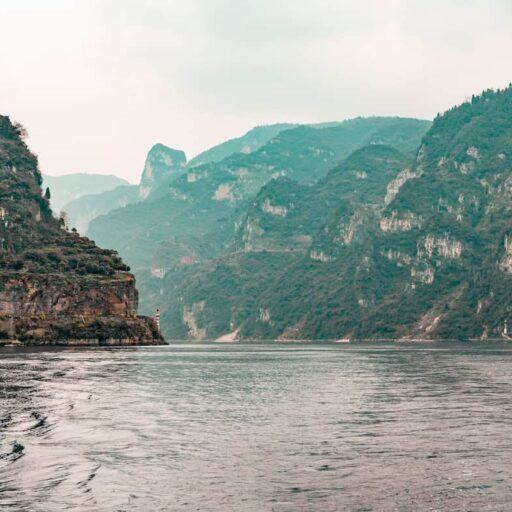
Following years of troubling declines, fish stocks in China’s Yangtze River are showing signs of a remarkable recovery after the government introduced a 10-year ban on commercial fishing.
According to a new international study, fish biomass has more than doubled in the waterway since the ban, while the richness of species has increased by 13%.
Published in the journal Science, the study reported “promising signs of initial recovery in biomass, diversity, body condition, and even threatened species”.
The Yangtze – the world’s third largest river – once teemed with life. However, China’s rapid industrialisation and booming population led to chronic overfishing and plummeting biodiversity. In response, the government introduced a fishing ban in 2021 and found alternative employment for out-of-work fishermen. It’s a policy that looks to have been effective as far as biodiversity is concerned.
However, despite the good news, those behind the study stressed that other threats, including pollution and habitat fragmentation, remain. The river’s recovery, they added, “would not withstand a return to fishing”.
Image: Dong Zhang

In a major boost for its renewable energy ambitions, the UK switched on its first geothermal power plant in Cornwall on Thursday.
Two decades in development, the United Downs plant will produce enough low-carbon electricity to power around 10,000 homes, while providing the UK’s first domestic supply of lithium – a mineral critical for the electrotech revolution.
The plant near Truro works by sending water down a three-mile well where it is heated by the Earth. The water then returns to the surface as steam, which drives turbines to produce electricity.
“Geothermal, potentially, has a really important role to play in providing ‘baseload’ electricity to complement other forms of renewable generation,” Matthew Clayton, managing director of Thrive Renewables, which helped fund the project, told Positive News. “It doesn’t matter if it’s sunny, it doesn’t matter if it’s windy. It’s just there.”
As Positive News previously reported, technological advances are expanding where geothermal electricity can be produced across Europe, opening up clean power resources that were long considered out of reach.
Still, drilling costs remain high. United Downs cost £50m to get going, a price that could be a barrier to building similar sites elsewhere.
Image: Gareth Allen, Soundview Media
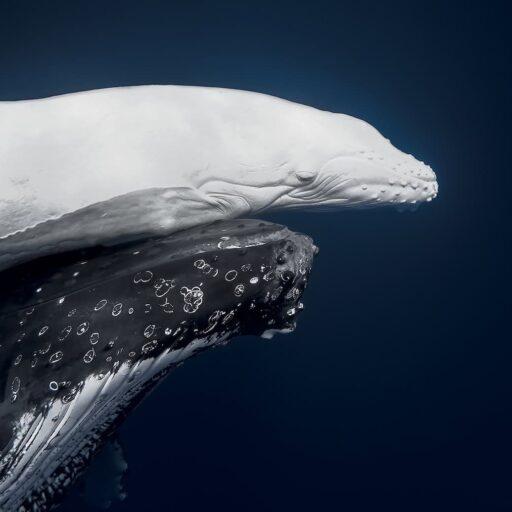
An extraordinary underwater photograph capturing a rare white humpback whale and its mother (pictured) has won the World Nature Photography Awards.
The shot was taken by Australian photographer Jono Allen, who captured the scene off the coast of Tonga. “It was undoubtedly one of the most extraordinary days I have ever experienced in the ocean – and perhaps ever will,” he said.
The 2026 competition attracted thousands of entries from photographers across 51 countries. Adrian Dinsdale, the award’s co-founder, said that the images submitted offered “a powerful reminder of both the wonder of our planet and the importance of protecting it.
See the other winning images here.
Image: Jono Allen/World Nature Photography Awards

New visions for urban living are taking shape around the world, driven by an urgent need to make our cities more liveable, sustainable and resilient.
This week, Positive News examined what the urban realms of tomorrow might look like; from a planned ‘forest city’ in the UK (pictured) to the Dutch port that’s already adapting to a changing world.
Read the full story here.
Image: Forest City 1
Main image: Galapagos Conservancy
Get your weekly fix of good news delivered to your inbox every Saturday, by signing up to the Positive News email newsletter
Be part of the solution
At Positive News, we’re not chasing clicks or profits for media moguls – we’re here to serve you and have a positive social impact. We can’t do this unless enough people like you choose to support our journalism.
Give once from just £1, or join 1,800+ others who contribute an average of £3 or more per month. Together, we can build a healthier form of media – one that focuses on solutions, progress and possibilities, and empowers people to create positive change.