A ‘pivotal moment’ for cancer treatment, resurgent whales, and the city that made public transport free, plus more good news
This week’s good news roundup
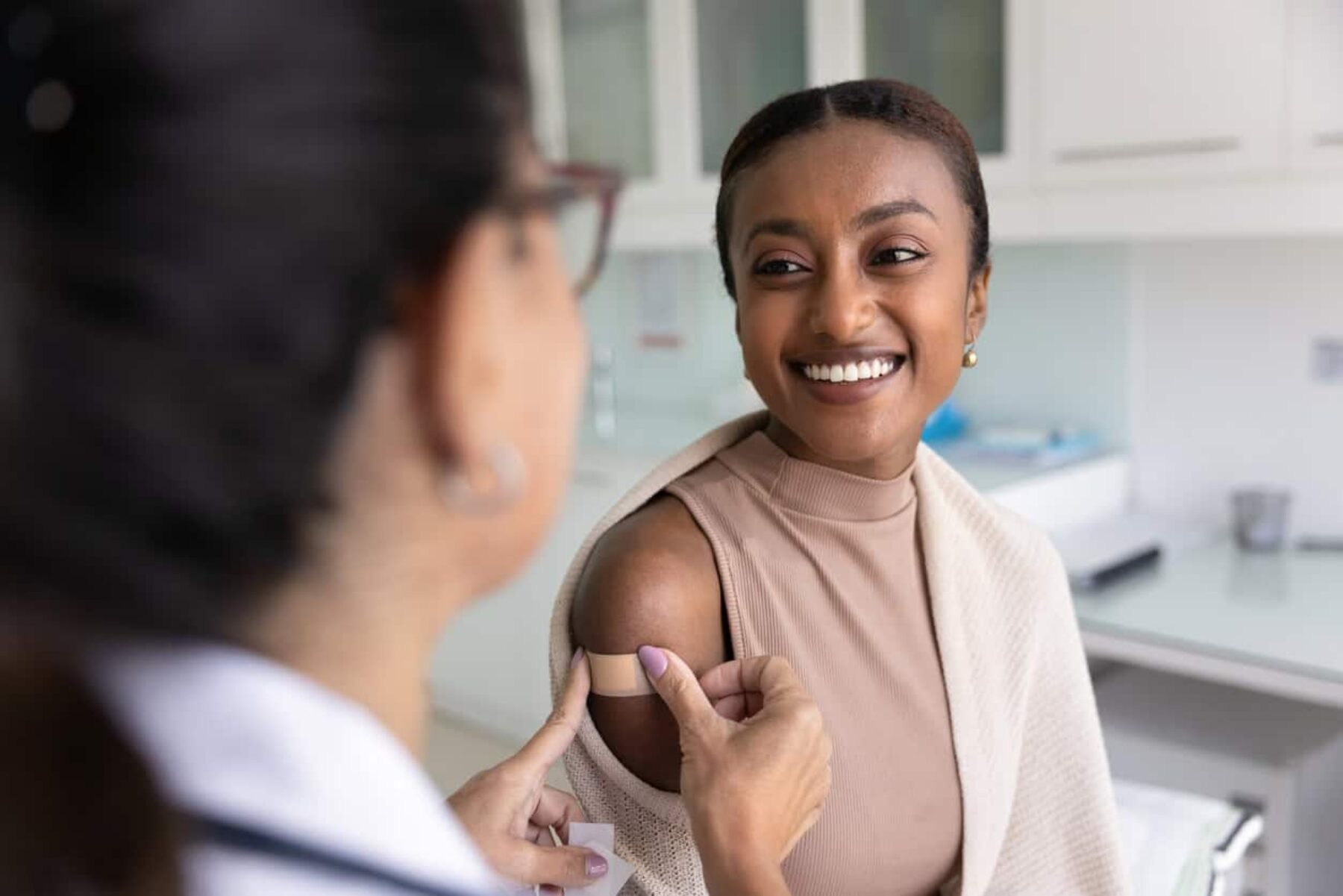
In what could be a major turning point for cancer treatment, a personalised vaccine has been credited with stopping skin cancer from returning in patients during a trial.
The vaccine was given to people with high-risk melanoma after surgery, and in conjunction with an immunotherapy drug already used in cancer treatment.
The experimental jab was developed by Merck & Co and Moderna, which on Wednesday announced the preliminary results of their phase three trial involving 1,000 participants. The firms claimed that the jab extended the time that patients were cancer free, without revealing how long for.
Personalised cancer vaccines are seen by many as the holy grail of cancer treatment. Scientists behind the new jab sequenced the DNA of patients’ tumours then used mRNA technology to target the cancer cells. Moderna CEO Stéphane Bancel described the findings as “a pivotal moment” for cancer research. While the full results are yet to be released or peer-reviewed, many experts cautiously welcomed them.
Dr Lennard Lee, associate professor at the University of Oxford, England, said the findings were a “landmark moment for cancer vaccines”. Prof Peter Johnson, national clinical director for cancer at NHS England, told the BBC: “It feels like it’s a very important advance.”
Image: Christophe Meyer
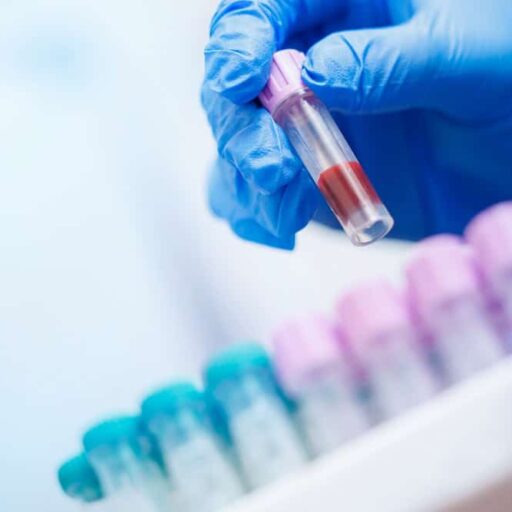
New figures suggest that England is on course to become one of the first nations to eliminate hepatitis C.
The global target of treating 80% of all known hepatitis C cases by 2030 – set by the World Health Organization – has already been met in England, the National Health Service (NHS) said this week.
Its data shows that 100,000 people received potentially lifesaving treatment for the disease in the last decade. Rachel Halford, CEO of The Hepatitis C Trust, said that England was “on the cusp of one of the most significant public health achievements in its history”.
Hepatitis C is a virus that can cause life-threatening liver damage. Spread through contact with infected blood, often via shared needles, it typically has no noticeable symptoms until the liver has been significantly degraded.
“Hepatitis C disproportionately affects some of the most marginalised and underserved communities in England – people who have too often faced stigma, exclusion and barriers to healthcare,” said Halford. “[England’s treatment] programme has been instrumental in overcoming those barriers.”
Wales, Scotland and Northern Ireland are also on course to eliminate the disease by 2030, the trust said.
Image: Parilov
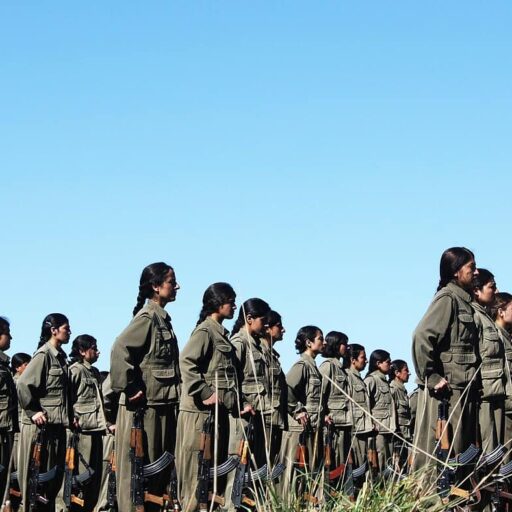
Turkish lawmakers have approved conditional amnesties for members of a Kurdish separatist group in a bid to end one of the world’s longest armed struggles.
The legislation builds on a ceasefire announced last May when the Kurdistan Workers’ Party (PKK) pledged to lay down its weapons, ending an insurgency with Turkey that has claimed some 40,000 lives – mostly Kurdish – across Turkey, Iraq and Syria.
The new law calls for the full disarmament of the PKK guerrilla group in return for suspended sentences for some of its ex-militants. The bill passed with the support of more than 80% of lawmakers, despite vociferous opposition from some politicians.
The PKK, which is considered a terrorist organisation by the UK, EU and US, launched its insurgency in 1984 aiming to create a homeland for Kurds, who make up around a fifth of the Turkish population. However, its separatist ambitions have since been scaled back, with a greater focus on improved rights for Kurdish people.
Image: Kurdishstruggle

Battery storage is turning solar power from a daytime-only resource into all-hours electricity, experts said this week, as they declared that the “era of anytime solar has begun”.
A new report from the energy thinktank Ember suggests that battery storage is now scaling fast enough to break the nighttime dominance of fossil fuels, which pick up the slack when the sun stops shining.
According to Ember, 2026 has seen a 50% increase in battery additions globally – enough to shift an average of 34% of new solar generation to non-sunny hours. In Bulgaria and Chile, which are leading the way, the figures are 77% and 76% respectively.
“Cheap daytime solar has become the most powerful transformative force reshaping power grids globally, growing faster than any other source of electricity,” said Kostantsa Rangelova, Ember’s global electricity analyst.
“Now batteries have become cheap and good enough to unlock the next stage of solar growth with anytime solar. Delivering solar in non-sunny hours changes everything: solar’s role in global power systems can be far bigger than previously thought possible.”
Image: Somchai_Stock
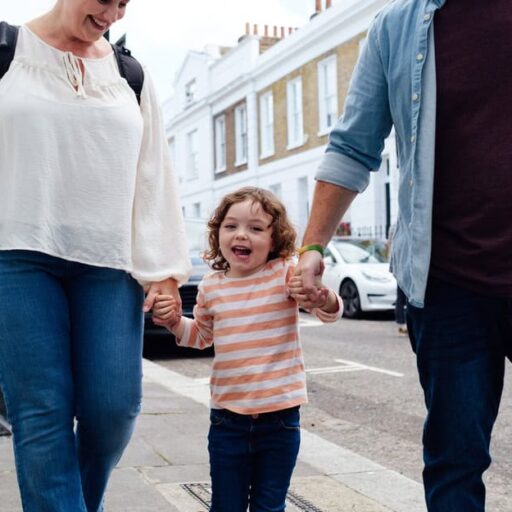
Children in London whose lungs were damaged by air pollution have seen a significant improvement in lung function since the city’s ultra-low emissions zone (Ulez) came into effect, a new study has found.
The study monitored 3,400 schoolchildren before and after the introduction of the Ulez, which charges motorists of more polluting cars to drive in the capital.
Researchers found that, pre-Ulez, children in the capital had significantly smaller lungs compared to children living in nearby Luton. However, five years after the Ulez, their lungs were comparable in both size and function with the those of Luton’s children.
The study, led by Queen Mary University of London, noted that the proportion of children with impaired lung function fell from 14% to 9% in London following the introduction of the Ulez, compared with a fall from 9% to 7% in Luton.
“We already knew that the Ulez reduced air pollution but now we know that children’s lung health has improved at the same time, which is a really important finding,” said lead author Dr Helen Wood, research fellow at the university.
However, she warned that air pollution in both London and Luton, plus other UK cities, remains above guideline levels. “There is still work to be done,” she said.
Image: Angel Santana Garcia
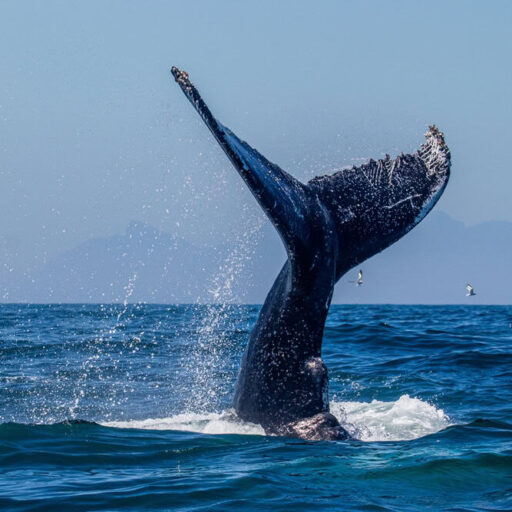
Four decades after nations agreed to a moratorium on commercial whaling, there has been a big increase in sightings of the world’s two largest whale species.
So finds a new study that coincides with the 40th anniversary of the 1986 whaling moratorium. Chronicling sightings of Antarctic blue whales and fin whales off the southern coast of Africa, it shows that 95% of viewings for the two species occurred since 2012.
“Although the total number of sightings of each subspecies was relatively low, sightings appear to be steadily increasing as these whale populations recover,” the study, led by the University of Cape Town, South Africa, noted.
Despite the moratorium, Japan, Norway, Iceland and the Faroe Islands still hunt whales. Nevertheless, the number of whales killed globally hit a historic low in the last decade, figures from Our World In Data show.
Image: Callum Evans Photography
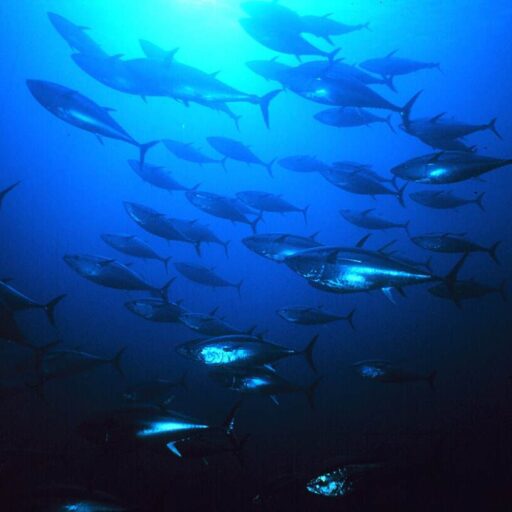
Atlantic bluefin tuna have been spotted off the coast of north-east England for the first time in more than 60 years, delighting conservationists.
“Bluefin tuna is a native British species; they are supposed to be in our waters and used to be incredibly important to this region,” said Dr Lucy Hawkes of the University of Exeter, who helped tag five of the animals this week.
“Bluefin tuna are also top predators who can only be in these waters if the ecosystems underneath them are healthy. Essentially their presence is a good way of signaling that your waters are doing well, but we have no idea where they’ve come from – which is why tagging is so important.”
England’s north-east coast was once world famous for its giant tuna. However, by the 1960s the fish had vanished from the North Sea due to overfishing and the depletion of herring shoals.
Now it’s back and while scientists have attributed its return to “judicious management of fisheries”, others believe that climate change could also be a factor.
Image: Danilo Cedrone

Residents of Portugal’s second largest city can now travel for free on buses, trains and trams thanks to a new scheme which aims to get people out of their cars and on to public transport.
Notorious for its congestion, Porto’s free travel programme is a flagship policy of the new mayor Pedro Duarte. The scheme’s estimated €25m (£23m)-a-year cost will be picked up by the city council, which has mooted increasing Porto’s tourist tax to help pay for it.
The policy builds on Portugal’s national youth travel scheme, which offers free public transport for people aged 23 and under. Porto’s scheme applies only to residents.
Making public transport free to use is an idea that’s gaining traction across Europe. In 2020, Luxembourg became the first country in the world to make public transport free for everyone, including tourists.
Image: Brittany Olson

After a four-year legal effort, two women have become the first same-sex couple to get married in Bolivia – a result that’s likely to set a legal precedent in a country that still prohibits gay marriage.
Bolivia’s constitution allows only heterosexual couples to marry. However, Fabiana Banzer and Scarlett Rocha wed last week following a court victory against the Bolivian government.
The couple’s legal team argued that, as a signatory to the Inter-American Court of Human Rights, Bolivia is obliged to guarantee marriage rights without discrimination.
In a social media post, Banzer said the ruling made her “very happy”. However, the pair’s court victory applies only to them as no constitutional changes have happened to allow same-sex marriages in the country.
Rights groups are optimistic, however, that the victory will open the door for similar challenges that could accelerate the path towards marriage equality.
Image: Fotógrafo Samuel Cruz

As new findings from Imperial College London reveal that one in six adults in England feel lonely, we asked: how do Positive News readers forge meaningful human connections?
As ever we were inundated with sage responses, ranging from: “I never refuse an invitation” to “I bought a dog – I’ve met more people since then than in the previous 18 years.”
Click here for more nuggets of reader wisdom.
Image: Vince Fleming
Main image: fizkes
Get your weekly fix of good news delivered to your inbox every Saturday, by signing up to the Positive News email newsletter
Be part of the solution
At Positive News, we’re not chasing clicks or profits for media moguls – we’re here to serve you and have a positive social impact. We can’t do this unless enough people like you choose to support our journalism.
Give once from just £1, or join 1,800+ others who contribute an average of £3 or more per month. Together, we can build a healthier form of media – one that focuses on solutions, progress and possibilities, and empowers people to create positive change.