A new national park at the ‘end of the world’, a welcome health record, and the mission to unlock a cancer mystery, plus more good news
This week’s good news roundup

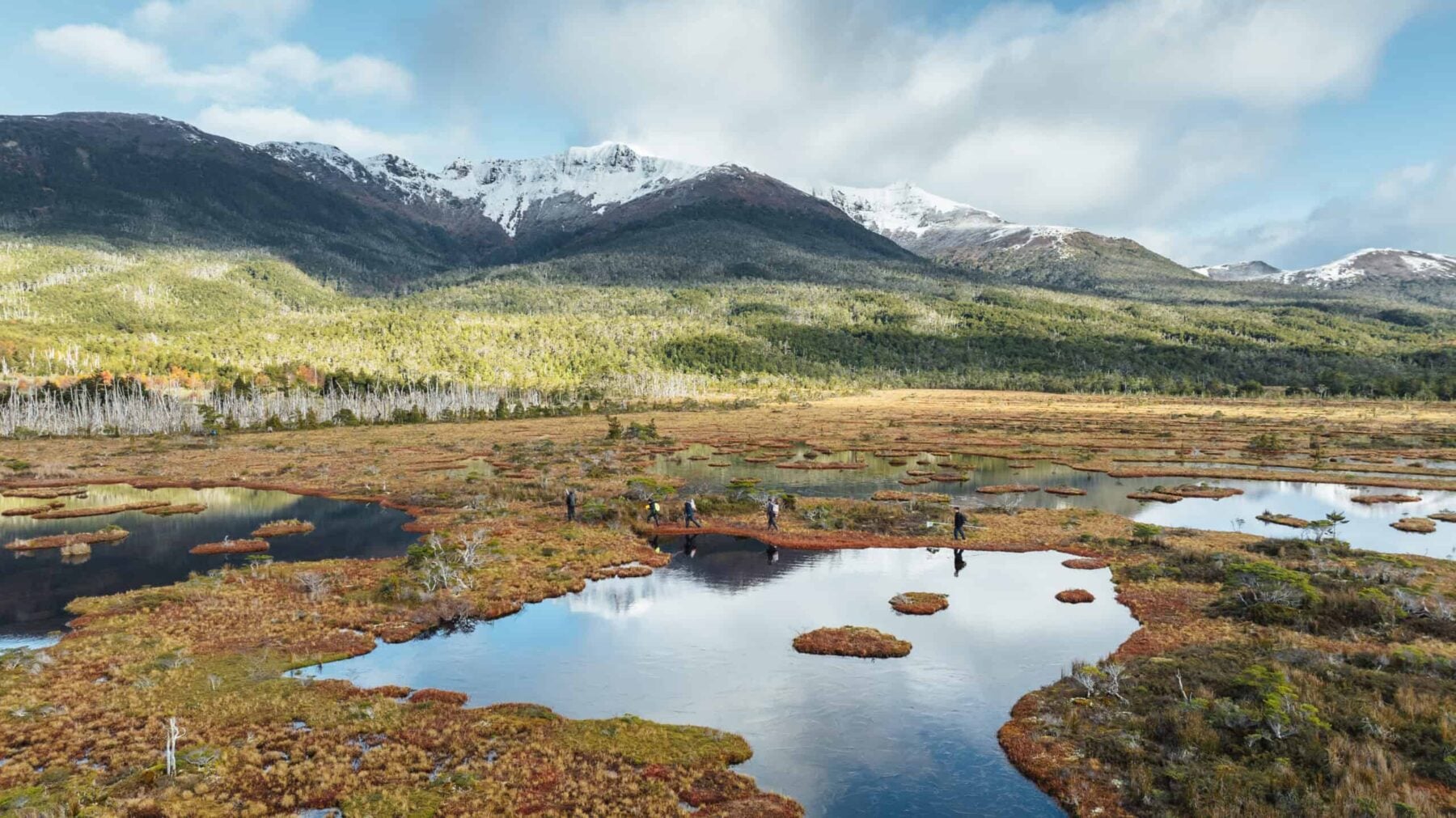
One of the world’s wildest places looks set to stay that way as the Chilean government presses ahead with plans to create a vast new protected area at ‘the end of the world’.
The proposed Cape Froward national park will span some 150,000 hectares of subantarctic forests, peatlands and coastline at the southern tip of the Americas. Formerly a base for the whaling industry, the region’s unique ecosystems harbour endangered wildlife, including wild pumas, huemul deer and whales.
“These are resilient places that maintain balance and create a refuge for species that are in danger of extinction,” Benjamín Caceres of Rewilding Chile told Reuters.
Rewilding Chile is the driving force behind the project, having donated some 127,000 hectares of land to the Chilean government late last year with the condition that the national park will be created within two years.
When realised, Cape Froward will complete a 2,800km wildlife corridor at the southern tip of Chile, providing a vast protected area for imperilled species.
Image: Diego Nahuel for Rewilding Chile

The number of people requiring treatment for trachoma – the world’s leading infectious cause of blindness – has fallen below 100 million for the first time, the World Health Organization (WHO) said this week.
The disease is spread via contaminated fingers or flies that have come into contact with the eyes of an infected person. According to the WHO, the number of people at risk of developing the disease has fallen from 1.5 billion in 2002 to 97.1 million today – a 94% decline.
The milestone follows a decades-long drive by nations to tackle the disease by improving sanitation, diagnosis and antibiotic rollouts. Burundi, Egypt, Fiji, Mauritania, Papua New Guinea and Senegal all defeated trachoma in 2025.
“A 94% decrease in people at risk since 2002 is a remarkable achievement,” said Michaela Kelly, chair of the International Coalition for Trachoma Control. “However, nearly 100 million people remain at risk and approximately $300m (£222m) is needed to fill funding gaps for surgery, antibiotics, surveys, and priority research to achieve the 2030 global elimination target.”
Image: Mohamed Youssry
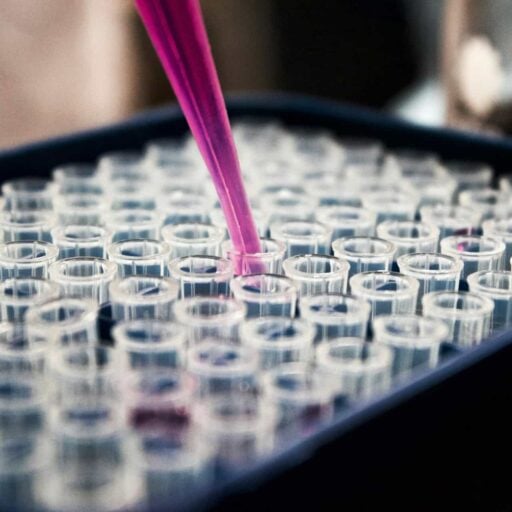
Thousands of tumour samples that have been stored in the basement of a London hospital for more than 70 years could be the key to unlocking the mystery of why bowel cancer cases are rising in the under 50s, scientists believe.
Researchers at The Institute of Cancer Research and St Marks Hospital, both in London, are launching a study to compare bowel cancer specimens from the 1960s with modern-day samples.
The aim is to uncover how changes in diet, lifestyle, and environmental exposures – collectively known as the exposome – may be driving the rise in cases of early-onset bowel cancer.
Bowel cancer is the fourth most common cancer in the UK. Cases among younger people have been climbing in recent years and are expected to double between 2010 and 2030.
“By performing detailed molecular analysis of bowel cancers from the 1960s and comparing the results to bowel cancers from today, we hope to identify exactly what is driving the increase in bowel cancer diagnoses in younger adults,” said the institute’s Prof Trevor Graham. “This could lead to new strategies for bowel cancer prevention and treatment.”
Image: Louis Reed

Aviation emissions could be halved by getting rid of premium seats and using only the most fuel-efficient aircraft.
That’s according to a new study led by the University of Oxford, England. It analysed more than 27m commercial flights and found an enormous variability in emissions efficiency. Some routes were shown to produce nearly 900 grams of CO2 per kilometre for each passenger – almost 30 times higher than the most efficient.
The study noted that business and first-class seats are up to five times more CO2-intensive than economy seats. Axing them – an unpaletable proposition for most airlines – would boost passenger loads and offer big emissions savings quickly, it said. Upgrading to more energy efficient airlift would also yield significant CO2 cuts.
Aviation accounts for around 2.5% of global CO2 emissions, but is rising. Decarbonising air travel remains a tough nut to crack as there is no viable alternative to kerosine that packs enough punch.
“Our results clearly show that efficiency-focused policy could swiftly reduce aviation emissions by more than half, without reducing flight numbers or waiting for future fuels,” said study co-author Dr Milan Klöwer from the department of physics at the University of Oxford, England. “These are tools that we can use right now.”
A 2020 study found that just 1% of the population is responsible for half of plane emissions.
Image: Philip Myrtorp


What to do with solar panels when they reach the end of their lives is a growing issue for the energy sector – one that Australian researchers think they may have cracked.
Academics at the University of Newcastle reckon they have developed a technique to extract silver from used panels without the need for harmful chemicals.
The new method sees solar panels ground into fine powder and floated in water. The silver, they say, floats to the surface while waste materials sink. The decidedly low-tech approach recovers more than 97% of the silver from an end-of-life panel in just a few minutes, researchers added.
“Silver was our first test case, but there are likely significant opportunities to apply [the technique]… to unlock billions of dollars’ worth of other metals and minerals currently trapped in urban and mining waste,” said Mahshid Firouzi, associate professor at the University of Newcastle. “We cannot afford to let these valuable resources go to waste.”
Meanwhile, Chinese solar panel maker Longi Green Energy Technology announced that it will mass-produce solar cells using base metals instead of silver this year. Eliminating costly silver is expected to further drive down the price of solar, which has fallen by close to 90% per kWh in the last decade.
Image: Newpowa

Exercise may be as effective at reducing the symptoms of depression as therapy and antidepressants, a review published this week suggests.
Moderate intensity exercise was deemed more effective than vigorous exercise, while a combination of cardiovascular and resistance training was preferable to aerobic exercise alone.
The review was conducted by academics at the University of Lancashire, England. They analysed 73 randomised controlled trials which nearly 5,000 adults with depression took part in.
“Our findings suggest that exercise appears to be a safe and accessible option for helping to manage symptoms of depression,” said lead researcher Prof Andrew Clegg.
However, he cautioned that existing research into the effects of exercise on depression have significant limitations. Some forms of exercise, such as yoga, qigong and stretching, were not included, while the long-term effects of exercise and other treatments remained unclear as few studies followed participants after treatment.
“Exercise can help people with depression, but if we want to find which types work best, for who and whether the benefits last over time, we still need larger, high-quality studies,” he said.
Image: Ketut Subiyanto

Television adverts for junk food are now only permitted in the UK after 9pm – and not at all online – under new rules that came into force on Monday.
The move is part of a drive to tackle childhood obesity. According to the National Health Service, one in eight children between two and 10 in England are obese.
The restrictions apply only to products, meaning companies can still broadcast adverts plugging their brands. Affected items include sweets, pizzas and ice creams, which are among the main drivers of childhood obesity.
“Bringing these long-awaited restrictions into force is an important step towards protecting children from relentless junk food advertising,” said Katharine Jenner, executive director of the Obesity Health Alliance.
“But this legislation will only deliver its promise if it is robustly enforced and strengthened. Loopholes such as the broad brand advertising exemptions, the narrow range of products and media [included], and reliance on an outdated nutrient profiling model risk limiting its impact and driving advertising into other channels, including outdoor spaces.”
Image: Karsten Winegeart

It’s not prowled Scotland for more than 500 years, but the lynx is a step closer to returning to the country after a public consultation launched that could steer a future reintroduction programme.
Conservation charities have long argued that the cats could boost biodiversity, control deer numbers and attract tourism. Now 89,000 households in northern Scotland are being asked for their views.
“Northern Scotland can support a thriving population of lynx, but social acceptance is just as important – so we are exploring in detail how people feel about bringing back this important missing native species,” said Steve Micklewright, chief executive of the charity Trees for Life.
The Highlands and Moray regions contain some of Scotland’s best lynx habitat, with enough woodland and wild prey to support up to 250 of the cats, studies suggest.
“Reintroducing lynx could help restore balance and breathe new life into Highland and Moray landscapes, but it would be essential to do this in a considered, responsible way that addresses questions and concerns,” said Lisa Chilton, chief executive of SCOTLAND: The Big Picture, a rewilding charity.
Image: Tony Hisgett

We’re all familiar with the concept of climate tipping points: one component of a fragile ecosystem collapsing, sparking a chain of unstoppable disasters. But what if we could counter these negative tipping points with positive ones?
A new book does just that by honing in on small shifts that could – or already have – triggered a wave of positive change. Positive Tipping Points by Prof Tim Lenton of the University of Exeter, England, highlights compelling examples of positive change driven by inspiring individuals, groups and policies.
Norway’s mass adoption of electric vehicles is heralded as one example. Nearly 90% of cars sold in the Nordic nation in 2024 were plug-in.
“Norway’s leadership in being the first country to reach an EV tipping point is important for all of us, because driving cars is currently responsible for about 7% of global greenhouse gas emissions,” Lenton told Positive News.
Read more here.
Image: Andrea Manzati
Main image: Diego Nahuel/Rewilding Chile
Get your weekly fix of good news delivered to your inbox every Saturday, by signing up to the Positive News email newsletter
Support solutions in 2026
At Positive News, we’re not chasing clicks or profits for media moguls – we’re here to serve you and have a positive social impact. We can’t do this unless enough people like you choose to support our journalism.
Give once from just £1, or join 1,800+ others who contribute an average of £3 or more per month. Together, we can build a healthier form of media – one that focuses on solutions, progress and possibilities, and empowers people to create positive change.