Want the kids to have cool Christmas presents that aren’t tomorrow’s landfill? Here are five tips to swerve the tat
Giving and receiving gifts is one of Christmas’ most joyous traditions, especially for children. Far from being an instrument of modern capitalism, as some believe, there is a long history of exchanging presents over the festive period.
Amid rowdy mid-winter celebrations, the raucous Romans were known to give small, often joke, gifts around the solstice. The party continued into medieval times, when Christmas was a time for feasting, drinking and being merry, with presents given at New Year instead – and mostly to adults.
The prudish Victorians, however, were eager to promote wholesome, family based festive behaviour, and embraced gift giving on Christmas Day to bring people together in the spirit of goodwill. It’s been a feature of Christmas in Britain ever since.
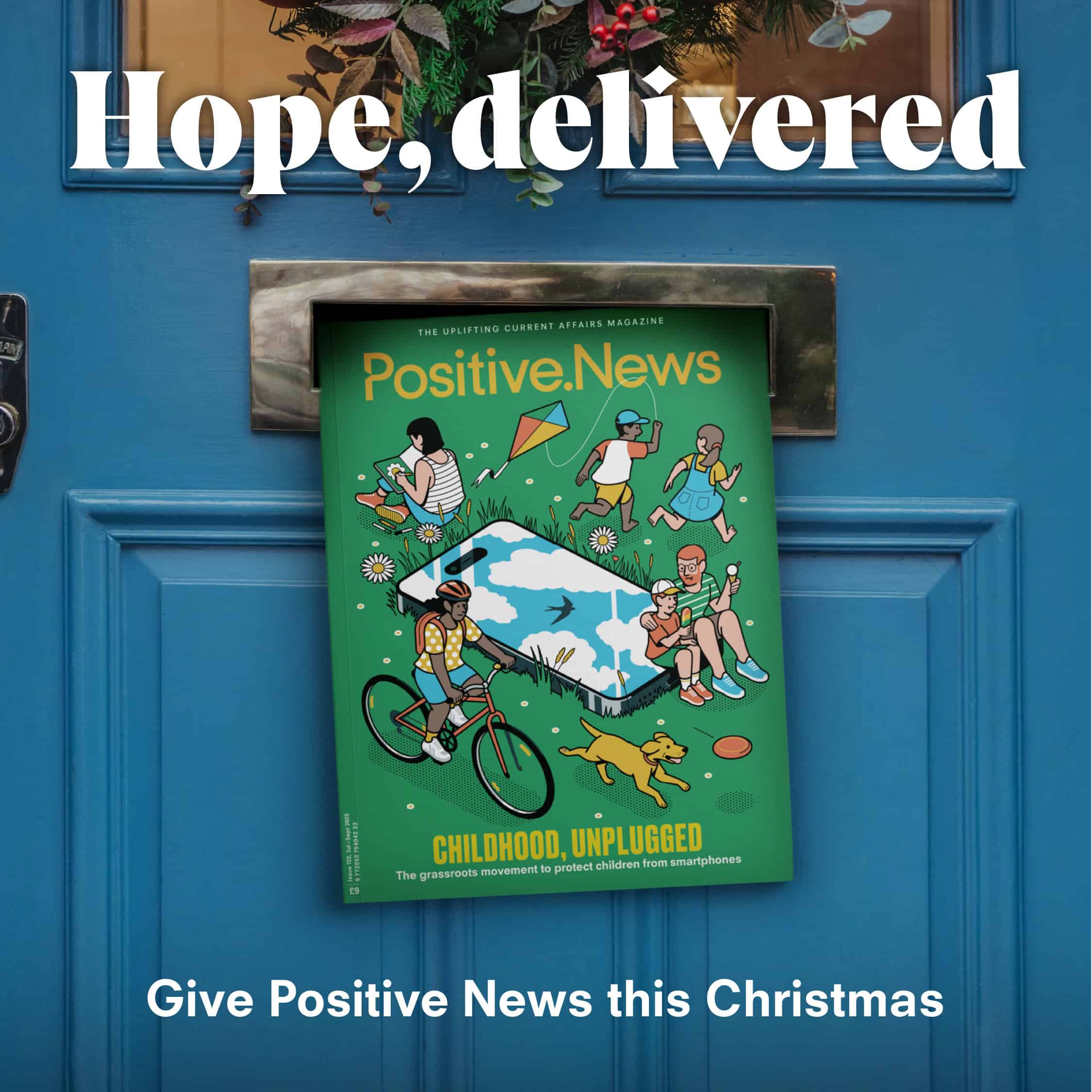
Had plastic been invented in Roman times, we would be unearthing their old gifts today. Alas, the material is a more recent – and growing – addition to Christmas. If you’re a parent, you’ll be familiar with the sinking feeling that comes when your kids unwrap future landfill beneath the (possibly plastic) tree.
However, just as gifting practices have changed in the past, there’s a growing movement to give plastic tat the heave-ho (ho, ho). Here are five ways to embrace the shift:

If waste makes you weary, be assured: you’re not alone. Enter the No Crap Parties movement, a growing campaign to “normalise more affordable, less wasteful gifting”.
“A lot of people see gifting as a love language,” says founder Charlotte Mason-Curl (pictured), a mother of two. “Everyone wants the best for their kids, but we’re sold this idea that ‘the best’ means having loads of stuff. When actually, what kids really want is time with their loved ones.”
Inspired by the Smartphone Free Childhood campaign, which helps parents present a united front in the struggle with big tech, No Crap Parties has launched an online pledge that Mason-Curl is encouraging parents to sign because “there’s strength in numbers”.
Many of those who have put their names to it are relieved to discover that they’re not alone. “I thought we were the only family who had these concerns and gripes,” wrote one signee. “So happy other parents feel the same.”
Image: Jack Roe
No Crap Parties advises setting clear and simple gift guidance so that everyone’s on the same page. That could be a price limit, or it could be a rule that all presents must be secondhand.
“It’s better to give people guidance about what to bring than tell them not to bring anything, because often they go rogue,” says Mason-Curl, adding: “Kids don’t notice or care if something’s secondhand.”
One positive side-effect of setting gift guidance is that it can help relieve financial anxiety around Christmas. According to a recent survey by the charity Family Action, 55% of participants said that they won’t be able to afford Christmas presents for someone this year.
Price limits could therefore come as a relief, freeing people up to enjoy the arguably more important elements of Christmas, such as spending time with family.
Image: Oleg Sergeichik

Want to make sure that presents are less wasteful and more impactful? Well, there’s an app for that, obviously. In fact, there are many, including Thankbox, Collectiv and Collection Pot. Each vary, but all allow for the pooling of resources to go towards one large item that parents can be sure the child definitely wants.
This is hardly a new concept. For some families, pooling cash for presents has long been a feature of Christmases and birthdays. But technology makes this easier.
It’s worth doing some research to see which app best suits: they all differ in terms of how money is collected, the extent to which messages can be personalised, and how the funds are withdrawn or spent. We like Thankbox, which allows everyone contributing to send personalised messages, including photos and videos, while adding to the fund.
This collective effort boosts buying power, meaning larger and more expensive items that recipients actually want – say a bicycle, or an electric guitar – can be purchased instead of lots of smaller gifts that may miss the mark.
Image: Vitaly Gariev

There is a joy that comes with opening a card to learn that you are being whisked off somewhere fun by a loved one, be that Legoland, a museum, or the theatre. Quality time bonding around something fun in the the near-future is something that kids can look forward to long after the tinsel has been packed away.
For older children, experiential presents could include the opening of a bank account, bringing them some newfound financial freedom – and literacy. According to PayUK, 71% of UK adults don’t know how a savings account works. Opening one for a young adult and giving them the tools to manage their money can be an empowering gift that stays with them well into adulthood.
Image: Evgeny Klimenchenko
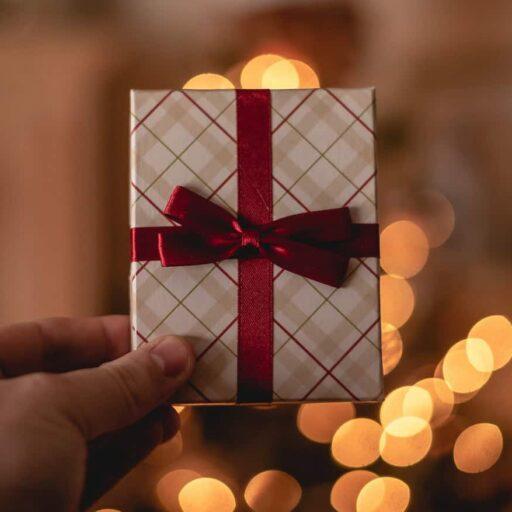
Okay, it’s not the most thoughtful of presents. And they do expire. And they restrict what recipients can buy and where. But done right, the humble gift card can be a practical present that relieves givers from any anxieties they might have around choosing ‘the right gift’, as well as giving receivers some agency to use the gift card as they see fit.
Gift cards also have an experiential edge. They can lead recipients into enchanting indie bookshops or fun toy stores that they might otherwise never have visited. They delay gratification, too, to when recipients are less overwhelmed by Christmas.
Such benefits are why perhaps, according to a report by McKinsey & Company, the gift card is making a comeback. “The growing popularity of gift cards suggests an emphasis on practical gift giving,” it noted.
The trend for thoughtful presents is catching on.
Image: Rob Laughter
Main image: iStock
Joy, delivered
Uplifting stories, beautiful design and the tactile pleasure of print – a Positive News gift subscription delivers joy that lasts all year.
Each Christmas gift includes four optimism-filled issues throughout 2026, plus a gift certificate and a free copy of the current issue to put under the tree.