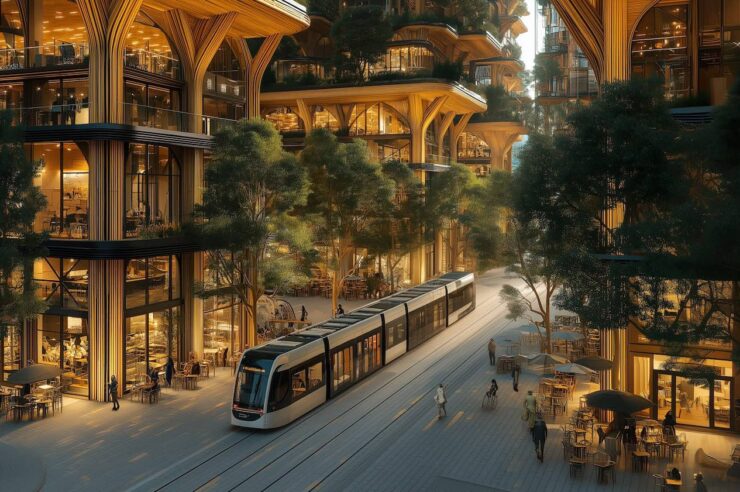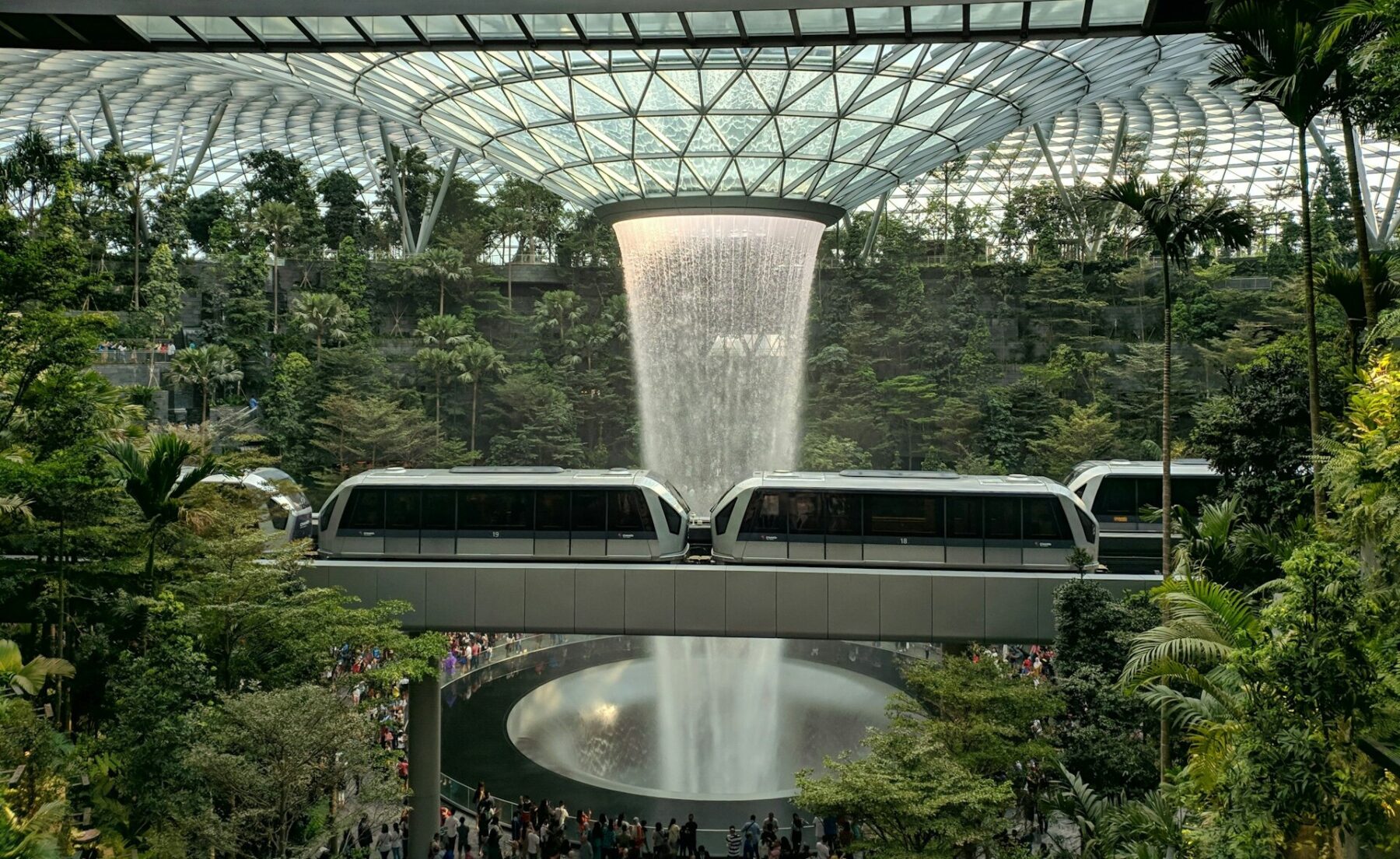
From carbon-negative homes to people-powered street lights, new innovations are transforming urban living, making cities cleaner and greener
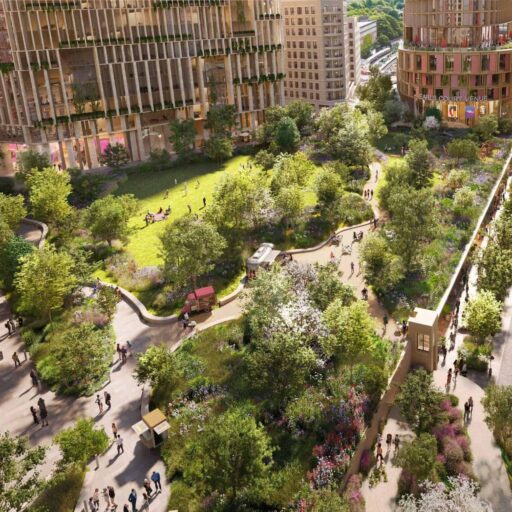
With millennia of history, hundreds of miles of underground rail and thousands of miles of sewers and pipelines, making large-scale sustainable infrastructural changes in central London is incredibly complex.
However, a pioneering redevelopment project in west London is set to use waste heat from a data centre in an ambient loop network that will supply low-carbon heating to 4,000 homes and a new commercial district.
The network will circulate water through underground pipes to capture heat from the Mopac Tower data centre, nearby Tube tunnels and other local sources. Building-level heat pumps then raise it to usable temperatures for heating and hot water.
The development’s latest sustainability statement suggests that these systems operate at about 264% efficiency – far higher than traditional gas boilers of around 80-90% because it is simply moving heat to create energy, rather than burning energy.
Image: ECDC

Walls made of algae have been shown to remove carbon from the air. The BIQ House in Hamburg, Germany, uses microalgae within glass louvres to provide shading and produce biofuel, with the algae also generating heat that can be used in the building.
The algae-filled exterior responds to sunlight, growing denser to block excess heat while absorbing CO2 and producing renewable energy. Singapore has trialled algae panels along highways to filter air and reduce heat, while bioluminescent algae are being explored for soft, natural lighting.
Image: Oleksandr Sushko
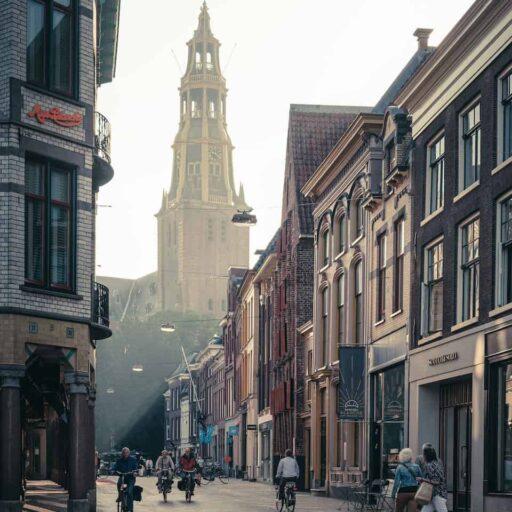
Groningen in the Netherlands has a 400 metre solar sidewalk powering its town hall as part of the EU’s Making City programme.
“It is an example of how to use space in the city in a smart and sustainable way,” said Philip Broeksma, the city’s energy councillor.
Image: Alexander Bagno
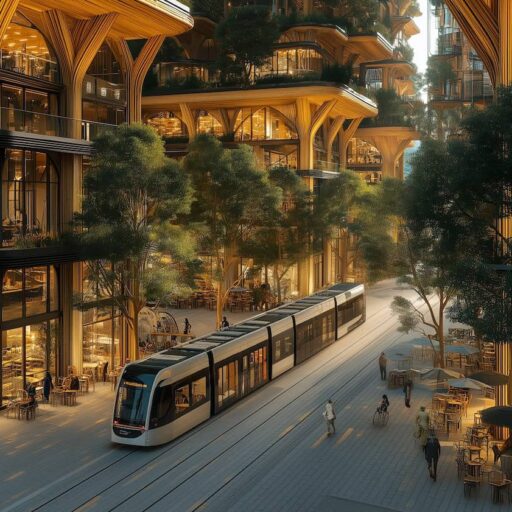
It’s a warm summer afternoon in 2037, and shoppers wander under covered walkways inspired by the porticoes of Bologna. Every building generates its own energy through integrated solar and micro wind systems, and collects and recycles water. Lighting, heating and ventilation respond automatically to occupancy and weather, guided by embedded IoT (Internet of Things) sensors. Temperature, humidity, air quality and movement are monitored constantly, optimising everything without residents lifting a finger.
For the one million residents who have called Forest City 1 home since it opened in 2032, this is normal life. The young professionals priced out of the housing market and bored of identikit commuter estates found opportunities and something fresh in this trailblazing city.
This may sound like science fiction, but Forest City 1 is not a pipedream. It could be built in years not decades. The concept comes from Joe Reeve, founder of the non-partisan political movement Looking for Growth (LFG), and former journalist Shiv Malik. Their vision is anchored in a real site: avast plot on the Cambridgeshire-Suffolk border near Newmarket and Haverhill. The project is gathering support from investors, central government and even local residents.
Image: Forest City 1
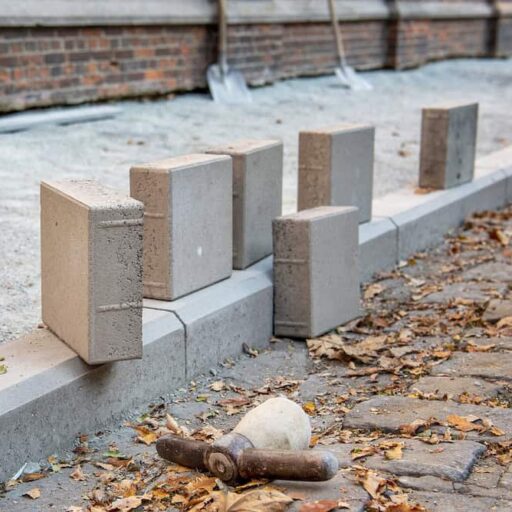
New to construction, ‘Carbstone’ blocks are carbon negative because they absorb carbon dioxide during the production. Made from steel industry waste instead of cement, they use captured CO2 as a binding agent during production. This process locks carbon permanently into the material while avoiding the high emissions normally associated with concrete.
Image: VITO

Laurence Kemball-Cook founded Pavegen with a simple but ambitious aim: to create affordable off-grid electricity in cities.
“I was looking at new forms of street lighting powered by solar and wind,” he says. “But in dense urban environments neither of those technologies work well. Wind needs to be in the sea or high up, and solar struggles when you’re surrounded by tall buildings.”
Cities, though, have something else in abundance: moving people. As an industrial designer with a fascination with sustainability, he spent five years building prototypes in his bedroom of a system that would harness the kinetic energy of footfall and turn into power.
As with all good inventors, people told him he was crazy; but his breakthrough moment came when he realised a flywheel technology would work. “One step can spin the flywheel for up to 10 seconds, which is good for batteries because it gives continuous power.”
Multiply that by thousands of footsteps, and the output becomes something significant. After a trial at the London 2012 Olympics, where a temporary walkway was fitted with its tiles to power lighting, Pavegen now has installations in 250 sites in 5 countries.
Read the full article here.
Image: Pavegen
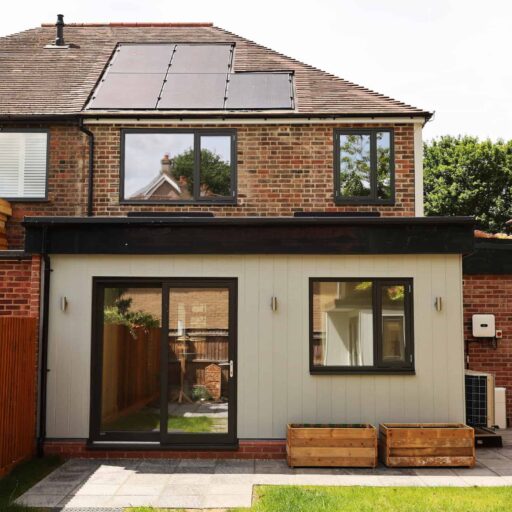
In the UK, the Cambridge Building Society bought a standard 1930s semi-detached home and transformed it into an A-rated, carbon-negative property, demonstrating that the route to net zero is as much about upgrading existing buildings as it is about building new ones.
Full insulation was applied and airtightness improved, while a mechanical ventilation with heat recovery system keeps the interior stable and avoids condensation. Heating and hot water come from a single air source heat pump, which also feeds underfloor heating, and solar panels provide much of the electricity.
Alongside rainwater collection and other upgrades, the house shows what is possible for the UK’s 29 million homes that would benefit from retrofitting.
Read more here.
Image: Cambridge Building Society
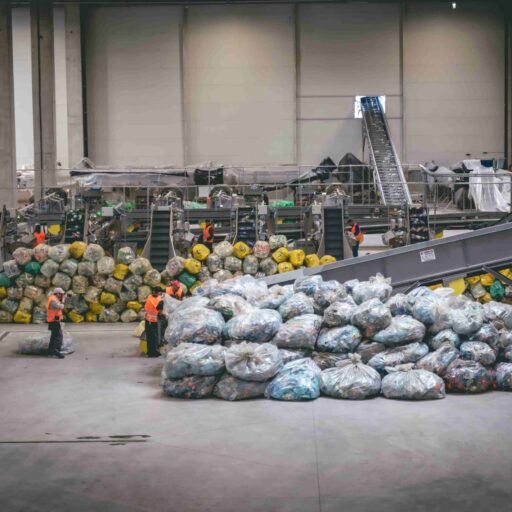
Romania is seeing the success of what is billed as the world’s largest centralised deposit return scheme for used drink containers.
People pay a 0.50 Romanian leu (£0.09) deposit per plastic bottle or tin can, and get the cash back by dropping them off at in-store reverse vending machines. More than 8bn containers have been collected to date, including 4.5bn plastic bottles, returning over half a million tonnes of high-grade recycled materials to producers.
Beverage containers make up just 5% of Romania’s total waste toll, meaning its deposit scheme will have a limited impact. However, other nations, including Poland, Turkey and Bulgaria are reportedly interested in emulating the scheme, while the UK will launch its own version in October 2027.
Read the full article here.
Image: ReturRO

On Rue de l’Arbalete in Paris, children cycle through planters and benches, and parents chat in dappled shade. A few years ago, this was a choked through-road. Today, it feels like a village square.
Paris has been a global leader in cleaning up and reclaiming its urban spaces. Not only has the Seine become swimmable again thanks to a major clean-up, but more than 300 ‘school streets’ have been pedestrianised and planted since 2020. The results – cleaner air, safer routes, more exercise for children – have landed well with residents.
“School streets are a unique way to reclaim public space, and the health and environmental effects are well established,” Mathieu Chassignet, an engineer in sustainable mobility at the French environmental agency ADEME, tells Positive News.
Voters agreed. In 2024 they backed the expansion of the model to another 500 streets.
Image: Joséphine Brueder/Ville de Paris
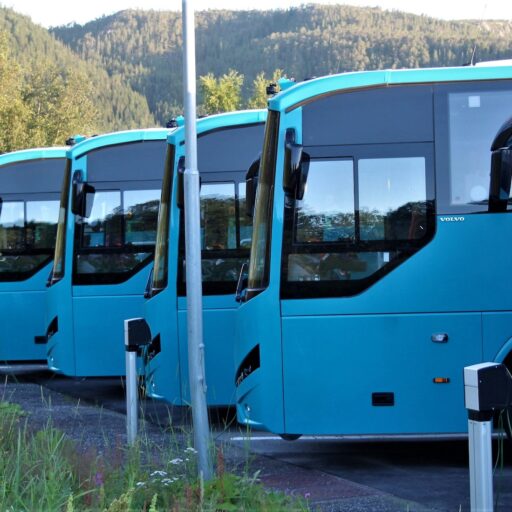
Public transport systems are electrifying at pace, with dynamic charging roads that wirelessly transfer energy to vehicles as they drive. These systems are being trialled in Sweden and Norway. Embedded coils beneath the road surface activate when a vehicle passes overhead and switch off once it moves on. The result is a reduced need for large charging stations and an end to range anxiety.
Image: Jan Ove Hauko
Main image: Peerapon Chantharainthron
Be part of the solution
At Positive News, we’re not chasing clicks or profits for media moguls – we’re here to serve you and have a positive social impact. We can’t do this unless enough people like you choose to support our journalism.
Give once from just £1, or join 1,800+ others who contribute an average of £3 or more per month. Together, we can build a healthier form of media – one that focuses on solutions, progress and possibilities, and empowers people to create positive change.