A trailblazing rewilding site in England has recorded a 900% increase in breeding birds in just 20 years, proving what’s possible when nature is given the space to recover
In the beginning it was dead. “Depleted, polluted, dysfunctional” is how Isabella Tree describes the farm that she and her husband helped nature to recolonise.
Recolonise it has. According to a two-decade ecological review of the Knepp rewilding estate in Sussex, England – published this week – the 3,500-acre site has recorded a 900% increase in breeding birds.
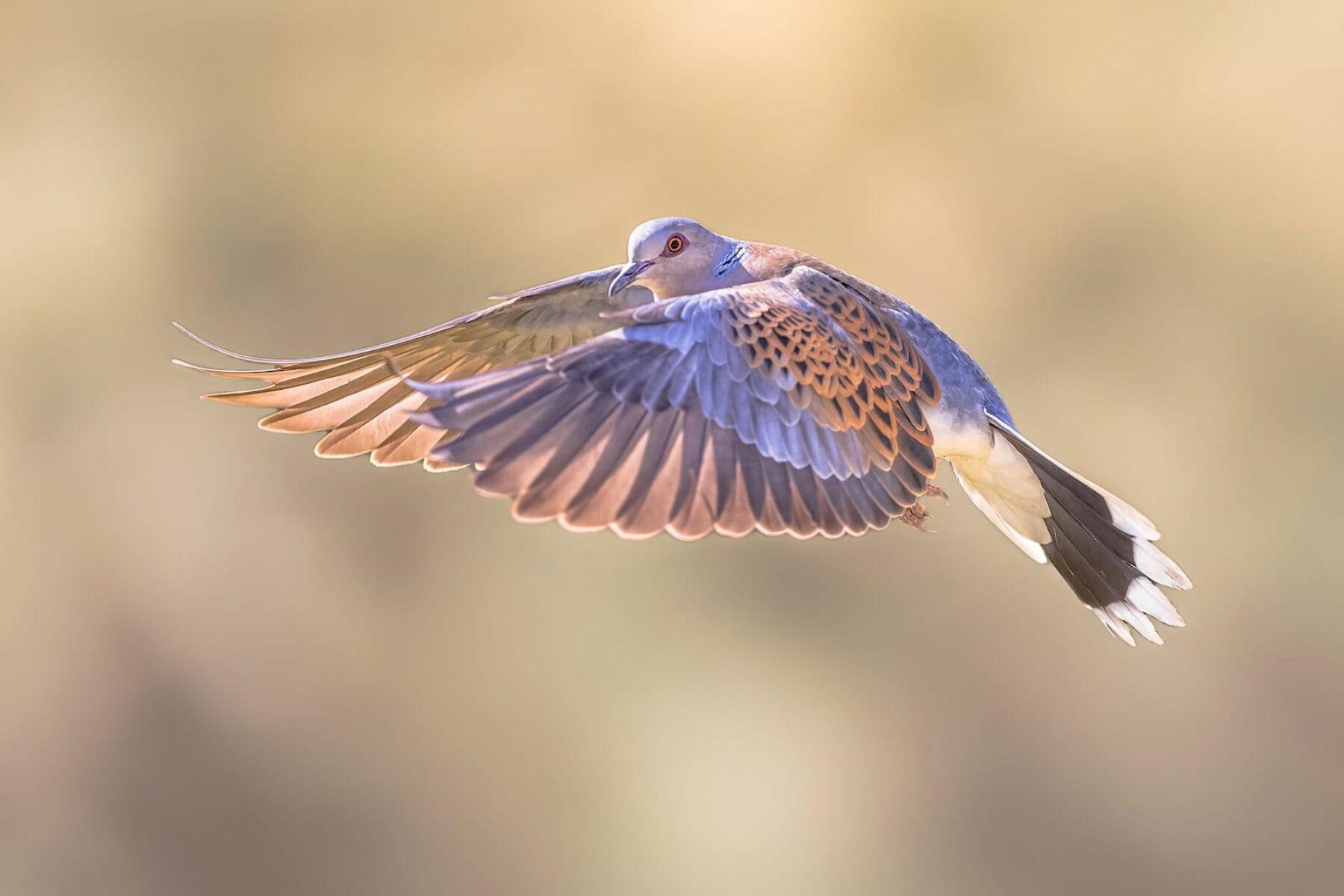
Among them imperilled species such as the turtle dove (main picture) and nightingale, which have experienced shocking declines across much of the UK, but saw their numbers increase by 600% and 511% respectively at Knepp.

“The trend is strongly positive and still increasing year on year,” said Fleur Dobner, a Knepp ecologist.
The review points to “a dramatic recovery in wildlife”, revealing how butterfly numbers have doubled in some areas, while dragonflies and damselflies have increased by nearly 900%.
The transformation of Knepp from an unprofitable farm into a biodiversity hotspot was outlined in Tree’s hit book Wilding. She and her husband Charlie Burrell have worked with nature to create a haven for wildlife. Fences came down and free-roaming animals were introduced, such as English longhorn cattle, which fill ecological roles left by extinct animals.
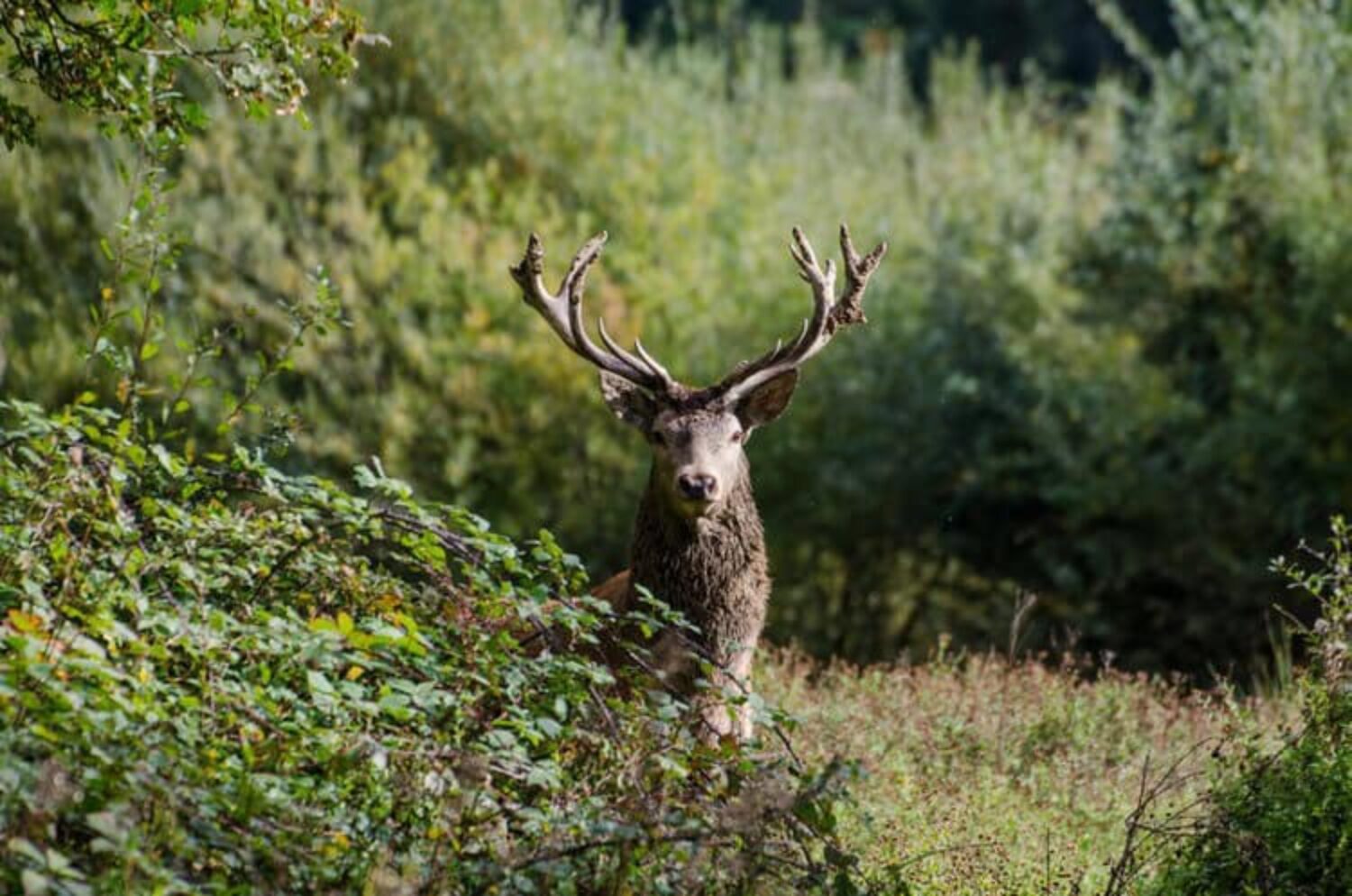
A red deer stag on the Knepp estate in mating season. Credit: Charlie Burrell/Knepp
“We have gone from a depleted, polluted, dysfunctional farmland to one of the most significant biodiversity hotspots in the UK,” said Tree. “The uplift in biodiversity shows how much life the land can hold.”
Tree believes that Knepp shows what’s possible elsewhere in the UK, which is one of the world’s most nature-depleted nations.
“The UK has pledged to return 30% of land to nature by 2030, and it’s not happening fast enough,” she said. “Rewilding is a powerful tool to get nature back. We should be much more ambitious for our nature reserves and rewilding projects.”
Main image: Rudmer Zwerver/Shutterstock
Support solutions in 2026
At Positive News, we’re not chasing clicks or profits for media moguls – we’re here to serve you and have a positive social impact. We can’t do this unless enough people like you choose to support our journalism.
Give once from just £1, or join 1,800+ others who contribute an average of £3 or more per month. Together, we can build a healthier form of media – one that focuses on solutions, progress and possibilities, and empowers people to create positive change.