
If you thought you needed soil to plant a garden, you’d be mistaken. Forward-thinking gardeners are using leftover builders’ waste – concrete, gravel, sand and the like – to create gardens that are drought-tolerant and full of biodiversity. Here’s how to do it
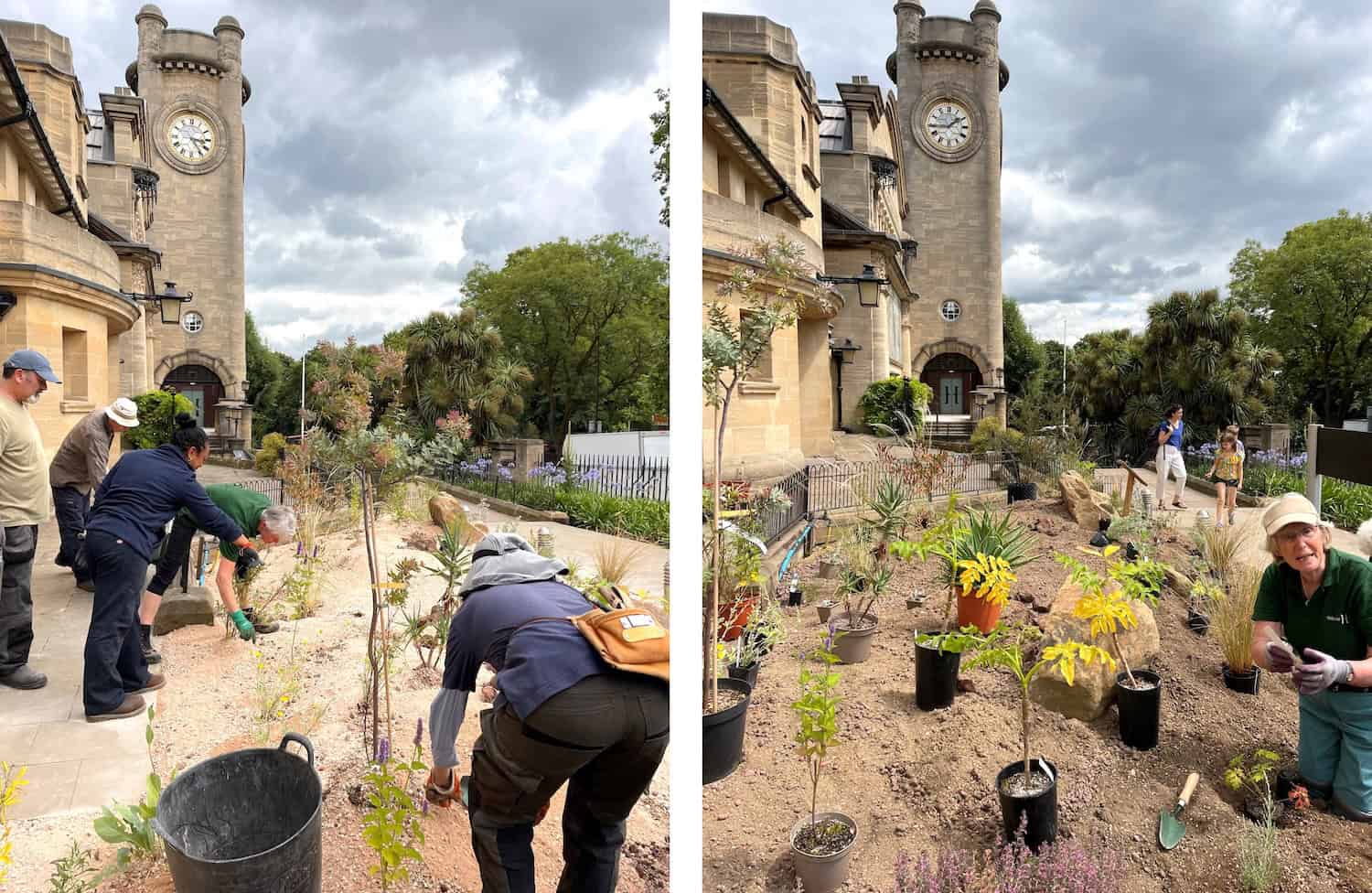
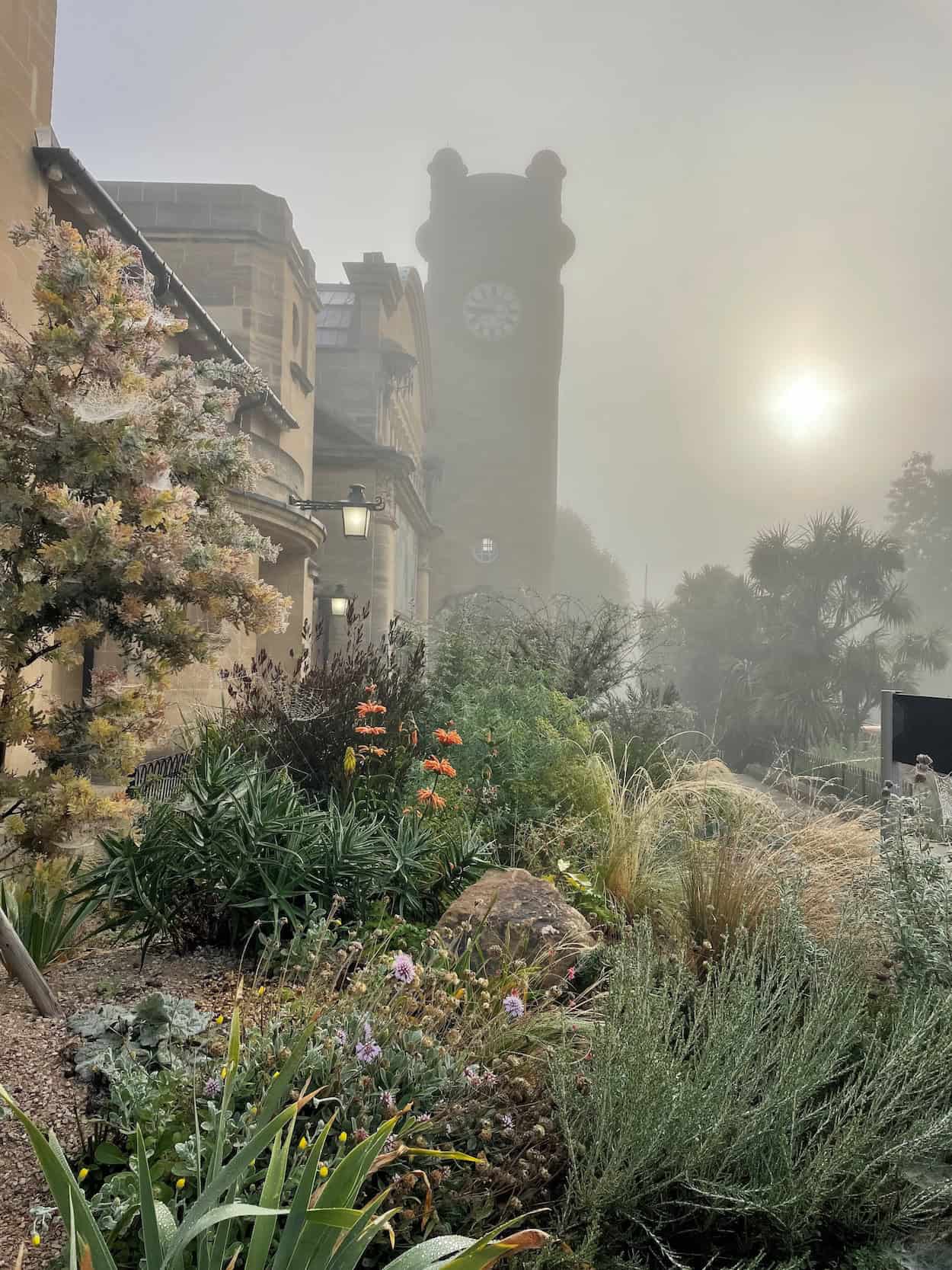
London’s Horniman Museum and Gardens is located just off a busy A road; buses thunder past at all times of day, while commuters pass on their walk to and from the Overground. With its original 1901 building and clock tower, it’s hard to miss. In fact, head of horticulture Errol Reuben Fernandes calls the entrance gardens their “shop window”. So, filling them with building waste might feel like a bold move.
But for Fernandes it makes perfect sense: so-called ‘rubble gardens’ offer an eco-friendly way to use discarded materials and create a perfect habitat for hardy, drought-resistant plants, something that’s becoming increasingly important as the climate shifts.
He also believes it can offer something beautiful too: “It was previously quite a monoculture; on one side of the path was Agapanthus, which were beautiful for maybe three weeks of the year, but the rest of the time not doing so much. And on the other side, you had bamboo and phormium; nice enough, but no flowers and no real multi-seasonal change.”
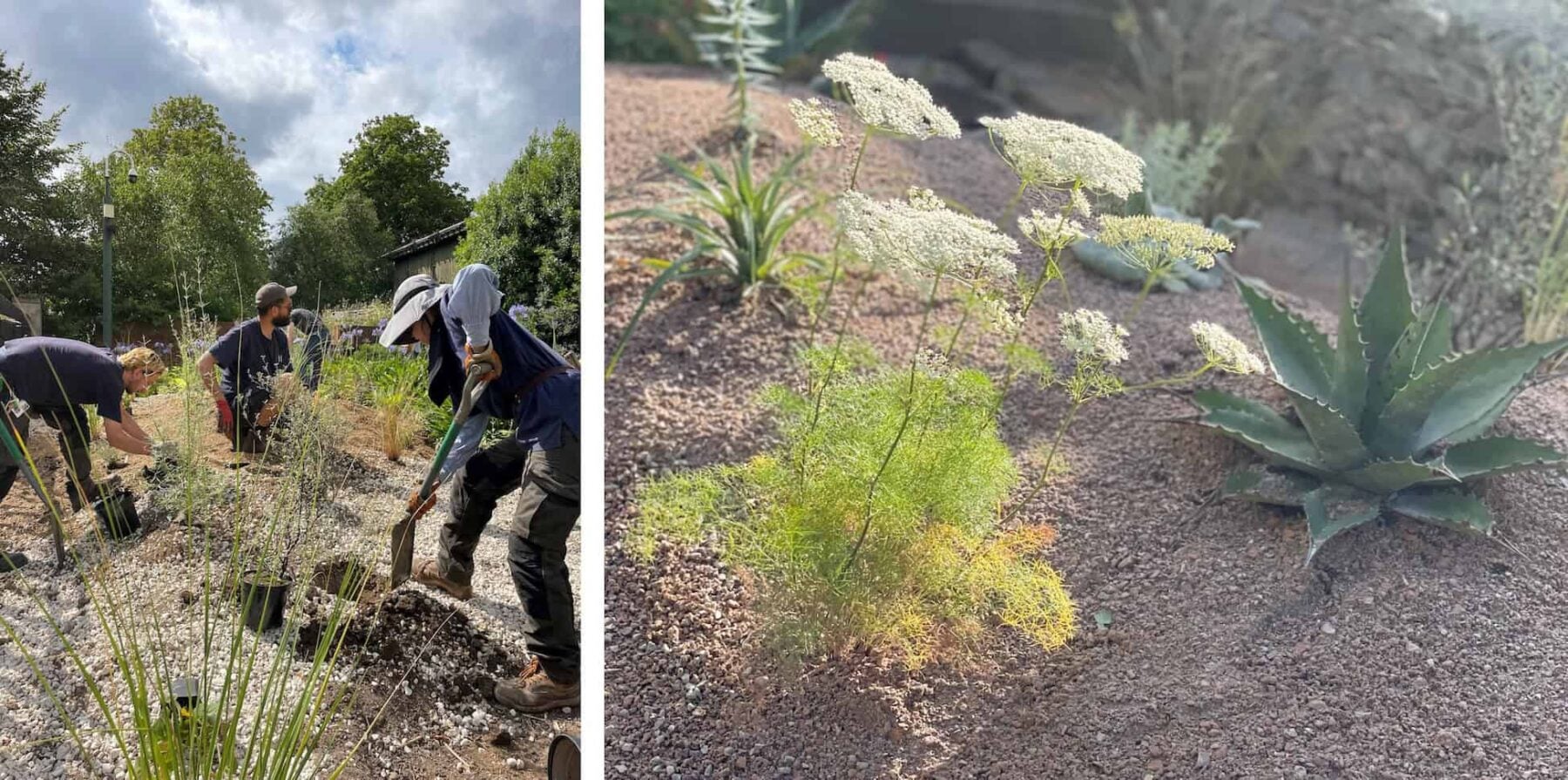
Now, with the help of 25 tonnes of waste concrete aggregate from a path redevelopment, the team has planted a diverse selection of xerophytes – plant species that are well-adapted to life without much water. At the Horniman, the selection hails from across the Mediterranean, as well as Peru, Chile, Bolivia and Mexico. “Plants in those regions often experience very hot summers and very cold winters,” Fernandes explains.
The Horniman isn’t the only one experimenting. Over in Malmö, Sweden, garden designer Peter Korn has pioneered the use of sand-based planting, while ‘brownfield gardening guru’ John Little has taken an innovative approach to these types of sites from his base in Essex. It feels like alternative garden designs are on the up, but this isn’t entirely true. After all, it was back in the ‘90s that leading gardeners Beth Chatto and Derry Watkins first experimented with gravel gardens.
For Nathan Apperley, head gardener at Yeo Valley Organic, rubble gardening is something that could have much wider implications for the way we design and build new homes. Last year, more than 40,000 new houses were built in England, but Apperley says the gardens of these homes can often leave incoming residents disheartened.
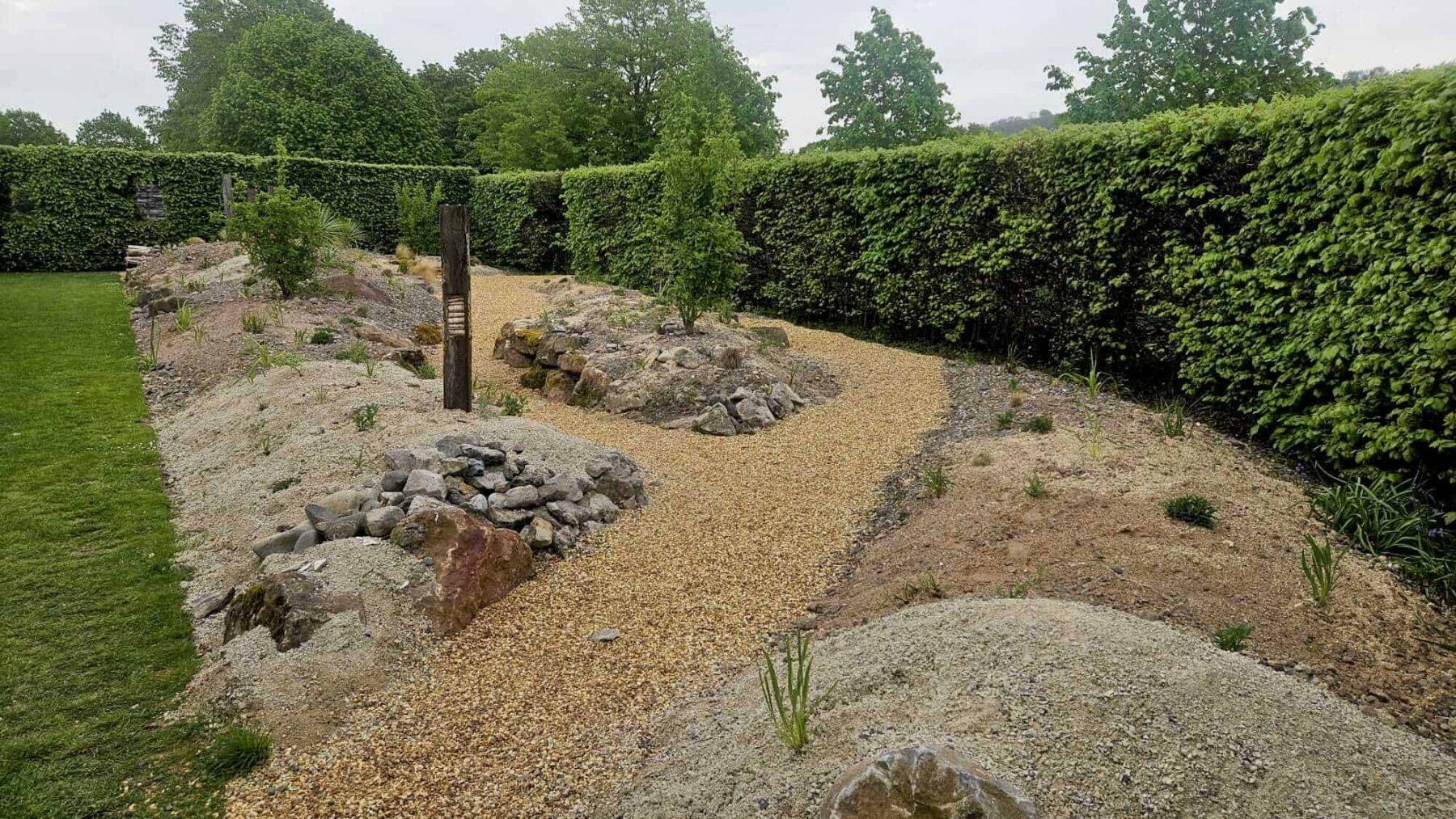
“Gardens on new build sites are notoriously bad,” he explains. “The house gets finished and then the builders will chuck over some topsoil and lay lawn from fence to fence, which will obviously fail. Because beneath that topsoil is often a poorly draining, compacted subsoil. This is hugely discouraging for the owner. Instead we should be inspiring people.” There is an alternative to the typical, lush English sort of garden that people are used to, which is also really beneficial for wildlife, explains Apperley. Rubble gardens, with their natural, wild feel, tend to attract diverse populations of bees, beetles and other insects like spiders. “Spiders and their predators create a brilliant little ecosystem,” he says.
Like Fernandes, Apperley and his team are building their own rubble experiment at Yeo Valley Organic’s home farm in Blagdon, Somerset. Using crushed building site materials, they’re creating something “totally different” to the rest of the garden. It’s still a work in progress, with the team getting used to techniques such as planting with pickaxes, but the results through the drought this year have been “incredible”, he says. Apperley will be speaking alongside Fernandes about rubble gardening at a panel discussion during the Yeo Valley Organic Garden Festival this September.
Professionals are getting in on the trend, but these gardens aren’t just for public enjoyment. Elizabeth Waddington is a permaculture designer based in Scotland, who focuses on creating regenerative spaces with long-term resilience. “My husband and I have been doing up this old stone barn for many years,” she says. “And, as we were doing it, there was quite a lot of waste material, so we just ended up with a pile of rubble at the front and I left a heap of the spoils.”
It’s since become home to a plethora of native wildflowers, and much fewer weeds than you might expect in a composted garden. “It’s not a manicured garden, it’s not going to be exactly the same as a really fertile bed. It looks like a hedgerow bank, or a wildflower meadow. That’s what happened without any intervention of planting.”
Fernandes agrees that rubble gardens might look a little different to what we’re used to, but that’s all part of the charm. He recommends explaining the vision to your neighbours.
“If you’ve got a great big heap of concrete, before it’s planted it can raise a lot of eyebrows,” he says, recalling a 92-year-old visitor who questioned the team’s pollinator garden. “She was asking me when we were going to remove it. I had to explain that actually it was quite purposeful and that we’re keeping it. But I think that intrigue is really important, that dialogue helps people to understand.”
5 steps to create your own rubble garden
Designing a beautiful space from waste materials isn’t too tricky, but you will get better results if you plan ahead. Here are Errol Reuben Fernandes’ top tips.
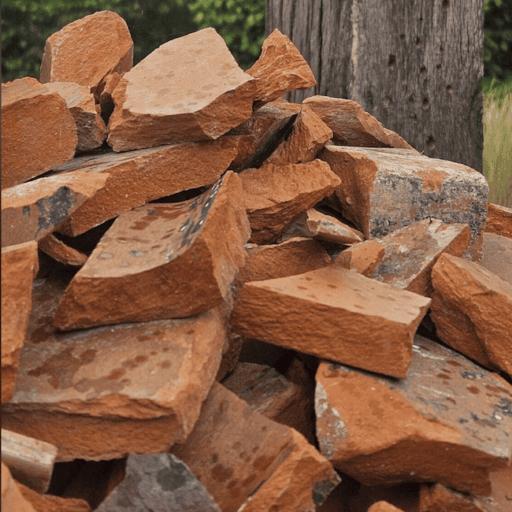
Using materials that otherwise would have gone to landfill is a key part of rubble gardens’ eco credentials, but it’s important this isn’t offset by how far the material has travelled. “Wherever possible, we should be avoiding buying in waste material,” stresses Fernandes. “It’s really great if you can utilise what you have on site.”
If you’re not currently in possession of building waste, you could also team up with someone else in the local area. “We’re constantly building, doing construction in our cities. Wherever possible, strive to keep things as local as possible,” he adds.
Image: Yeo Valley Organic
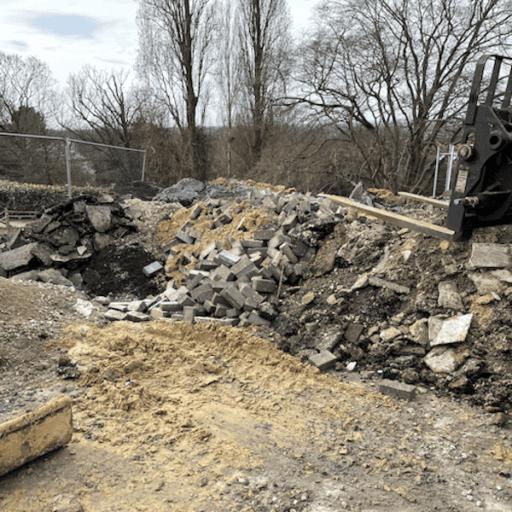
While you can just let nature take its course, shaping your raw materials can make a big difference to a garden’s success. Ideally, you’ll want rubble of a variety of different sizes. Fernandes recommends looking at local tool libraries for equipment that can make the job easier, but that “taking out your frustrations with a good mallet” is also an option.
Image: Errol Reuben Fernandes
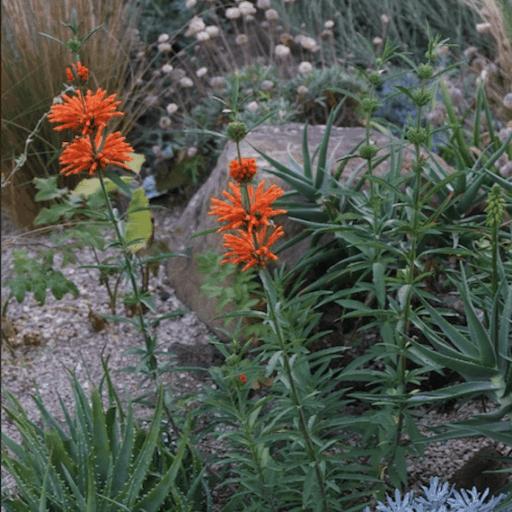
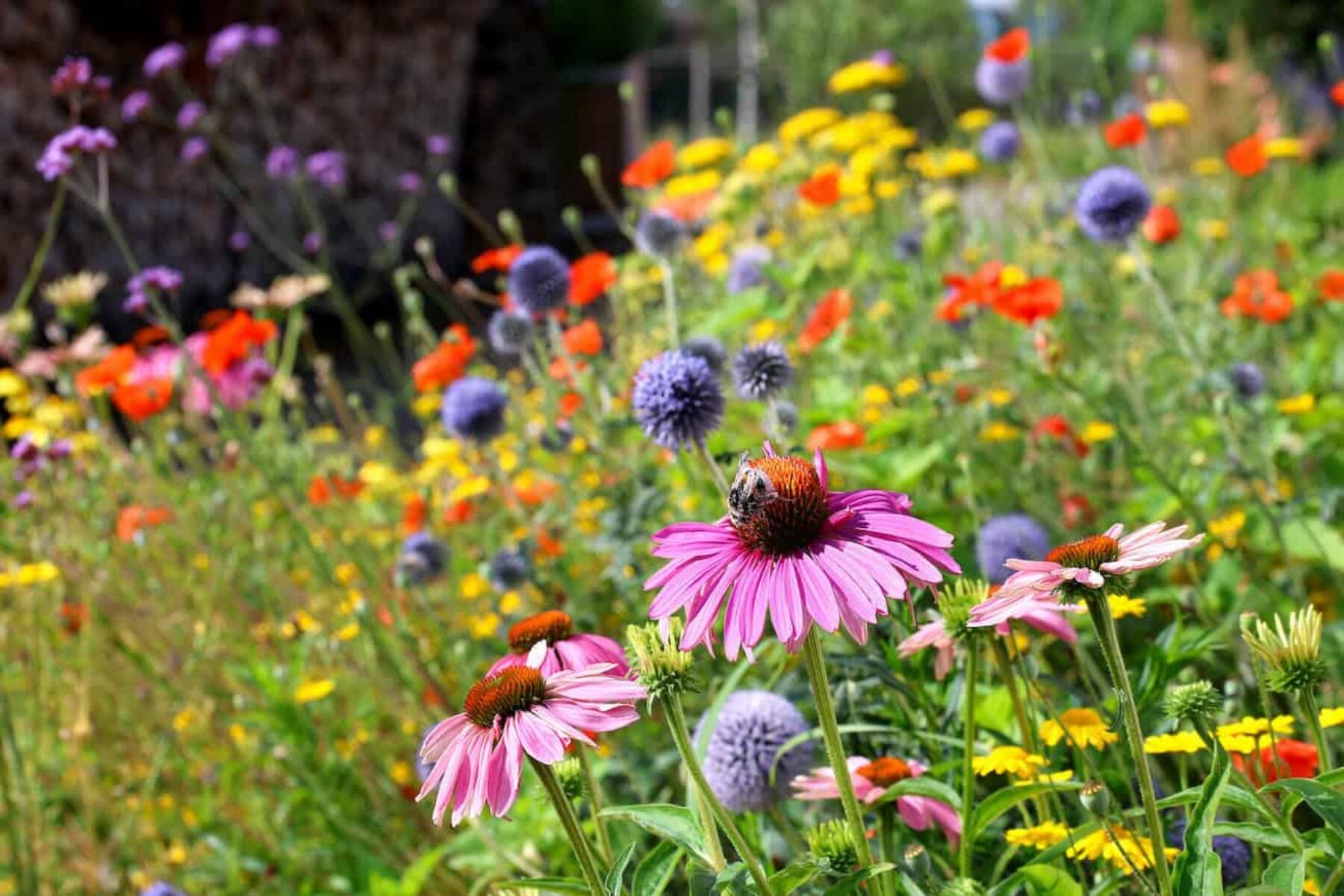
“It really is about plant selection,” stresses Fernandes, though he highlights that many common garden favourites can work well. The bold purple bulbs of Iris reticulata, for example, can offer colour in the early spring. And Echinaceas, also known as coneflowers, can actually perform better in rubble than soil. Other plants that have adapted to desert-like conditions include the Ethiopian Acanthus sennii, with its striking red flowers, the delicate and wiry Polygonum scoparium, or the wooly and carpeting lamb’s ear.
Image: Errol Reuben Fernandes
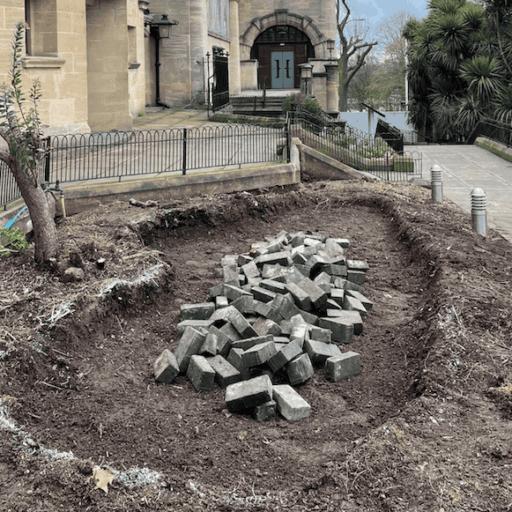
How you layer your waste materials is just as important as what you choose to plant in them. “We’ve mounded and heaped it,” explains Fernandes. “What that does is it creates a varied opportunity for growing a broad range of different species.” Crucially, you’ll want at least some of your rubble garden to be south-facing.
Then, create layers. Start with larger material at the bottom, getting finer and finer as you reach the surface. This allows you to build in drainage, and helps xerophytes survive wet British winters, something they’d struggle with in traditional soil.
Image: Errol Reuben Fernandes
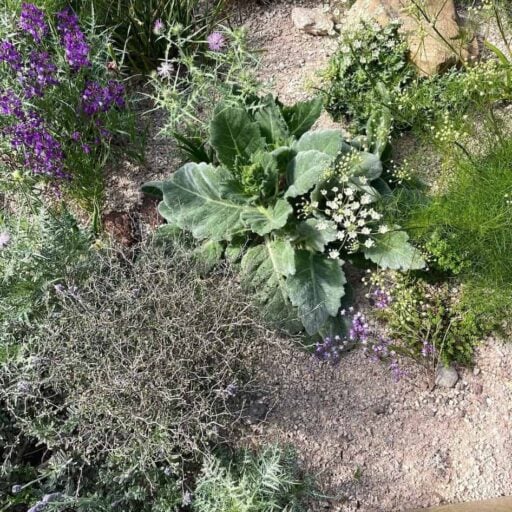
Finally, when it comes to planting, leave the compost at the garden centre. “It can feel sort of difficult, but you have to trust the process,” Fernandes explains. “Get rid of much of the soil that is in the pot; shake off the soil. And then you plant directly into aggregate.”
After an initial water, something he calls “puddling in”, it should take care of itself. He explains: “You fill the hole with water, you put the plant in, put some aggregate around, and then you’re watering in really, really well. But beyond that first year, you probably won’t need to water any more.”
Image: Errol Reuben Fernandes
Main image: Marina Lohrbach