Heath wins for El Salvador and Cambodia, a ‘major step forward for ocean protection’, and an elusive new species, plus more good news
This week’s good news roundup
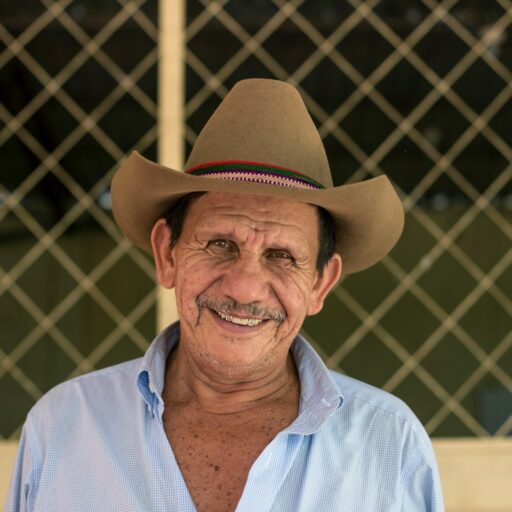
In a significant health win for the Central American nation, El Salvador has become the latest country to eliminate trachoma, the world’s leading cause of infectious blindness, as a public health problem.
Describing the development as a “remarkable achievement”, the World Health Organization (WHO) said it was a “testament to strong political commitment, strategic investment, and community engagement”.
Trachoma is spread via contaminated fingers or flies that have come into contact with the eyes of an infected person, and is often prevalent in poorer regions. Improvements to sanitation, as well as speedier diagnosis and antibiotic rollouts are seen as the best tools to tackle the disease.
According to the WHO, there’s been a 94% decrease in the number of people at risk of trachoma globally since 2002.
“El Salvador’s success is a vital step towards our global target of eliminating trachoma worldwide by 2030 and a clear signal that a healthier, more equitable future is within reach,” said the WHO’s director general Dr Tedros Adhanom Ghebreyesus.
Image: Daisy OBryan
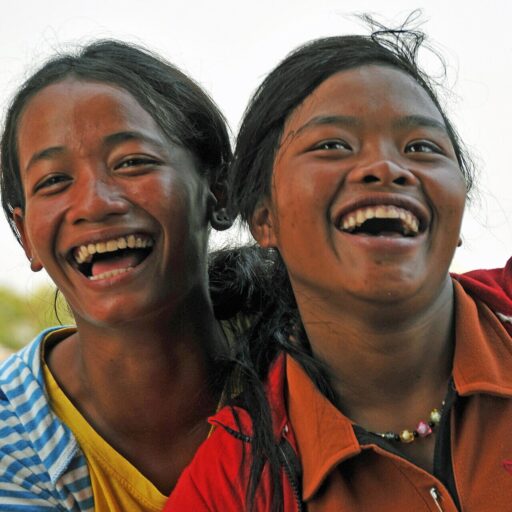
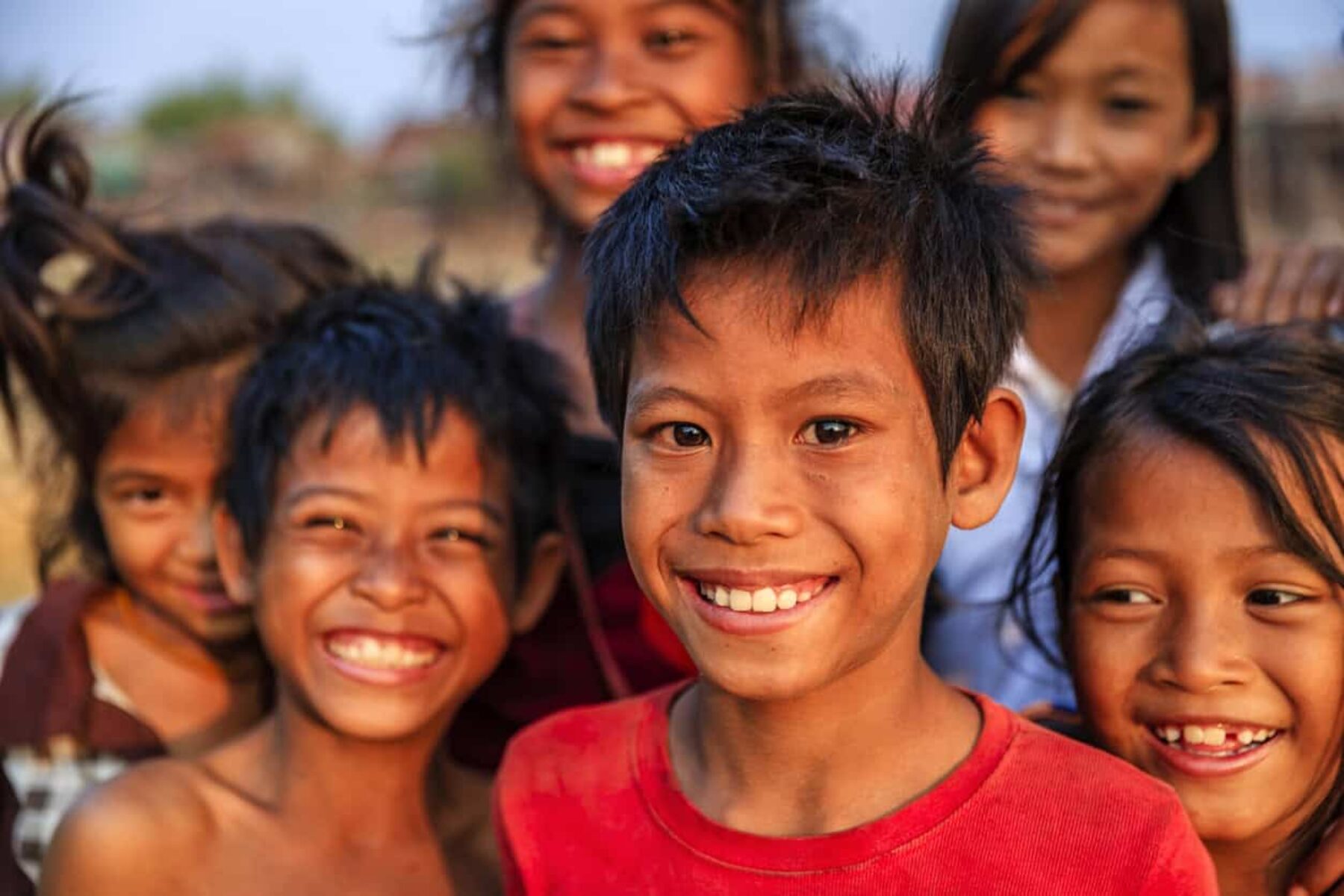
Cambodia has become the first country in Asia to achieve a set of global goals aimed at ending the HIV epidemic as a public health threat by 2030.
The 95–95–95 targets stipulate that 95% of people living with HIV should know their status, 95% of people with HIV-positive status are receiving antiretroviral treatment, and 95% of people on treatment have achieved viral suppression.
Cambodia has done just that, having been one of only seven countries globally to achieve the previous 90-90-90 targets in 2017, three years ahead of the deadline.
According to the United Nations, community-led services have been key to Cambodia’s success. Peer-led counselling, testing and prevention services have reached people most affected by HIV, it said, strengthening trust in services.
“This remarkable achievement is a historic milestone for Cambodia’s HIV response,” said the country’s minister for health Prof Chheang Ra. “Our mission remains to reach the last miles and to sustain the gain.”
Image: Dennis G. Jarvis
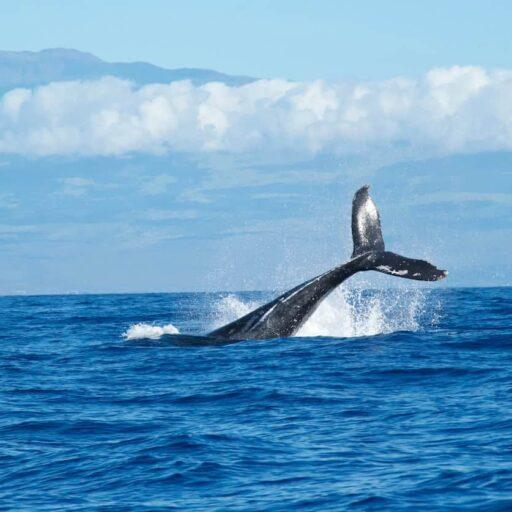
In a “major step forward for ocean protection”, the UK has become the latest nation to formally ratify a global treaty to protect the high seas.
Signed by 84 countries in 2023, the global ocean treaty – also known as the high seas treaty – gives governments a legal framework to protect waters that lie outside of their national boundaries. Currently only 1% of international waters are protected.
The treaty came into effect in January after more than 60 nations formally ratified it. However, the UK was a notable hold-out, with its government facing criticism for moving at a “glacial pace” – until last Friday, when it finally made good on its promise.
“The UK’s ratification of the high seas treaty, joining more than 90 countries that have now formally adopted the agreement, is a major step forward for ocean protection,” said Dr Judith Brown from the Blue Marine Foundation.
“It provides a once-in-a-generation opportunity to protect biodiversity across the two-thirds of the ocean beyond national borders, and we hope the UK will continue to lead by championing the strong protections needed to make that vision a reality.”
Image: Abigail Lynn
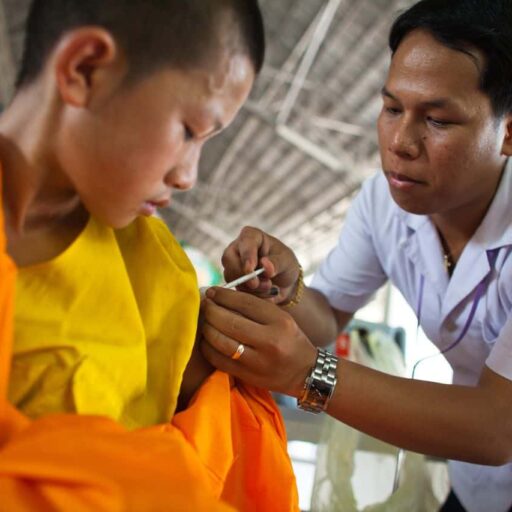
The number of children being immunised for diphtheria, tetanus and whooping cough is almost back to pre-Covid levels, the United Nations Children’s Fund (Unicef) has said.
Despite conflict and vaccine hesitancy, Unicef claimed that global childhood immunisation coverage is “inching forward”, providing vital protection against deadly diseases.
According to its latest analysis, 90% of infants globally – nearly 116 million children – received at least one dose of a diphtheria, tetanus and pertussis (whooping cough) vaccine in 2025, while 85% completed the full three-dose series. Still, some 13.5 million children received no doses, which is 750,000 fewer children than in 2024.
“Governments and health workers have helped global vaccination rates bounce back after dropping significantly during the Covid-19 pandemic,” said Catherine Russell, Unicef’s executive director.
“But millions of vulnerable children are still being left unprotected due to conflict, displacement, and poverty. We must reach every child, and we must rebuild trust where it is fraying. No child should suffer from a disease that a simple vaccine can prevent.”
Image: CDC


For the first time ever, solar power provided a quarter of the European Union’s (EU) electricity over an entire month, fresh analysis shows.
Solar was the bloc’s largest single source of power in June, ahead of nuclear (21%), gas (15%), wind (14%) and hydro (12%), as coal generated just 8%, according to data from the energy thinktank Ember.
It’s only the third month that solar has been the EU’s largest source of power, after June 2025 and May 2026.
“Solar’s rise has been truly stratospheric, beating prediction after prediction,” said Chris Rosslowe, senior energy analyst at Ember. “In just a few years solar has gone from a small player to an essential part of Europe’s power system, as governments and citizens look for low-cost, quick-to-install domestic power sources.”
Image: Juan Manuel Aparicio Diez

Teenagers who took part in a trial which restricted their social media access have reported improvements in sleep, concentration and wellbeing.
The trial, commissioned by the UK government, involved 309 households which were assigned to one of three interventions for a month: an outright social media ban, a 9pm to 7am social media curfew and 15-minute daily limit for social media.
Conducted before the UK’s under-16s social media ban was announced, the trial found that all groups reported improvements in sleep, mood, concentration, study time and family interaction. The group adhering to an outright ban reported the strongest gains but also the greatest social disruption.
The results chime with a separate study examining the impact of the Netherlands’ school smartphone ban. Some three-quarters of schools reported a boost in students’ concentration, while nearly two-thirds noted an improvement in the “social climate”.
Not everyone supports age restrictions on social media, however, least of all children. In Australia, many have circumvented the country’s recent ban for under-16s, which critics claim penalises children for tech company failures. Still, more nations are set to follow suit amid growing concern about the impact of endless scrolling and harmful content on kids.
Image: Vince Fleming

The new Hungarian government appears to be making good on its promise to overhaul the country’s public service media, which stood accused of pumping out propaganda and disinformation under the previous administration.
People tuning in to public service media in Hungary last week were greeted by a black screen and an apology: “Public media should not lie. We are sorry for doing it for so long. Public media will now be reformed so they will be independent and trustworthy. Our news service is currently suspended. Stay tuned.” Senior media figures have also been removed from their posts.
Many Hungarian journalists have cautiously welcomed the move, though it remains to be seen what structure and governance the new public service media will have.
The overhaul of Hungary’s public service media was one of new prime minister Peter Magyar’s key campaign promises in the run up to the election in April, which he won. Former hardline president Viktor Orban had aggressively captured Hungary’s state broadcasters, sacking journalists and filling regulatory bodies with pro-government figures. Propaganda and disinformation and propaganda were rife.
“That is now over,” said Magyar.
Image: Ervin Lukacs
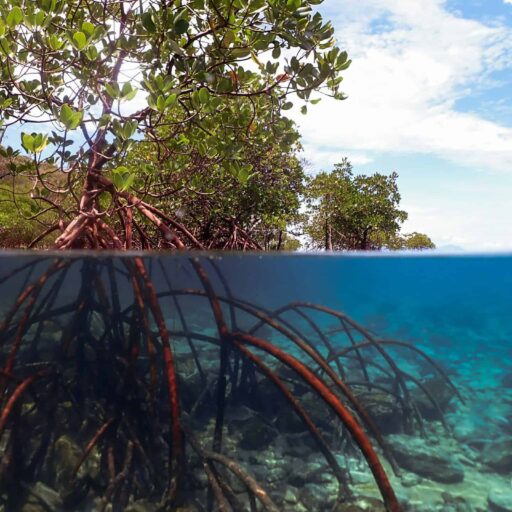
Restoring mangroves, seagrasses and other aquatic ecosystems will make countries more climate resilient, boost biodiversity and improve food security.
So argues a new UN report that provides countries with a roadmap for building sustainable ocean economies. It comes as pollution, climate change and biodiversity loss heap growing pressure on marine and freshwater ecosystems which support billions of people and a global ocean economy worth $2.2tn (£1.6tn).
The framework helps countries to develop sustainable pathways that reflect their individual circumstances, with nature-based solutions central to it.
“Many countries have ambitious blue economy strategies, but turning those ambitions into coordinated action remains a challenge,” said study co-author Dr Antaya March of the University of Portsmouth, England.
“This framework helps governments identify where change is needed and provides a structured way to align governance, investment and decision making, so environmental protection and economic development reinforce one another.”
Some countries are already taking steps forward, as highlighted by recent research revealing that the world’s mangrove forests have staged a remarkable recovery.
Image: Kristin Hoel
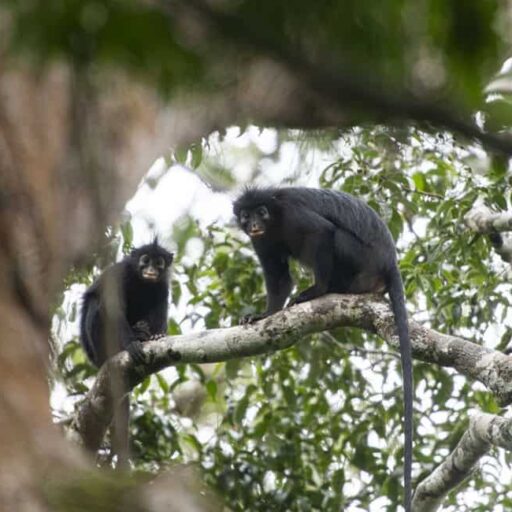
An elusive species of monkey that has evaded science for centuries has been found in the remote rainforests of the Democratic Republic of Congo.
The monkey, which is black with distinctive orange face patches, is only the fifth new primate species identified in Africa in the last 75 years. It was discovered in Lomami National Park, where conservationists first reported seeing the animal back in 2008, but did not get sufficient evidence, sparking further missions to track it down.
Such efforts have now borne fruit with new genetic, photographic and acoustic analyses confirming the monkey is new to science.
“This discovery is both exciting and deeply personal, highlighting the extraordinary biodiversity of my homeland and how much remains undocumented,” said Junior Amboko, a PhD student at Florida Atlantic University, US, who helped lead the research.
“I was honoured to name the species ‘Colobus congoensis,’ recognising the Congo Basin’s remarkable natural heritage and, we believe, marking the first primate named after the Democratic Republic of Congo itself – underscoring both its global importance and local pride.”
Image: Daniel Rosengren/Frankfurt Zoological Society

Bristol has been declared England’s first ‘city of harm reduction’, with councillors pledging to focus on helping users of illegal drugs rather than punishing them.
The motion was put forward by councillor Cara Lavan, who lost her partner, Jake Coe, to a drug overdose. It was supported by the Greens, Labour and the Liberal Democrats, but rejected by the Conservatives.
Amid high drug deaths in England and Wales, Bristol’s Green-run council is calling for the introduction of safe injecting rooms in the city. The UK’s first drug consumption facility opened in Glasgow last year, providing users with a safe space to consume drugs with medics on hand to combat overdoses. The facility also offers support services for users and is credited with saving lives.
Advocates of injecting rooms point to evidence from similar sites elsewhere, including in Switzerland and Canada, which have reduced overdoses and helped users access support. But critics fear supervised injection sites encourage drug use and introduce crime to surrounding communities.
“Passing this motion sends a clear message to the national government that when it comes to drug policy, Bristol wants a more compassionate, evidence-led approach,” said Said Lavan.
Image: Jonny Gios
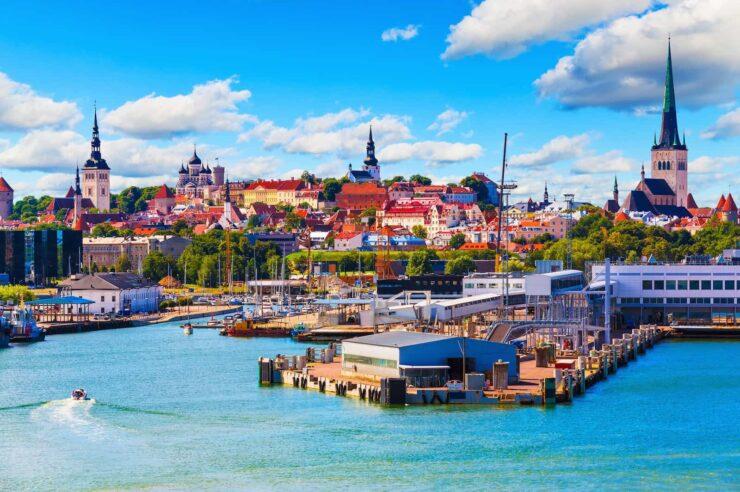
Main image: hadynyah
Get your weekly fix of good news delivered to your inbox every Saturday, by signing up to the Positive News email newsletter
Be part of the solution
At Positive News, we’re not chasing clicks or profits for media moguls – we’re here to serve you and have a positive social impact. We can’t do this unless enough people like you choose to support our journalism.
Give once from just £1, or join 1,800+ others who contribute an average of £3 or more per month. Together, we can build a healthier form of media – one that focuses on solutions, progress and possibilities, and empowers people to create positive change.