In a landmark move, the UK government has joined Australia in outlawing social media for under-16s. Will it work?
“Children will be given back their childhoods,” said the UK government on Monday, as it announced a social media ban for under-16s – a landmark policy backed by 90% of parents, according to a recent public consultation.
Amid growing concern that childhood is being hijacked by algorithms and that social media is exposing children to harmful content, the UK government said it was “marking a line in the sand and setting a new normal for future generations”.
The ban, due to come into force next spring, will include platforms like Snapchat, TikTok, YouTube, Instagram, Facebook and X, but excludes messaging services such as WhatsApp and Signal.
It comes after a report by the Academy of Medical Royal Colleges which warned that children were being “continuously exposed to hateful, addictive and grossly distressing content” online. The academy said concern over social media and smartphone use now ranked alongside smoking and not wearing seatbelts as a unifying issue for the medical profession.
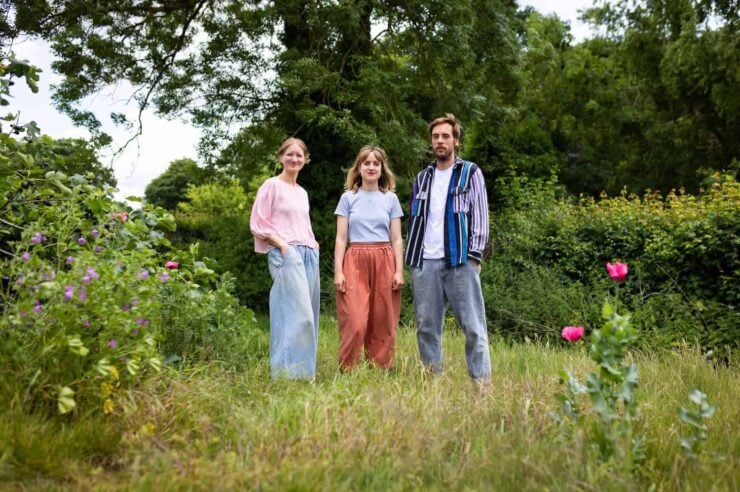
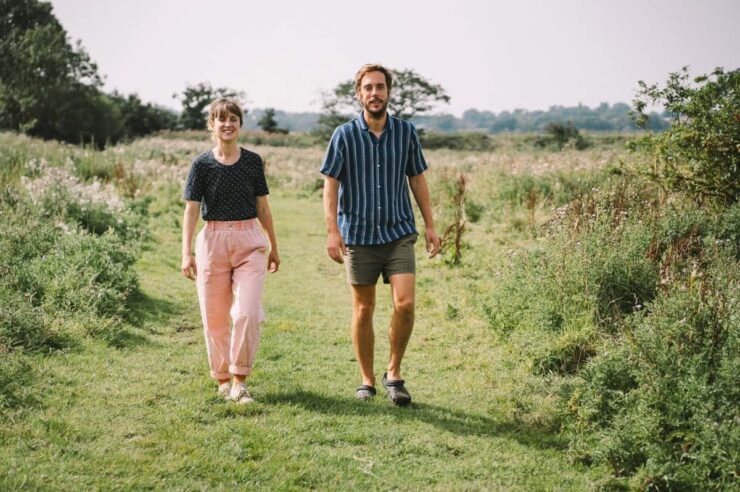
The UK government’s announcement was welcomed by the Smartphone Free Childhood Movement, which was co-founded by former Positive News editor Daisy Greenwell and her husband Joe Ryrie.
“For years, parents have been fighting a losing battle against some of the most powerful companies in the world as smartphones and social media have become an ever bigger part of childhood. Today feels like a turning point,” said Ryrie.
This moment belongs to the hundreds of thousands of parents who refused to stay quiet over the past two years
“This social media ban won’t solve every problem overnight, but it is a major step forward because millions of children will now get a few more years to grow up before entering online environments that were never designed with their wellbeing in mind.
“This moment belongs to the hundreds of thousands of parents who refused to stay quiet over the past two years. Together they’ve proved that ordinary people really can shape public policy – and that childhood doesn’t have to be defined by the commercial interests of a few technology companies in Silicon Valley.”
The UK joins Australia, which became the first country to ban under-16s from social media last December. While many parents have been supportive of the ban, some tech-savvy teens have found ways to get around it.
Not everyone is convinced by such bans. Chris Sherwood of the UK’s National Society for the Prevention of Cruelty to Children, said they “punish teenagers for tech platforms’ failures”. And critics argue that age bans could push children into less regulated online spaces, while doing too little to address the addictive design of the platforms themselves.
This social media ban won’t solve every problem overnight, but it is a major step forward
Nevertheless, momentum is building, with Denmark and New Zealand among the countries considering similar legislation. Meanwhile, In France, lawmakers have approved a bill that would ban under-15s from social media.
“The emotions of our children and teenagers are not for sale or to be manipulated, either by American platforms or Chinese algorithms,” said French president, Emmanuel Macron.
The UK ban comes amid a wider reckoning for social media platforms, which faced what some called a “big tobacco moment” in March, when a Los Angeles jury found Meta and YouTube liable for designing addictive products that harmed a young user.
UK technology secretary Liz Kendall said: “Tech companies have had countless opportunities to keep children safe, yet they have failed to act. That is why we are taking power away from the tech giants and putting it back in parents’ hands.”
Main image: Shutterstock / PeopleImages
Be part of the solution
At Positive News, we’re not chasing clicks or profits for media moguls – we’re here to serve you and have a positive social impact. We can’t do this unless enough people like you choose to support our journalism.
Give once from just £1, or join 1,800+ others who contribute an average of £3 or more per month. Together, we can build a healthier form of media – one that focuses on solutions, progress and possibilities, and empowers people to create positive change.