A social experiment is giving away half a million dollars to fund acts of kindness globally – it’s already having a positive impact
Most of us, we would like to think, would help out a relative, a friend and perhaps even a stranger in need. Maybe giving directions or lending a few quid. But how many of us would donate one of our organs to someone we will never meet?
That is exactly what Tom Cledwyn did in 2012. Since then, his life has been shaped by acts of generosity towards strangers, culminating in Drop Dead Generous, a social experiment giving 1,000 people $500 (£378) each to spend on helping others in creative ways. Backed by an anonymous philanthropist, the project is part grant scheme, part provocation: what happens if you trust people to be generous?
Cledwyn donated his kidney at 25, after reading about Kay Mason, the first person in the UK to give a kidney to a stranger.
“I read the article and didn’t think about it. It just felt like a very profound opportunity,” he says. After a year of medical and psychological assessments, he went through with it.
“The feeling I had when I woke up from that operation is something I want other people to experience.” Cledwyn is not the zealot you might expect. Thoughtful and measured, he says the act was a privilege.
“It was an honour to be able to do it. And the same applies to all forms of giving. It doesn’t have to be a kidney. It can be a smile, some time, or being there when someone is struggling,” he says. “The experience of giving is the closest thing I’ve experienced to something that really matters.
“I knew I’d get minimal feedback and would never meet the recipient. That felt important too, doing something without seeing the outcome.”
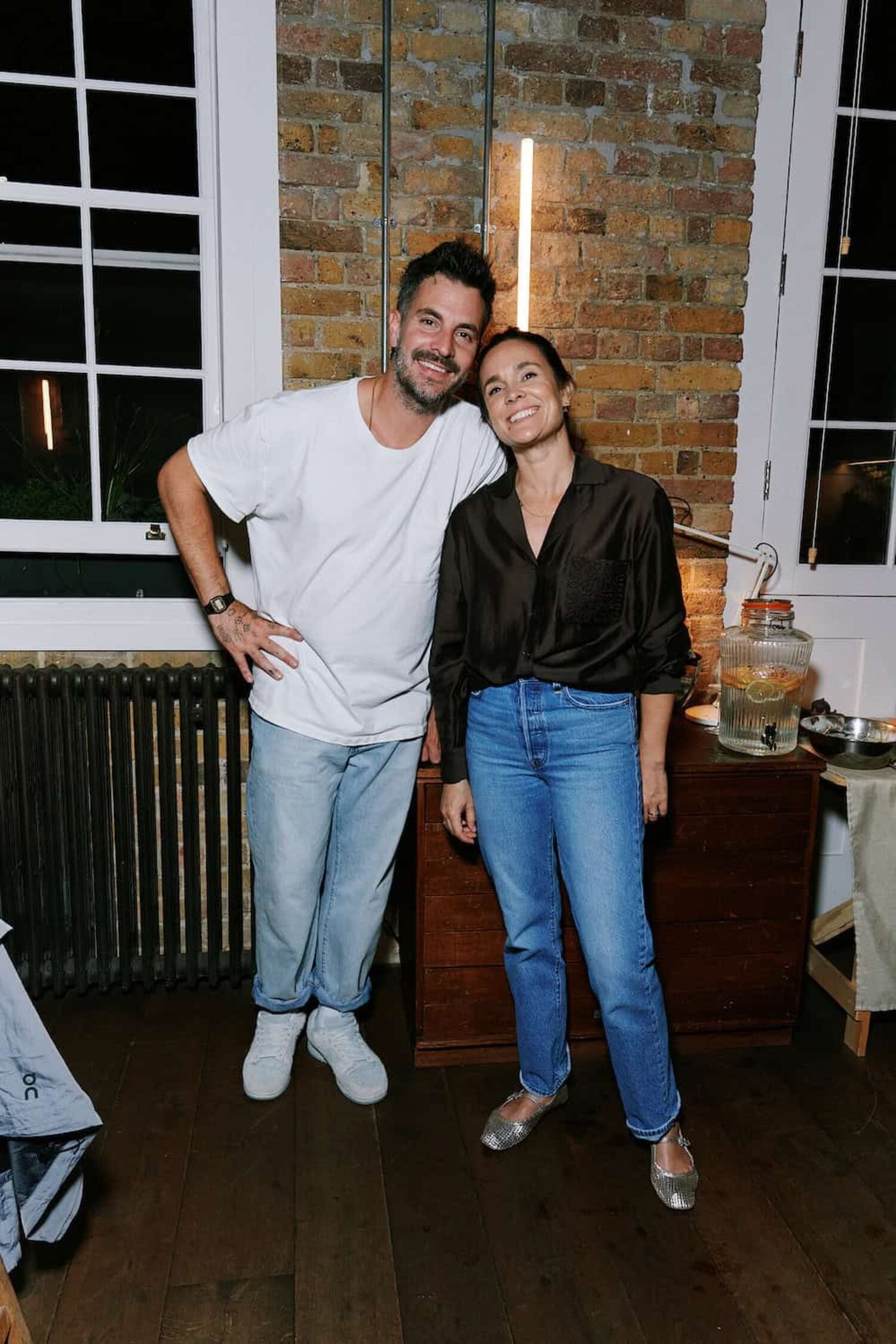
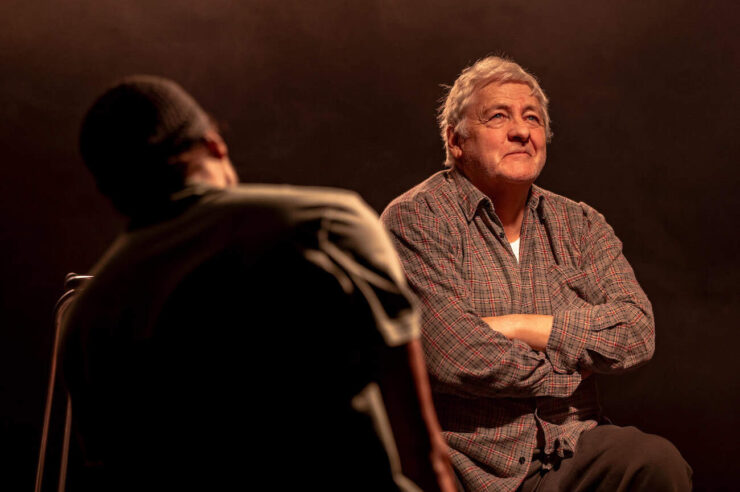
After donating his kidney aged 25, Tom Cledwyn's life has been shaped by acts of generosity towards strangers. Pictured here with his wife Claudia. Image: Carys Huws
After the operation, he set up a blog called The Free Help Guy, trawling Gumtree and offering anonymous help to people who needed it, whether that meant moving house or fixing things around the home. Demand grew quickly, until the money ran out.
A stint at Meta followed, where he rose to become a senior executive, but after seven years he left, pulled back towards the idea that generosity could be scaled.
Together with co-founder John Sweeney, he launched Drop Dead Generous, with a $500,000 (£378,000) fund. At the time of writing, 266 grants have been awarded across 21 countries.
Applicants are asked two simple questions: who needs help, and what would you do with $500 to “blow their socks off”?
The experience of giving is the closest thing I’ve experienced to something that really matters
“We ask what’s the hook, the originality, the heart. You can’t just give the money away, it has to facilitate an idea. And it can’t be too similar to something we’ve already funded,” says Cledwyn.
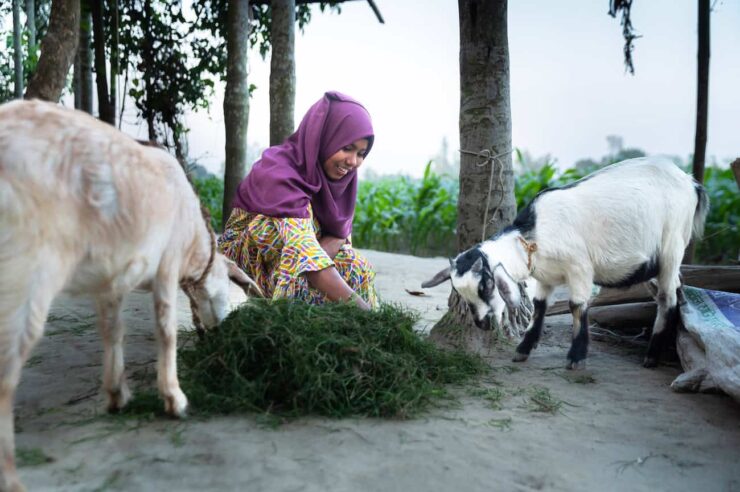
The $500 fund is a fixed amount but what it can do varies not just on the project but the location too. “Someone in London gave out 80 flowers and someone in Uganda built a house,” he says.
In Brazil, one grant is helping to start a book club in a prison, where inmates can reduce their sentences by reading and writing about literature. Elsewhere in the country, two young chess players from a favela were able to enter national competitions and secure coaching, going on to win and attract wider support.
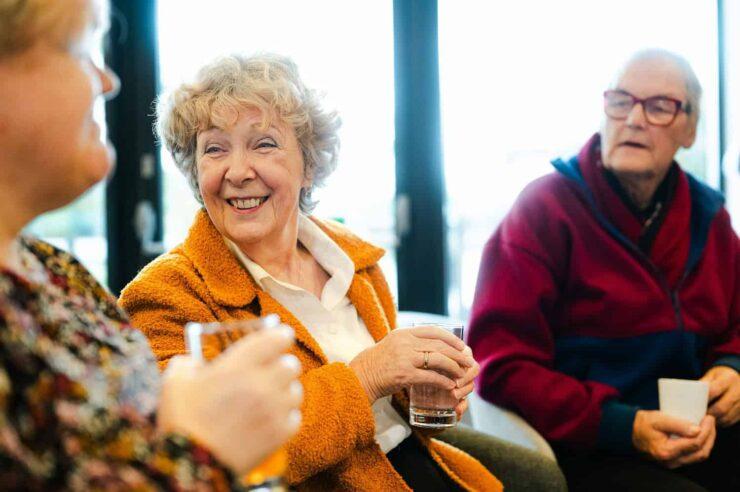
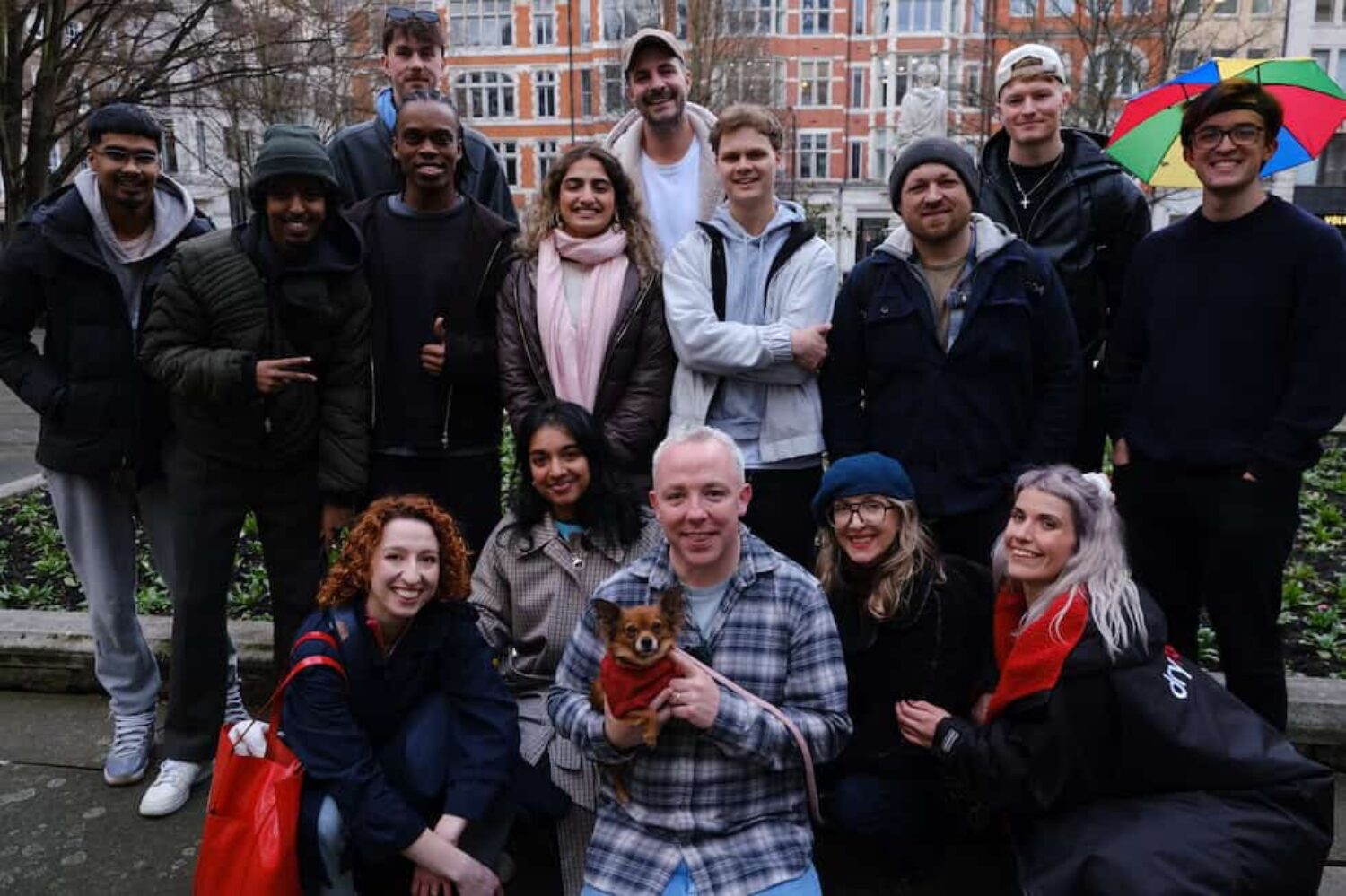
In Uganda, a communal dance floor now sits at the centre of a community, offering young people a space for creativity over conflict. In the UK, one project is giving an as yet undiscovered busker the chance to record a professional demo, while another brought a Shetland pony into a care home, coaxing residents out of their rooms.
Kendall Concini and her young family were one of the recipients who wanted to thank local librarians in her home town of Baltimore, US.
“We wanted to give back the same happiness they exude when you walk in and the best way I could think of was walking in with a fun surprise to give back,” says Concini. It started as an idea from her four-year-old, to bring librarians breakfast doughnuts but that was just the beginning.
“I wanted them to really feel the love, so we created an entire breakfast arrangement, collected love letters from friends, families and strangers online, and created giveaway gifts for librarians to pass on to patrons, keeping the acts of kindness going.”
You can’t just give the money away, it has to facilitate an idea
Concini’s initial concept has continued and now packages have been delivered to 12 libraries in the area, funded from profits from a children’s book she has written and from public donations.
“Seeing librarians go grab their colleagues with excitement, and hearing ‘I needed a pick me up this morning’, was an amazing feeling. The exact feeling actually that I had intended to give. ‘We care about you. Your community notices you’.”
For Cledwyn, that ripple effect is the real measure of success.
The philosopher Jacques Derrida argued that a pure gift cannot exist, because even the act of giving carries an expectation of return, whether that is gratitude or simply the feeling it gives the person who gives.
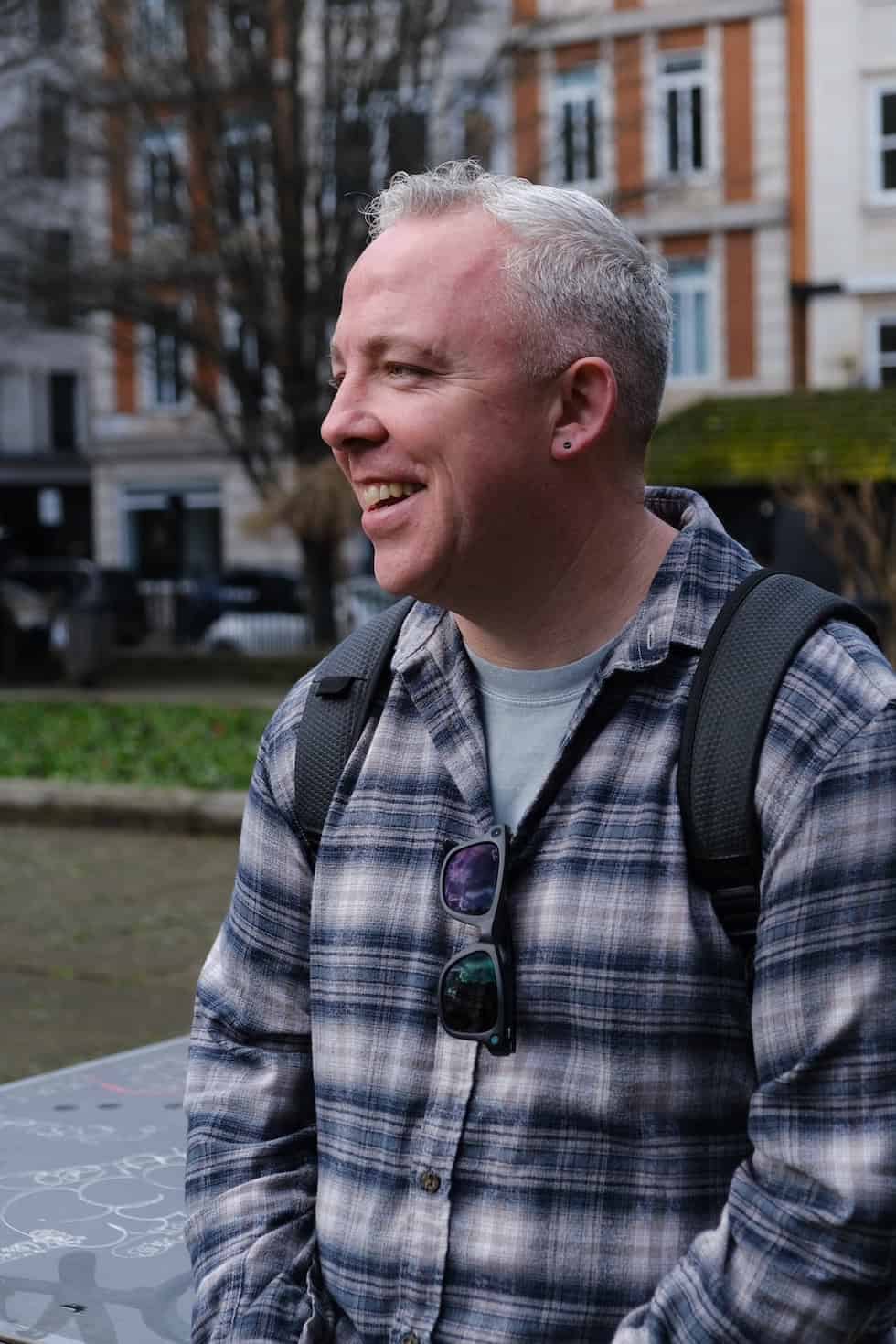
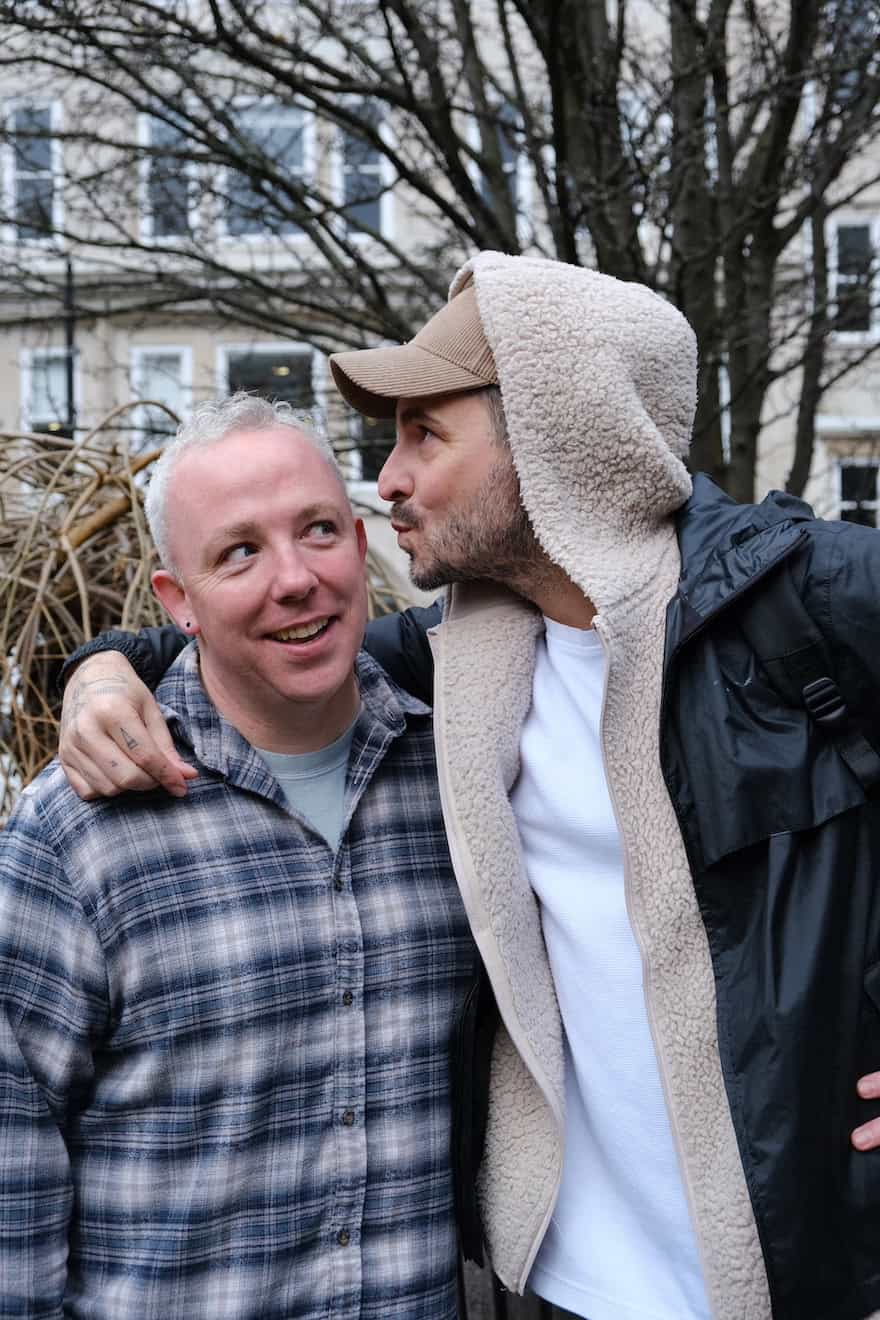
'At a time when the opposite of generosity often feels normalised, even in how leaders communicate, it feels more important than ever to frame generosity as a superpower, not just a nice thing,' says Cledwyn. Image: Meera Kumar
Cledwyn does not dismiss the idea. “There’s always a mixed set of motivations, and that’s fine. The danger is ignoring intrinsic motivation, because that’s what makes you do it again,” he says. “It becomes problematic only if you expect something back, rather than accept it if it comes.
“If I had donated my kidney expecting to feel something in return, that would have felt wrong. But waking up and feeling pride and meaning is something I’m happy to accept.”
The timing feels pointed. In a climate where division often dominates, generosity can feel either naive or performative. “At a time when the opposite of generosity often feels normalised, even in how leaders communicate, it feels more important than ever to frame generosity as a superpower, not just a nice thing,” says Cledwyn.
The project is now experimenting with handing decision-making to earlier recipients, allowing them to fund others in their own communities. If it works, generosity stops being a centralised act and becomes something more distributed, less controlled.
For now, the invitation is simple. “Hop on the website and submit an idea,” he says. “Think imaginatively.”
https://www.dropdeadgenerous.org/
Main image: Carys Huws
Be part of the solution
At Positive News, we’re not chasing clicks or profits for media moguls – we’re here to serve you and have a positive social impact. We can’t do this unless enough people like you choose to support our journalism.
Give once from just £1, or join 1,800+ others who contribute an average of £3 or more per month. Together, we can build a healthier form of media – one that focuses on solutions, progress and possibilities, and empowers people to create positive change.