Child marriage is a persistent challenge in Bangladesh, but a project to tackle the practice has shown promise
An initiative that empowered girls in rural Bangladesh to tackle child marriage has shown encouraging results in a country where the practice is stubbornly persistent.
Child marriage is illegal in the south Asian nation, but it is still widely accepted as a cultural norm and the law is poorly enforced. Consequently, according to the United Nations Children’s Fund (UNICEF), 51% of young Bangladeshi women aged 20–24 were married before the age of 18. Bangladesh, it adds, has around 38 million child brides, with 13 million wed before turning 13.
The systemic problem is more prevalent in deprived and climate-vulnerable communities, where girls are seen as a burden and are ‘married off’ by their families to save money. Experts say that poverty remains the primary driver, compounded by climate shocks in vulnerable regions, where some areas have reported sharp increases in child marriage following environmental disasters.
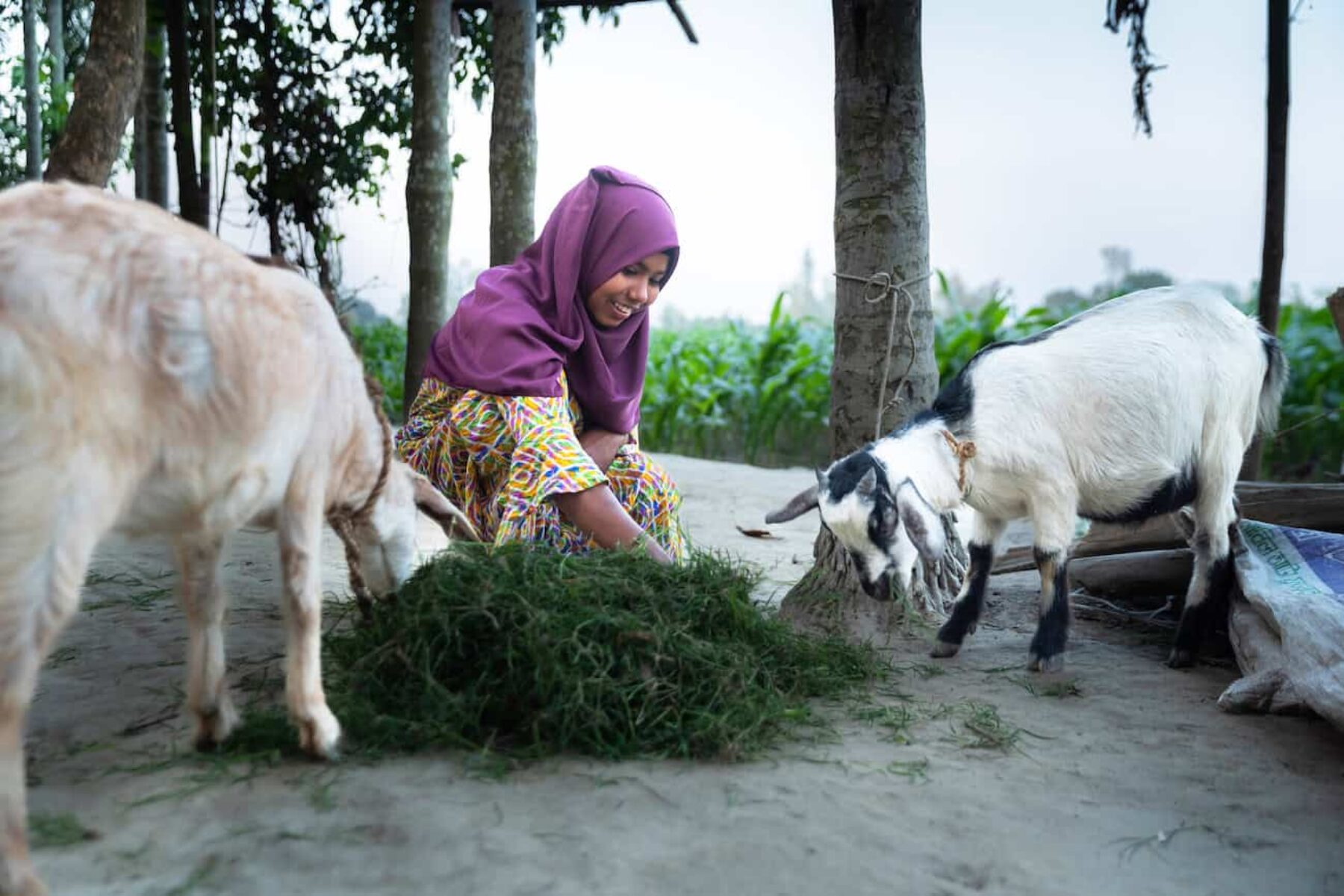
Action Aid, an international charity working with women and girls in poverty, met the problem head-on in the remote Kurigram district. Through a 12-month pilot, it provided financial support to families, including scholarships to keep girls in education, assistance with school fees and lump sums to help them develop new income streams, including money to purchase livestock.
The charity also helped to establish a network of youth clubs totalling 120 members, creating a safe space for girls to discuss challenges, share experiences and actively stop child marriages from going ahead.
According to Action Aid, the initiate prevented at least 18 child marriages, provided scholarships for 40 at-risk students, and generated new incomes for 30 vulnerable families.
Some areas have reported sharp increases in child marriage following environmental disasters
Romana, vice president of one of the clubs, managed to avert her own early marriage and that of a close friend.
“We all came together and intervened,” she said. “We explained the harmful consequences of child marriage, emphasised the importance of education and informed her father about the legal implications. We also involved her school teachers to help reinforce the message and successfully stopped the marriage.”
Abdullah Al Mamun, who heads up Action Aid Bangladesh’s child sponsorship and child rights programme, said the charity hoped to roll out the initiative elsewhere, and said that it’s success should act as a clarion call to local authorities to improve enforcement.
Main image: Action Aid