Cities slashed air pollution, the renewables race accelerated, and Uganda chalked up a conservation win, plus more good news
This week’s good news roundup
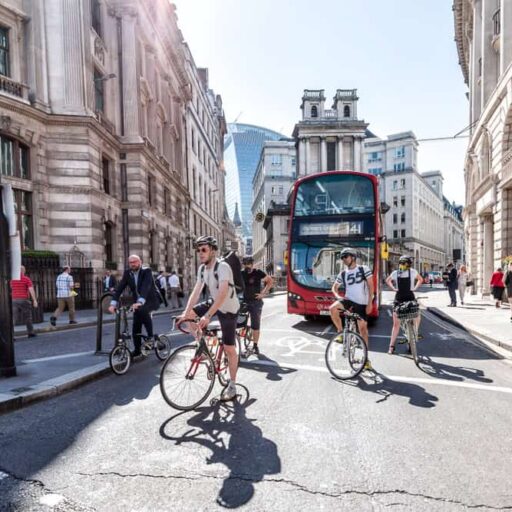
Air quality has improved dramatically in some of the world’s biggest cities, a report has found, with Beijing (main picture), London and Paris among those leading the way.
The research, conducted by campaign group Breathe Cities, identified 19 metropolises that have slashed air pollution by between 20% and 40% in just 15 years. Nearly half were in Asia, where improvements came despite rapid economic development. Nine were in China.
An embrace of cycling, the introduction of clean air zones and a switch to electric vehicles were among the leading drivers of air quality improvements, the report found. However, there’s much work to be done. Separate research shows that only 14% of cities globally met the World Health Organization’s pollution guidelines in 2025.
Air pollution is the world’s leading environmental health risk, driving respiratory and cardiovascular disease, asthma, and premature births, with lower-income communities most affected. However, it doesn’t have to be this way.
“The pathway to cleaner air has been tested at scale – now it’s about enabling more cities to follow it,” said Cecilia Vaca Jones, Breathe Cities’ executive director.
The cities identified in the report are: Brussels (Belgium); Beijing, Chengdu, Hangzhou, Hong Kong, Nanjing, Qingdao, Shenzhen, Wuhan and Zhenjiang (China); Paris (France); Berlin and Heidelberg (Germany); Rome (Italy); Amsterdam and Rotterdam (Netherlands); Warsaw (Poland); London (England); and San Francisco (US).
Related: 10 ways that future urban living will be greener
Image: Kristi Blokhin

Paris has done it, Cardiff too, now London is looking to put the brakes on SUVs by charging owners more to use them in the capital.
The number of SUVs on London’s roads has increased tenfold in two decades – from around 80,000 in 2002 to 800,000 in 2023 – according to campaign group Clean Cities. The number of US-style pickup trucks, it added, has more than doubled in a decade.
As well as pumping out more emissions, research shows that SUVs are 77% more likely to kill a child than a regular car. It prompted Paris and Cardiff to rein in ‘auto-obesity’ by hiking up parking fees for SUVs. Now, London mayor Sir Sadiq Khan is considering doing the same.
The proposal is part of the mayor’s Vision Zero plan to eradicate death and serious injury on London’s roads by 2041. The opposition Conservative party branded the idea “ridiculous”, while motoring groups said it would penalise people who need larger vehicles. However, road safety campaigners welcomed the move.
London’s SUVs have created “parking mayhem and dangerous roads”, said Oliver Lord of Clean Cities. “City leaders must act to discourage these menacing vehicles from our streets”.
Image: CrowN
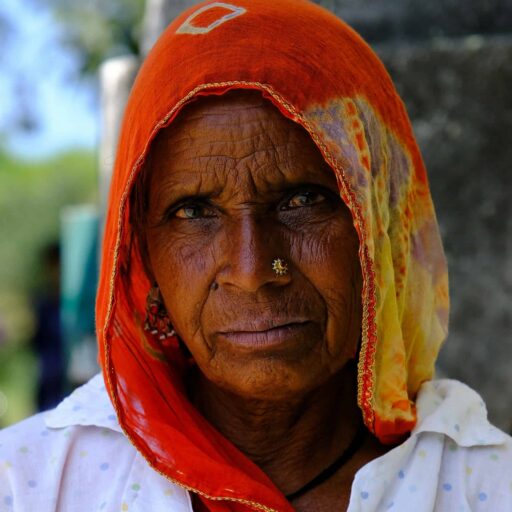
Governments have reached a global agreement to strengthen justice for women and girls amid research showing that the incarceration rate for women is rising faster than it is for men.
At a UN summit dedicated to gender equality, nations committed this week to addressing the main drivers of female incarceration, including poverty, violence against women and discriminatory laws, notably those related to child marriage and property rights.
While women only account for between 2% and 9% of national prison populations, data shows that the female prison population has grown by 57% since 2000, compared with a 22% increase for men.
The agreement reached at the 70th Session of the Commission on the Status of Women (CSW70) in New York provides “a roadmap to build more inclusive governance, support peace and social cohesion, and prevent future violations”, said the UN.
Sima Bahous, executive director of UN Women, said that it represents “an important commitment to advancing access to justice for women and girls, ending impunity, and building justice systems that work for everyone, equally”.
However, words are the easy bit. Highlighting the challenges ahead, a UN report revealed that no country has achieved full legal equality between women and men.
Image: Christer Gundersen
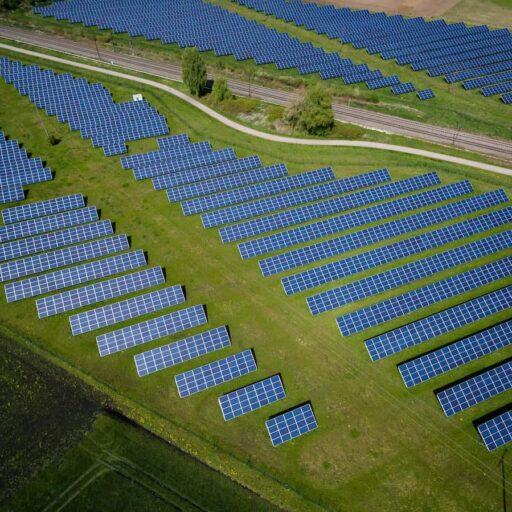
Soaring oil and gas prices as a result of the war in the Middle East have added fresh momentum to the renewable energy transition.
South Korea’s president Lee Jae Myung said this week that the crisis offered an “opportunity to swiftly and extensively transition to renewable energy”, local media reports.
Teresa Ribera, the executive vice-president of the European Commission, agreed. “The real risk is not moving too fast on clean energy, but too slowly,” she said. “The clean transition is Europe’s shield against volatility.”
Meanwhile, economic ministers from south-east Asian nations pledged to accelerate the transition towards renewables to “strengthen regional energy security and resilience”, the Financial Times reports. And Kenya’s foreign minister Musalia Mudavadi asked: “If Africa were powered by clean energy… would the Middle East crisis carry the same distressing impact?”
Offering an answer was UN secretary-general António Guterres. “The resources of the clean-energy era cannot be blockaded or weaponised,” he said. “There are no price spikes for sunlight and no embargoes on the wind. The fastest path to energy security, economic security and national security is clear: speed up a just transition away from fossil fuels and toward renewable energy.”
Related: Amid energy market turmoil, people are taking power into their own hands
Image: Andreas Gucklhorn
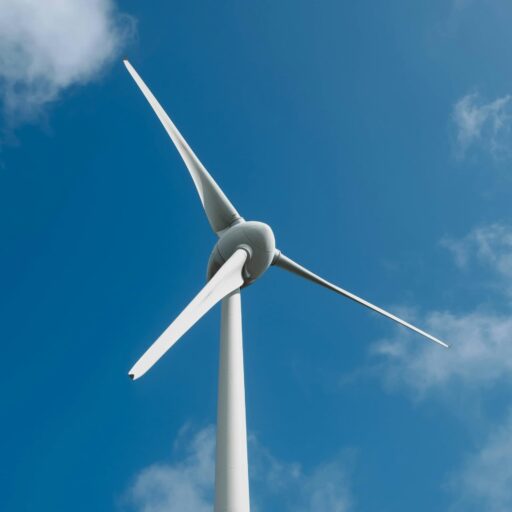
A massive windfarm off the coast of Massachusetts started providing clean energy to US homes this week following a failed attempt by the Trump administration to halt its construction.
Vineyard Wind was the first windfarm to be completed during Donald Trump’s time in office. As previously reported by Positive News, it was one of five offshore wind projects that the Trump administration halted for spurious “national security” reasons. Developers and states sued, and federal judges allowed all five to resume construction.
“[These projects will] allow families across the coast to receive clean energy that doesn’t poison the air or jack up their already sky-high energy bills,” said Nancy Pyne, senior advisor on offshore wind for the Sierra Club, an environmental organisation.
Image: Seth

AI-powered smart glasses that can identify everyday objects and guide people with dementia through daily activities have been hailed as “revolutionary”.
The glasses, developed by London-based social enterprise CrossSense Ltd, scooped a prize this week that will help the devices reach more people. The Longitude Prize on Dementia awarded £1m to the innovation, which proponents say will support people with dementia to live safely in their homes for longer.
The glasses are able to learn a person’s way of doing things, provide prompts and talk through what to do when a person cannot remember a step in a process.
“The impact the technology has already had on people living with dementia is worth more than any prize,” said Dame Wendy Hall, chair of the Longitude Committee.
Prof Fiona Carragher of the Alzheimer’s Society said: “This revolutionary tech will allow people with dementia to maintain their independence for longer within the familiar environment of home.”
Image: CrossSense
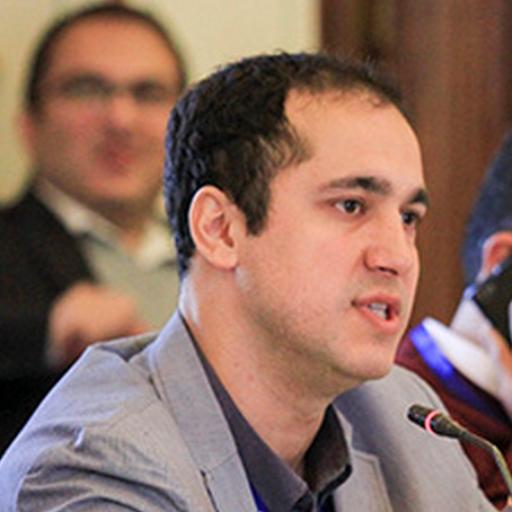
An exiled Iranian scientist whose work put him in the crosshairs of Iran’s Revolutionary Guards was awarded a global prize for water management on Wednesday.
Prof Kaveh Madani, winner of the Stockholm Water Prize, was recognised by judges for combining “groundbreaking research on water management with policy, diplomacy and global outreach, often under personal risk and political complexity”.
Madani’s research was framed as terrorism by Iran’s Revolutionary Guards, which arrested him multiple times.
“They called me a ‘water terrorist’,” he told the Guardian. “I don’t know if my compatriots [in Iran] will be celebrating [the award] with me,” he added. “The people who supported me and didn’t give up on me – I don’t even know if they will hear about this because they’re disconnected at the moment.”
Commending his work, Anette Scheibe Lorentzi, chair of the Stockholm Water Foundation, said: “Professor Madani has significantly advanced our understanding of complex water challenges. At a time of growing climate pressures, this knowledge is more important than ever.”
Living in exile in the US, Prof Madani leads the United Nations University Institute for Water, Environment and Health.
Image: sepsepfar

In a move commended by the creative industries, the UK government has backtracked on plans to let AI firms use copyright-protected work without artists’ permission.
Equity, the actors’ union, said the decision was “recognition that selling out the UK’s creative industries to benefit US tech companies would have been an act of national self-sabotage”.
The creative industries have been at loggerheads with the UK government since 2024, when it launched a consultation on copyright and AI. At the time, the government’s preferred option was to let AI developers train on copyright works, and give rightsholders the ability to opt-out.
This was met with anger by artists, including Elton John, who branded politicians “losers” over the plans. The public appeared to agree with research showing overwhelming support for artists.
The Society of Authors said the government’s U-turn was a “a welcome step in the right direction”, but not the end of the campaign. “There are still huge levels of uncertainty that threaten livelihoods when authors’ copyright-protected work continues to be used without permission,” it added.
Image: Jonathan Borba
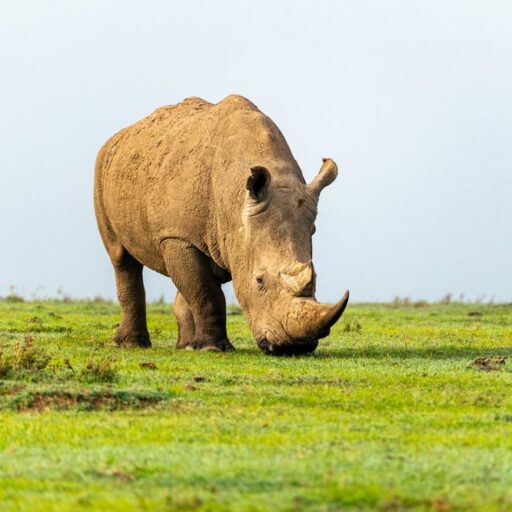
For the first time in more than 40 years, rhinos are roaming Uganda’s Kidepo Valley national park again thanks to a conservation effort that will help restore the wider ecosystem.
Two southern white rhinos were reintroduced to the park this week having been poached to oblivion there four decades ago. More are set to follow.
“Kidepo Valley National Park is one of Uganda’s most intact savannah ecosystems,” said John Makombo of the Uganda Wildlife Authority. “The reintroduction of southern white rhinos restores a key component of that ecosystem.”
Image: Eli Wilson

A footpath stretching around the entire coast of England opened this week, boosting access to nature in a nation where just 8% of the countryside is accessible to the public.
Clocking in at 2,700 miles, the King Charles III England Coast Path hugs the coastline as it joins the dots between beaches, seaside towns and national parks. Almost two decades in the making, its opening is a victory for land access campaigners, among them The Ramblers walking charity, which long lobbied for the path.
“The Ramblers have campaigned for many years to make this vision a reality, so today is something we’re incredibly proud to celebrate,” said Ross Maloney, the charity’s CEO. “[The path] gives us the freedom to experience the coast more easily — whether for adventure, wellbeing or simply for the joy of being outdoors.
“This is a tremendous achievement for the nation –and a moment to recognise the power of access to nature.”
Image: The Ramblers
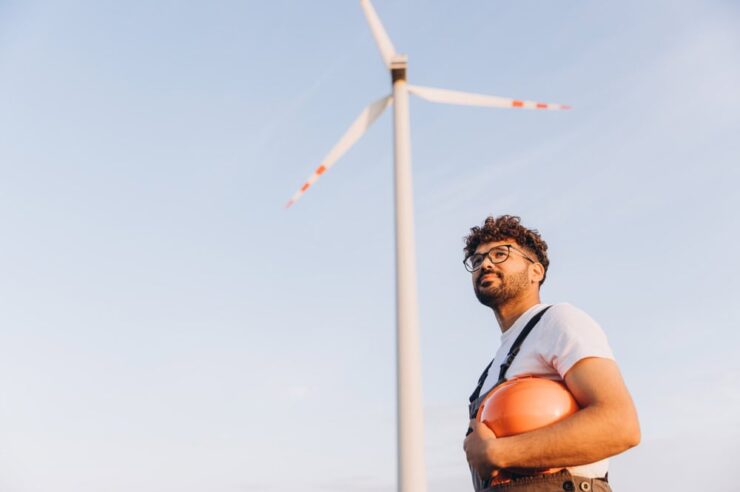
Main image: ESB Professional
Get your weekly fix of good news delivered to your inbox every Saturday, by signing up to the Positive News email newsletter
Be part of the solution
At Positive News, we’re not chasing clicks or profits for media moguls – we’re here to serve you and have a positive social impact. We can’t do this unless enough people like you choose to support our journalism.
Give once from just £1, or join 1,800+ others who contribute an average of £3 or more per month. Together, we can build a healthier form of media – one that focuses on solutions, progress and possibilities, and empowers people to create positive change.