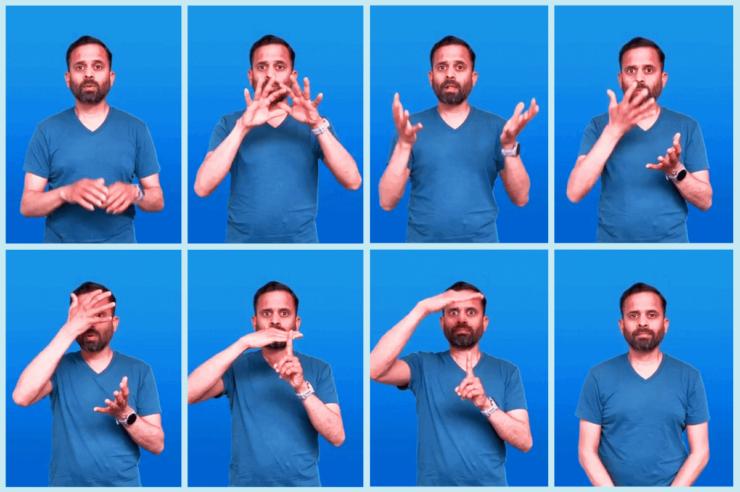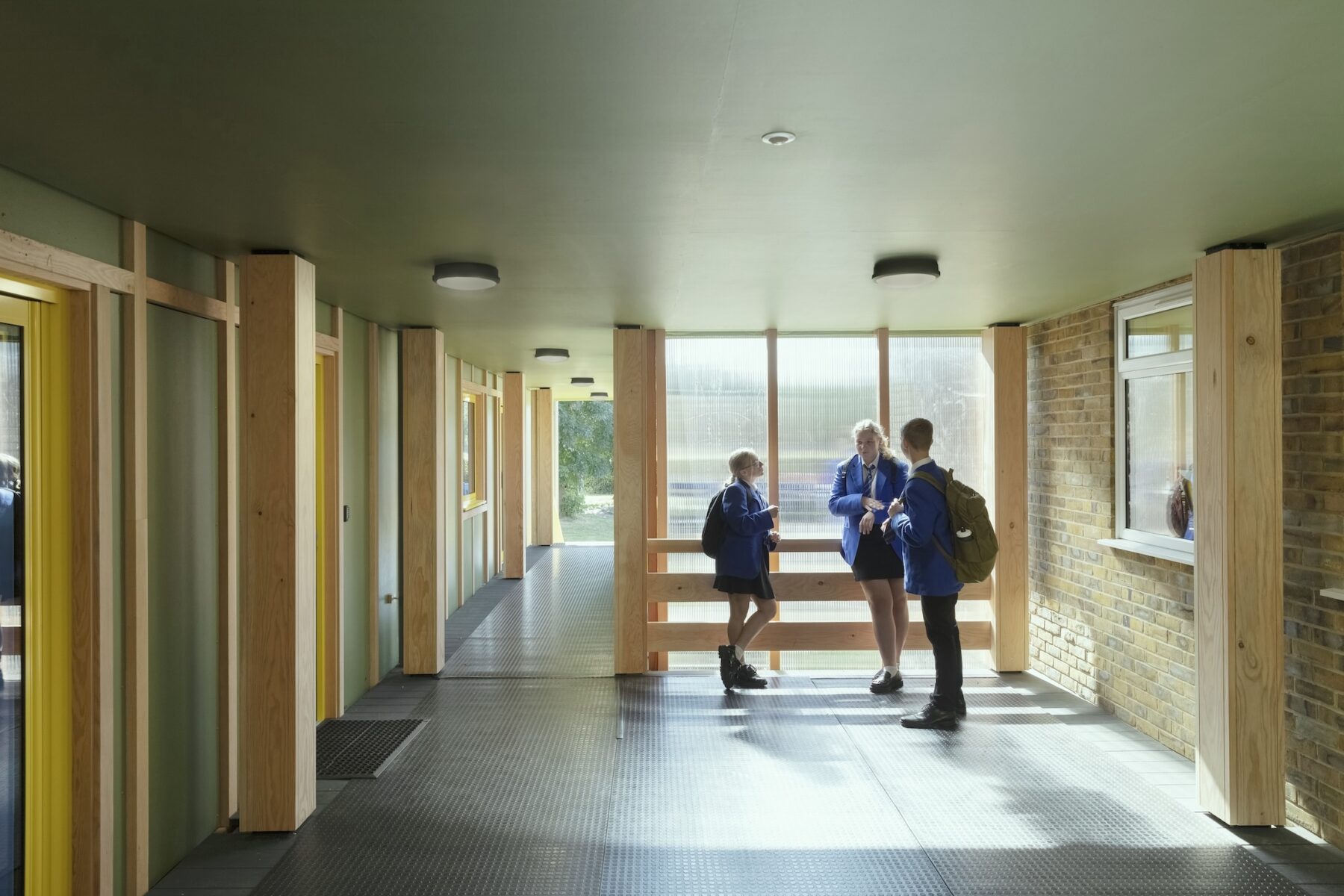
From ordering a coffee to classroom learning and accessing vital services, these three UK projects are revolutionising accessibility – and inclusivity – for deaf people
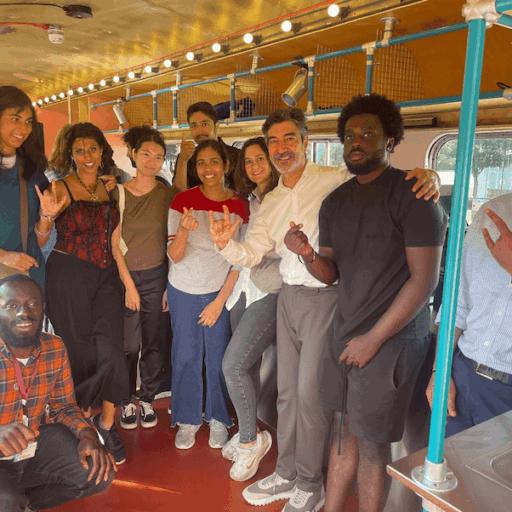
There’s no need to shout your coffee order at the Carpenters Dialogue Express Cafe: you can sign it. Housed in a vintage train carriage, it opened on the Carpenter’s estate in Newham, London, in July. The cafe is staffed by deaf and hard-of-hearing staff, who have been trained by those at the Dialogue Hub social enterprise.
Customers are encouraged to order brews and bites in British Sign Language, with simple guides and video displays for newcomers.
“Having worked in museums and cultural projects, I saw how powerful encounters can be when people step outside their comfort zone,” said Hakan Elbir, founder and director of Dialogue Hub CIC. “The cafe grew out of that belief – a place where deaf and hearing communities meet naturally, over something as simple and universal as coffee.
“It’s not just about accessibility– it’s about celebrating diversity and making it part of everyday life,” said Elbir.
Image: Dialogue Hub
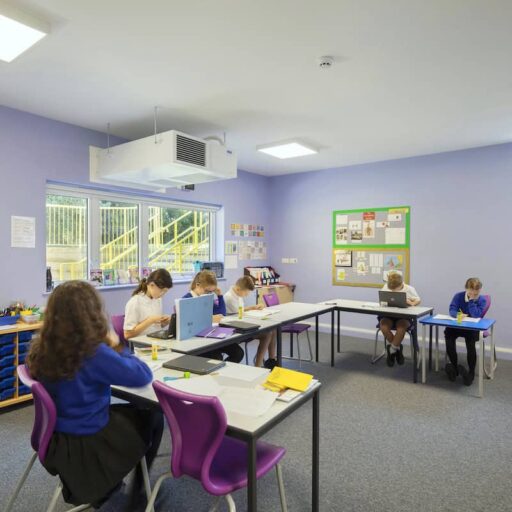
DeafSpace design is an architectural approach that supports deaf and hard-of-hearing people by prioritising visual communication. A set of guidelines for it was first developed at Gallaudet University in Washington DC, US, the world’s first university for deaf people. Showcasing the concept recently is Heathlands school in St Albans, the UK’s largest school for deaf children and young people. Rooms are arranged to best create sightlines for signing, while soft colours and natural light help to reduce eyestrain. Acoustic linings and quiet ventilation systems also minimise background noise, a boon for hearing aid users.
“It is amazing the difference that tiny details make and how welcoming the school feels,” said co-headteacher Lesley Reeves Costi.
Image: Rachel Ferriman


UK startup Silence Speaks is developing an artificial intelligence avatar that translates text into sign language in realtime. Designed by deaf engineers and reflecting regional sign language styles, the system aims to capture emotion and intent as well as the words themselves.
It holds promise for use at transport hubs, shopping centres, in education and healthcare settings, for broadcasting and video conferencing and in personal banking.
Silence Speaks is also experimenting with personal, creative uses including the ‘signing’ of greeting cards: recipients can scan a QR code in a card to access a video message conveyed in sign language by an AI avatar.
“As a doctor, I’ve seen firsthand how silence can isolate – but I’ve also seen how the smallest act of communication can restore dignity,” said Dr John LeeAllen, an NHS doctor and tech investor, who sits on the company’s board.
“Silence Speaks is more than innovation: it restores human connection.”
Image: Bookitlist
Main image: Rachel Ferriman
Support solutions in 2026
At Positive News, we’re not chasing clicks or profits for media moguls – we’re here to serve you and have a positive social impact. We can’t do this unless enough people like you choose to support our journalism.
Give once from just £1, or join 1,800+ others who contribute an average of £3 or more per month. Together, we can build a healthier form of media – one that focuses on solutions, progress and possibilities, and empowers people to create positive change.