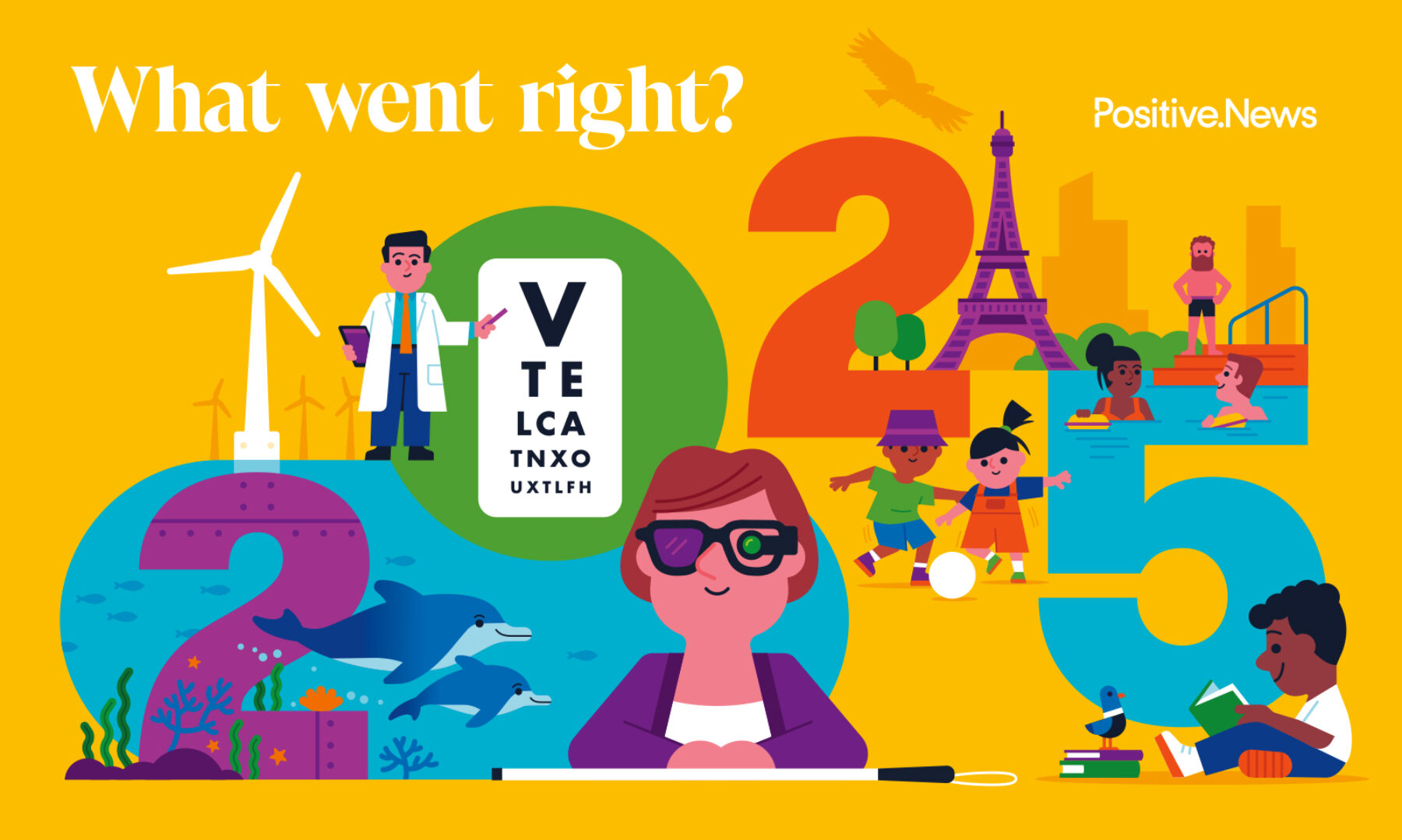
Scientists treated the ’untreatable’, species came back from the brink, solar surged, deforestation fell, rivers were revitalised, 70 declared ‘the new 60’, and the smartphone-free childhood caught on, plus more good news
The 2025 good news roundup
Nature and environment
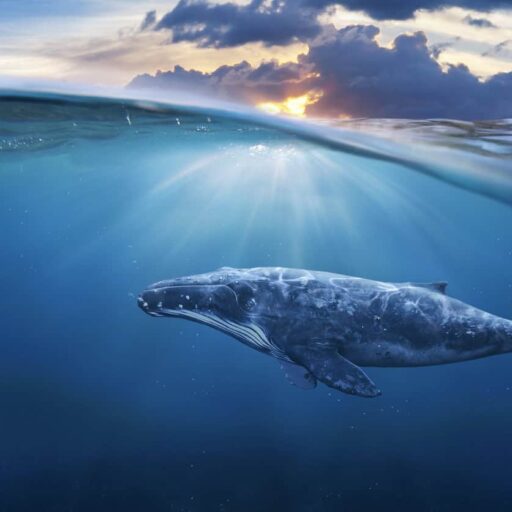
A landmark deal to protect the high seas finally became a reality in September, bringing hope for marine ecosystems and the people who rely on them.
A total of 79 nations have now ratified the Global Ocean Treaty – way beyond the 60 required for it to become law. Iceland, Brazil and Japan joined the list in December; Australia, the UK and US are among the heel draggers.
The treaty will enter into force in 2026, giving governments a legal framework to protect waters that lie outside of national boundaries. Currently, only 1% of international waters are protected. Greenpeace said the treaty could establish the largest network of ocean sanctuaries in history.
“This is the most significant victory for ocean protection and restoration I have ever witnessed,” said the charity’s Ariana Densham.
Image: James Teohart
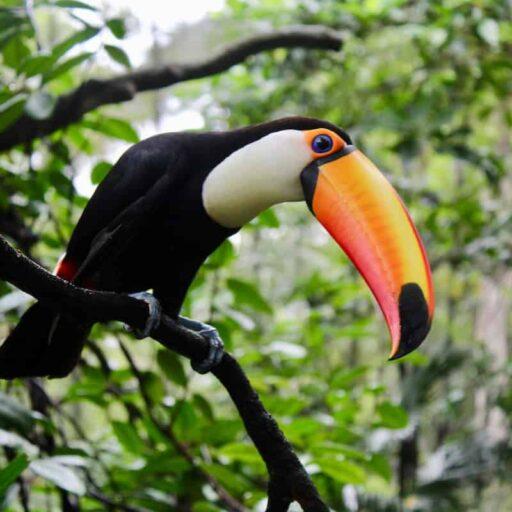
Despite the tumultuous geopolitical landscape, nations agreed in March to mobilise at least $200bn (£155bn) per year by 2030 to help developing countries conserve biodiversity.
The commitment was hammered out in Rome, Italy, at the Cop16 biodiversity conference. Agreed by the 196 states that signed up to the Convention on Biological Diversity (including Russia, but excluding the US), the deal was hailed a win for multilateralism in uncertain times.
“Negotiators from all countries … put their differences aside to forge a common path forward,” said Lin Li, senior director for global policy at WWF International. “What’s left now is an urgent need to mobilise funding … to ensure we reach the $200bn a year committed by 2030.”
Despite the progress, many countries wanted to see greater ambition to halt and reverse biodiversity loss by 2030 – a target that looks likely to be missed.
Image: Carmel Arquelau

Halting biodiversity loss remains one of the planet’s most critical challenges. The good news is that, done properly, conservation works – as 2025 frequently reminded us.
Dozens of species proved that extinction is not inevitable. In a feat that once seemed improbable, the green turtle came off the ‘endangered’ list following a decades-long mission to save the species.
In May, a kingfisher native to Guam laid eggs outdoors for the first time in almost four decades thanks to a breeding programme. A “singing” insect was also brought back from the brink in England, while the brown trout returned to cleaned-up Swedish rivers previously despoiled by industry.
Meanwhile, the crane staged a “remarkable” comeback in Scotland, having been hunted to extinction there. The recovery of 150 on-the-brink species in neighbouring England was also hailed a conservation success story.
In other welcome developments, the long-lost sailback houndshark was recorded again off Papua New Guinea, jaguar numbers surged in Mexico, and chinook salmon were spotted swimming in the Chiloquin Basin in Oregon, US, for the first time in 100 years.
Image: Richard Eaton
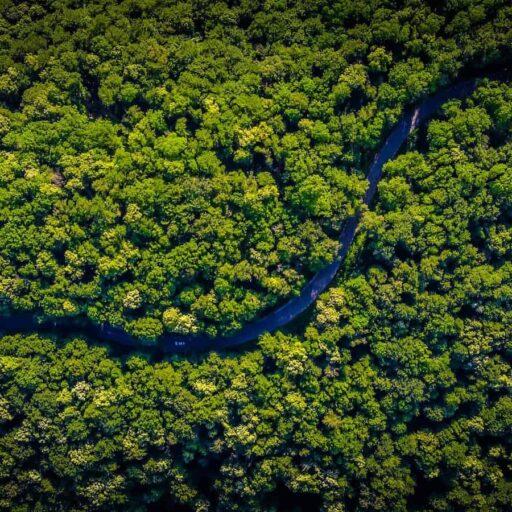
Deforestation has slowed in every region of the world over the past decade, according to a report published by the UN Food and Agriculture Organization (FAO) in October.
Describing the findings as “a hopeful trend”, the FAO also noted that more than half of forests are now covered by long-term management plans, while one fifth are within legally established protected areas.
The FAO said that the world had lost 10.9m hectares of forest annually in the last decade – down significantly on the 13.6m hectares lost per year in the previous 10 years, and the 17.6m hectares lost in the decade before that.
However, despite the hopeful findings, the FAO warned that the world is still losing far too much forest.
Image: Vlad Hilitanu

More habitats were designated protected areas in 2025, offering a lifeline to koalas, whales and other species.
Australia, Colombia, Greece, Portugal, and São Tomé and Príncipe were among the nations announcing new marine reserves. Six such sites were approved by Spain alone, while French Polynesia established the world’s largest marine protected area.
The Australian government, meanwhile, pledged to protect an “extraordinary and unique” marine ecosystem off the country’s west coast. The 26,000sq km Exmouth Gulf is home to Australia’s largest concentration of dugongs and is a vital stop-off point for humpback whales.
Australia also set the boundaries for its Great Koala national park, which at 4,600sq km will be the largest protected area in the state of New South Wales.
Nations have agreed to protect 30% of the planet by 2030. While progress is being made, the world is off track to meet that target.
Image: Kerin Gedge

Climate and energy
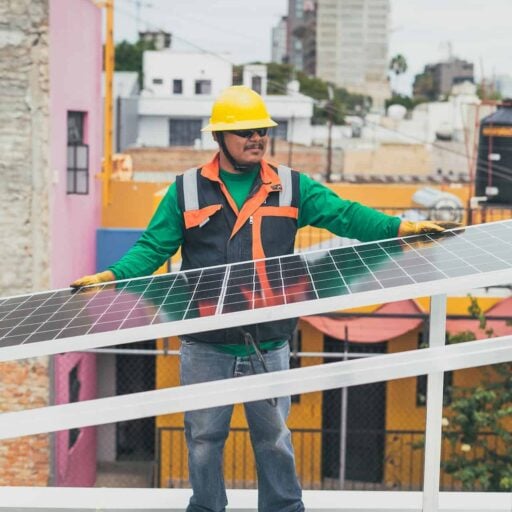
Green energy records tumbled in 2025, despite an anti-renewables president returning to the White House.
For the first time, the combined might of wind and solar overtook coal as the world’s leading source of electricity. “We are seeing the first signs of a crucial turning point,” said Małgorzata Wiatros-Motyka, a senior electricity analyst at the think tank Ember.
Ember added that solar is now the fastest growing source of electricity ever. A decade ago, it accounted for just 1% of global electricity; today it’s 9% and rising. In China, it has grown 20-fold. Key to this is the continuing collapse in solar costs, which have fallen by around 90% in a decade.
Meanwhile, investment continued to flood in. As Donald Trump decried the “green energy scam” at the United Nations General Assembly in September, the Zero Carbon Analytics think tank noted that global investment in green energy was up 10% year-on-year in the first half of 2025.
Image: Los Muertos Crew

After November’s Cop30 climate summit (pictured) concluded with zero mention of fossil fuels in the draft text – a victory for obstructive petrostates – Colombia and the Netherlands took matters into their own hands.
With the backing of 22 other countries, including Australia and Ireland, they pledged to establish their own roadmap for abandoning coal, gas and oil. The two nations also agreed to co-host the first ever International Conference on the Just Transition Away from Fossil Fuels, due to be held in April 2026. More nations have since backed the initiative.
“There is a clear momentum to phase out fossil fuels, and now is the time to capitalise on it,” said Sophie Hermans, the Dutch minister for climate.
Image: Xuthoria

The world’s highest court has paved the way for polluting nations to be sued for their emissions in a ruling described as “a once-in-a-generation moment” for climate justice.
In July, the International Court of Justice in The Hague, Netherlands, published a landmark legal decision stating that if governments fail to curb emissions, approve new fossil fuel projects, and roll out public money for oil and gas, then they could be in breach of international law.
The case was brought by law students and activists in the low-lying Pacific nation Vanuatu (pictured). Though the court’s ruling is non-binding, meaning it does not create a legally enforceable obligation, experts said it would still have major consequences.
“The era of climate impunity is over,” the Center for International Environmental Law said in a statement. The ruling, it added, “sets a new global standard for urgent action and accountability on climate justice”.
Image: Mlenny/iStock

Could 2025 be the year that China’s emissions plateaued? Experts are optimistic after recording a 1% decline in the 12 months to April. It’s a big deal, given that China is the world’s largest polluter.
The dip in emissions is a result of the country’s rapid deployment of renewables (it brought more wind and solar online in 2024 than the rest of the world combined).
The scale of its ambition is “fundamentally reshaping the economics of energy across the world, accelerating the deployment of renewables,” a report by Ember declared in September. Thanks to China, it added, 91% of new wind and solar projects are now cheaper than their fossil fuel equivalents.
It’s good news, but it still isn’t happening fast enough. Global emissions need to fall by 45% by 2030 to keep the Paris agreement alive. This year, they are set to rise by 1.1%.
Image: Edward He
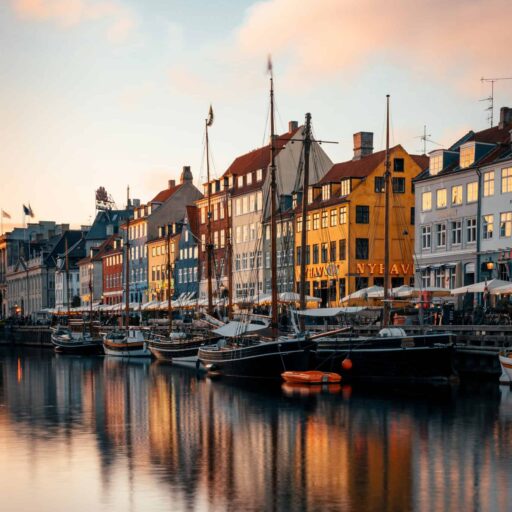
While some countries went cool on climate action in 2025, Denmark ramped up its ambition. The Nordic nation committed to cutting greenhouse gas emissions by 82% (compared to 1990 levels) over the next decade. That’s 1% more ambitious than the UK, which was previously the global leader.
Targets are one thing, meeting them is another. Denmark has good form. A government report released this year suggests that the country is on course to meet its earlier goal of cutting emissions by 70% by 2030. The Danish Council on Climate Change described the February findings as “a success story in a world of gloomy climate news”.
Denmark also emerged as a copyright pioneer. A new bill introduced in July will give Danes copyright of their own faces, making it illegal to share deepfake images, videos and audio recordings based on a real person.
Image: Razvan Mirel

Petrol-powered cars are reaching the end of the road in Norway.
Data published in January showed that 88.9% of cars sold in the country in 2024 were battery powered, putting Norway on track to meet its target of going all-electric in 2025.
The Nordic nation has imposed high taxes on internal combustion engines, while exempting electric vehicles from import taxes and VAT. Its policies have been consistent despite changes in government, in contrast to nations like the UK.
“That’s the big lesson [from Norway]: put together a broad package of incentives and make it predictable for the long-term,” said the country’s deputy transport minister Cecilie Knibe Kroglund.
Image: Zaptec
Science and technology

Medical developments that sound like the stuff of science fiction became a reality in 2025, as doctors treated the “untreatable”.
In July, gene therapy treatment helped people born with genetic hearing loss to recover some of their hearing. Then, in October, it was revealed that blind people were able to read again thanks to a revolutionary eye implant.
The device was inserted under the retinas of 38 people with untreatable age-related macular degeneration. Paired with video-recording glasses, the technology enabled 84% of participants to read. “In the history of artificial vision, this represents a new era,” said Mahi Muqit from London’s Moorfields Eye Hospital.
Two months later, scientists revealed that a world-first gene therapy, which turns white blood cells into a disease-busting “living drug”, had reversed previously untreatable blood cancers in children.
And in another once-impossible medical development, scientists treated Huntington’s disease for the first time, using gene therapy to significantly slow the disease. “This result changes everything,” said Prof Ed Wild from University College London’s Huntington’s Disease Centre.
Image: vgajic
In January, surgeons removed a previously inoperable brain tumour from a patient using a “ground-breaking” new procedure. The following month, four children with a rare genetic condition that affected their sight gained “life-changing improvements” in vision following pioneering treatment in London.
Meanwhile, a new drug combination was credited with boosting survival rates for women with aggressive, inherited breast cancers. Similarly, a new drug pathway outperformed chemotherapy for patients with chronic lymphocytic leukaemia, and was said to be “transforming” lives.
September brought news that an AI-assisted brain scanning tool rapidly sped up stroke diagnosis. And in November, scientists said that a new monthly jab for treating severe asthma may replace daily steroids.
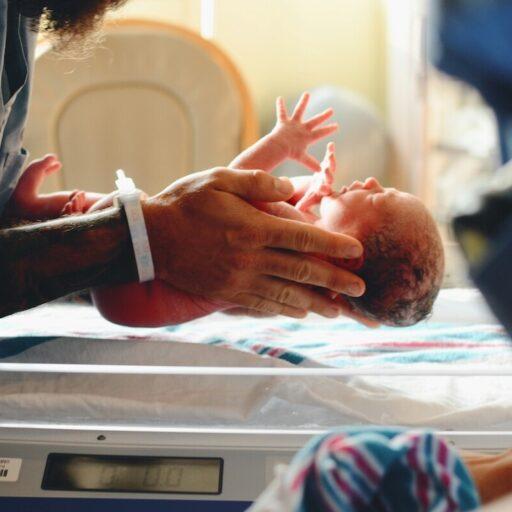
Medical developments also brought hope to expectant parents. For the first time, babies were born free from a deadly hereditary disease thanks to an IVF procedure that used the DNA of three people. And a “miracle” baby girl became the first baby in the UK to be born to a mother with a donated womb.
Image: Christian Bowen

Cancer survival rates have doubled in England and Wales over the last 50 years amid a “golden age” for cancer treatment.
That’s according to a report by Cancer Research UK (CRUK), which analysed cancer deaths in the two nations between 1973 and 2023. Despite cases of the disease rising, it noted that the chances of surviving it had doubled. A similar trend has been reported in the US.
“We’re in a golden age for cancer research, with advances in digital, genomics, data science and AI reimagining what’s possible and bringing promise for current and future generations,” said CRUK chief executive, Michelle Mitchell. But she warned that many patients are still waiting too long for a diagnosis.
Image: Thirdman
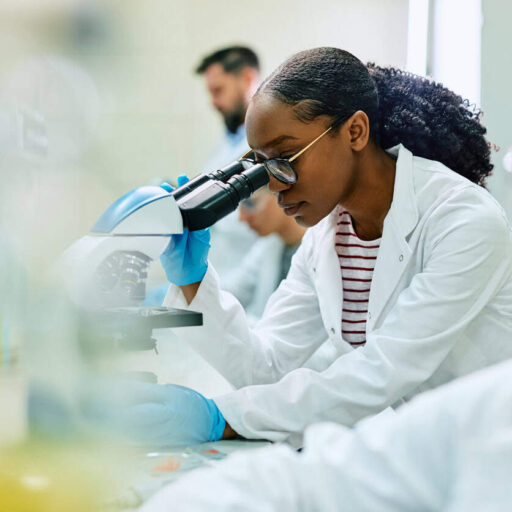
Treating diseases is one thing, identifying them another – and 2025 saw plenty of progress on the diagnosis front.
A new technique for detecting bowel cancer was shown to be 90% accurate at predicting which people would go on to develop the disease, scientists said in January.
In February, researchers claimed to have identified the “roadmap” that cancer cells use to leave a tumour – a development that “paves the way for treatments that will tackle cancer before it can spread”.
Scientists also claimed to have developed an “ultra-rapid” test that diagnoses brain tumours in as little as two hours – a big improvement on the six weeks that it currently takes. Meanwhile, new blood tests accurately detected early signs of Alzheimer’s and ovarian cancer.
Image: National Cancer Institute
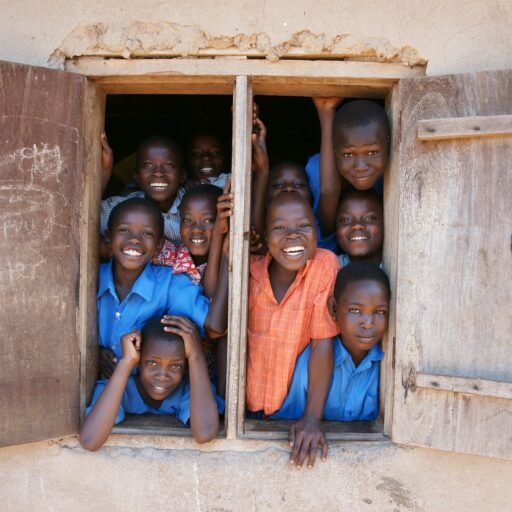
Health authorities in Uganda declared an end to the country’s Ebola outbreak in May – less than three months after the virus was confirmed in the capital Kampala.
Fourteen cases were reported, with four deaths recorded. However, Uganda’s ministry of health acted fast to contain the virus, deploying medical teams to investigate each case and dispatching support workers to reduce stigma around the virus, helping medics build trust with affected communities.
“Uganda’s leadership and resilience were crucial in containing this outbreak,” said Dr Kasonde Mwinga of the World Health Organization. “The people of Uganda have shown extraordinary resolve.”
Image: Bill Wegener

The number of people dying from chronic diseases globally fell in four out of five nations between 2010 and 2019, a landmark study revealed in September.
It was one of a number of reports that brought news of long-term health progress.
In November, the World Health Organization (WHO) revealed that the number of polio cases globally had plummeted by more than 99% in just 35 years. In the 1980s, some 350,000 children per year were left paralysed by polio – a figure that now stands at around 50, according to the WHO. It’s still 50 too many, but represents remarkable progress.
The WHO also found that around 59 million young lives have been saved since 2000 thanks to the measles vaccine.
November brought news that the world is “closer to a future free of cervical cancer”. A study found more than 86 million girls in the most at-risk nations had received a vaccine against human papillomavirus – the leading cause of cervical cancer – since 2023.
Meanwhile, Georgia, Suriname, and Timor-Leste were certified malaria-free. And Mauritania, Papua New Guinea, Burundi, Senegal, Fiji, and Egypt all eliminated trachoma, the world’s leading cause of infectious blindness.
Image: iStock

A study of English pensioners found them to be in ruder health than previous generations, leading scientists to declare that “70 really may be the new 60”.
Instead of looking at the prevalence or absence of diseases, as other research has, January’s study assessed participants’ functional abilities, chiefly their “cognitive, locomotor, psychological and sensory capacities”.
Using data from the English Longitudinal Study of Ageing, in which some 19,000 people have taken part, the research found that “a 68-year-old born in 1950 had a similar capacity to a 62-year-old born a decade earlier”.
“We were surprised by just how large these improvements were,” said study author John Beard, professor of ageing at Columbia University, US. “The trends were very strong and suggest that, for many people, 70 really may be the new 60.”
Image: Ashkar Dave
Society and people

A fragile deal to end the war in Gaza and return Israeli hostages to their families was signed in October – and is still broadly holding, despite reported violations.
The war brought immense suffering to millions of Palestinians, created anxiety about the fate of Israeli hostages and threatened to engulf the entire Middle East. October’s deal brought hope, but hurdles remain.
The next phase requires Israel to further withdraw its troops and for Hamas to disarm as a transitional authority is set up. This will test the commitment of both sides.
Questions remain over justice, too. In November 2024, the International Criminal Court issued arrest warrants for the commander-in-chief of Hamas’s military wing, Diab Ibrahim al-Masri, the Israeli prime minister Benjamin Netanyahu, and Israel’s former defence minister, Yoav Gallant, in respect of war crimes. The former has since been killed.
Despite the uncertainties, bereaved families from both sides are uniting to build peace where politics has failed.
“Once you recognise your joint pain, that you share the same colour of tears, it becomes a completely different story,” Robi Damelin of Parents Circle – Families Forum, a grassroots peace movement, told Positive News.
Image: Mohammed Ibrahim

The global movement to protect childhood from a digital realm dreamt up by tech bros gained momentum in 2025.
In December, Australia introduced the world’s strictest social media laws, prohibiting under-16s from using the platforms (though some found ways around it). The US state of Florida did the same for under-14s amid evidence linking social media use to poor teen mental health.
Meanwhile, South Korea became the latest nation to call time on smartphones in school. Its ban came as a first-of-its-kind study found that pupils’ grades were better in classrooms that outlawed smartphones compared to those that allowed them.
The results of September’s study – led by the University of Pennsylvania, US – chimed with the findings of a survey in the Netherlands.
“This research finally puts hard evidence behind what teachers and parents have long seen: without phones in class, children are better able to focus, connect, and flourish,” said Daisy Greenwell, former Positive News editor, now director of the UK’s Smartphone Free Childhood movement.
“Big tech’s addictive algorithms hijack attention, so banning phones is a simple, low-cost way to boost learning.”
Image: SolStock

Amid concerns that human rights are in retreat in some parts of the world, there were some notable bright spots in 2025.
In January, Liechtenstein and Thailand both legalised same-sex marriage. The latter became the first country in south-east Asia to do so – a milestone celebrated with a mass wedding. Meanwhile, the US supreme court rejected a call to overturn its landmark decision to legalise same-sex marriage. “Today, love won,” said Kelley Robinson, president of the Human Rights Campaign, welcoming the ruling.
In June it was announced that a 200-year-old law criminalising rough sleeping in England and Wales is to be scrapped. The UK government also boosted rights for renters and workers. Its landmark employment law was hailed as “a bright new era for workers’ rights in Britain”.
Meanwhile, for the first time, Syria joined much of the rest of the world in marking Human Rights Day in December – a symbolic move that the United Nations described as a “small but meaningful step”.
Image: Bárbara Marques

A record number of people globally now have access to some sort of social protection, including pensions, disability benefits and direct cash payments.
That’s according to a report published by the World Bank in April. It said that such protections are helping more people than ever “manage crises, escape poverty, navigate transitions and seize employment opportunities”.
Some countries have made huge strides. Around 13 million Mexicans have been lifted out of poverty since 2018, the country’s national statistics agency INEGI reported in August. Figures from the World Bank, meanwhile, suggested that 34 million Bangladeshi people were lifted out of poverty between 2010 and 2022.
Iraq has also made rapid progress. Material poverty has almost halved there since 2011, according to its latest Multidimensional Poverty Index.
Image: FG Trade

The US is on course for one of its least violent years since modern records began – and it’s not alone.
According to the Real-Time Crime Index, which tracks the data, the US murder rate is down by almost 20% so far this year, while violent crime has fallen by nearly 11%.
It’s not a blip. FBI figures from August show that the US murder rate saw its sharpest fall to date in 2024, dropping by 14.9% – eclipsing even 2023’s substantial 10% decline.
A similar trend is underway elsewhere. Brazil’s murder rate plummeted by 20.3% over the last decade, figures published in June suggest.
Meanwhile, in London, which Donald Trump likes to claim has a growing crime problem, the data tells a different story. Analysis of crime stats found that London’s murder rate is the lowest it’s been since records began in 2003. Recorded knife crime, meanwhile, has seen a year-on-year decline of 7%.
Image: Noah Fetz

Making ends meet is a struggle for creatives at the best of times, let alone in the generative AI era. Does Ireland have the answer?
In October, its government announced that the country’s basic income scheme for artists will be made permanent. Introduced to help creatives during the pandemic, it offered participants a weekly stipend of €325 (£283) in a bid to kickstart grassroots culture.
The €25m (£21m) programme helped more than 2,000 artists, although many more applied. According to an independent study, the scheme generated €100m (£87m) in “social and economic benefits” to Ireland’s economy.
Image: Divyank

Bikinis and ‘budgie smugglers’ are back in vogue in Paris after the River Seine reopened to swimmers for the first time since 1923.
Parisians had been prohibited from taking a dip in the waterway due to high levels of pollution. But a €1.4bn (£1.2bn) river clean-up and improvements to the city’s sewage system saw it reopen to swimmers in July.
It wasn’t the only once-fetid waterway that became clean enough to swim in. In September, bathers returned to the rejuvenated Chicago River for the first time in 98 years.
Paris was also vindicated for its efforts to drive cars off the roads as data showed dramatic falls in pollution levels. Similarly, London’s clean air zone was credited with “saving lives and money”. Meanwhile, Helsinki’s pedestrian-first approach saw the Finnish capital go an entire year without a road death.
Across the pond, a city once dubbed “the dirtiest in the US” was designated North America’s first national park city. Chattanooga in Tennessee was infamous for its acrid air and toxic water, but has been transformed by a citizen-led cleanup and environmental legislation.
Oh, and credit to Utrecht, too, which was crowned the world’s best cycling city.
Image: Linda Barrett
Main illustration: Spencer Wilson
Get your weekly fix of good news delivered to your inbox every Saturday, by signing up to the Positive News email newsletter
Be part of the solution
At Positive News, we’re not chasing clicks or profits for media moguls – we’re here to serve you and have a positive social impact. We can’t do this unless enough people like you choose to support our journalism.
Give once from just £1, or join 1,800+ others who contribute an average of £3 or more per month. Together, we can build a healthier form of media – one that focuses on solutions, progress and possibilities, and empowers people to create positive change.