Tom Pattinson, editor of Positive News, met the UK prime minister to discuss Pride in Place, a new investment programme to help communities revive their neighbourhoods
The government in general, and the prime minister in particular, have caught a lot of flak this week. But one of the downsides of the media’s tendency to engage in a feeding frenzy around the latest outrage is that it can obscure the sparks of good work that a government, any government, can sometimes make happen.
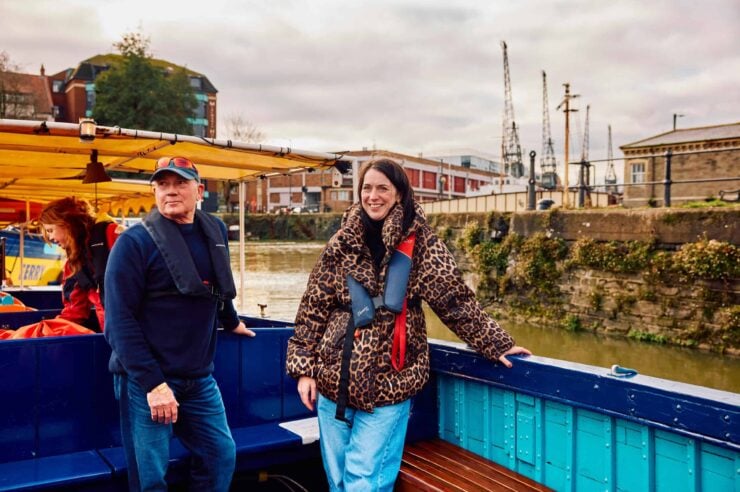
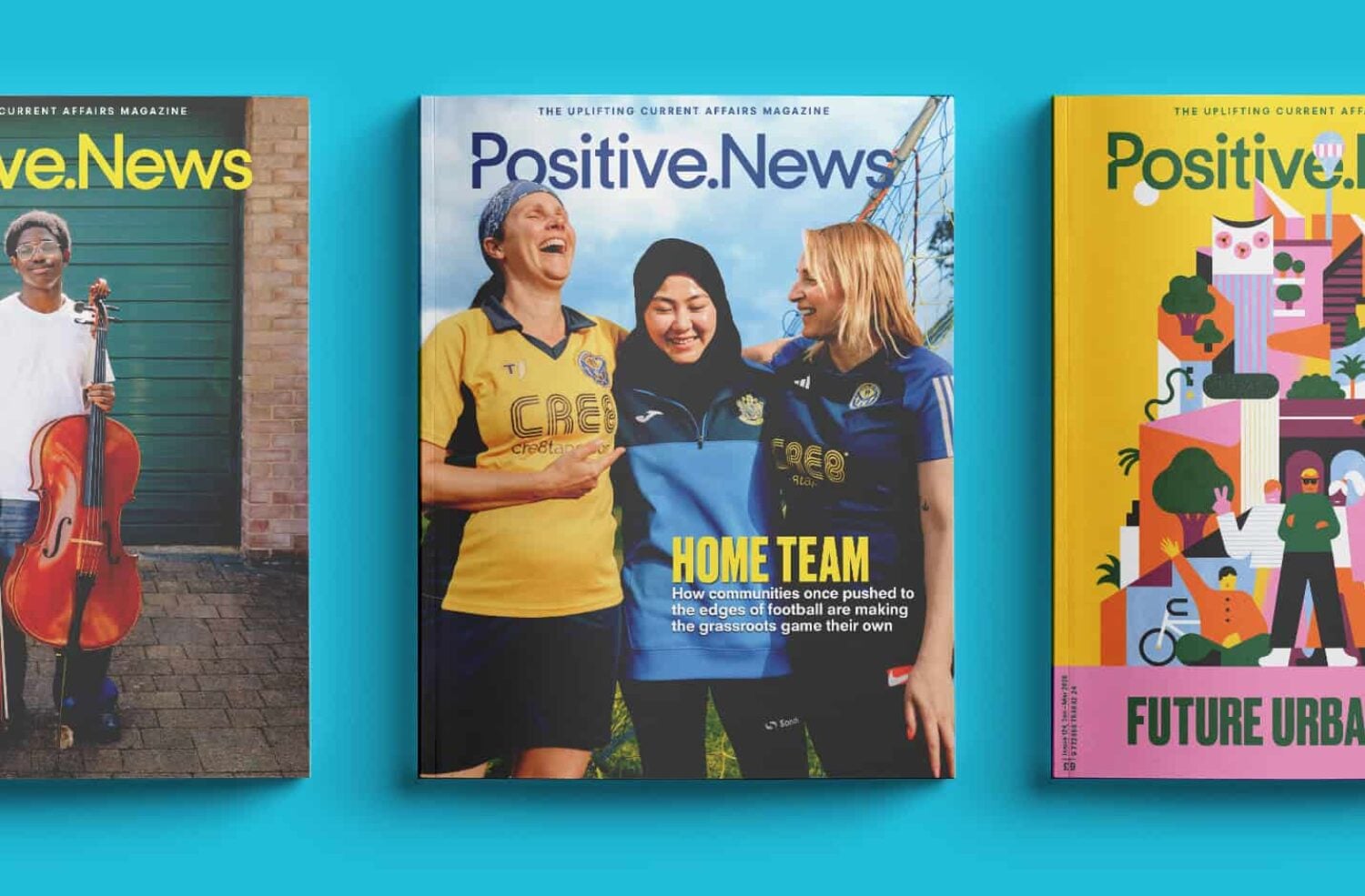
The importance of local people taking ownership of their towns was featured in the most recent issue of Positive News magazine, which highlighted a number of community-owned businesses ranging from ferry companies to green energy projects. In that feature, it was noted that some of the funding schemes that enabled communities to revitalise high streets, arcades and community centres had dried up.
This week though, it was announced that a major investment into deprived urban areas is being expanded, through the government’s Pride in Place scheme. Investment in town centres has been sorely lacking for too long, while criticism of previous regeneration funding has often focused on decisions being imposed without meaningful input from local residents. The Pride in Place scheme promises to put residents, neighbourhoods and communities firmly in the driving seat when it comes to deciding how funds should be spent and how they want to improve their own areas.
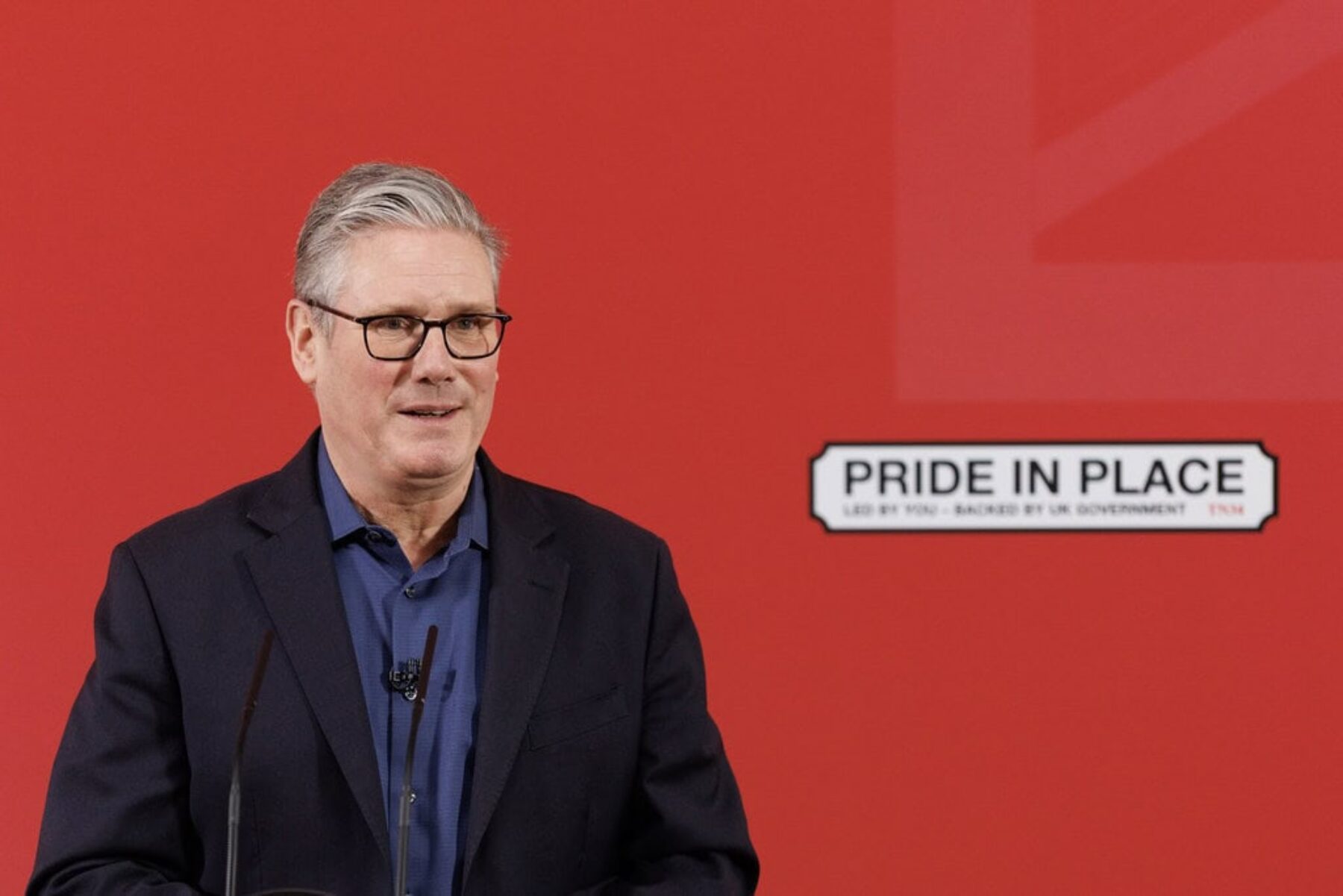
Positive News was invited to sit with Sir Keir Starmer, the British prime minister, to hear more about how the government scheme can support community regeneration, integration and youth mobility.
“It is the same story in towns across the country. Youth clubs that have been abandoned, shops boarded up, high streets decimated. We must reverse the devastating decline in our communities and give power, agency and control to the very people who want to improve their community – those who have skin in the game,” said Starmer.

Its approach starts with Neighbourhood Boards. These boards – made up primarily of residents along with local councillors, MPs, business owners and community leaders – will oversee how funds are allocated. Their job is to engage widely with their communities, listening to what matters most and making decisions that reflect local priorities.
“I have this very strong sense that wherever you go, people have real pride in their own place and ambition,” Starmer told Positive News. “And actually they want to do more for their community, or the vast majority do, and so that formed the basis of the idea of Pride in Place.
“The number of people that have said, ‘we’ve got skin in the game, we will know what’s best in our community. If there’s a pot of money, we should be the ones that decide whether it’s spent on this playground, this high street, this community centre, sports facility, whatever it is, because we will know what’s needed in our community’,” he added.
Pride in Place is a long-term investment programme that aims to help disadvantaged neighbourhoods. Around 95 areas will receive an immediate £1.5m Impact Fund, aimed at quick, visible improvements to parks, community spaces, high streets and other everyday infrastructure.
A further 244 neighbourhoods will receive up to £20m over 10 years to fund deeper, strategic change. These sums are flexible, adaptable and controlled locally, not pre-earmarked projects dictated from the centre. Communities are free to spend the funds on what they identify as priorities – from safer streets and refurbished community halls to cultural and green spaces tailored to local needs.
We must reverse the devastating decline in our communities and give power, agency and control to the very people who want to improve their community
The expansion of the Pride In Place scheme comes after other previous government regeneration schemes such as the Community Ownership Fund expired in 2024.
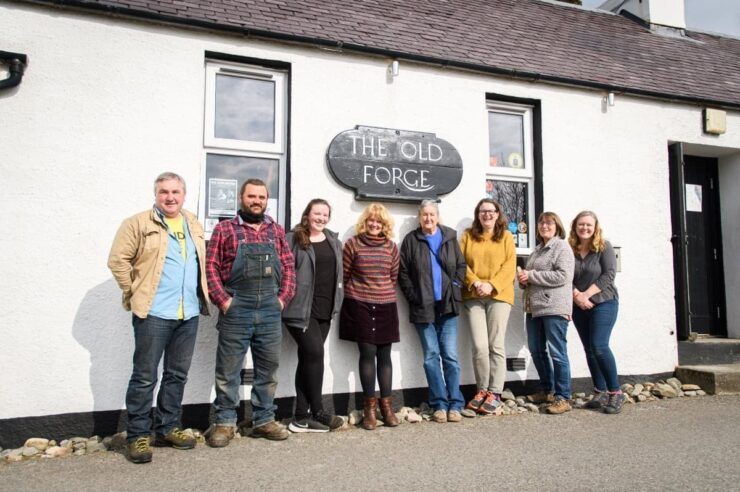
Some Pride in Place projects are already showing how this devolved decision-making works in practice. In Ramsgate, community leaders and volunteers used £500,000 to secure the freehold of their town’s last remaining youth centre, ensuring it remains a hub for generations to come.
In Elgin, Scotland, £1m has been allocated to build a new regional athletics hub that will bring together multiple sports clubs under one roof – a facility designed by local people, for local use.
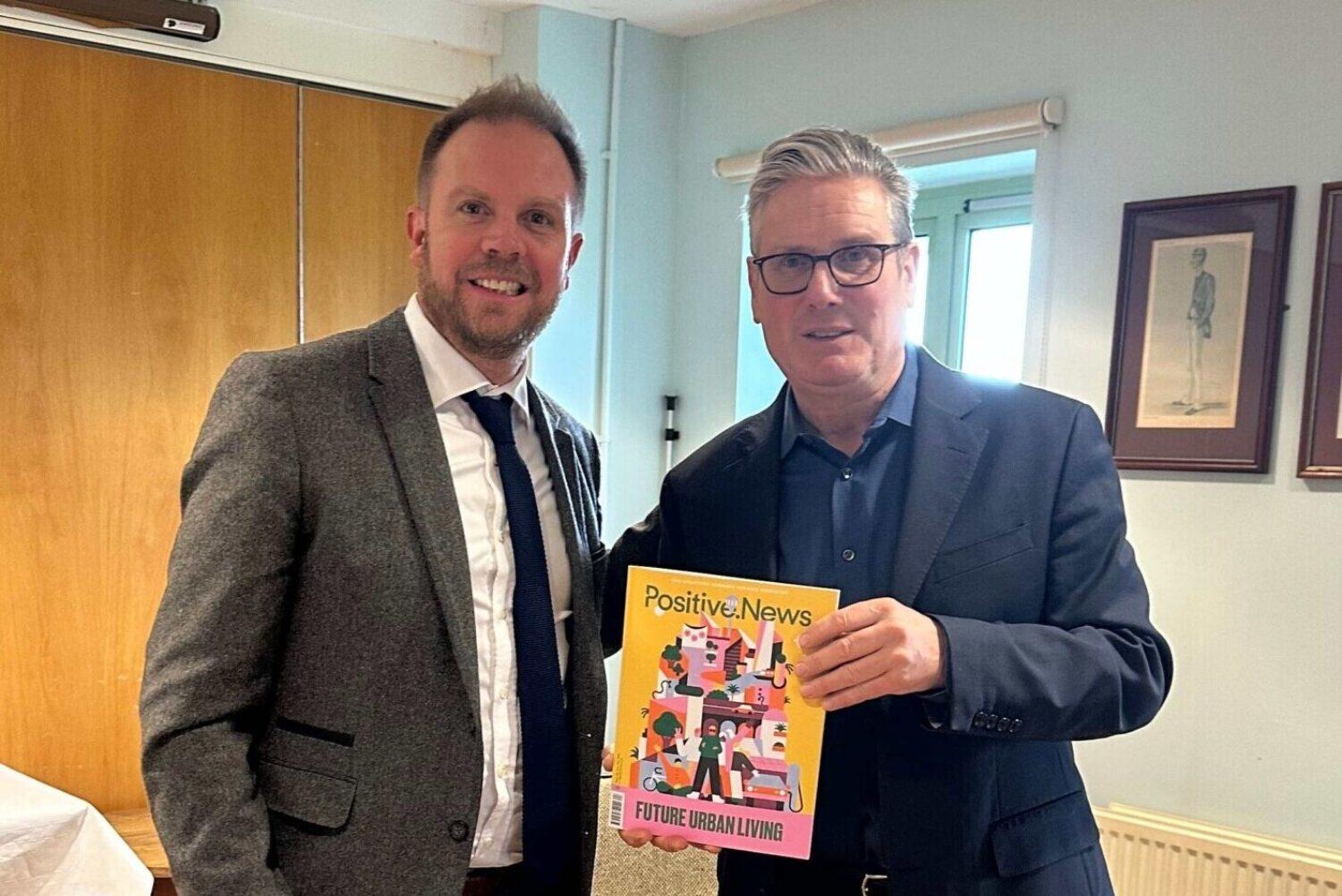
Tom Pattinson with Sir Keir Starmer (and the latest issue of Positive News magazine)
Other examples are emerging from councils like Stoke-on-Trent, which has launched a £1.5m Pride in Place Impact Fund to upgrade playgrounds, parks, and renovate community buildings with projects selected by residents and local organisations.
“Fundamentally the biggest task of the government is to grow the economy to make sure we’re creating more wealth, but that has to be in every place. It can’t just be in some places,” said Starmer. “I think it’s been a failure for too long that only certain parts of the country are seeing growth.”
While the ambition to revitalise high streets and communities is welcome, reversing years of decline will not be a quick fix. Neighbourhood regeneration schemes often promise visible change faster than they can realistically deliver, particularly when trying to reverse long-term economic shifts rather than short-term neglect.
We need to build positively and see that change is possible. We need to build pride in where we live and work
The Local Government Association has welcomed Pride in Place’s focus on community leadership and flexibility, but has warned that clarity will be needed around how neighbourhood boards interact with councils, and how long-term funding commitments will translate into day-to-day capacity on the ground. Without that, they argue, there is a risk that local ambition outpaces the practical ability to deliver.
In Walsall, Blakenall ward councillor Pete Smith has warned that neighbourhood boards risk being dominated by “business leaders and professionals”, rather than reflecting the full breadth of local voices. Ensuring that residents with less time, confidence or institutional experience are equally heard will be one of Pride in Place’s biggest tests, he argues.
“Politics now is really a battle between grievance and divide,” said Starmer. “People feel that we can’t live together, we don’t want to live together and they actually pick on the point of difference. And other people say, ‘no, we can, whatever our backgrounds and differences, we can all live together as one community,’ and most people do want to help their community.”
Main image: Sir Keir Starmer launching a further £800 million to the Pride in Place programme. Image: Simon Dawson/No.10 Downing Street
Support solutions in 2026
At Positive News, we’re not chasing clicks or profits for media moguls – we’re here to serve you and have a positive social impact. We can’t do this unless enough people like you choose to support our journalism.
Give once from just £1, or join 1,800+ others who contribute an average of £3 or more per month. Together, we can build a healthier form of media – one that focuses on solutions, progress and possibilities, and empowers people to create positive change.