The free guide aims to help UK communities prepare for floods, wildfires and other emergencies, with practical advice on everything from power cuts to supporting vulnerable neighbours
Tina Groves had just tuned into the diving on television at her home in Ilminster when she heard the rushing of water. The 74-year-old, who’s visually impaired, thought it was part of the TV coverage at first. But it was coming from her kitchen.
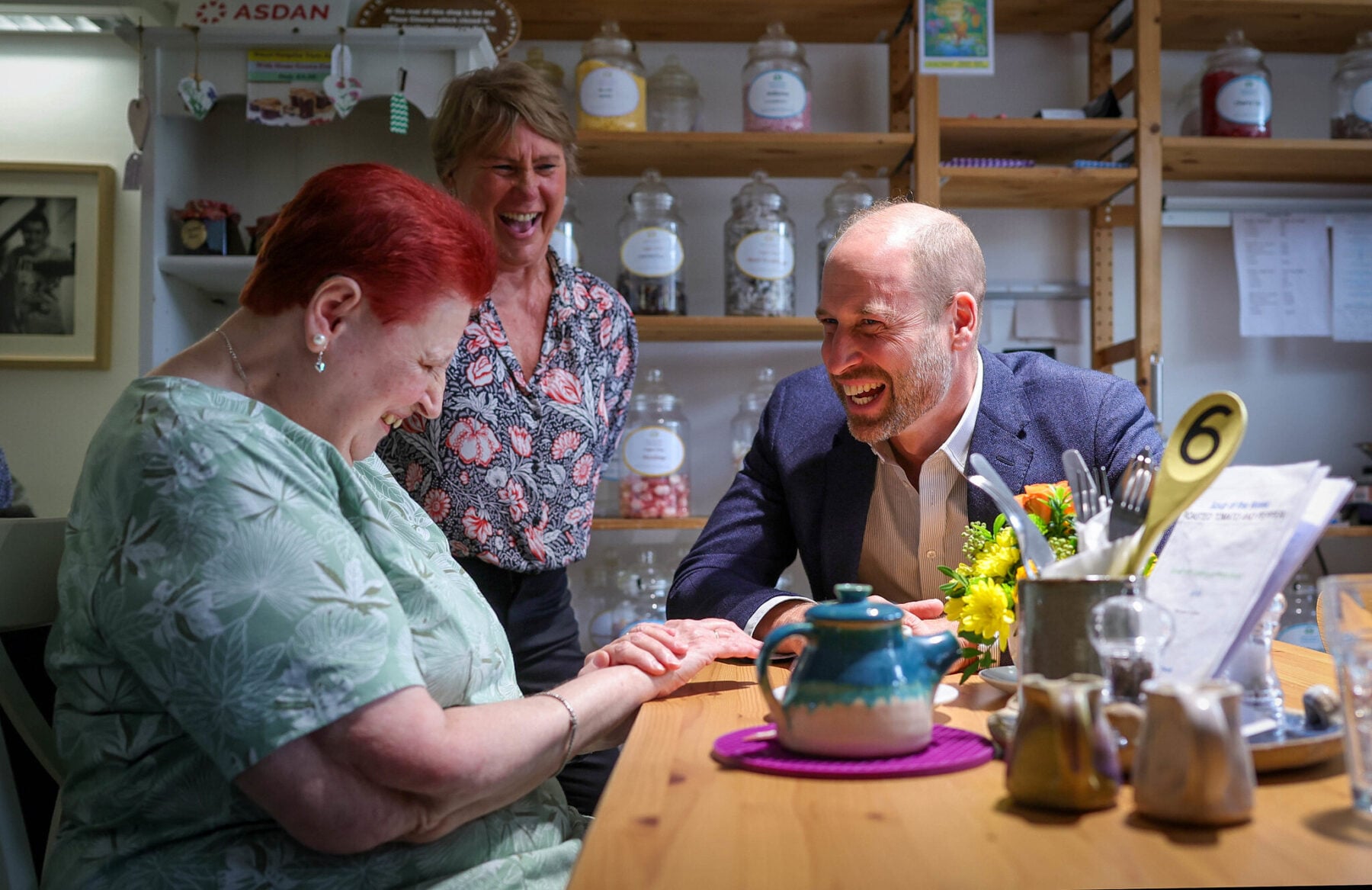
“That brings new meaning to surround sound,” says the Prince of Wales, to laughter, as he sits with Groves in Sweet Surprise cafe on Ilminster High Street. “It’s the sort of thing that nobody thinks about; when you have difficulties seeing, how a flooding event might affect you,” adds the prince.
“It was very scary,” says Groves, whose neighbours helped get her out of the house safely and put it back together when the floodwater had receded.
Ilminster in Somerset, England, has, like many towns around the world, faced some extreme weather in recent years. There have been floods, like the one that inundated Groves’ home nine years ago, and, more recently, wildfires.

The prince and actor Ross Kemp in Ilminster to promote Ready Together. Image: Andrew Parsons/Kensington Palace
The prince has come to the town to hear how it rallied during those crises – and to launch an initiative that aims to help other communities prepare for similar emergencies.
“We have had some rotten floods here, but this is a very strong community: when someone is in trouble it pulls together,” says Cheryl Mellersh, a local who’s waiting outside the cafe to see the prince. “I’ve never known anywhere like it.”
The Ready Together initiative, a National Emergencies Trust project, offers a free online toolkit to help communities prepare for emergencies, whether floods, wildfires or disruption to essential services. Prince William is patron of the charity, while actor and current Celebrity Traitors contestant Ross Kemp is an ambassador. Both are in Ilminster for the launch.

While cutting emissions is critical to limiting climate change, which is making some extreme weather events more frequent and intense, adapting to its impacts is also essential. According to the Climate Change Committee, the UK remains unprepared for the impacts of global heating. The government has much work to do, but communities also have a role to play. That’s where Ready Together comes in.
“It’s two things,” says Mhairi Sharp, chief executive of the National Emergencies Trust. “First, it’s an evidence-backed, how-to guide that shows people how to build resilience and preparedness in their communities. Secondly, it’s a campaign, a call to action.”
We have great blue lights in this country, but communities are usually the first in and the last out
Developed with researchers at Nottingham Trent University, the free online toolkit allows community groups, from residents’ associations to sports clubs, to work through eight areas of emergency preparedness, including communications, supplies and supporting vulnerable residents.
Groups can use it to identify the skills and resources already available locally, work out what they might need in a crisis and create their own emergency plans. The website offers practical guidance and downloadable resources and can build a plan to share with others.
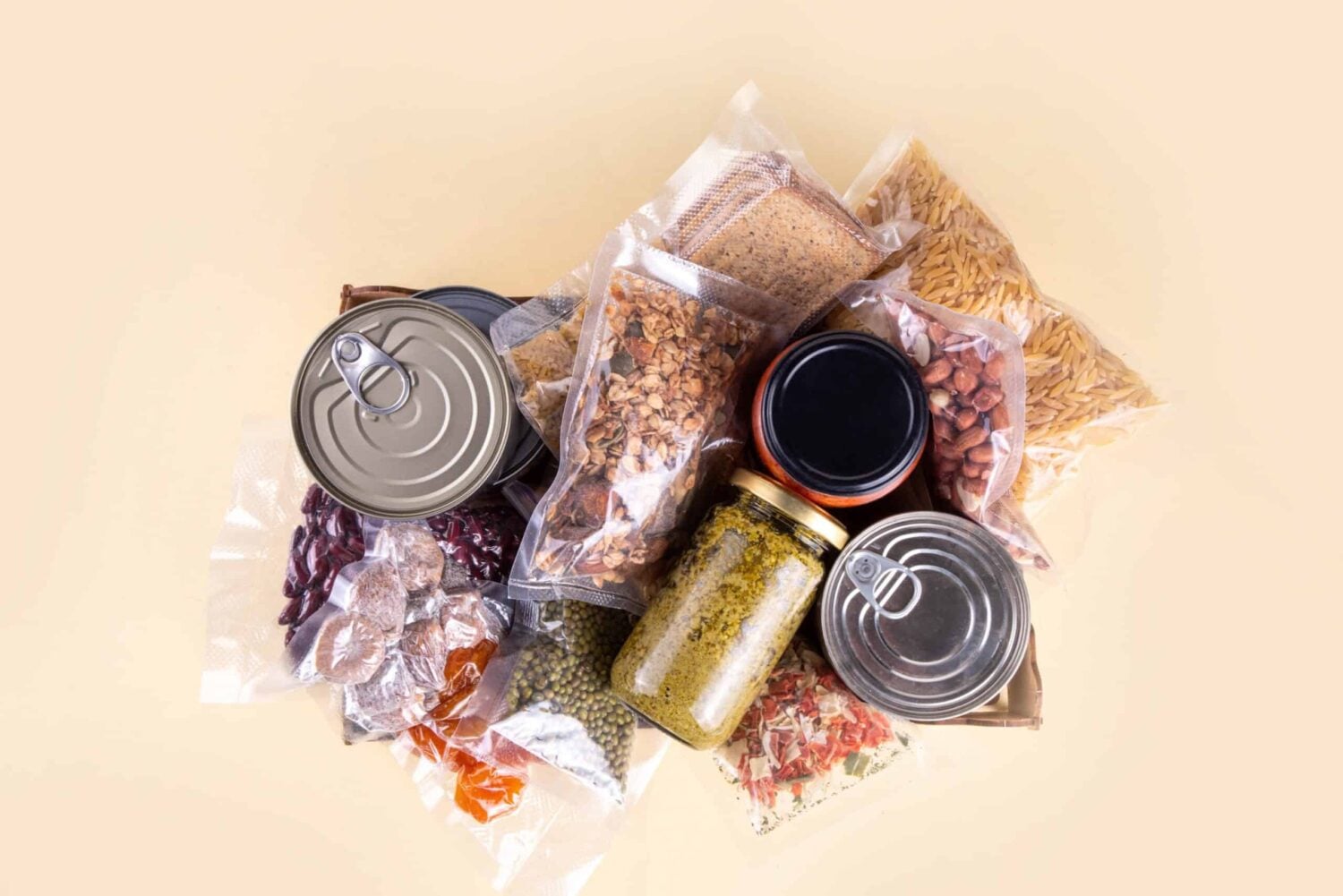
Ready Together suggests keeping some non-perishable foods and cash for essentials. Image: Rimma Bondarenko
It’s not just extreme weather that people need to consider. Cyber attacks, for example, could disrupt banking or essential services, while prolonged power cuts could leave communities without heating or reliable communications.
Stocking up on tinned food and keeping enough cash to buy essentials is among the advice, though Sharp admits the latter is a “tricky message during a cost of living crisis”.
There is good reason to believe that better preparedness can save lives. The global death rate from disasters has fallen by more than 90% over the past century, according to Our World in Data, despite the world’s population growing fourfold. Better warning systems, infrastructure and emergency responses have all helped reduce the toll.
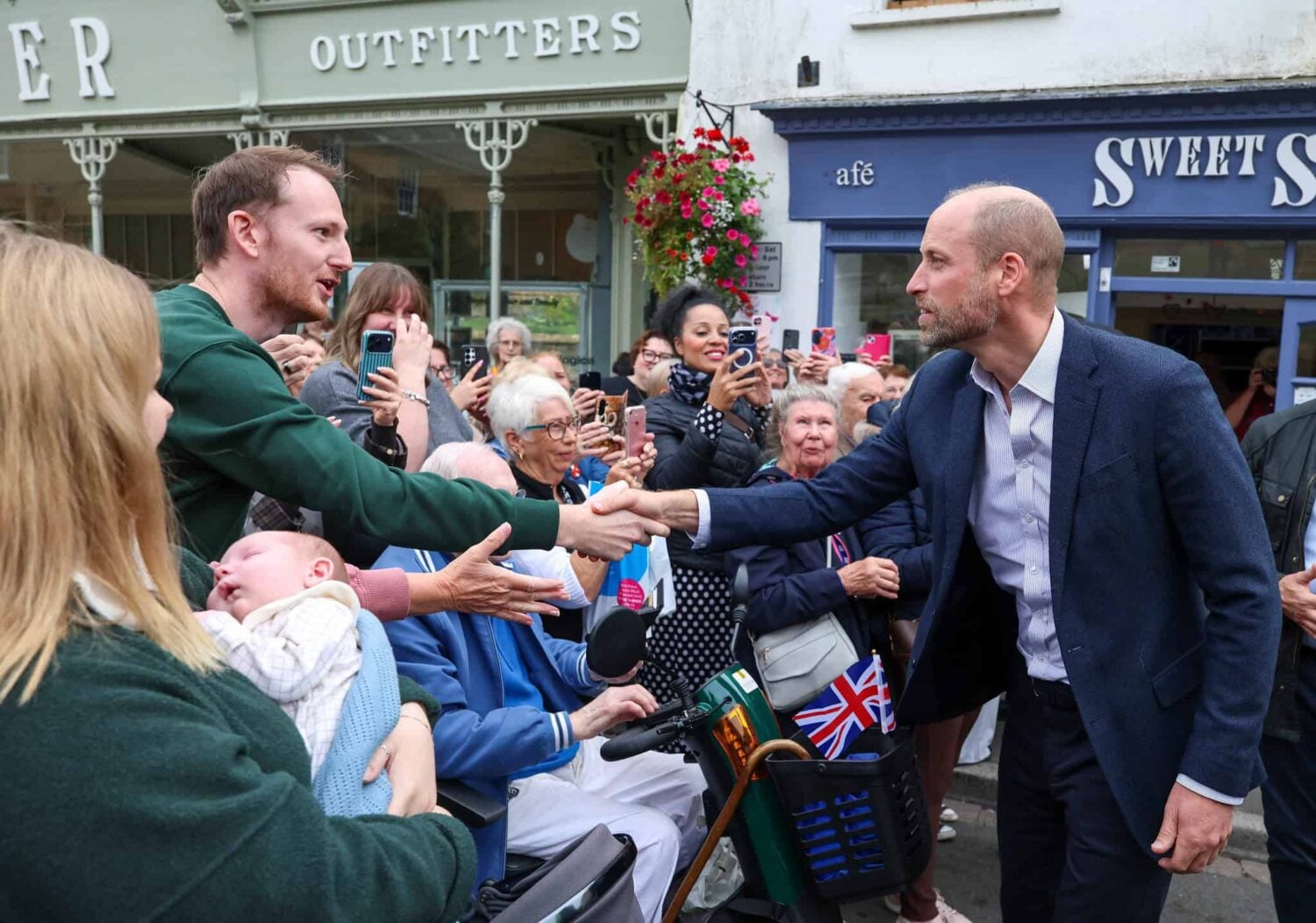
The Prince of Wales met community leaders and business owners in Ilminster. Image: Andrew Parsons/Kensington Palace
Reporting from disaster zones prompted Kemp to keep a cupboard at home filled with emergency supplies: tinned food, batteries, candles.
“It’s going to go dark in your house one day,” he says. “Maybe the fuse box will blow. You’ll need a torch, candles, something to light them with. It’s about being prepared.”
But it’s the ability of communities to help one another, as Groves’ neighbours did when the floods came, that Kemp believes the initiative can build on.
“We have great blue lights in this country, but communities are usually the first in and the last out,” Kemp tells me. “When I made documentaries during Covid, I saw how people came together. We’re really good at doing that during a crisis. But how much better would we be if we were prepared?”
Main image: Andrew Parsons / Kensington Palace