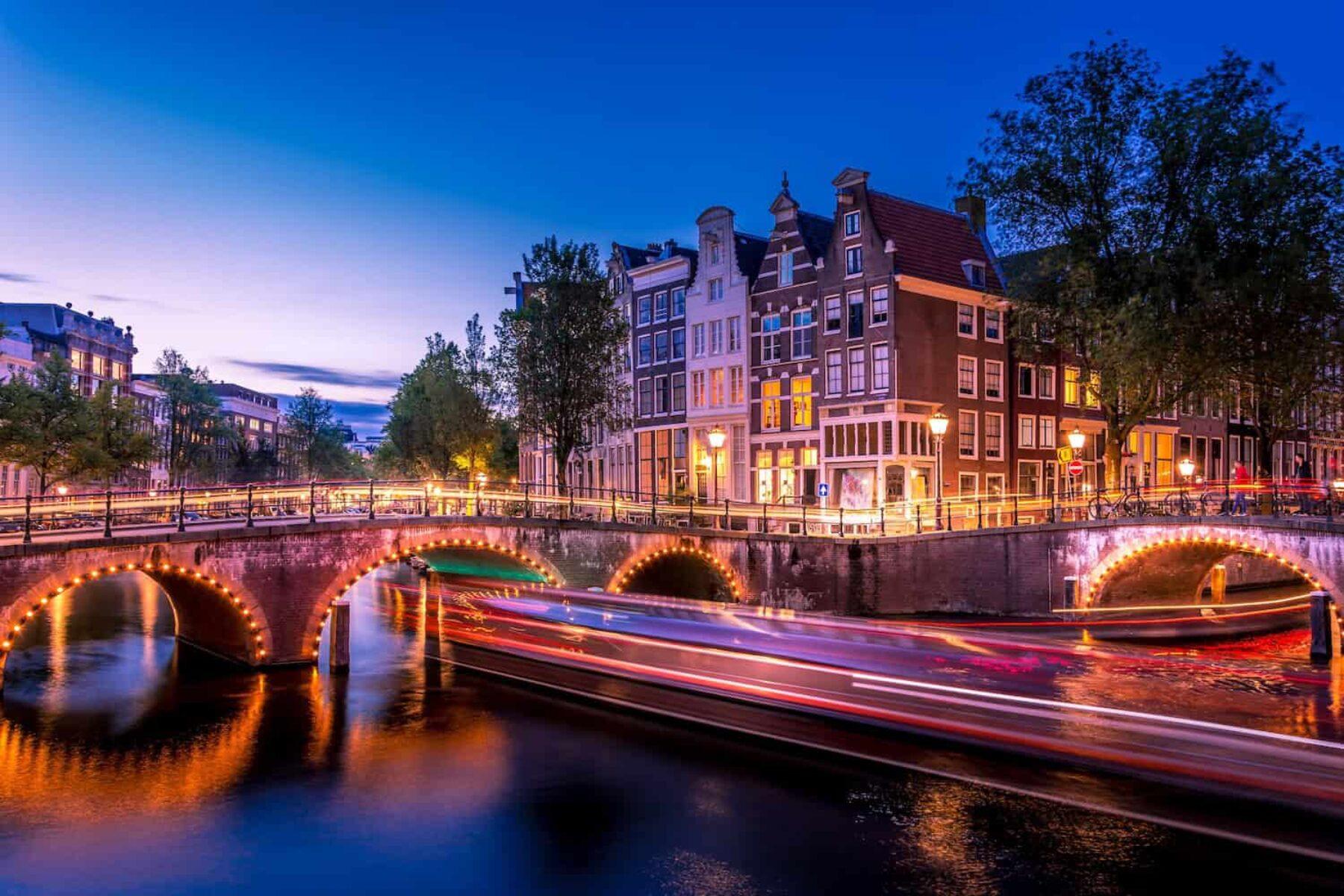
Europe’s green energy ‘tipping point’, a US cancer milestone, and the return of a big beast to the Spanish highlands, plus more good news
This week’s good news roundup
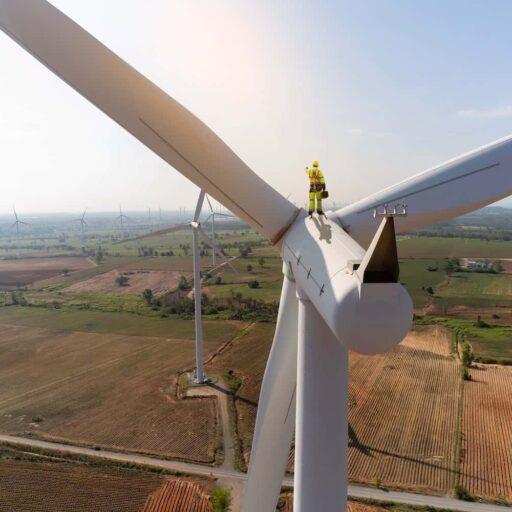
For the first time, homegrown clean power generated more electricity than fossil fuels in the EU last year – a milestone described by experts as a major “tipping point”.
A review of the EU’s energy sector by Ember, a thinktank, revealed that wind and solar generated 30.1% of electricity in 2025, just edging out fossil power sources, which generated 29.0%. Hydro and nuclear provided the rest.
“This milestone moment shows just how quickly things are changing in the EU’s power sector,” said energy analyst Dr Beatrice Petrovich.
The boom in green energy is not just good news for the climate, though. “For the EU, risks of energy blackmail from fossil fuel exporters loomed large in 2025,” the report noted. “Investing in homegrown renewables is a key strategy to lower that risk, as geopolitics continue to destabilise.”
While the EU is managing to wean itself off Russian gas, it has become more dependent on imported liquified natural gas from the US. “The next challenge will be to put a serious dent in the EU’s reliance on expensive, imported gas,” said Petrovich.
Key to that, she added, will be battery deployment, which the report said “accelerated significantly” last year in the EU.
Image: Shutterstock

The world’s most populous nations, China and India, both recorded a fall in coal power generation last year – the first simultaneous drop since 1973.
That’s according to analysis by Carbon Brief, which said that both counties had deployed record amounts of renewables in 2025. The climate reporting website noted that electricity generation from coal fell by 1.6% in China and 3% in India. If momentum is maintained and renewables targets met, both countries will have passed peak coal by 2030, it added.
“These shifts have international implications, as the power sectors of these two countries drove 93% of the rise in global CO2 emissions from 2015-2024,” said Carbon Brief.
“While many challenges remain, the decline in their coal-power output marks a historic moment, which could help lead to a peak in global emissions.”
Image: Shanghai. Credit: Denys Nevozhai
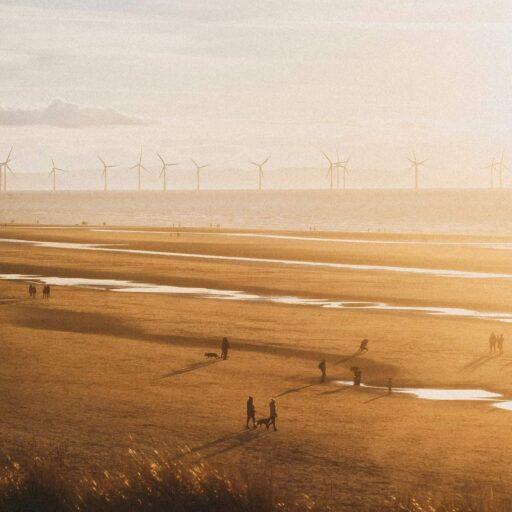
The UK’s energy transition has the wind in its sails after the government secured a record supply of offshore wind projects in its latest auction.
One successful project is Berwick Bank in the North Sea, which is set to become the largest offshore wind farm in the world – if other countries don’t build a bigger one first.
“These new wind farms will lower our bills when they come online, and shield us against the volatile fossil fuel prices driven by the actions of unreliable petrostates,” said Dr Douglas Parr, policy director at Greenpeace.
The UK government has an ambitious target to source at least 95% of Great Britain’s electricity from clean power sources by 2030.
“This auction keeps the clean power 2030 target – the government’s most ambitious climate commitment – on track,” said Dr Parr. “The North Sea may be running out of gas, but it won’t be running out of wind any time soon.”
Other experts, however, think that the UK may struggle to meet the target despite the record auction.
Image: Tuna Ekici

It’s often said that we’re in a golden age of medicine and this week came more evidence to support that.
According to the American Cancer Society’s (ACS) latest figures, 70% of US citizens are now living five years after a cancer diagnosis – up from around 50% in 1970.
ACS said that survival gains since the mid-1990s have been especially notable for people diagnosed with more fatal cancers, such as myeloma (from 32% to 62%), liver cancer (7% to 22%), and lung cancer (15% to 28%).
“Seven in 10 people now survive their cancer five years or more, up from only half in the mid-70s,” said Rebecca Siegel, senior scientific director at ACS.
“This stunning victory is largely the result of decades of cancer research that provided clinicians with the tools to treat the disease more effectively, turning many cancers from a death sentence into a chronic disease.”
Image: National Cancer Institute


Europe’s largest terrestrial mammal is now roaming Spain’s Iberian Highlands thanks to a nature restoration project that aims to tackle wildfires and boost biodiversity.
Nine bison were released near the village of El Recuenco, in Guadalajara province this week. The animals are keystone species which reshape landscapes, providing habits for other plants and animals.
Researchers will now monitor the Iberian Highlands’ new inhabitants to see how Europe’s last wild bovine could help restore Mediterranean ecosystems.
Similar reintroduction projects have launched elsewhere, including the UK. Together they have helped boost bison numbers. According to Rewilding Europe, the European bison population has increased from around 2,500 to around 9,000 over the last decade – a remarkable recovery considering there were fewer than 60 individuals alive in zoos and private parks in 1927.
“We expect the bison to help reduce the risk of catastrophic wildfire outbreaks through their grazing and browsing of the woodland,” said Enrique Collada, El Recuenco’s mayor. “We are also hoping that this unique and iconic species will attract more visitors to our village, generating new opportunities, jobs, and income for the people living here.”
Image: Shutterstock

Just 32 companies were responsible for 50% of global CO2 emissions in 2024, according to fresh analysis from Carbon Majors – a research project that pinpoints the world’s biggest polluters.
While that might not sound like good news, Carbon Majors’ research is increasingly being used to hold polluters to account. Launched in 2013, it is the only dataset of its kind and has provided evidence in climate litigation cases in New York, Vermont and Germany.
Its latest data shows that 17 of the 20 biggest emitting companies are controlled by states that obstructed plans to devise a roadmap to exit fossil fuels at Cop30. Among them are China, India, Russia, Saudi Arabia and the United Arab Emirates.
“[Big emitters] are clinging on to outdated, polluting products and continue to mislead the public on the urgent real-world consequences of their actions – but they cannot hold us back for long,” said Christiana Figueres, former executive secretary for the United Nations Framework Convention on Climate Change.
“This data provides a tool for the growing majority who are coming together to champion science-backed solutions and accountability.”
Image: Arvind Vallabh

The UK government has launched a consultation on banning under 16s from using social media just weeks after Australia implemented its own ban.
The consultation began as the UK’s top doctors declared a “public health emergency” over the effect that screen time and harmful online content is having on children’s wellbeing.
Outlawing social media for under-16s has cross-party support, but some critics claim that outright bans go too far. Chris Sherwood of the National Society for the Prevention of Cruelty to Children said that social media is a lifeline for some young people, and that banning it would “punish teenagers for tech platform’s failures”.
Still, political momentum has been growing to prohibit social media for children following Australia’s ban, which came into effect in December. France, Denmark and New Zealand are among the nations considering similar measures.
Image: Andrea Piacquadio

A new “reader-led” literary prize has launched to help emerging writers overcome some of the barriers that scribes face getting published.
The Libraro prize reimagines how new authors are discovered, giving readers, rather than industry gatekeepers, an active role in championing emerging talent.
Writers submit manuscripts to the Libraro literary platform, where readers help to draw up a shortlist of their favourite six entries. The overall winner will then receive £50,000, plus a book deal with Hatchette UK. Readers also receive prizes, with £10,000 going to the bookworm who discovers the winning entry and another £10,000 going to the reader who engaged the most with manuscripts.
“The Libraro prize was created to sidestep the traditional barricades of the book industry and put power in the hands of writers and readers,” said David Roche, Libraro’s chairman. “By partnering with Hachette UK, we’re combining the reach and expertise of a world-class publisher with a genuinely democratic, reader-led discovery process.”
The competition is open to anyone aged 18 or over, worldwide.
Image: Hannah Olinger

What does success look like when purpose, rather than profit, is the starting point?
Positive News is exploring such questions in a new five-part podcast series, The Purpose Pioneers, which launched on Tuesday.
Across five warm and insightful conversations, host Sarah LaBrecque meets people at the forefront of some of the UK’s most inspiring organisations – from the charity leader bringing the joy of play to excluded disabled children, to the founder who is making coach travel cool again.
Listen to the first episode here.
Image: Give Up Art/Positive News
Main image: Marton Kerek
Get your weekly fix of good news delivered to your inbox every Saturday, by signing up to the Positive News email newsletter
Support solutions in 2026
At Positive News, we’re not chasing clicks or profits for media moguls – we’re here to serve you and have a positive social impact. We can’t do this unless enough people like you choose to support our journalism.
Give once from just £1, or join 1,800+ others who contribute an average of £3 or more per month. Together, we can build a healthier form of media – one that focuses on solutions, progress and possibilities, and empowers people to create positive change.