School dinners got a healthy kickstart, plans were laid to reintroduce golden eagles to England’s skies, and the new issue of Positive News hit the shelves, plus more good news
This week’s good news roundup

Millions of children across England are set to benefit from an overhaul to school dinners, as revealed in government plans this week. Schools will no longer be able to offer sugary treats every day, with fruit primarily being served instead. Deep-fried food will also be banned, and ‘grab-and-go’ options such as sausage rolls and pizza will be limited.
The change comes after a poll revealed that three quarters of parents are concerned about the food their children are consuming at school, according to the Department for Education.
It’s the first change to school food standards in over a decade – supporters of the update are calling it ‘welcome and long overdue’. A nine-week consultation on the proposals will be carried out, with the new standards coming into force from September 2027.
While concerns have been raised that schools may not have the budget to manage the new menus, Prime Minister Keir Starmer said in an interview that he thinks it’s doable.
Meanwhile, early education minister Olivia Bailey said on BBC Breakfast that she hopes the plans will “kickstart a transformation of school food”.
Image: Yan Krukau
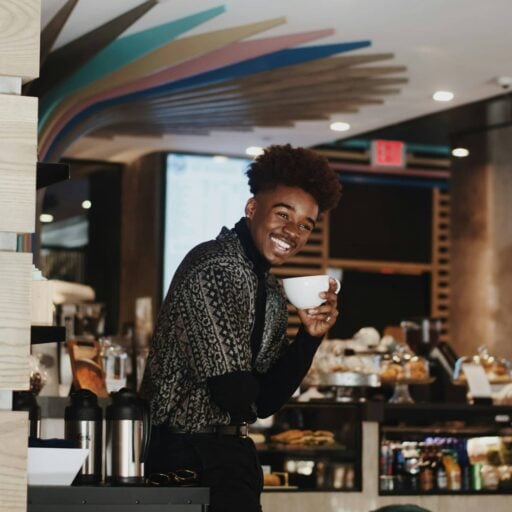
Caffeine lovers can smile this week, as a new study revealed that having a moderate amount of coffee per day might be a boon for mental health. Published in the Journal of Affective Disorders, the study took data from more than 460,000 participants from the UK Biobank, a large cohort of people aged 40 to 69. Looking to investigate the association between daily coffee consumption and various mental disorders, the participants were followed for more than 13 years.
The results? Two to three daily cups of coffee might have a positive effect on mental health, particularly in men. It is thought this is due to the anti-inflammatory effects of caffeine. But don’t overdo it. Or have only a sip, for that matter. The researchers found that too little or too much coffee did not have the same benefits as coffee drunk in moderation.
Image: Cassandra Hamer

One of Britain’s most iconic birds, the golden eagle, could soon soar over England again after more than 150 years of absence, following new government backing for a recovery programme that blends conservation science with community-led action.
Once widespread across England and woven into the country’s cultural fabric – appearing more than 40 times in the works of William Shakespeare – golden eagles were driven to near extinction during the Victorian era through sustained persecution and habitat pressure.
Now, a new feasibility study by Forestry England suggests that the conditions for their return may finally be in place. The research identifies eight potential recovery zones, primarily across northern England, where landscapes could once again support sustainable populations of the birds. Backed by £1m in government funding, the next phase will explore how a reintroduction could work in practice.
Read the full story here.
Image: David Dixon

Bowel cancer has the second highest mortality rate of any cancer, with more than 16,800 people succumbing to the disease in the UK every year. Survival rates can be high, up to 98%, when identified early. But chances of survival for the advanced form of the disease can be as low as 10%, over a five-year period.
Last December, the UK’s National Health Service approved the drug bevacizumab to treat the disease. But it has serious side effects and only works for a limited number of patients. It’s impossible to tell which ones might benefit from it. But that could be changing.
Researchers at London’s Institute of Cancer Research (ICR) and the RCSI University of Medicine and Health Sciences in Dublin, have developed a way to potentially spare patients who won’t benefit from the drug.
Anguraj Sadanandam, a professor at the ICR told the Guardian: “Our research uses advanced AI methods to pull together large amounts of complex data, helping us to spot patterns that would otherwise be impossible for a human to see … we have shown that this allows us to identify the patients least likely to respond to treatment with bevacizumab.”
Image: Accuray


In the UK’s summer months, when the days stretch longer and the sun shines brighter, electricity demand is lower. An increase in smaller, more local electricity generators is also contributing to less demand on larger power stations, as is the growth of renewables. The result? Surplus electricity.
In a programme revealed this week, the UK’s National Energy System Operator (NESO) has said that electricity companies can now incentivise customers to use more electricity during these times of excess. That could mean doing more washing, running the dishwasher or charging EVs at certain times – and getting a reward for doing so. Such rewards could come in the form of cheaper or even free electricity, or points that could be turned into gift cards.
So far, British Gas, Equiwatt and Octopus Energy have signed up to be part of the scheme. You’ll also need to have a smart meter to participate.
A spokesperson from NESO told the BBC: “The complexity of operating the system at low demand is increasing, and we may need to use more of our tools, and use them more often, than in previous summers.”
Image: RDNE Stock Project

In the summer of 2022, a 10 year women’s health strategy for England was released by the government. It was hailed “a landmark moment in addressing entrenched inequalities and improving the health and wellbeing of women” by Steve Barclay, the secretary of state for health and social care at the time. But fast forward to today, and not enough has changed.
A report published in March by the women and equalities committee revealed that women’s gynaecological and menstrual health is still not being “sufficiently prioritised”. What’s more, wider changes to the NHS mean that parts of the strategy are at risk of being scaled back or discontinued.
To address these concerns, the government announced this week that the strategy would be updated. It will include a new standard of care to ensure women are offered appropriate pain relief for invasive procedures, more powers to effect change if they have a negative experience, and action around long waits for diagnoses for conditions such as endometriosis.
Women’s health groups welcomed the renewed strategy, but cautioned that decisive action would need to be taken. “These commitments must be matched with a clear roadmap for delivery, including ensuring the necessary resources and capacity,” said Emma Cox, chief executive at Endometriosis UK.
Image: Jogendra Singh

If you’re a vinyl collector, make sure to set your alarm clock early on Saturday, 18 April. It’s Record Store Day, an annual, global celebration that sees thousands of record shops participate with parties, in-store performances and limited-edition releases. In its 19th year, the special day is a time to celebrate the unique culture and history that permeates record stores.
This year, former Led Zeppelin frontman Robert Plant was given the ‘Record Store Day Legend’ award, for his connection to these independent shops, which stretches back decades. Other former honourees include Elton John and Johnny Marr.
DJ Sam Young, who has spun at private events for the likes of George Clooney and Beyoncé, offers a few tips for the day. “Get there early,” he says. “Queuing is part of the experience and the best records are usually gone by lunchtime.” He also recommends going with a game plan. “Have a list ready, otherwise you’ll get caught up in the moment and could miss what you actually came for.”
Click here for a list of participating shops.
Image: Steve Reid
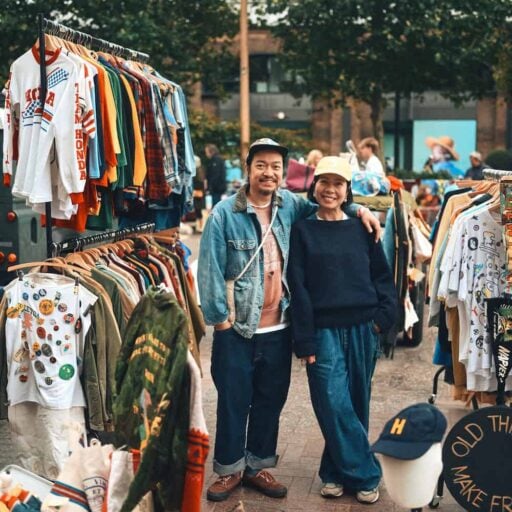
It’s that most promising time of year, when blossom perfumes the air, birds chirp, and market season swings into action in the UK capital. This weekend, two colourful events are offering the chance for visitors to slow down, shop locally, and rediscover the joy of being out in the city.
At Truman Brewery on Brick Lane, a new curated market is taking a stand against mass-produced, fast-shipped products and focusing on sustainability, ethical practices and handmade goods. The Ethical Edit, an ethical traders market, will bring together a line-up of independent makers and small brands working across ceramics, textiles, prints, clothing, natural skincare and more.
Meanwhile, across the city at King’s Cross, the Classic Car Boot Sale returns this weekend, transforming Granary Square, Lewis Cubitt Square and Coal Drops Yard into a high-energy celebration of vintage style, music and sustainable fashion.
Here, over 100 vintage traders will sit alongside more than 100 classic and heritage vehicles, creating a vibrant space where ethical fashion meets automotive heritage.
“This year’s event has a real sense of momentum,” said Wayne Hemingway MBE, founder of Hemingway Design and co-founder of The Classic Car Boot Sale, which first launched in 2013. “It’s about great design, individuality and making sustainable choices feel exciting and accessible.”
Read the full story here.
Image: Mykola Romanovsky
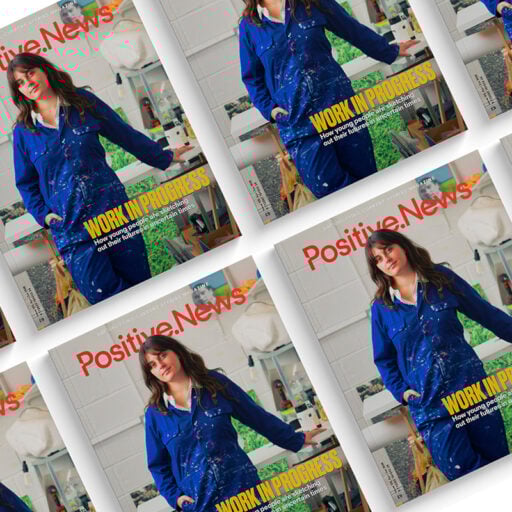
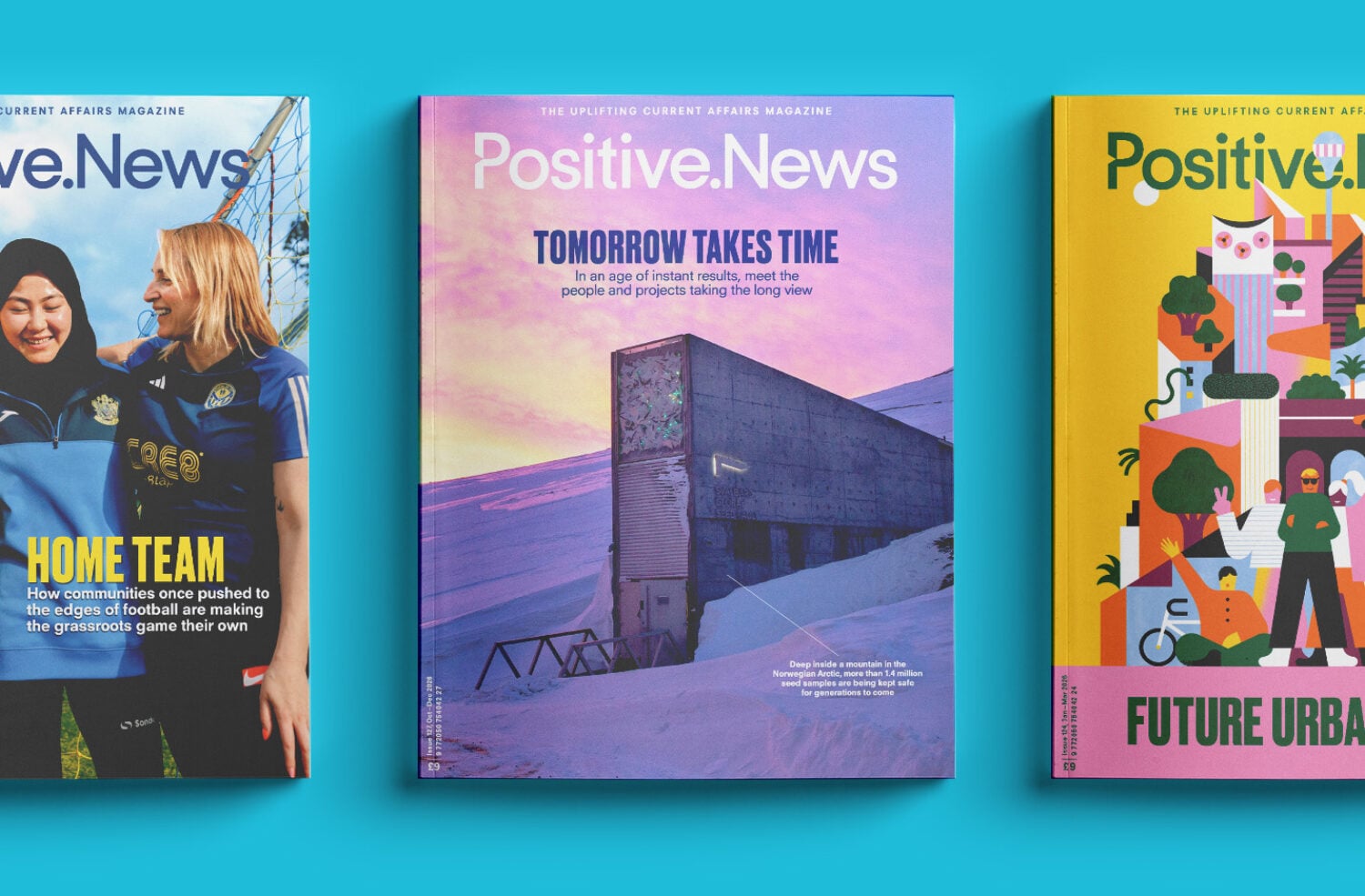
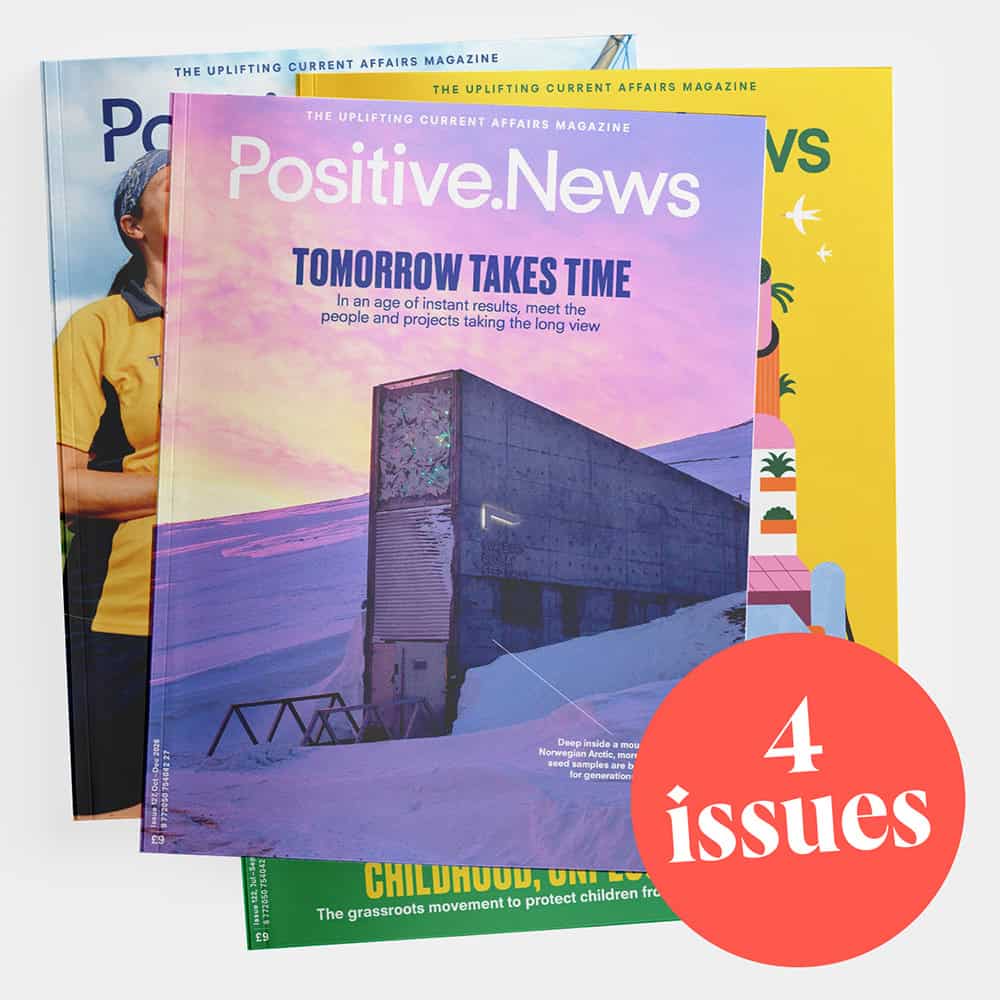
It’s here – the latest issue of Positive News. And as always, it’s chock full of inspiring stories. From our cover feature exploring how young people are shaping their futures in uncertain times, to stories on happier childhoods in the Netherlands, communal dining, and Moby’s reflections on music and anxiety – the spring issue is packed with uplifting stories of creativity, resilience and change.
Subscribe now to get your copy
Image: Denis Vahey
Main image: Robert Kneschke
Get your weekly fix of good news delivered to your inbox every Saturday, by signing up to the Positive News email newsletter
Be part of the solution
At Positive News, we’re not chasing clicks or profits for media moguls – we’re here to serve you and have a positive social impact. We can’t do this unless enough people like you choose to support our journalism.
Give once from just £1, or join 1,800+ others who contribute an average of £3 or more per month. Together, we can build a healthier form of media – one that focuses on solutions, progress and possibilities, and empowers people to create positive change.