A west London project will use waste heat from a data centre to supply low-carbon heating to 4,000 homes and a new commercial district
With millennia of history, hundreds of miles of underground rail and thousands of miles of sewers and pipelines, making large-scale sustainable infrastructural changes in central London is incredibly complex. A redevelopment project in west London is nevertheless set to use waste heat from a data centre in an ambient loop network to supply low-carbon heating to 4,000 homes and a new commercial district.
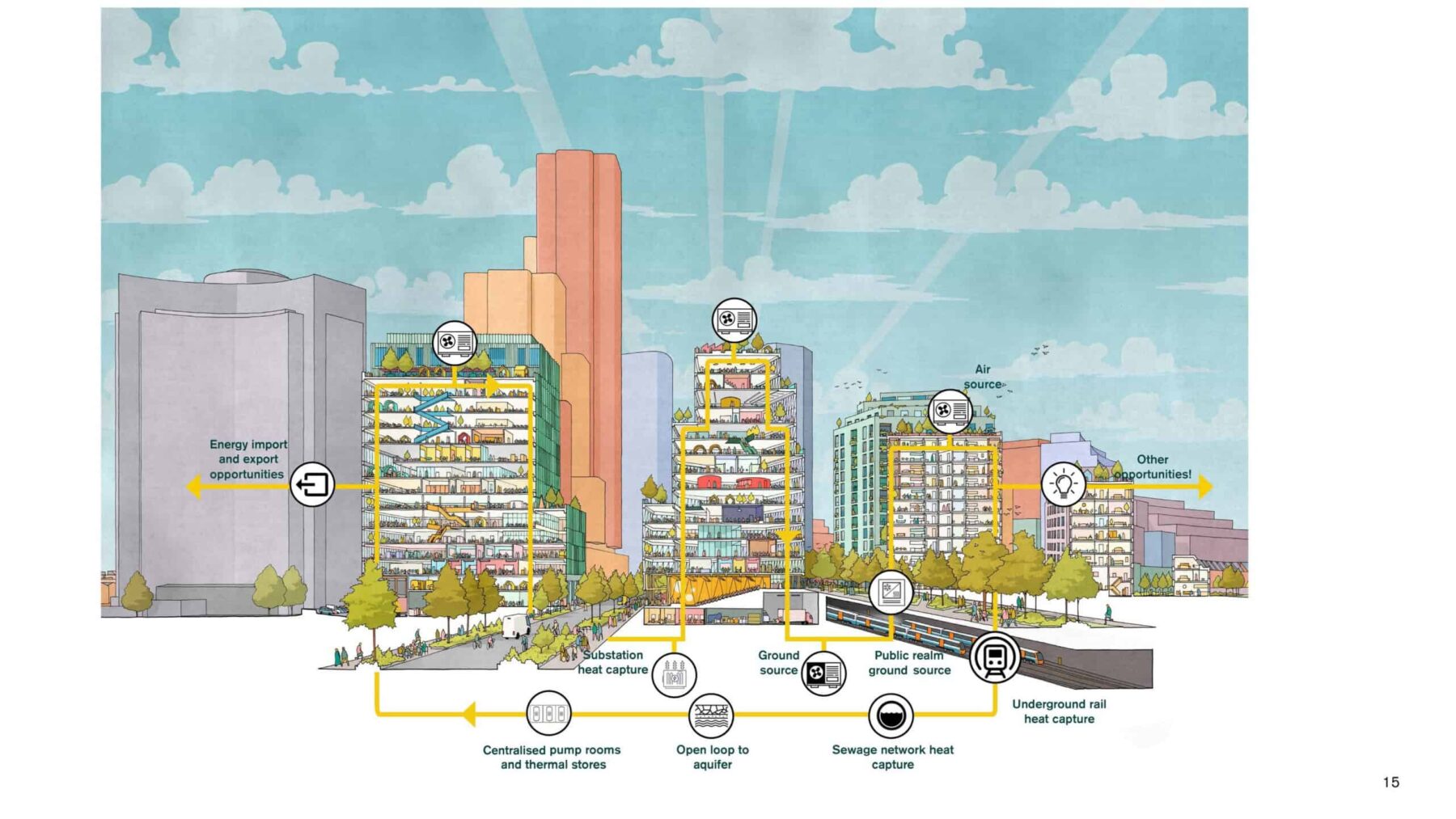
The network will circulate low-temperature water through underground pipes to capture heat from the Mopac Tower data centre, nearby Tube tunnels and other local sources. Building-level heat pumps then raise it to usable temperatures for heating and hot water. The development’s latest sustainability statement says these systems operate at about 264% efficiency, far higher than traditional gas boilers of around 80–90% because it is simply moving heat to create energy, rather than burning energy.
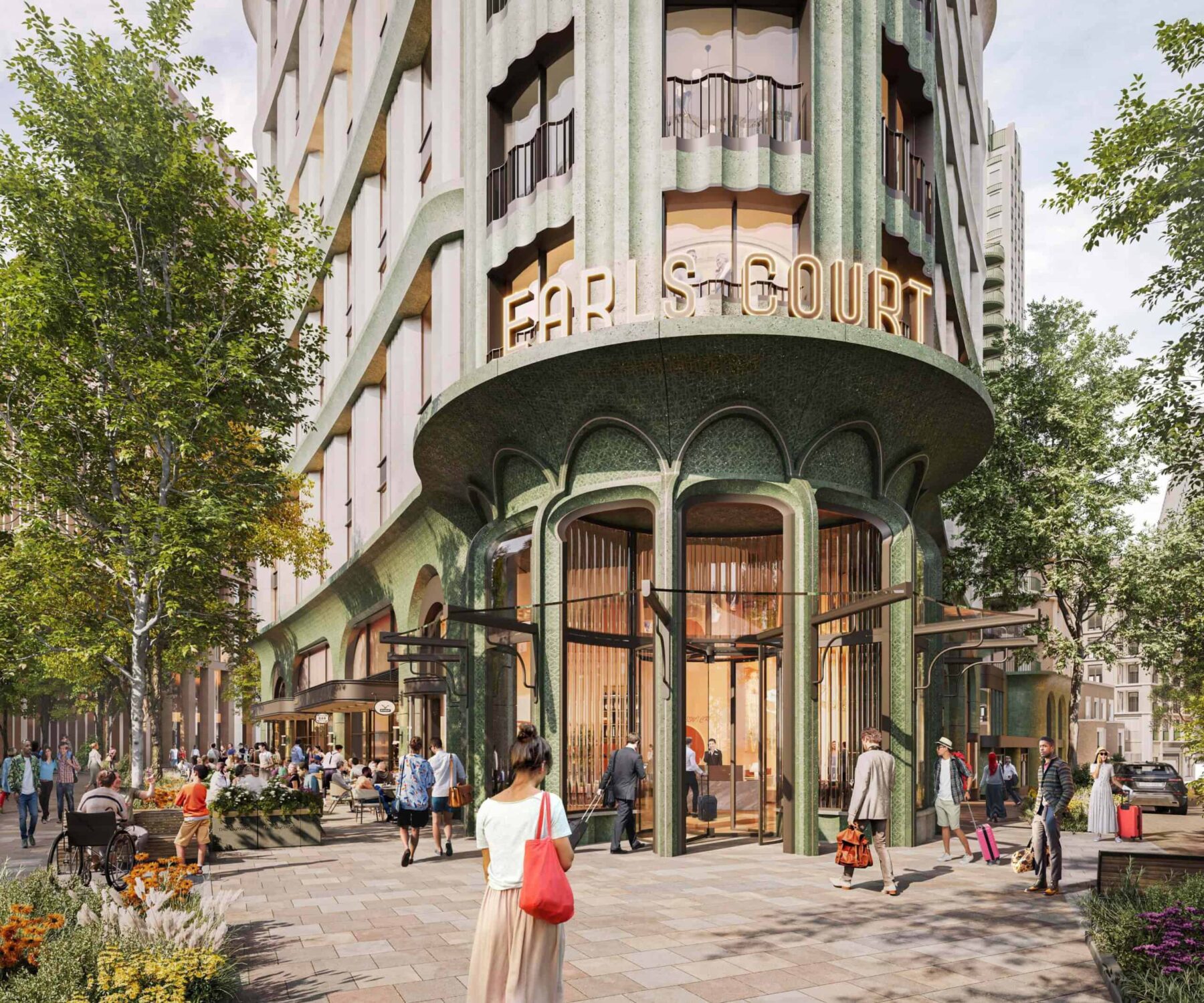
Developers say the 44-acre, £8bn Earl’s Court project is one of the largest systems of its kind in the UK and almost entirely privately funded, supported by £1.3m of public grants.
The development aims to be operationally net-zero carbon from day one, with a goal to eventually be energy positive, exporting low-carbon heat to nearby communities, says Peter Runacres, head of urban futures at the Earl’s Court Development Company.
Ofgem, which becomes the statutory regulator for heat networks next year, has promised to protect consumers and ensure they pay “a fair and proportionate price”, a necessary safeguard given the mixed performance of early UK schemes.
Heat networks elsewhere in Britain have struggled with outages, slow repairs and opaque pricing, so the risk is real. ECDC argues its design avoids the pitfalls. Sutton said the system has “inherent resilience”, with a back-up plant, three interlinked loops so two-thirds stay online if one fails, and large storage tanks that absorb peaks in demand. Because the system runs on ambient temperature water rather than high-pressure heat, she said, it is less vulnerable than older networks.

Concerns about two-tier access, where some buildings benefit and others do not, have dogged other projects. Sutton said all buildings within the masterplan boundary will have the option to connect, though it will not be compulsory. The company is in discussions with Hammersmith, Fulham and Kensington, and Chelsea to extend connections across borough lines and reduce fuel poverty.
While these loop systems remain relatively new in the UK, smaller versions already operate at developments like One New Change in the City of London. Countries including Sweden and Denmark have deployed district heating far more widely, helped by planning systems more supportive of shared energy infrastructure and by historically higher heating costs that drove innovation.
Images: ECDC
Be part of the solution
At Positive News, we’re not chasing clicks or profits for media moguls – we’re here to serve you and have a positive social impact. We can’t do this unless enough people like you choose to support our journalism.
Give once from just £1, or join 1,800+ others who contribute an average of £3 or more per month. Together, we can build a healthier form of media – one that focuses on solutions, progress and possibilities, and empowers people to create positive change.