January now has a plethora of ‘new year, new you’ campaigns. We asked some of the Positive News team to try out Buy Nothing New Month, and others, to see how they get on
January was Buy Nothing New Month – a new activity to add to the long, dark first month of the year. Established by Keep Britain Tidy, its aims are simple enough: save money, embrace a new hobby (that isn’t shopping) and, of course, live more sustainably, creating less waste.
Although the thinking behind Buy Nothing New Month is commendable, it does have a knock-on effect for small independent businesses that rely on year-round cash flow.
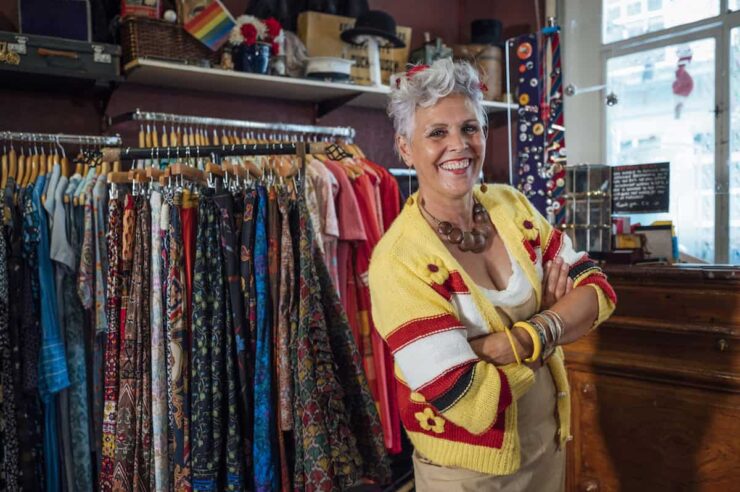
“While a no-spend mindset can really help the household finances by stopping meaningless spending with large corporations, we should be embracing a ‘think where you spend’ culture,” says Gemma Crawley-Roberts, owner of The Arc, an independent shop in Bedford.

“Local indies like us hire local people and offer a real sense of community on the high street. We are instantly reactive to customer needs and work tirelessly all year round to make sure we offer an experience you’ll love. Money spent with us goes straight back into your local economy. Supporting local has far reaching benefits that can be instantly felt.” she says.
Buy Nothing New Month (BNNM?) might need a snappier name if it’s really going to lodge itself in the public consciousness, but we asked three Positive News staffers to give it a go. Here is how they got on.
Tom Pattinson
January is already depressing enough, but I decided to fully lean in. I took on the triple challenge of Dry January, Buy Nothing New Month and Birchall’s Green Tea Challenge.
Dry January, surprisingly, was the easiest of the lot. With very little actually happening in January – few events, a near-empty social calendar and a busy work schedule – meant I barely left the house. Temptation was minimal.
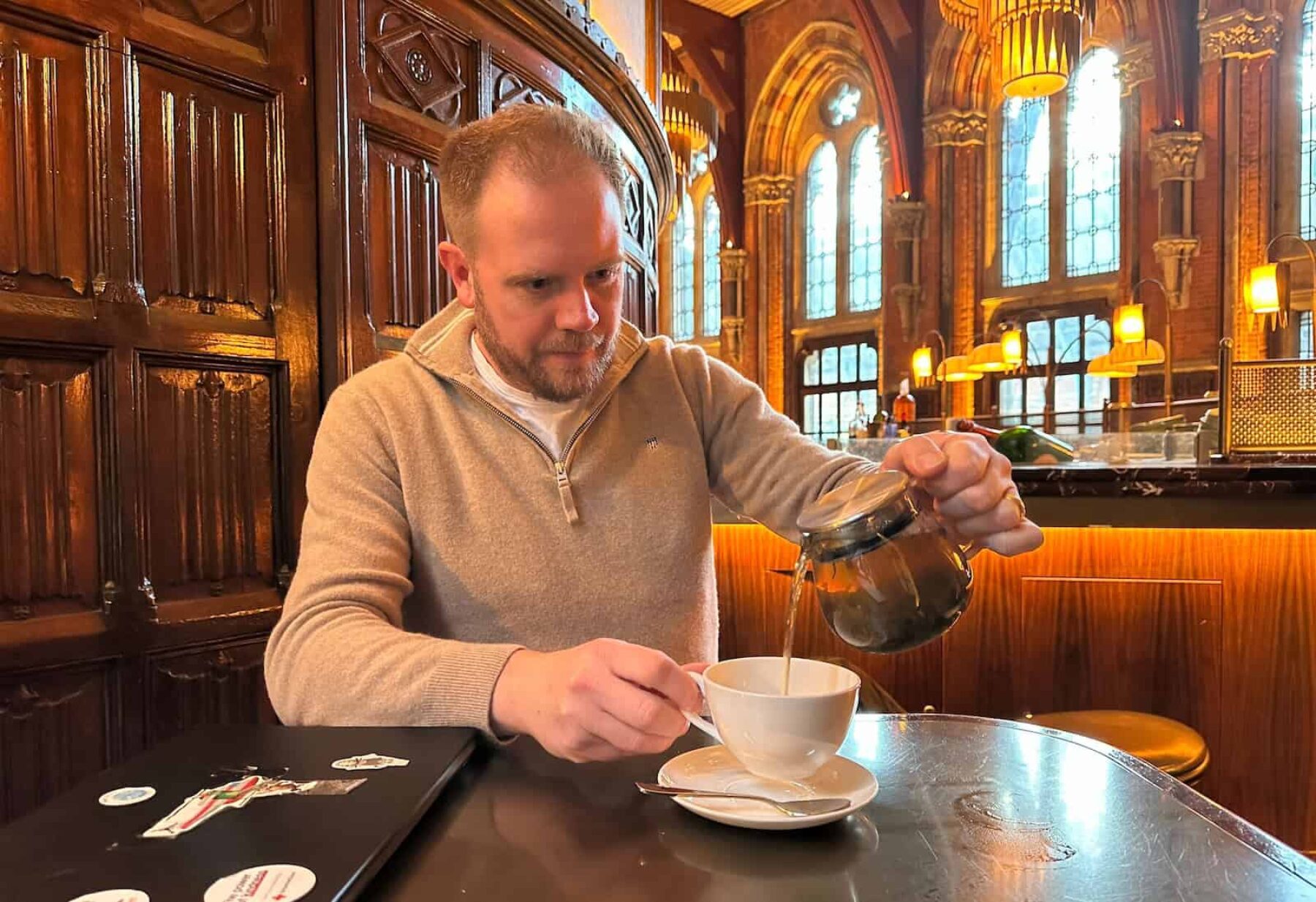
While I did have the odd coffee, I made green tea my default drink as part of Birchall’s Green Tea Challenge, replacing my standard builder’s tea with something I enjoy anyway. The combined effect of no booze and detoxifying green tea left me feeling unexpectedly sprightly, and I’m fairly sure my liver noticed too. I also think I shed a few pounds, even though the gym and I still need re-aquainting.
After the usual Christmas splurge – kids’ toys, new socks and a surprising variety of soap – I didn’t feel a huge urge to shop much in January. Aside from the permitted food shop, I did pretty well for Buy Nothing New Month. I did have to buy a carbon monoxide monitor after strong suggestions from the man who surveyed the boiler, and there was also a lunch with a colleague but that’s still food right?
I now carry a refillable coffee (or green tea) cup and a water bottle everywhere, which has become part of my leaving-the-house checklist – keys, phone, bottle. Takeaway coffees were replaced with bring-your-own teas, and I noticed my monthly credit card bill was also nicely slimmer than it is on a usual month.
My only real crack came just before the end of the month, when I was strong-armed by my four-year-old into buying a kids’ magazine, sadly loaded with plastic tat, following a particularly uncomfortable visit to the opticians. I blame the emotional vulnerability but overall found it all surprisingly less painful than I anticipated.
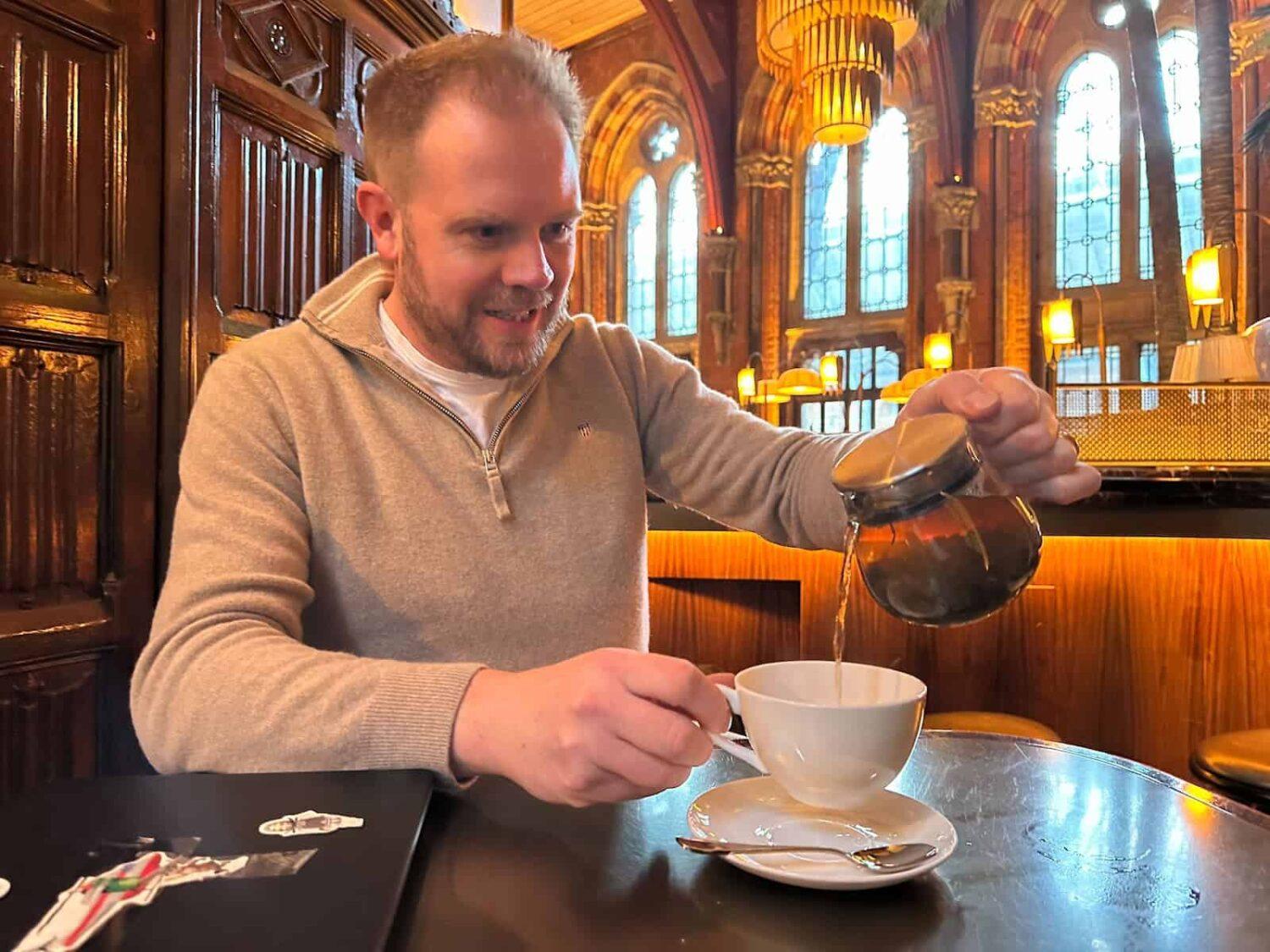
Editor Tom Pattinson did Dry January, Buy Nothing New Month and the Green Tea Challenge
Angela Garwood
Full disclosure: I failed at Buy Nothing New Month. Quite abysmally, actually.
From the outset, a no-buy January was always going to be a tall order. I agreed to take part thinking it might be quite fun – I like a challenge – before putting a mental pin in it and forgetting all about said pin. For most of January, it rather slipped my mind. I’d failed before I’d even begun, largely due to forgetfulness, or possibly quiet subconscious self-sabotage. I write everything down, meticulously, so part of me wonders whether I avoided doing so on this occasion because, on some level, I knew I didn’t truly want to take part.
No unnecessary purchases? Nothing new? In January? Could we have picked a less appropriate time to deny a woman of her right to… joy? “No-joy January,” I muttered quietly to myself as the idea was first discussed. Buying things is fun; January is depressing. The former serves as an antidote to the latter.
That said, I was curious. Could I do my bit for the environment? Perhaps I could seek joy elsewhere? Go on more walks, delve into the books I’d already accumulated… and how many cleansers does one person really need? (Four.) These thoughts proved fleeting.
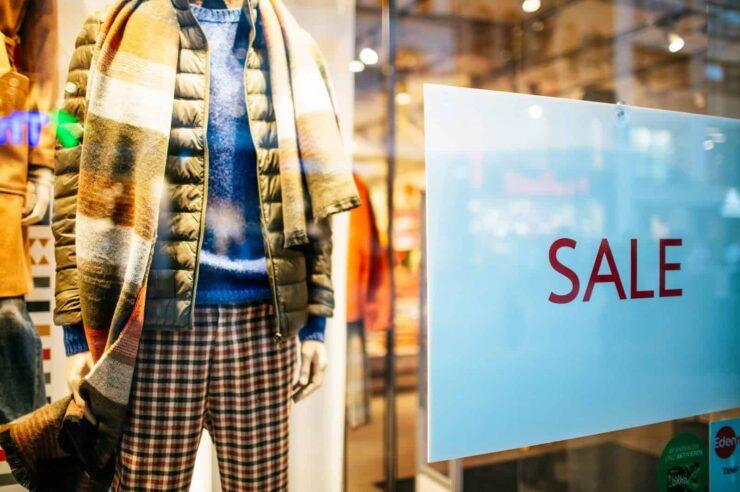
Soon enough, there was the gorgeous bedding I “desperately needed” (a bobbled duvet and mis-matched pillow situation; a sad state of affairs that needed rectifying), the skincare that I’d argue was practically medicinal; dry skin is an ailment after all, and the beautiful cardigan that was (supposedly) essential, all in the sale, of course. Then there were the lattés I could have skipped… but didn’t.
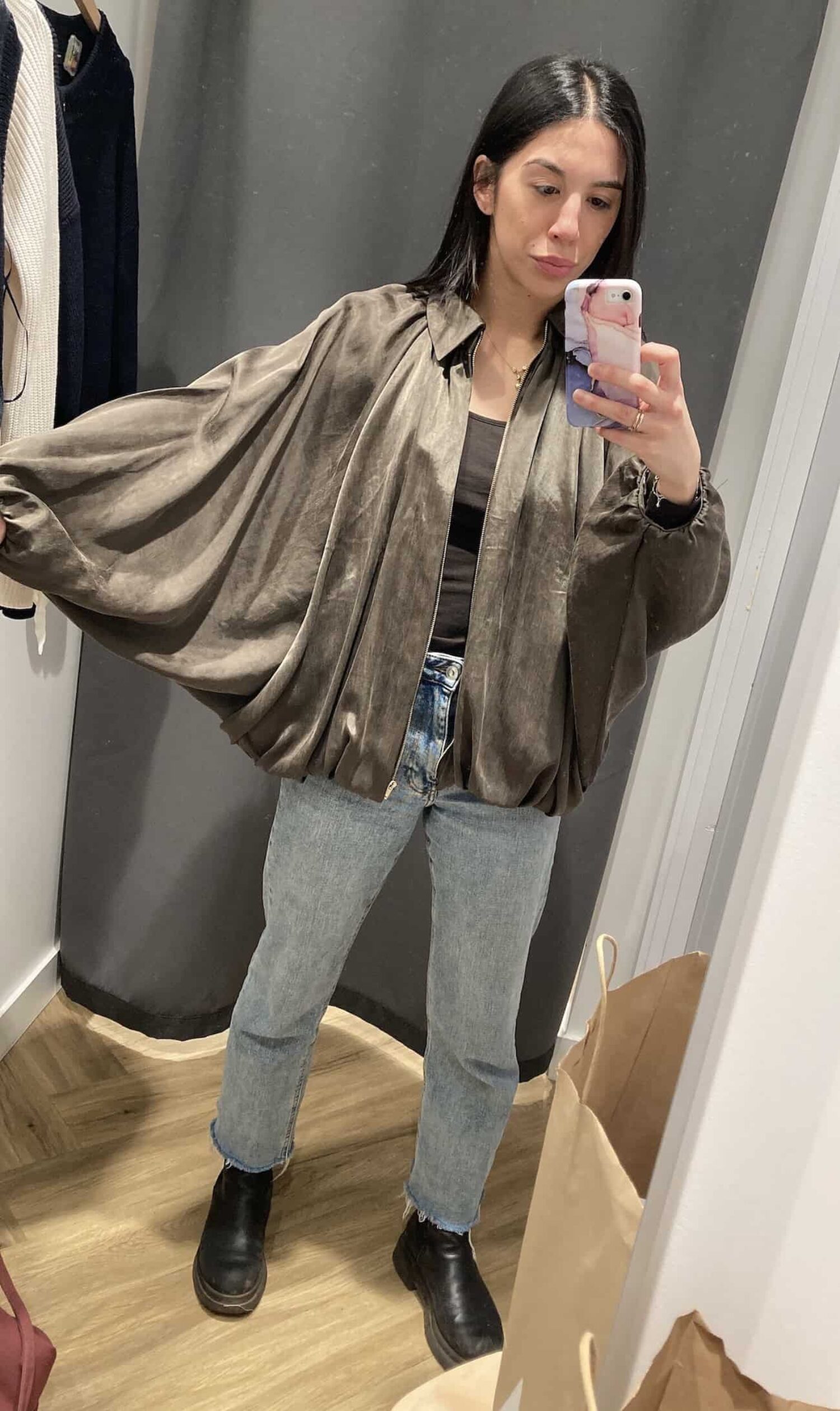
'Campaigns like this get people thinking; and that can only be a good thing,' says Angela Garwood
Contrary to my declaration of complete failure, I did have many successful days where I didn’t buy anything at all, though largely by default as opposed to restraint. While I’m disappointed in my efforts, I’ve decided that if I’m going to do this properly, I need accountability; a like-minded friend to go through it with, someone who understands the allure of a giant SALE sign.
It is, of course, an endeavour I’d encourage, an important campaign that fosters mindfulness, challenges our purchasing habits, and asks us to consider the environmental impact of what we buy and how we buy it. It prompts many questions.
What might change if more of us embraced second-hand clothing or simply bought less, more thoughtfully? Campaigns like this get people thinking; and that can only be a good thing.
I just ask that perhaps we try “no-buy July” next time. It’s a far more forgiving month, season/weather-wise, for those up for the challenge. And it rhymes.
Gavin Haines
Look, I failed spectacularly. To be honest, something about Buy Nothing New Month didn’t sit quite right with me, despite its good intentions. Collective acts of abstinence – not least Dry Jan – foment a rebellion within. So it was apt that I flunked on New Year’s Day with a pint of Guinness and packet of crisps in my local pub, which, frankly, needed the custom through January.
Pub visits aside, I did commendably for the rest of the month without really trying. My looming tax bill and empty bank account were motivating factors for my miserliness. But to be honest, Buy Nothing New Month felt like most months. I realised that I don’t generally buy much stuff, and what I do buy is usually secondhand. Vintage shops, charity shops and reclamation yards are my stomping grounds. That’s partly out of concern for the planet and my finances, but also because scouring these treasure troves is more fun than stomping around identikit high street shops.

Associate editor Gavin Haines failed the challenge in the pub on day one, and with a new book
The one brand new thing that I did buy was worth breaking the law for. Having left my book on a bus in Amsterdam, I needed a replacement for a long train journey, so I bought a copy of Until August – Gabriel Garcia Marquez’s final novel – in Centraal Station. It was so good that I read it again on the way back.
The other non-essentials that I purchased were a pre-loved t-shirt (sourced from a kilo shop in Groningen), a Van Gogh calendar (heavily discounted in my local charity shop), and a Victorian fireplace (sourced on eBay for a bargain price).
Buy Nothing New Month has a worthy mission in challenging rampant consumerism, albeit one that could impact small businesses at a time when they need support. The real challenge, however, is finding contentment with less for the rest of the year, and ensuring that the money we do spend goes to businesses that align with our values.
Support solutions in 2026
At Positive News, we’re not chasing clicks or profits for media moguls – we’re here to serve you and have a positive social impact. We can’t do this unless enough people like you choose to support our journalism.
Give once from just £1, or join 1,800+ others who contribute an average of £3 or more per month. Together, we can build a healthier form of media – one that focuses on solutions, progress and possibilities, and empowers people to create positive change.