
The story of the green transition is often told through technology. But behind the blades and cables are people – engineers, medics and advocates – whose work, and lives, are shaped by the winds of change

“Bloody hell, it’s enormous!” That was my first reaction on seeing a new wind turbine blade at close quarters, outside its factory in the city of Baoding, China’s renewable energy powerhouse. That visit some years ago brought home to me the sheer scale of the technology. It was an impression confirmed later, gazing out from the north Kent coast at the vast London Array offshore farm, and then standing under a towering turbine as it spun its slow circles high above a maize field in Germany. Scale and grace.
But there was one glaring absence from all my marvelling: people. Out there, these mighty engines seemed to stand alone. Which, of course, is nonsense. Because they wouldn’t be there in the first place, let alone keep spinning out reliable megawatts of power, if they didn’t have a dedicated crew of humans involved at every stage: planning, installing, laying cables, sinking steel and concrete, fine-tuning soft- and hardware every step of the way – and caring for each other as they do so, in some pretty challenging, sometimes remote, environments.
It’s time to put them back in the picture. With that in mind, here are glimpses of three people who keep the winds of change blowing strong.
Saving lives offshore
Mike Amos, offshore paramedic
Dealing with everything from heart attacks and hernias to sleeplessness and depression is all in a day’s work for a medic – and that’s true for Mike Amos, too. But unlike him, few get to do so in the middle of a storm way out in the South China Sea, or on the waves over the Dogger Bank.
As a qualified offshore paramedic, Amos’ base is on the boats working on some of the world’s massive windfarms. Which means sometimes he might be up the top of a turbine, running a practice drill evacuating a casualty down the tower, and next doing the same 30 metres below sea level.
In spite of the challenging conditions at sea – and doubtless because of his scrupulous attention to health and safety – real emergencies are rare. But they do happen: a heart attack in the North Sea, a hand crushed as a typhoon lashed the boat off Taiwan. Both casualties were brought safely to shore.
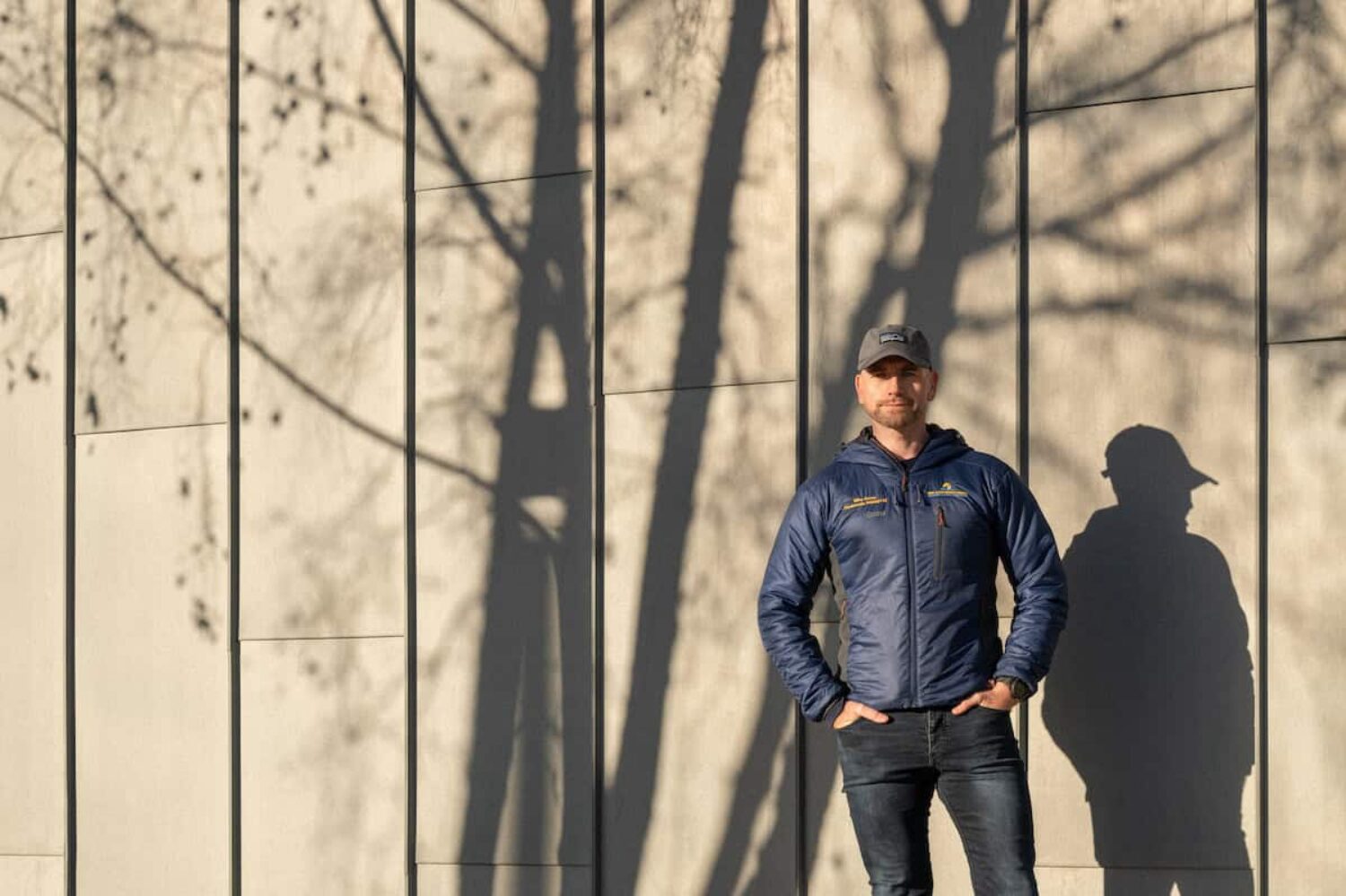
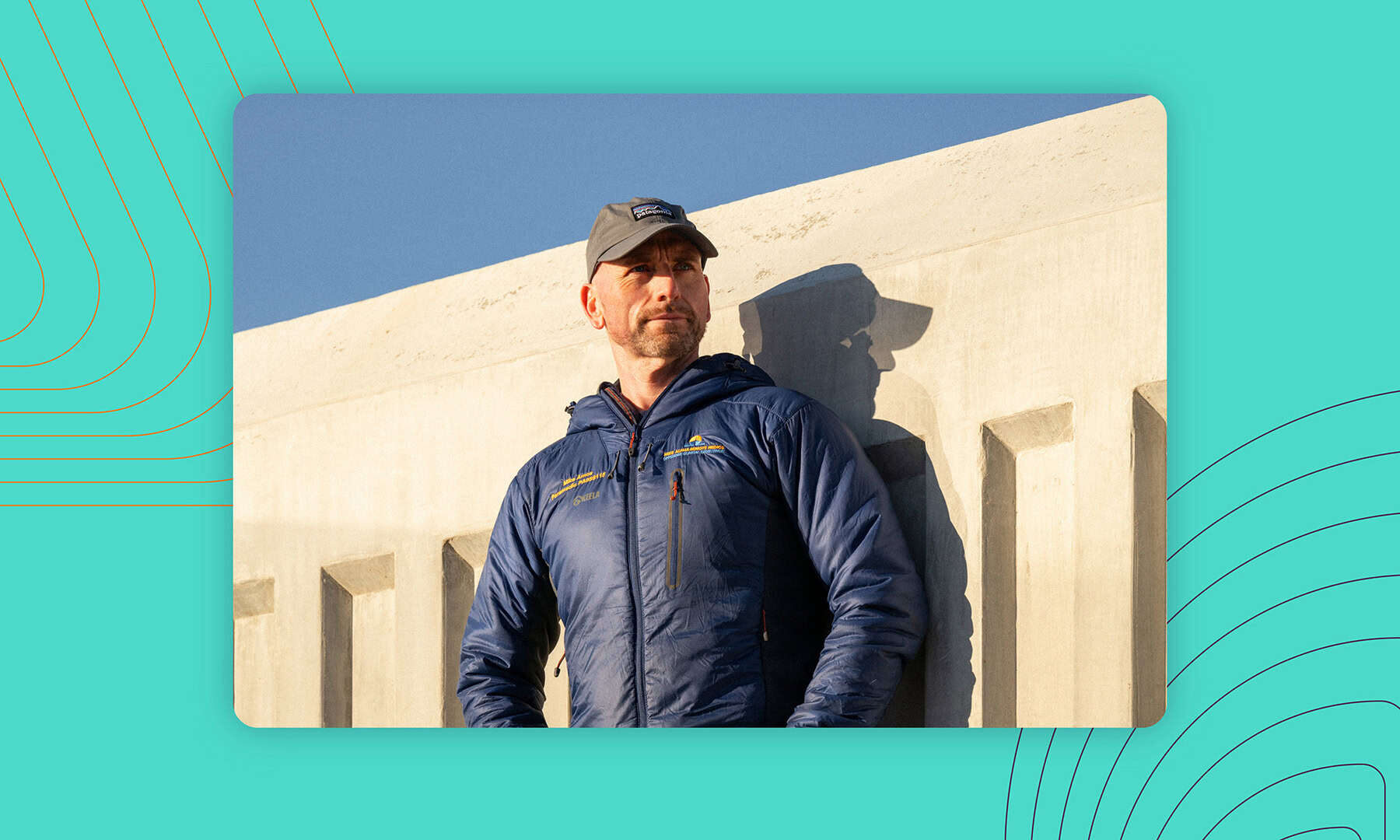
As a qualifed offshore paramedic, Amos’ base is on the boats working on some of the world’s massive windfarms. Image: Gordon Burniston
Often it’s “just colds and Lemsips”, says Amos. But there are other, more insidious health challenges too. A bunch of blokes (“and they are 99% blokes for now, though more women are starting to come into the industry”) cooped up on a ship for weeks on end, far from home and loved ones, inevitably throws up other challenges. Amos sees his role as teasing out what’s really going on, sometimes from men who are reluctant to open up. His down-to-earth, friendly Glaswegian manner helps. “They might come with a bad back or little niggles, maybe hoping you’ll sign them off as unfit for work that night, but then you might realise there are issues at home.”
Early experience in the ambulance service helps, too, he says, “going into people’s homes, noticing the small things”, assessing what’s really going on. “I make it my business to know what’s happening all over the vessel.”
Amos joins in with volleyball and workout sessions (“exercise is vital when you’re stuck on a ship”), and with blokey chats in the sauna. “It’s good to break down any barriers, get to know the crew, then it’s easier for them to approach you.”
I just love it. I love the ethos, the camaraderie. I love the way things work. I love the vessel life. I basically love the buzz of the offshore wind
As we speak, he’s on holiday with his wife and two children in Mexico, about to head off to a new posting on the Empire windfarm off Long Island, which is set to be the first to connect to the New York City grid.
Spending up to six weeks offshore is tough for a man with a young family, but the equal amount of time on leave is appealing – and there are gaps between assignments, too. Like all the wind workers I’ve spoken to, Amos enjoys his holidays, but also uses the time to study for the latest in professional qualifcations. As he puts it: “You have to have continuous personal development to stand out from the crowd.” He still does some shifts as ambulance crew, too. “It’s nice to get back out on the road again, keeps me in touch with the practice – and also reminds me why I’m not working for the NHS any more.”
He and his family are planning on emigrating to Spain shortly, but says he’s in the offshore business for the long term. “I just love it. I love the ethos, the camaraderie. I love the way things work. I love the vessel life. I basically love the buzz of the offshore wind.”
Sky high and grounded
Grzegorz Kędzierski, commissioning engineer
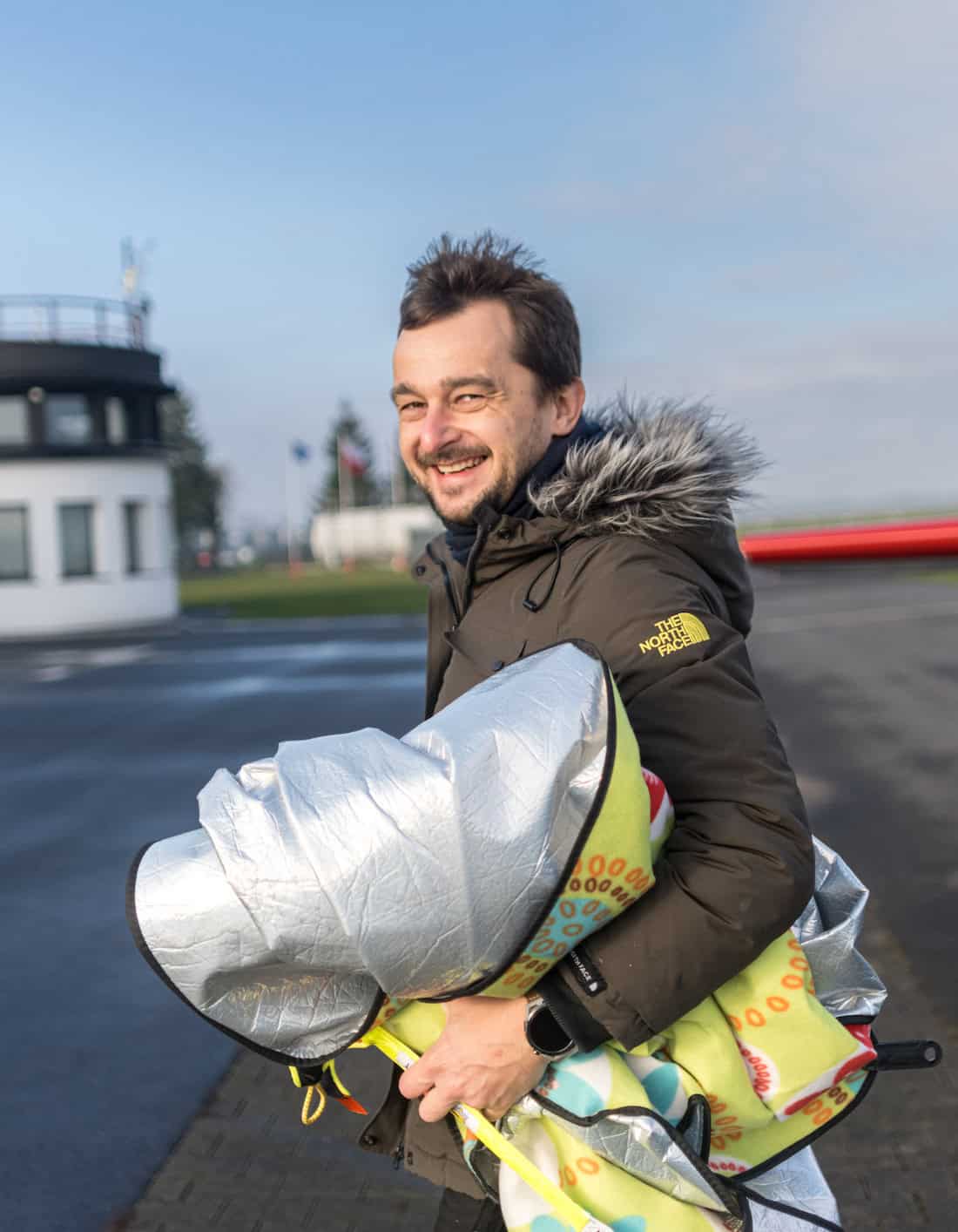
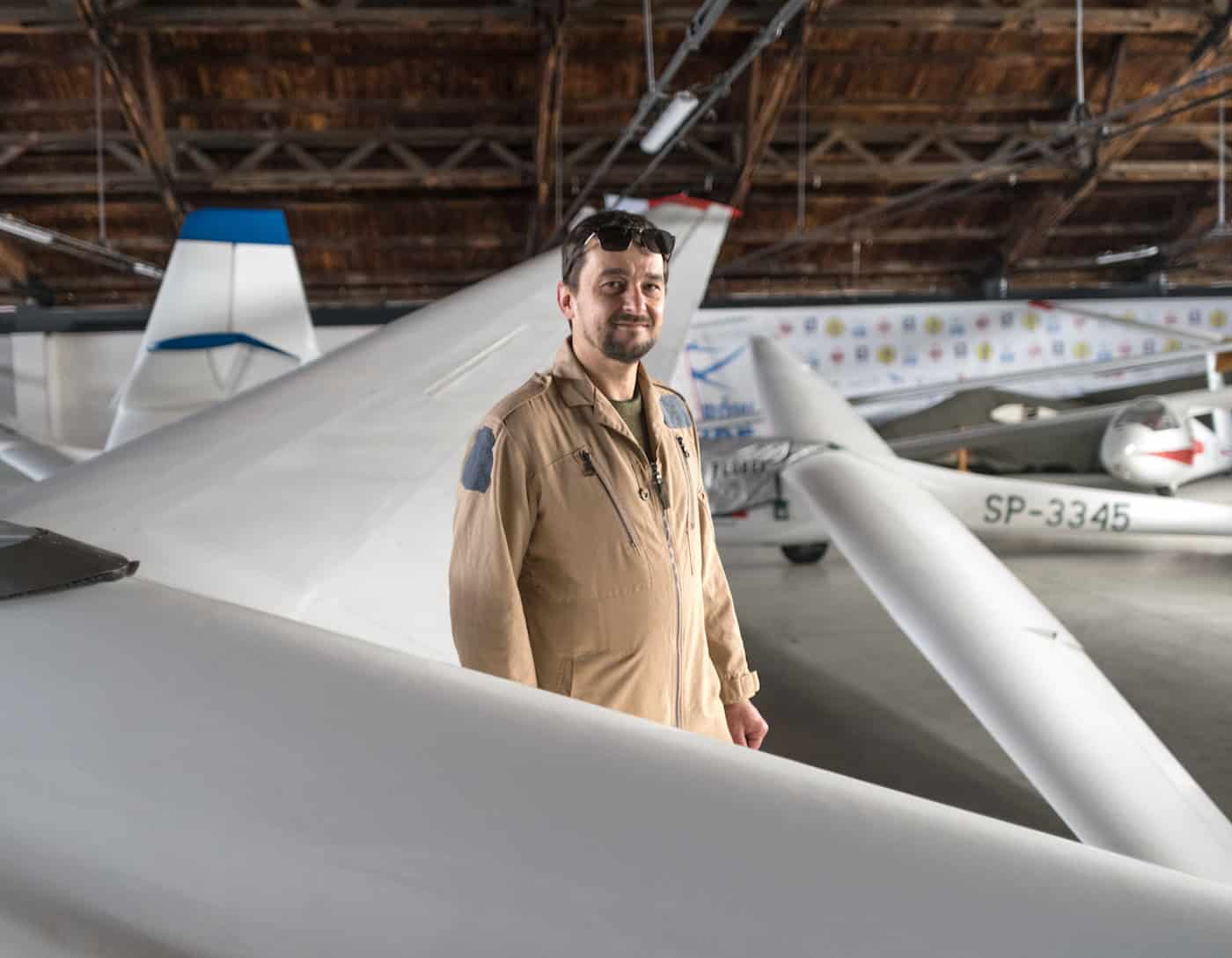
Grzegorz Kędzierski (‘Greg’ to his workmates) has a head for heights. And just as well. Some wind turbines are 150 metres tall, or more. So it’s good to know they come equipped with lifts. But these can’t be switched on until the electrics are thoroughly checked – which is the responsibility of commissioning engineers like Greg. Until then, the only way up is by ladder, a very long way indeed. And when you’re up top and the wind is blowing, he says, “you can feel like you’re on the sea. Because the turbine is designed to give a little, to respond to the wind. It can shift, two, three metres each side. If it’s too rigid, it could fall over.”
Kędzierski’s responsibilities include checking “each and every one” of the many electrical connections and software within the turbines: a sophisticated array of controls that allow them to operate safely and deliver “the best quality power”. It’s a role that has taken him from his native Poland to the Mekong delta in Vietnam, from the far north of Sweden to Japan, and out on the waves of the North Sea.
The same sense of balance that helps him cope with the sway at the top of the turbines does so on the water too. Does he ever get sea sick? “No, never have.” But working offshore brings other challenges. “You have to plan ahead: when you’re far out at sea, you can’t go back to base and pick up a forgotten tool. You have to take everything you might possibly need, and then more.”
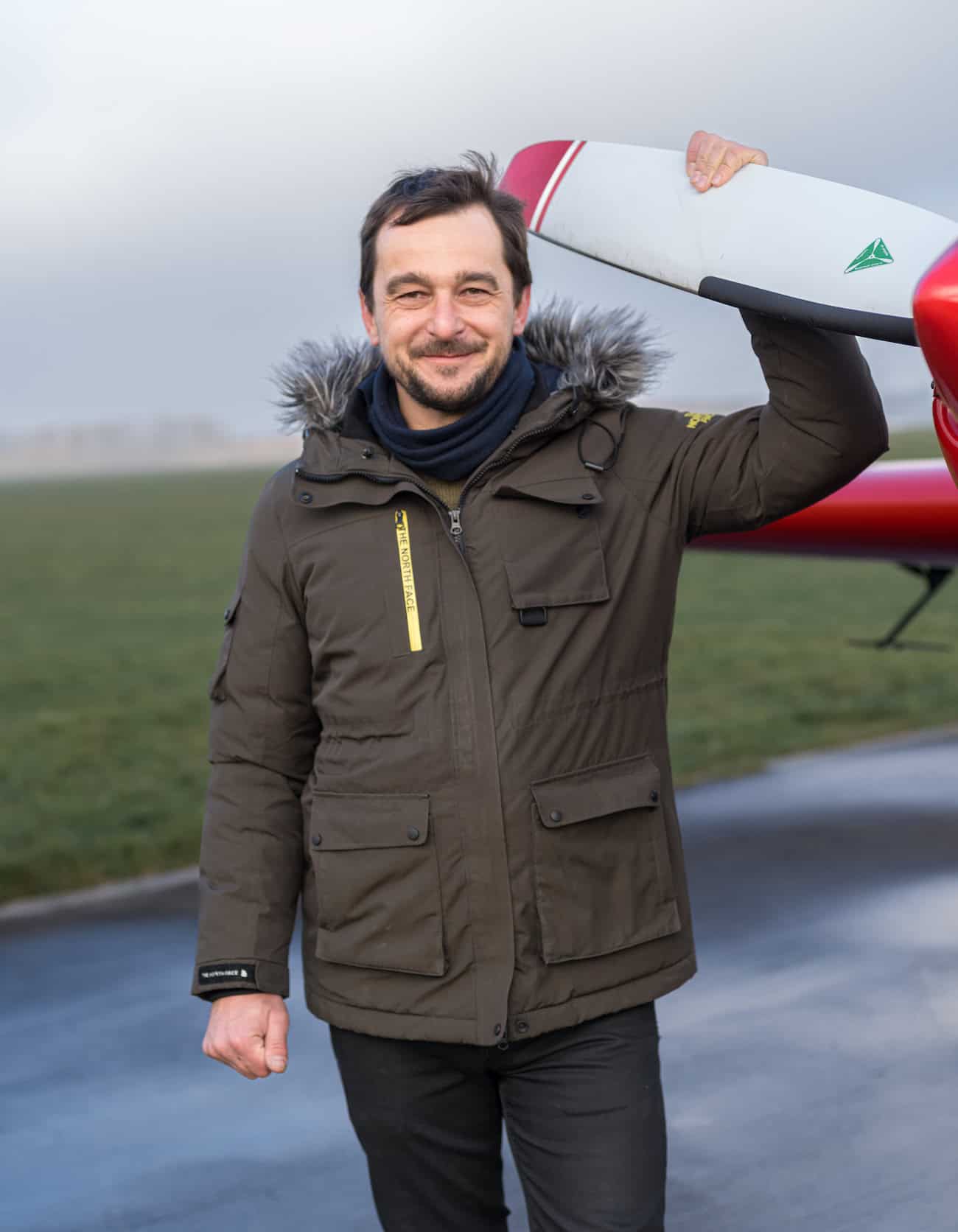
Working remotely suits his nature. “I don’t like to stay in one place for long.” The project placements are typically two weeks on, two weeks off. But the work period can be longer when in remote regions or offshore. Then he says he can feel homesick. Home has an added attraction now, in the form of an EA300 small acrobatic plane. Flying was Kędzierski’s first love, and at one point he contemplated changing careers: he was poised to become a commercial pilot, had all the necessary certifications, but then Covid hit, and “switched off the aviation market … I came back to the wind business. It was a good decision: flying can be my hobby instead.”
Sometimes, I like to go out on the top of a turbine and stay there for a while, watching the world from above
So he spent the savings he’d accumulated from his turbine work “not on a house or a fat”, but the plane, and is busy training for national aerobatics competitions, practising flying in close formation alongside a pilot friend.
Does it have anything in common with his day job? Safety and precision, says Kędzierski. “You have to follow very strict procedures. Otherwise you risk harm to yourself, and to others.”
But that doesn’t mean there’s no romance to it all. Whether in his plane or on the height of a windfarm, he says, “I love the sense of space.”
“Sometimes,” he adds, “I like to go out on the top of a turbine and stay there for a while, watching the world from above.” And, of course, looking forward to his next fight. “The sky is no longer the limit,” he declared. “It’s the playground!”
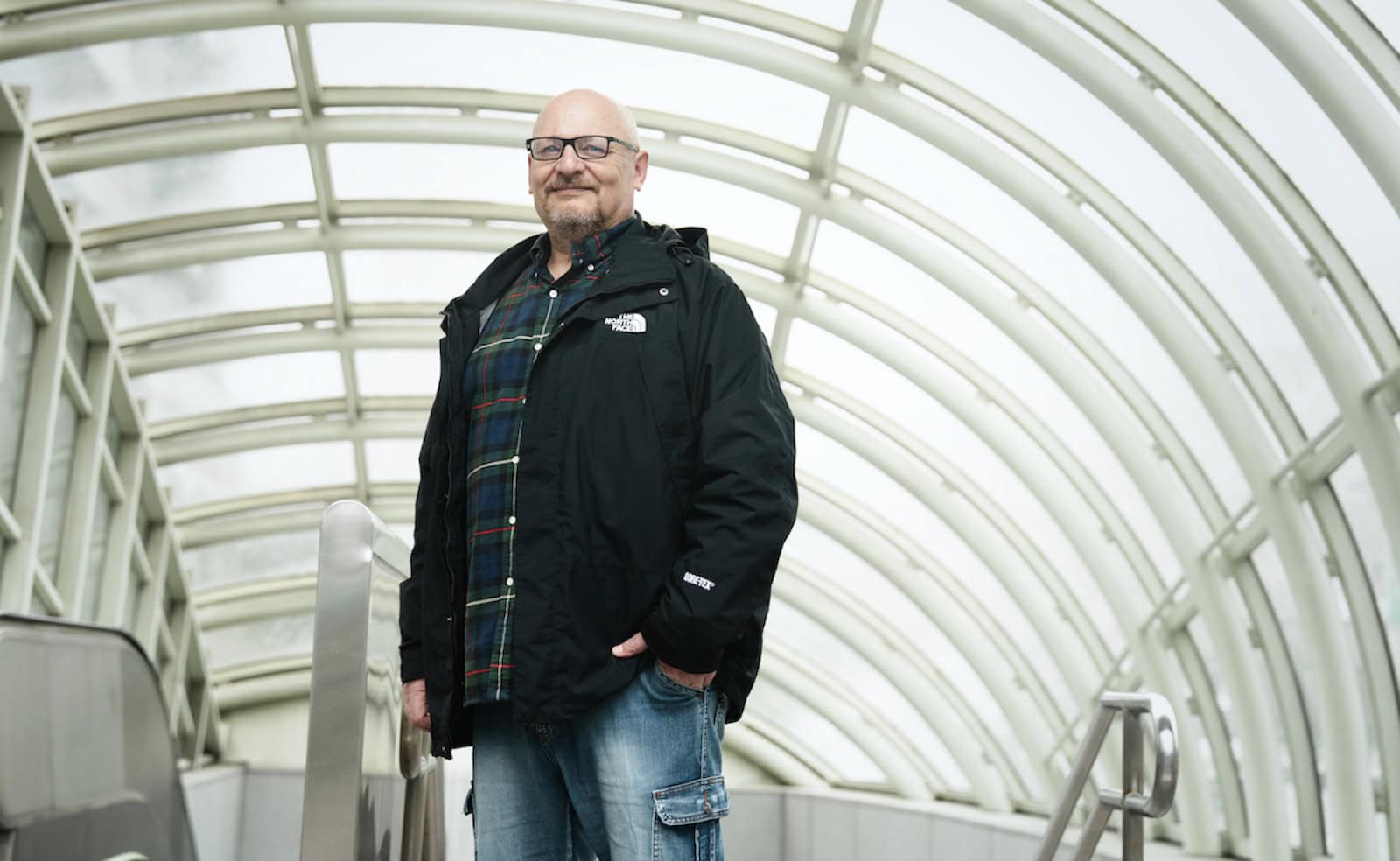
Power, precision and people
Chris Akehurst, offshore client representative
If you’ve ever wondered just how those vast offshore windfarms shimmering over the seas on the horizon get to be there in the first place, Chris Akehurst is your man. As an offshore client representative specialising in heavy-lift turbine foundations, he’s the one who makes sure they happen.
Heavy is the operative word. “People don’t realise just how huge these turbines are, or how much power they can generate. They might see one [when they’re] driving down a country lane, and think: ‘that’s big’, but the latest offshore ones are colossal. They can be 240 metres from sea level to the top of the spinning blade. One [huge] windfarm can power up a city now. It’s crazy.”
All that requires some seriously heavy lifting. Akehurst talks of shifting vast 500-tonne steel piles into place and hammering them into the seabed; of huge cranes lifting 2,500 tonnes’ worth of foundations – all from a vessel miles offshore. And behind all that heft and power there are human guiding hands. “It’s about people and precision,” he says. “Every lift, every connection – there’s human judgement behind the technology.”
Every lift, every connection – there’s human judgement behind the technology
People, precision – and a little playfulness, too. Akehurst’s email signature features a charming little line graphic of a boat chugging across the waves to the foot of a turbine, where two men climb out and head up the tower. He’s a natural communicator, popping up on podcasts like Joe Leather’s Wind, Waves and Wells, on which he combines a respect for the natural environment and enthusiasm for the green transition with some robust engineering speak. “When you’re out there, 50 miles offshore, the wind isn’t just power – it’s personality. You learn to work with it, not against it.”
He spent some of his youth in Germany, where his British army father Power, precision and people: Chris Akehurst was stationed, spent a while in the forces himself and then in construction, where “after a year, I saw my first tower crane, and thought: ‘I’ll have a piece of that!’ So, I climbed up the crane, and that was it. From that day on for the next 10 years, I was operating tower cranes.”
He took a range of courses to be better qualified, not least in the tough discipline of heavy-lift supervision, and then moved into the world of wind.
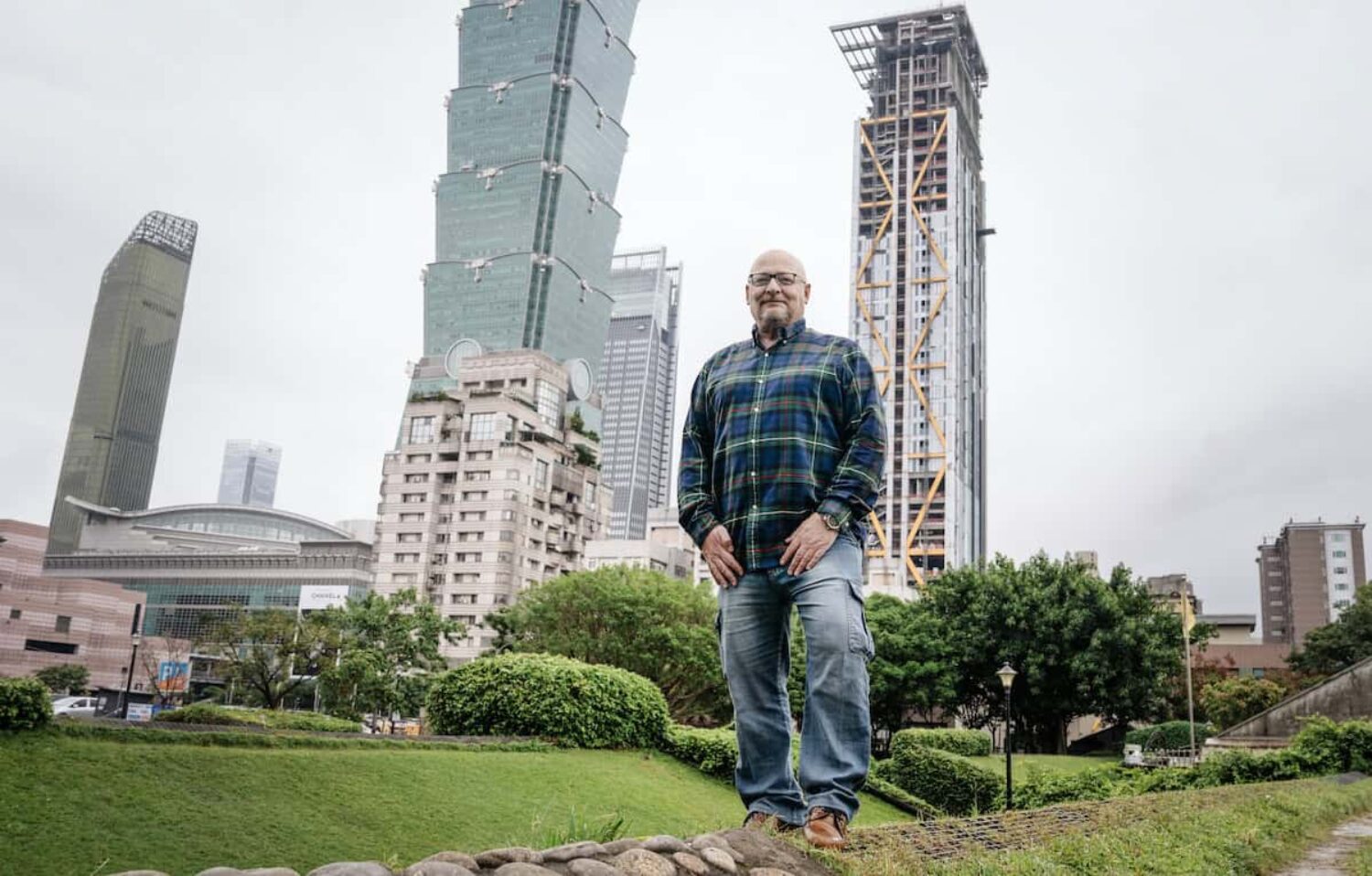
'It’s a small world offshore' says Akehurst. 'You depend on each other – safety, timing, even morale. That’s what makes this work special'. Image: Asnaya Chou
For the last few years, Akehurst has mainly been based in Taiwan, helping turn on-paper plans into actual windfarms at sea. “It’s a mix of technical oversight, a bit of project management, and plenty of problem-solving when things don’t go to plan.” He helps oversee the whole process “from the first foundation to the last turbine”, which can take over two years.
The teams he’s overseeing contain a multitude of nationalities, from as many as 25 countries, at times, “all packed together on the vessel” far from shore. That brings its own logistical challenges. “These guys are fit, healthy. They like their food,” notes Akehurst. “The logistics have to be spot on, because when you start running out of food, the guys start getting upset.”
He’s impressed at how Asia’s youth is coming onstream in the offshore world. “You can see pride growing: local technicians and engineers stepping into roles that didn’t even exist here five years ago.” By contrast, he warns: “Countries such as the UK and Germany are way ahead in renewables, but risk a shortage of qualified, experienced people soon, so they need to bring a new generation through.”
Meanwhile, the naturally gregarious Akehurst says he enjoys the sense of shared purpose that cuts across cultures and disciplines. “It’s a small world offshore. You depend on each other – safety, timing, even morale,” he says. “That’s what makes this work special.”
Main image: Mike Amos, photographed by Gordon Burniston