
As war exposes the fragility of global energy supplies, communities are showing how clean power can be local, affordable and owned by the people who use it
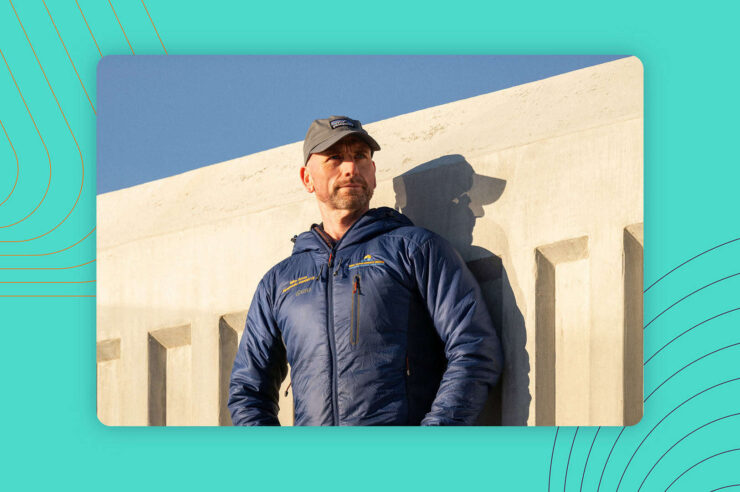
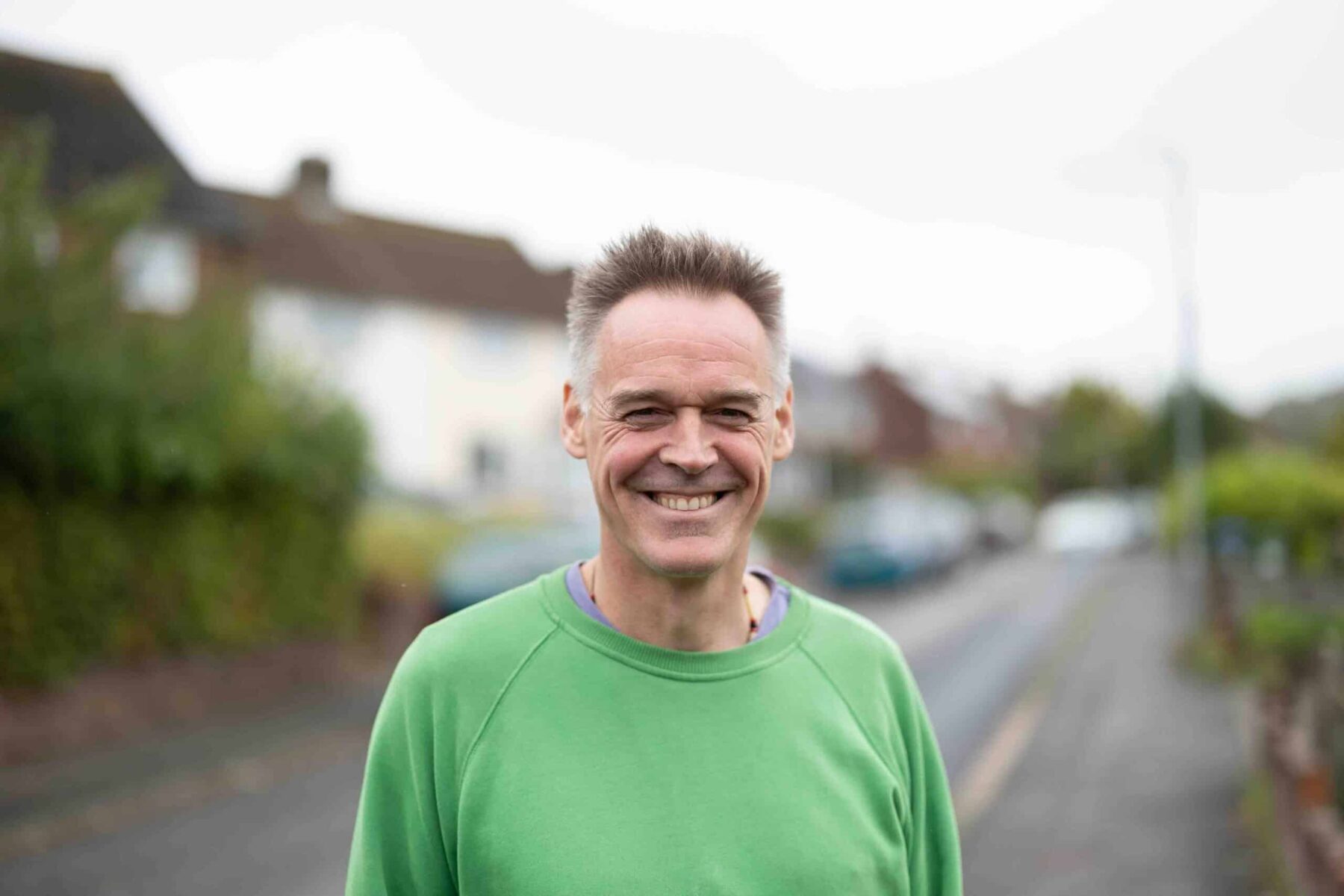
If you’d not met the man, and I asked you to picture a ‘Reg Platt’, what would spring to mind? A retired gas fitter? A dogged constable in a Hercule Poirot drama? Almost certainly not a buzzing entrepreneur, with grizzled rock star good looks, who’s driving a revolution in solar power across the rooftops of east London.
So much for nominative determinism.
His company, Emergent Energy, is breaking new ground by enabling a local authority – in this case the London borough of Hackney – to bring clean, green electricity to its council home tenants. In doing so, it’s exploiting recent changes in electricity regulations, which allow locally generated solar power to be supplied directly to nearby households.
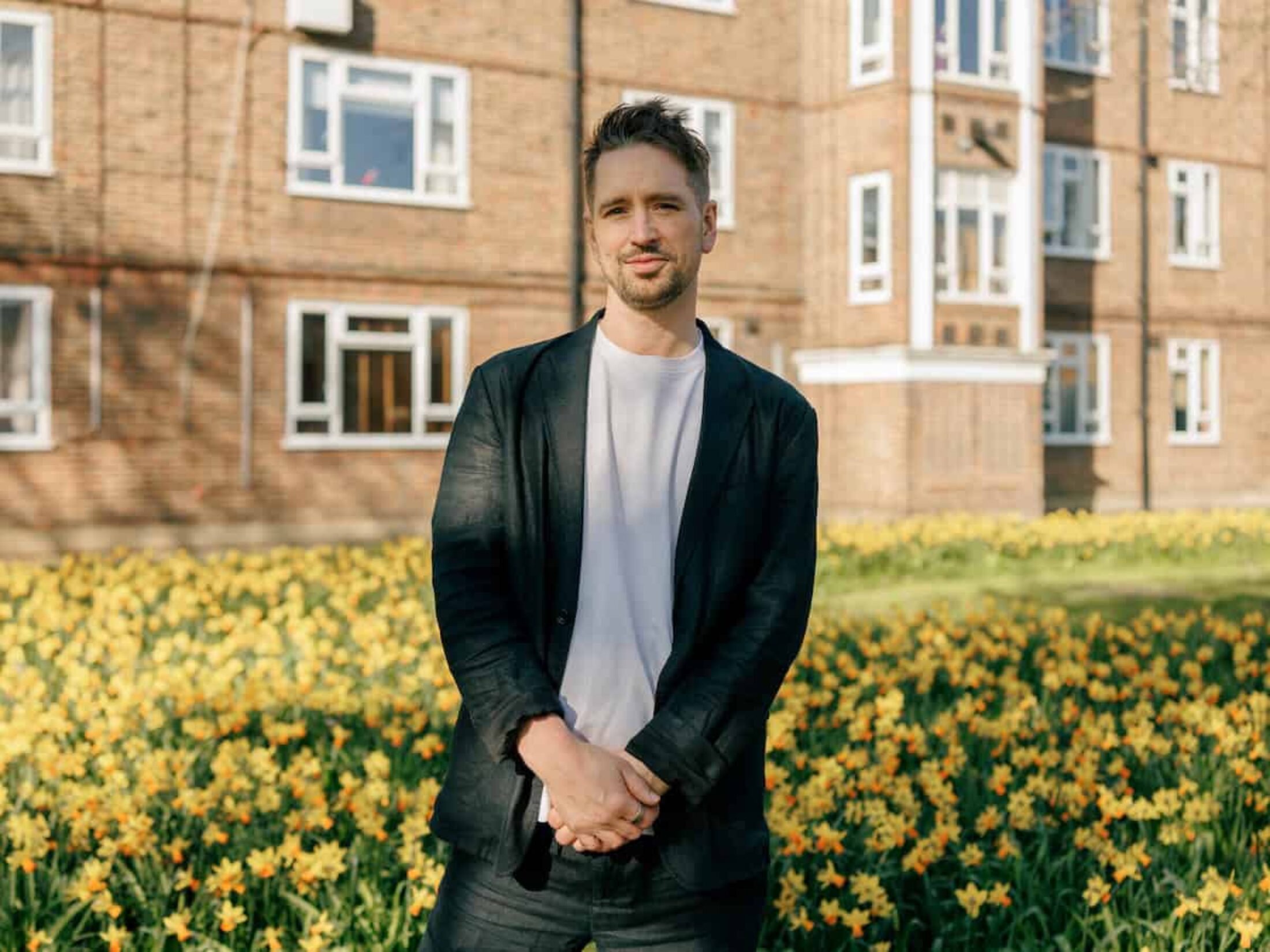
Reg Platt's work with Hackney council is turning social housing into a network of clean power stations. Image: Sam Bush
It works like this: Hackney commissions Emergent to install solar power on the sprawling flat roofs of its council flats. Emergent manages the resulting array as a ‘micro grid’, billing residents directly for their electricity use, and exporting surplus power – generated when local demand is low – into the National Grid. The resulting earnings means it’s possible to reduce residents’ typical overall bills by around 15%, not insignificant at a time of spiralling energy costs.
To date, Emergent has installed solar PV across 28 blocks, benefiting 800 residents. “It’s the single largest deployment in the social housing sector,” says Platt, “and the only such project that’s been delivered with zero government funding towards the capital costs. The system pays for itself.”
It appears a win-win for all concerned: residents get cheaper power, Hackney owns the assets and recoups its investment through electricity sales, and Emergent has a business model that is poised to expand across the country. As Platt points out, there are 5m flats in the UK, of which 2m are – like the ones in Hackney – social housing. Not all will be suitable for this approach, but a healthy proportion should be. It’s set to transform the prospects for bringing affordable solar power within reach of millions of Britons, a potential recognised when it won the 2025 Ashden Award for Breaking Barriers.

Of the 5m flats in the UK, like these in Sheffield, many could be suitable for solar, says Platt. Image: Ben Elliott
Born and raised in the Kentish outskirts of London, the young Platt was more artist and activist than entrepreneur. He was working as a musician but drawn to environmentalism under the influence of James Lovelock’s Gaia hypothesis. Radicalised in the early 2000s amid anti-capitalist protests and the Iraq war, he also got involved in the climate movement and helped set up a Transition Towns-style group in Brighton, where he was living at the time.
But Platt soon decided that it was “never going to achieve the sort of change needed relative to the scale of the problem. So, I flipped my career: music became more of a hobby, and I did a master’s in environment, science and society”.
That led to work on personal carbon trading with the Royal Society of Arts, and then with the Institute for Public Policy Research, delving into climate and energy policy. By his own admission, Platt wasn’t initially a natural thinktanker. “I had to work 50% harder than all those Oxbridge people to write those reports.”
It’s the only such project that’s been delivered with zero government funding towards the capital costs. The system pays for itself
But the musician in him gradually found out how to imbue his writing with a creativity that stood out from the crowd. It came in handy when his work on electricity markets coincided with a surge of interest in green energy, boosted when Ed Miliband became leader of the opposition Labour party. “Energy was huge news, and I was in the thick of it, in the press the whole time.”
A policy wonk despite himself, then, and an influential one too, helping shape Labour’s 2015 manifesto. But not as yet an entrepreneur. So, what changed? “I met my wife when I was 30. She’s an entrepreneur [who runs her own fashion brand], and I was just blown away by the scale of the ambition, the potential … I learned that there’s this thing you can do: start a business. It was amazing.”
Fired up, Platt started making plans, leveraging all his accumulated energy knowhow in a drive to work with local authorities on renewables. After a spell pursuing similar goals with green energy company OVO, he made the leap of faith to set up Emergent in 2016.

Platt sees the future of energy as local, shared – and already here. Image: Sam Bush
Now that the Hackney scheme has provided the all-important proof of concept, Emergent is poised to expand, exploiting an energy landscape that is ripe for disruption. “We have this highly centralised industry, yet all the technology is becoming more and more distributed and decentralised, and AI just turbocharges everything.”
Meanwhile, Emergent’s ability to deliver solar direct to poorer communities while actually saving them money is a living reproof to the likes of the Reform party, whose members still pour scorn on net zero and green energy in general. So, what about taking his proven concept into the belly of the beast, and setting up solar in a Reform-controlled council area? “Now that’s an interesting idea”, he muses. “How do we do that? I need to think about that …”
Fire in the grassroots
Three more schemes that capture the potential of community energy
1) People Owned Power
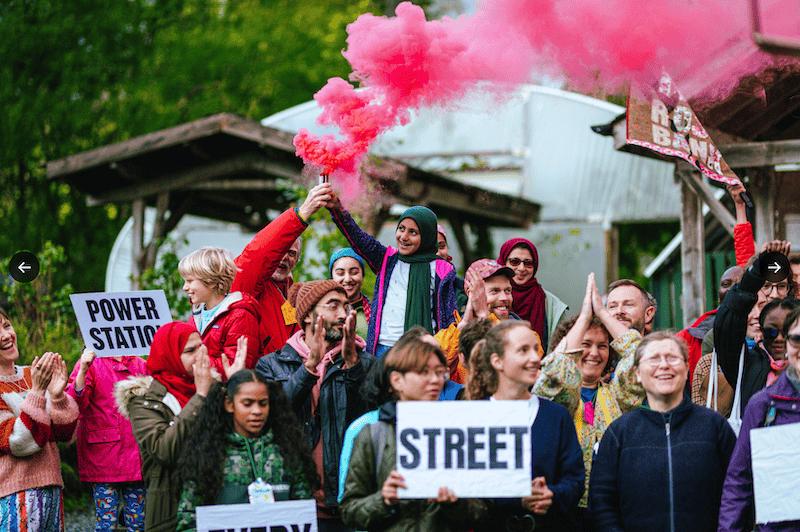
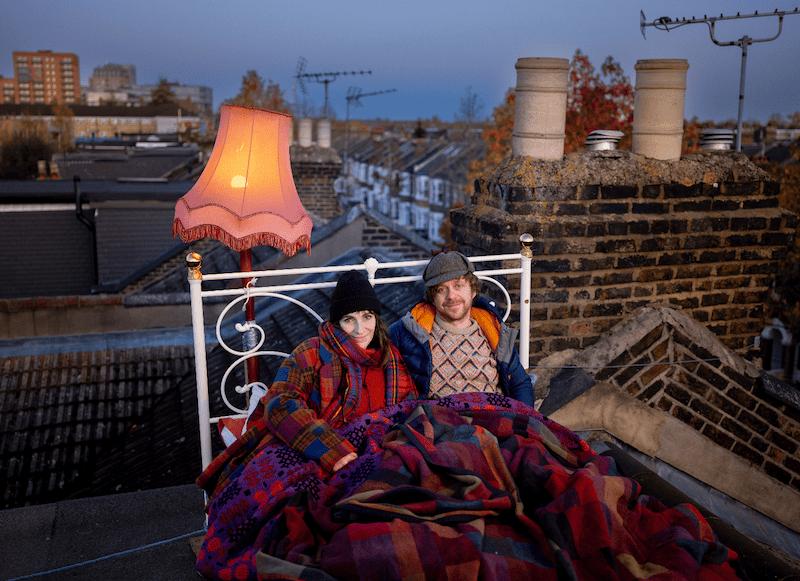
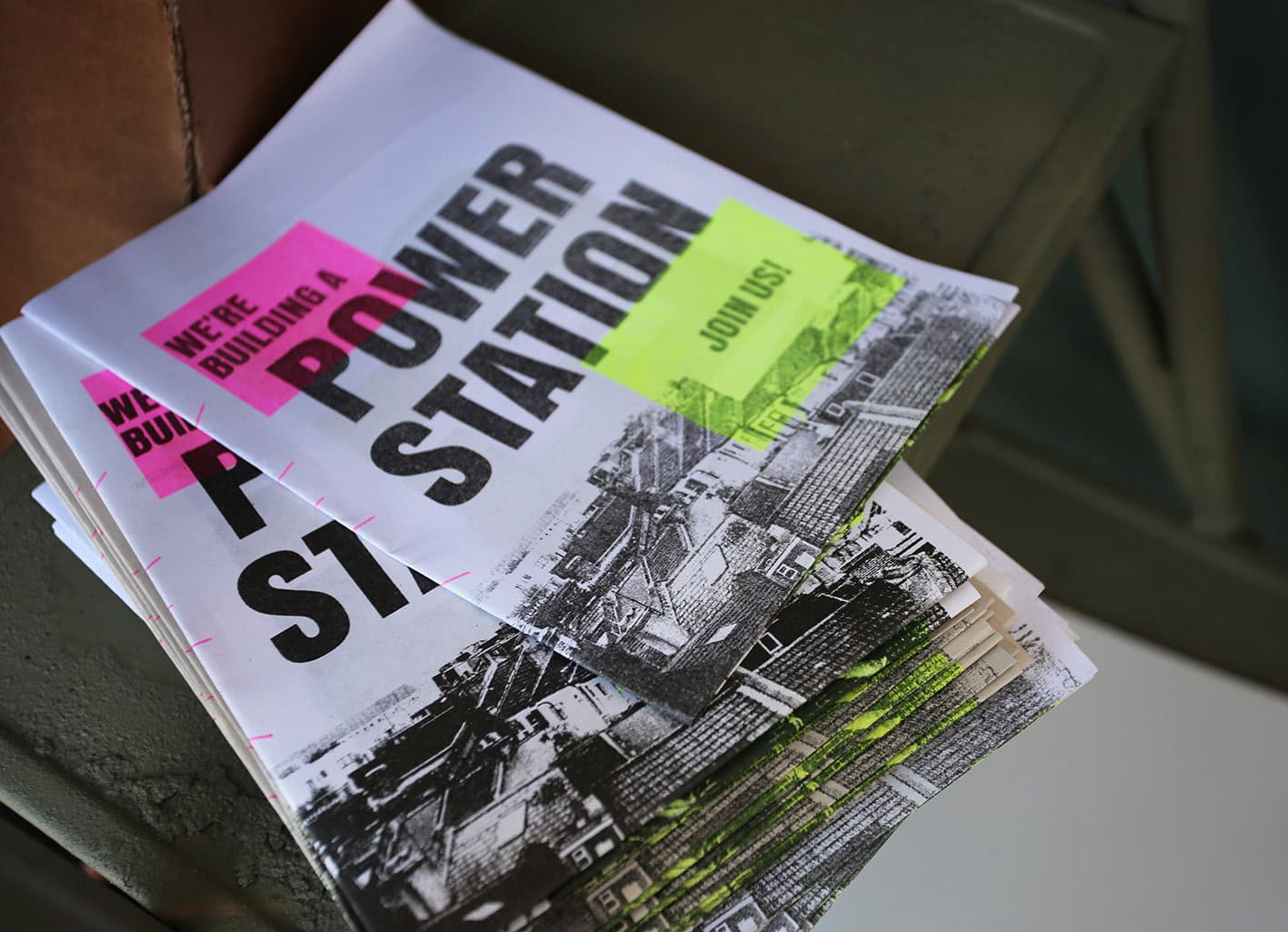
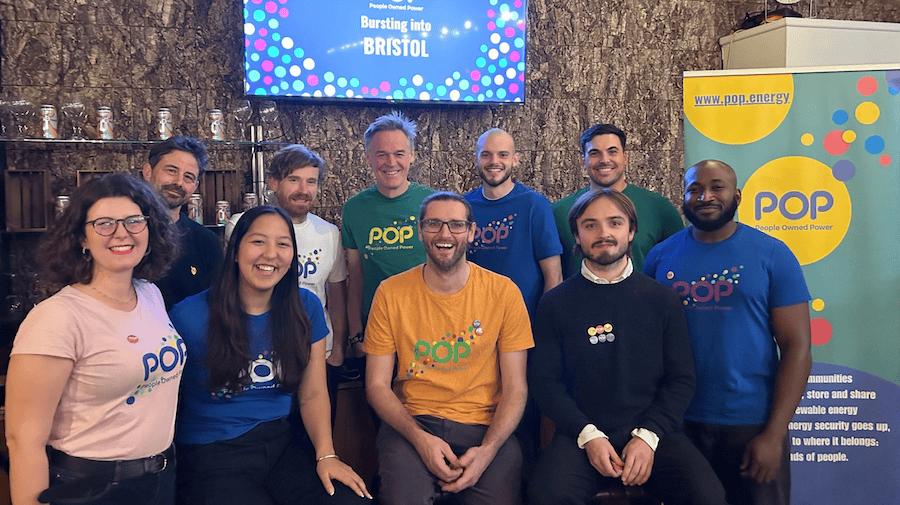
Imagine an entire street as a clean, green power station. That’s the vision captured by activists and filmmakers Hilary Powell and Dan Edelstyn, who set out to see if it was possible on their home street in Walthamstow, east London. The duo’s Power Station film documents their effort to make it happen in their own home, and bring the neighbours along, too.
It echoes and amplifies the work of People Owned Power, founded by energy entrepreneur Howard Johns, which helps householders and groups of neighbours use a mixture of solar panels, batteries, heat pumps, insulation and electric vehicle chargers to dramatically cut their reliance on mains electricity. On average, this is reduced by 80%, while some homes are able to generate 120% of their needs, allowing them to export a surplus to the grid while enjoying ‘zero bills’.
As Johns puts it: “Long-term, we are building the social infrastructure for a decentralised, flexible energy system. Where communities can share energy locally; for a cleaner, more resilient and fairer future.”
2) Repowering London
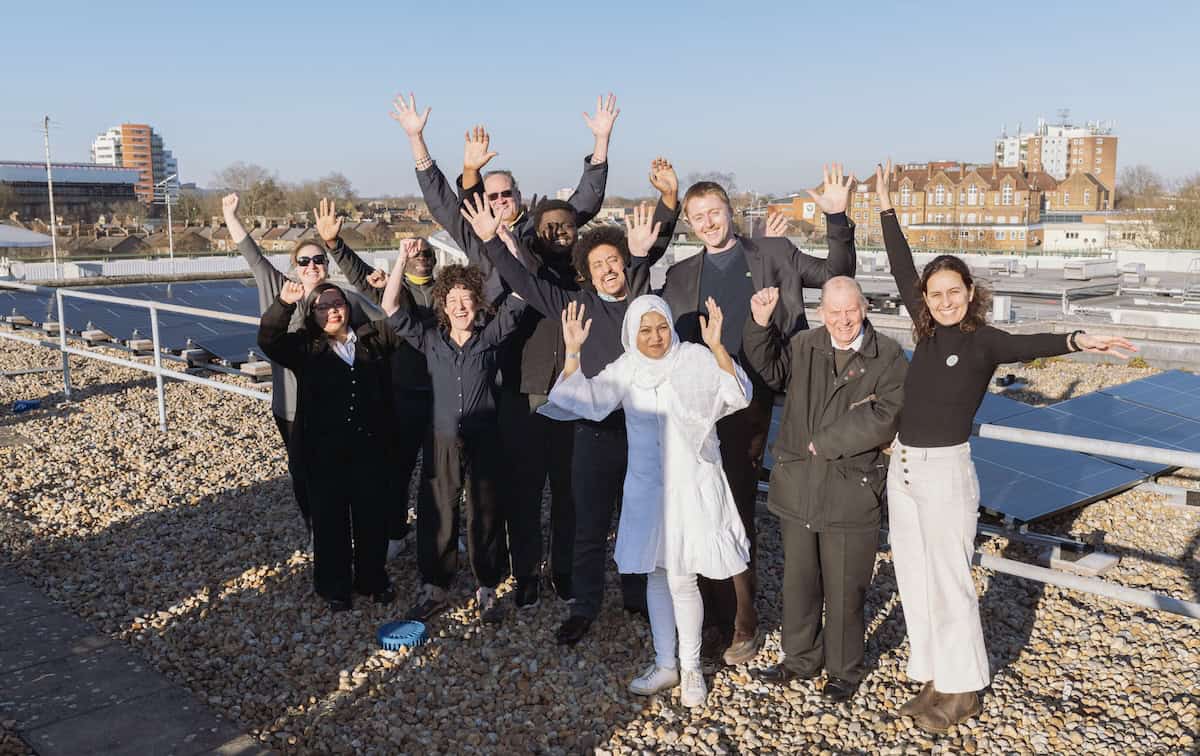
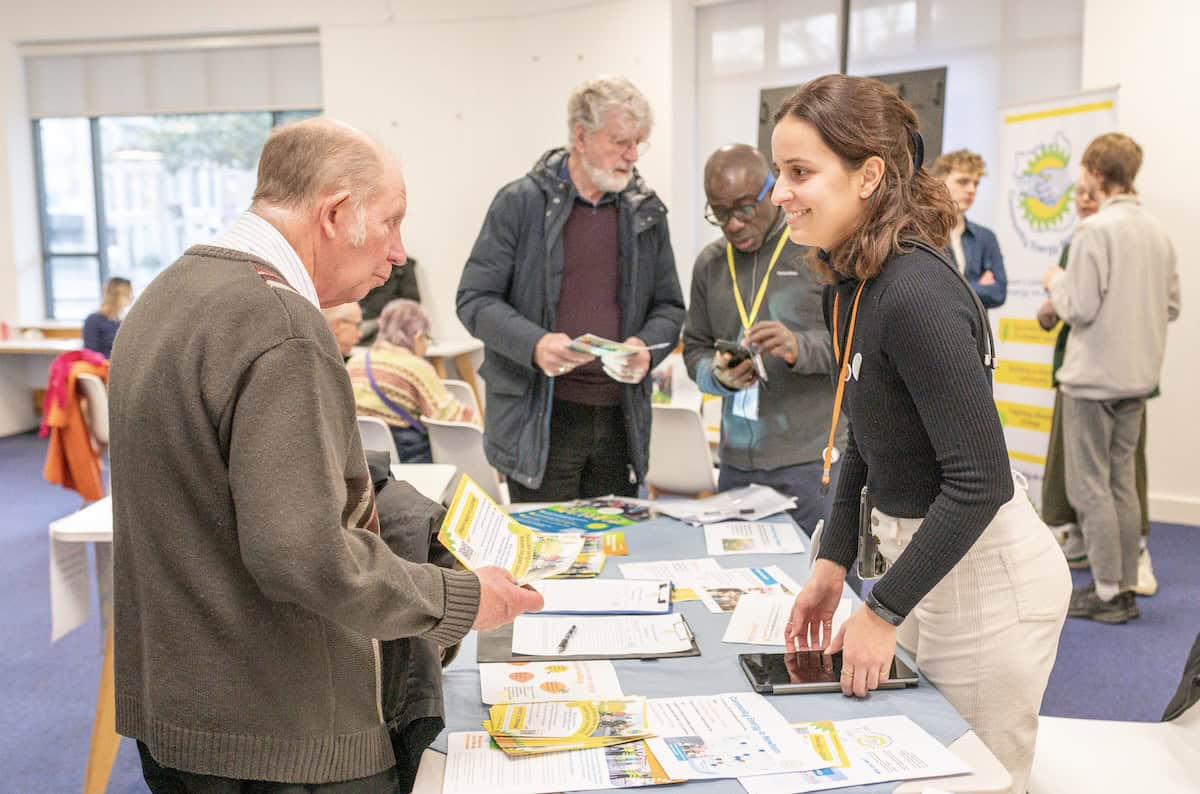
Across the capital, another trailblazer is helping communities access solar power. Repowering London’s schemes range from a pilot supplying local electricity to residents in Brixton, to community-owned solar projects stretching from Lambeth in south London to Barnet in the north. To date, Repowering London has supported 12 local groups across the capital to form community benefit societies – the same co-operative structure that owns Positive News.
One of the most striking is in the borough of Newham, which has one of the highest rates of fuel poverty rates in England. Community Energy Newham has successfully installed solar panels on a number of the borough’s schools and libraries, generating power for pupils and users. It is also working with partners to deliver community-owned heat generation, retrofit support and employment for local people, giving communities the opportunity to own and benefit from their energy systems.
3) OffshoreWind4Kids
Offshore wind is that seemingly rare thing: a British success story. It produces a little under a fifth of the country’s electricity, and as numbers of windfarms grow, not only in the UK but across the world, so do the prospects for more rewarding careers in the sector.
With that in mind, OffshoreWind4Kids is helping children and young people learn all about the technology and its potential, and even have a crack at making their own (scaled down) offshore equipment.
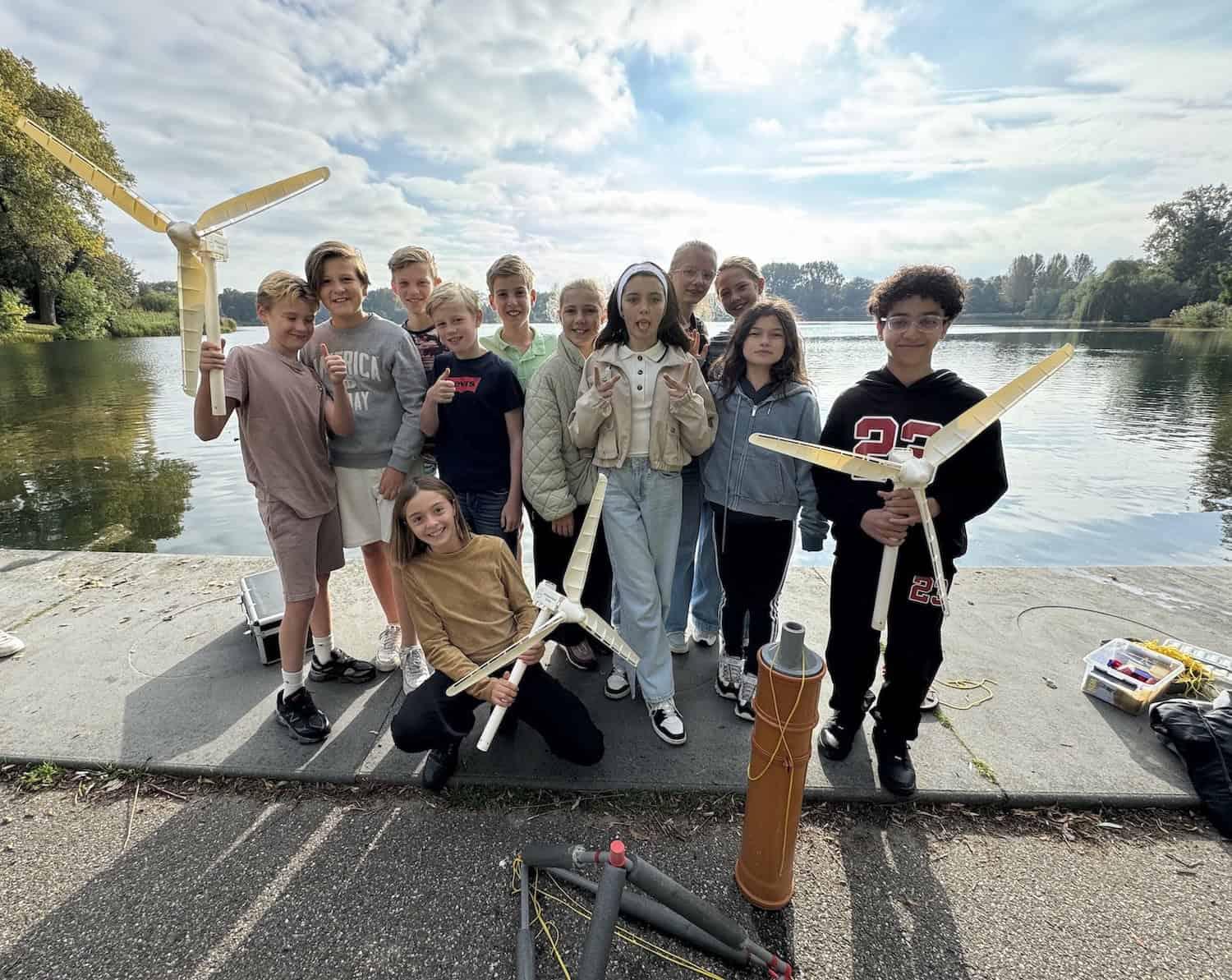
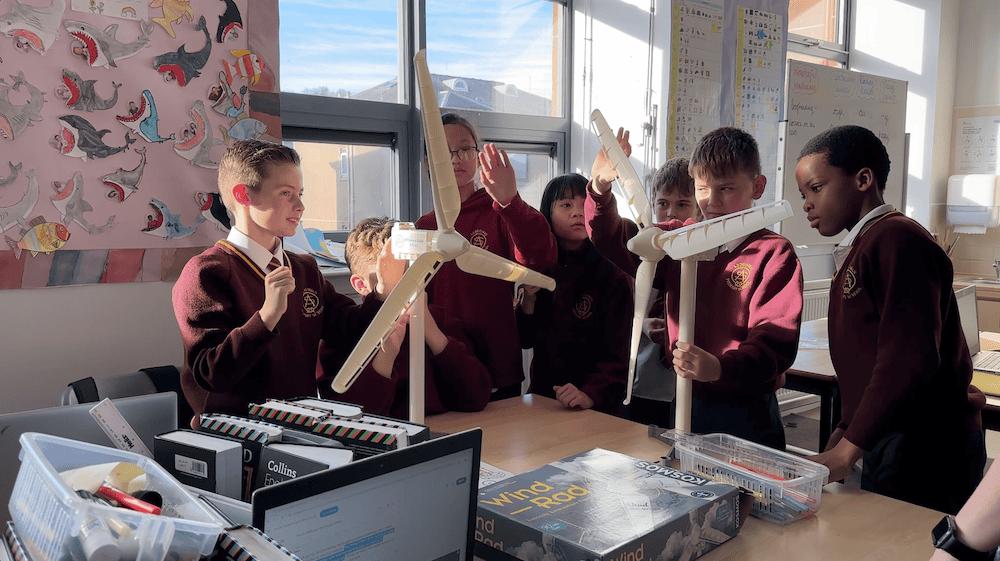
An independent non-profit based in Belgium and supported by the industry, the scheme is now operating across more than 20 countries. Its Floating Wind Challenge, where students compete to design and build the best floating wind support structure, attracts teams from across Asia, Europe and the Americas.
Main image: Sam Bush